





Quick Answer
The five highest-leverage grub-control moves for a Winchester lawn — Winchester Center, Symmes Corner, Wedgemere — in late July: (1) verify grub damage with a 1 sq ft soil dig before treating, (2) apply granular chlorantraniliprole (Acelepryn-class), not imidacloprid, (3) water in 0.5 inch within 24 hours, (4) skip preventive treatment if you don't have damage history, (5) hand-pick adult Japanese beetles at 7 AM to reduce next year's grub population. Total time: 2 hours including verification. Total cost: $50-70 in materials for a 5,000 sq ft lawn.
Why Late July Is the Right Window in Winchester
Winchester's typical lawns — mature Kentucky bluegrass and fescue mixes on irrigated suburban lots — are prime grub habitat. Japanese beetle adults laid eggs in June; the eggs hatched into newly-emerged grubs in mid-July. Right now (late July through early August), those grubs are small and feeding near the soil surface — the optimal treatment window. By September, the grubs are bigger, deeper, and harder to kill.
Tip 1 — Verify Damage Before You Treat
The single most expensive mistake Winchester homeowners make is applying grub control without confirming a problem. Most lawns don't have a damage-threshold grub population.
Verification (10 minutes): - Cut a 1 sq ft section of turf at the edge of any suspect brown patch - Lift the section with a spade - Count C-shaped white grubs in the top 2 inches of soil - Damage threshold: 6-8 grubs per sq ft. Fewer than that, no need to treat.
If you don't have brown patches, dig 3 random samples — front lawn, back lawn, sunny zone. Most Winchester yards show 0-2 grubs/sq ft, well below the threshold.
The UMass Turf Program considers verification-before-treatment the foundation of integrated pest management.
Tip 2 — Use Granular Chlorantraniliprole (Acelepryn-Class)
If you've confirmed grub damage, the right product is granular chlorantraniliprole. Brand names: Acelepryn, Scotts GrubEx Plus (verify current formulation on label — older Scotts products used imidacloprid which should be avoided).
Why chlorantraniliprole over imidacloprid: - Pollinator-safe. EPA classifies chlorantraniliprole as low-risk to bees; imidacloprid is the opposite. - Long residual (5-6 months) means one application carries through fall. - Low mammalian toxicity — pet- and kid-friendlier.
For the full granular-vs-liquid comparison, see Granular vs Liquid Grub Control for a Suffolk County Lawn.
Tip 3 — Water In 0.5 Inch Within 24 Hours
This is the step that makes or breaks effectiveness. Granular grub control sits on the surface until water moves it into the root zone where grubs feed.
The math: ½ inch of water across 5,000 sq ft = ~1,560 gallons = ~80 minutes with a typical rotary sprinkler delivering ¾ inch/hour over a zone.
If rain is forecast within 24 hours of application, skip the manual watering. If not, run the sprinkler. Without watering-in, the active ingredient degrades in UV within days and you've wasted $50.
Tip 4 — Skip Preventive If You Don't Have Damage History
Preventive grub control without confirmed history is over-treatment. Reasons to skip:
- Cost. $50-70/season, every year, on a problem you may not have.
- Pollinator pressure. Even chlorantraniliprole, while safer than imidacloprid, isn't zero-impact.
- Resistance. Repeated unnecessary treatment accelerates resistance development.
When to use preventive: if you've had documented grub damage in 2 of the past 3 years, preventive is appropriate. If you've never had a problem, monitor — don't preempt.
Tip 5 — Hand-Pick Adult Japanese Beetles at 7 AM
This is the one homeowner tactic that cuts NEXT year's grub population. Adult Japanese beetles in Winchester are clustering on roses, river birch, Norway maple, and grape leaves right now. Each adult lays 40-60 eggs that become next year's grubs.
Hand-picking technique: - 7 AM, when beetles are sluggish and easy to grab - Knock into a bucket of soapy water (1 tablespoon dish soap in a gallon) - 15 minutes per affected plant, repeated daily for 2 weeks - Reduces local population by 60-80% over the season
Skip Japanese beetle traps — single-property traps attract more beetles than they catch. Only effective in coordinated community-wide programs.
For the full adult-stage picture, see July Pest Alert for Stoneham Landscapes and Japanese Beetle Forecast for Quincy Lawns.
What Damage Recovery Looks Like
If you have grub damage exceeding 25% of lawn area, treatment alone won't fix the visible damage — the dead patches need reseeding. The right window is early September (Labor Day to mid-September) for cool-season turf.
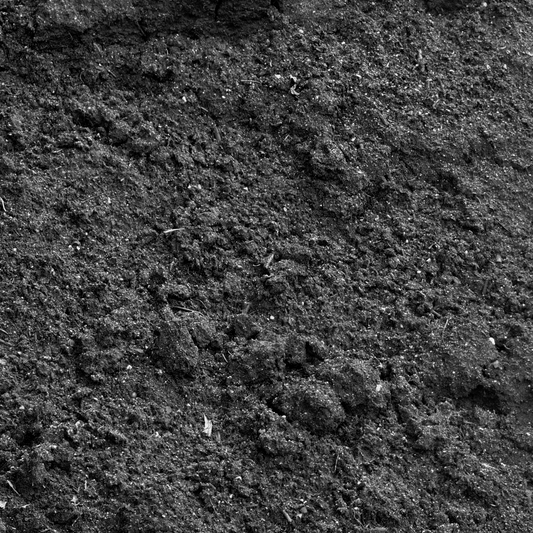
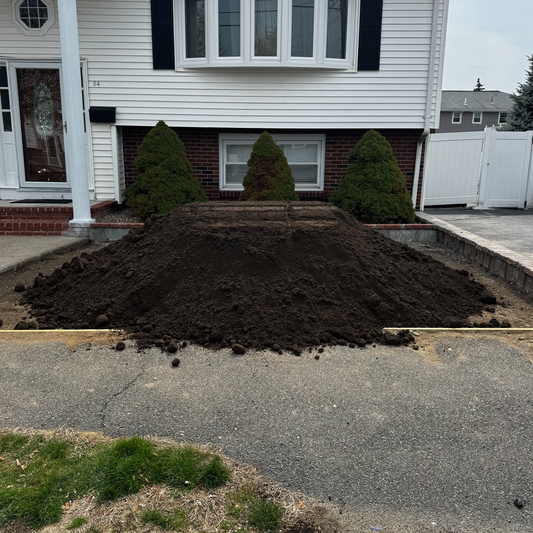
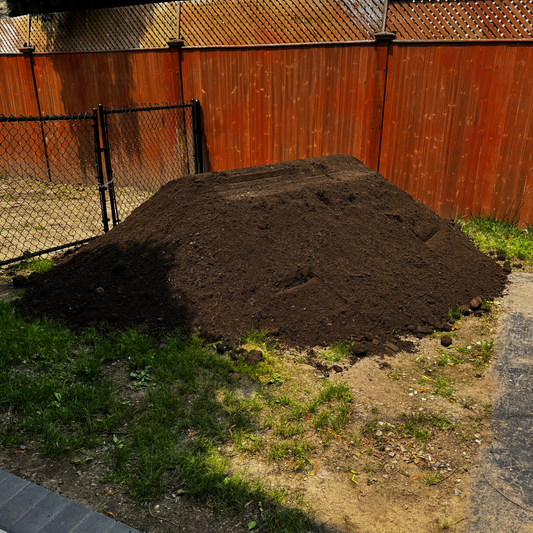
For lawn-repair material — Topsoil Loam ½" Screened, Super Loam, Compost — browse lawn leveling and repair. For broader Winchester landscape supply delivery, see the regional collection.
Companion Reads
For the broader Winchester pest ID picture, Top 5 Lawn Pests in Medford and How to Spot Them covers field IDs (Medford lawn ecology overlaps Winchester's). For the contractor-side bidding math, Lawn-Disease Triage Pricing for Middleborough Crews covers the same diagnosis-to-treatment workflow at scale.
For the fungal-disease side of late July, How to Diagnose Brown Patch on a Worcester County Lawn and What Is Dollar Spot, and Does My Middlesex County Lawn Have It? cover the parallel issue.


