Quick Answer
For a Melrose bed, plant hardneck garlic between October 15 and November 5 — roughly 3–4 weeks before the first hard frost. That gives cloves time to push roots without sending up green shoots that winter will kill back. Order seed garlic in August, prep the bed in September with 2" of Compost worked into the top 6 inches, and mulch heavily after planting.
Q: What's the best garlic-planting date for Melrose?
A: October 15 through November 5. Melrose sits in USDA Zone 6b with a typical first hard frost between October 25 and November 5. Garlic cloves need 4–6 weeks of cool soil for root development before the ground freezes — without sprouting tops that winter kills. The mid-October to early-November window threads that needle.
If you plant before October 10, warm soil pushes too much top growth. If you plant after November 10, roots don't establish before freeze and the bulbs come up small the following July.
Q: Hardneck or softneck — which one for Melrose?
A: Hardneck. Massachusetts winters are reliably cold enough that hardneck varieties — Music, German Extra Hardy, Chesnok Red, Russian Red — outperform softneck on bulb size and flavor. Softneck varieties grow better in zones with mild winters (Zone 7+).
Hardneck garlic also sends up scapes in June, which are a separate small harvest you can saute or pickle.
Q: How do I prep the bed in September?
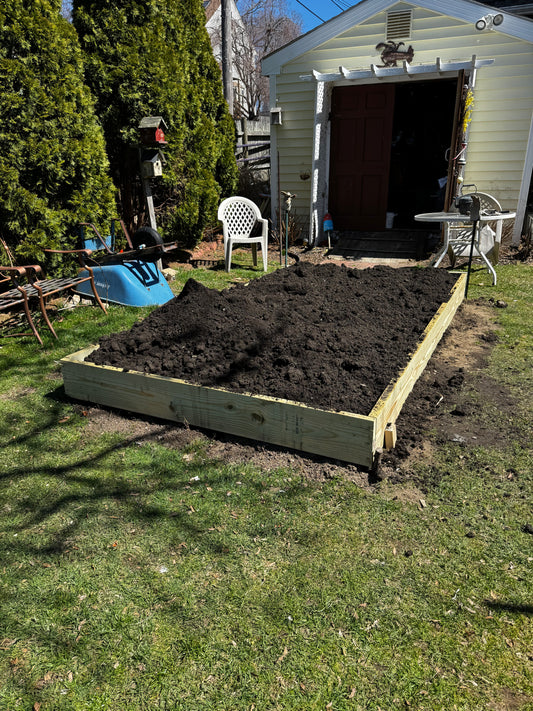
A: Loosen, amend, and rake smooth. A garlic bed wants loose, well-drained soil with high organic matter. For a 4×8 bed:
- Loosen the top 8 inches with a garden fork.
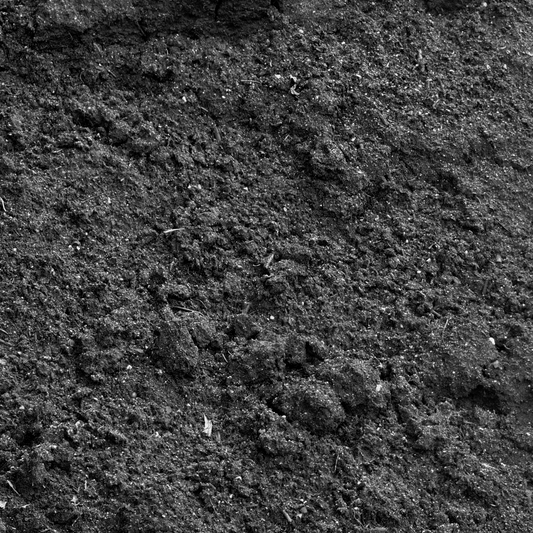
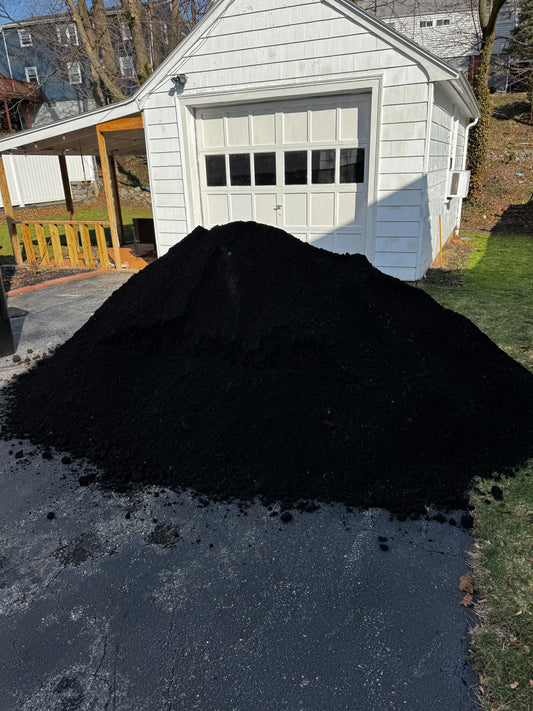
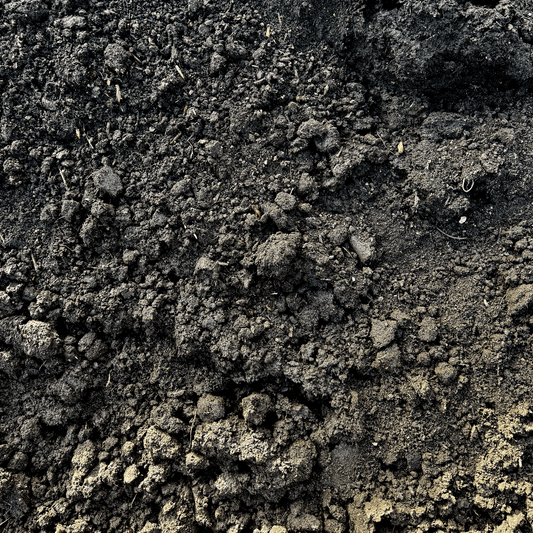
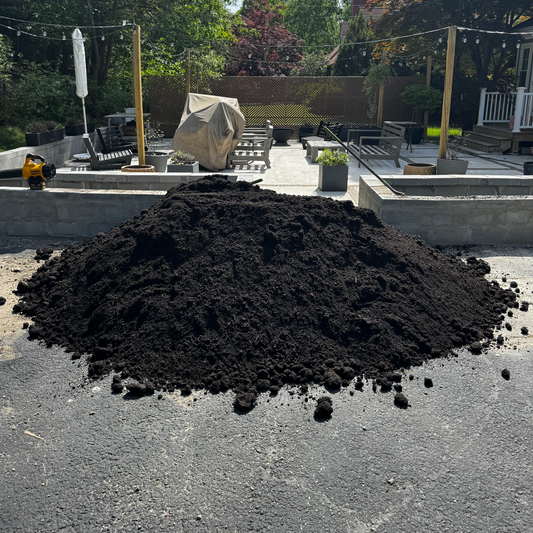
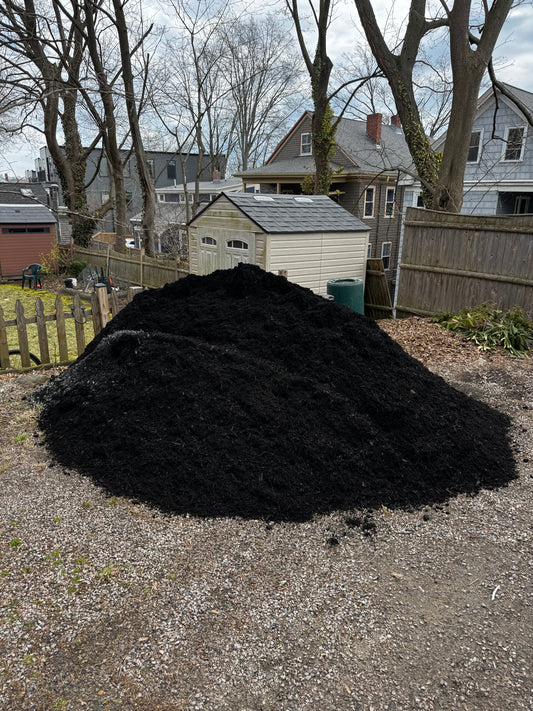
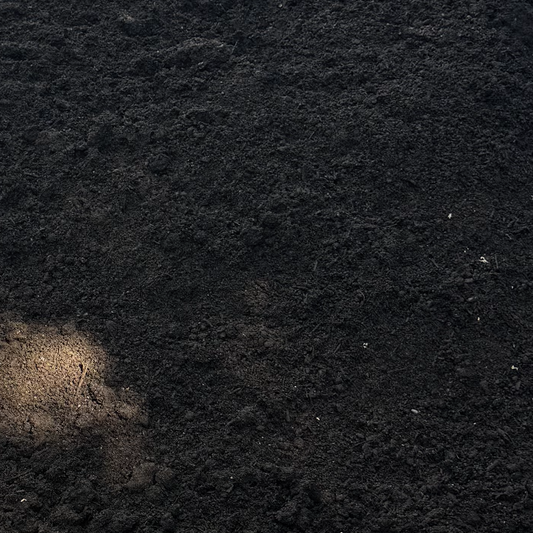
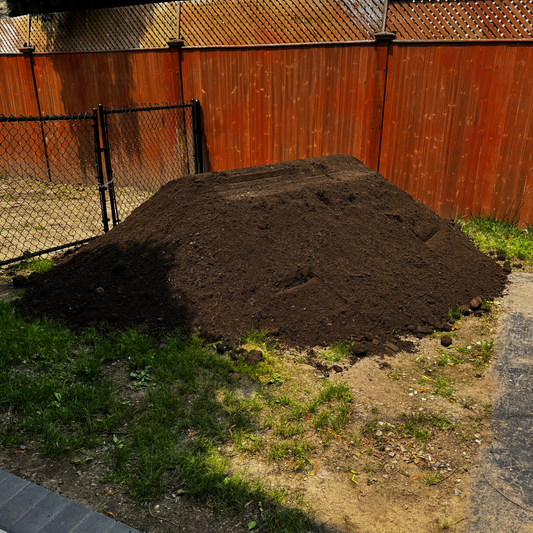
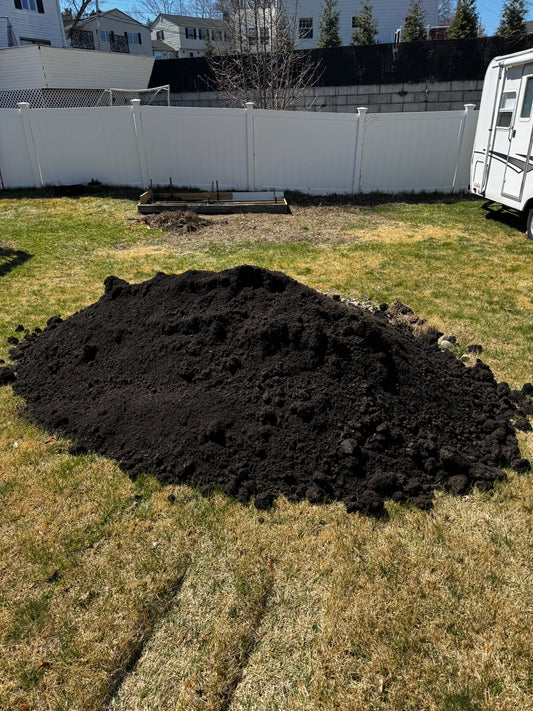
- Spread 0.25 cubic yards of Compost across the bed (roughly 2" depth) and work it in.
- Rake smooth.
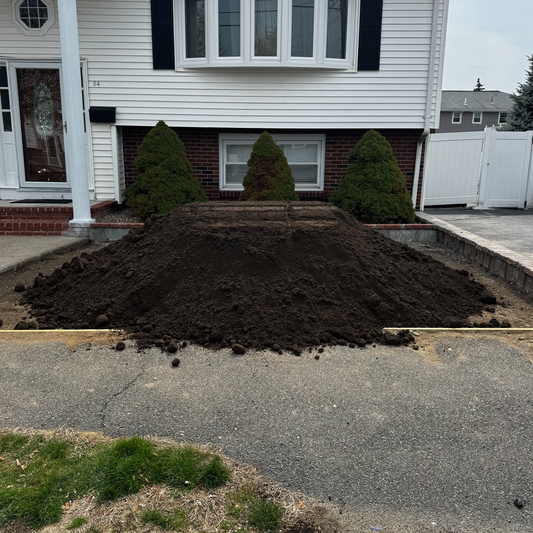
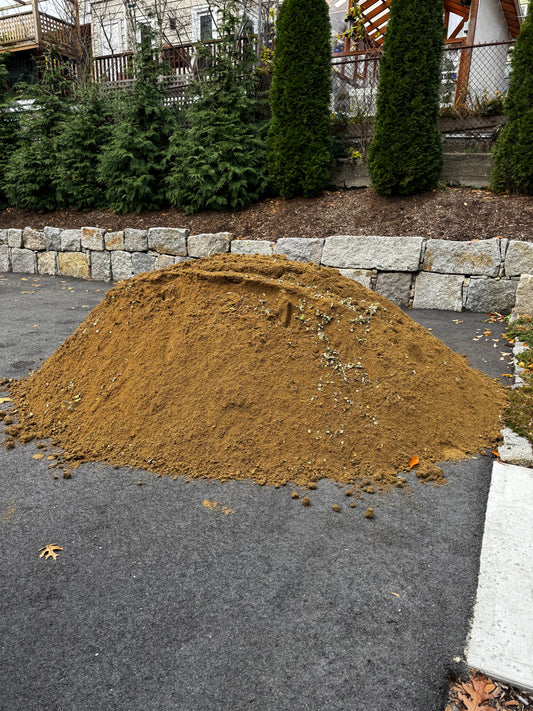
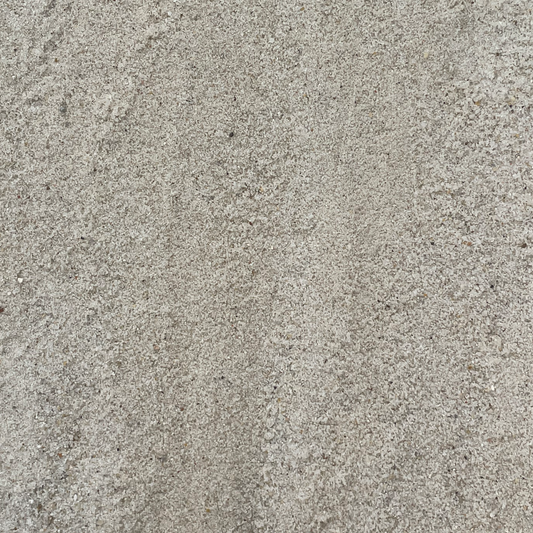
- If your soil tests sandy, add 0.1 cubic yards of Topsoil Loam ½" Screened to bulk up the bed.
Browse the Raised Garden Bed Materials collection for current per-yard rates and the Melrose Landscape Supply page for delivery to Wyoming Hill, Melrose Highlands, and Cedar Park.
Q: How deep, how far apart?
A: 2 inches deep, 6 inches apart. Break the garlic head into individual cloves the day before planting — leave the papery wrapper on each clove. Plant pointy end up. Cover with 2" of soil and tamp gently.
A 4×8 bed fits 64 cloves at 6×6 spacing — that's 4–6 lbs of garlic at harvest, depending on variety.
Q: What about mulch?
A: Apply 4 inches of straw mulch immediately after planting. Straw is better than wood mulch for garlic — it insulates the soil but doesn't acidify or compete for nitrogen. The mulch protects against winter freeze-thaw heaving that pushes cloves out of the ground.
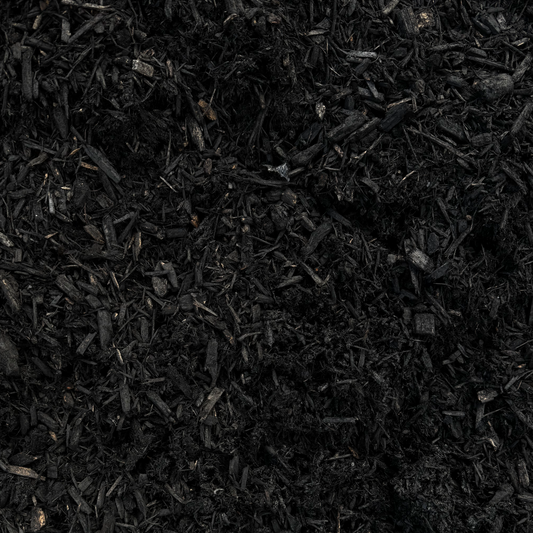
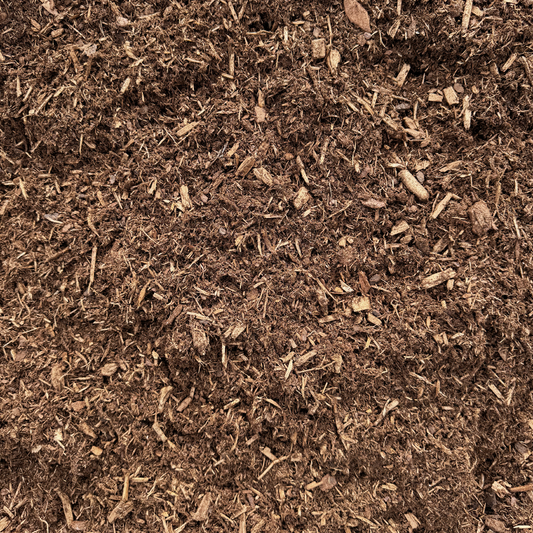
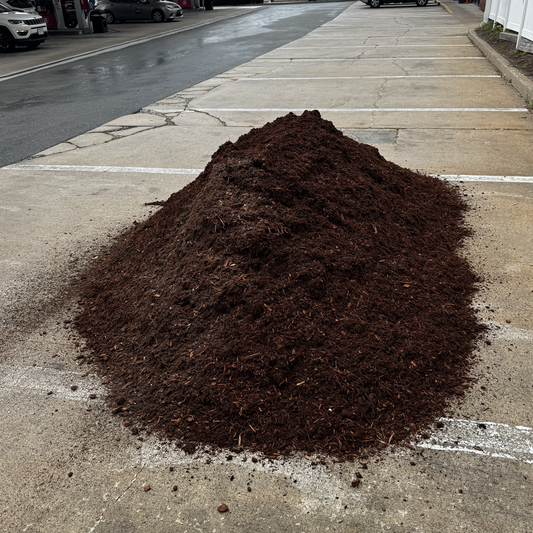
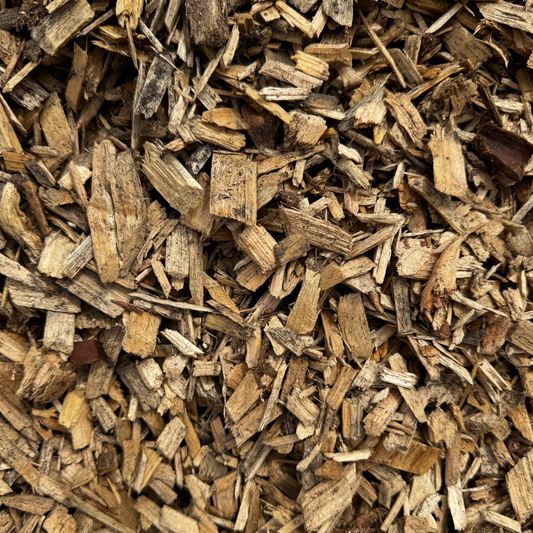
If you don't have straw, 3 inches of Pine Bark Mulch from the Mulch collection works as a backup. Pull it back 1" in March when shoots emerge.
Q: Where do I buy seed garlic?
A: Local farms or seed catalogs in August. Don't plant grocery-store garlic — it's bred for shelf life, not New England winters, and is often treated with sprout inhibitors. Local CSA farms in Middlesex County usually offer seed garlic in August and September.
Q: When do I harvest?
A: Mid-July, when the bottom 3–4 leaves brown. Stop watering 2 weeks before harvest. Dig — don't pull — bulbs out of the soil with a fork. Cure in a shaded, ventilated spot for 3–4 weeks before trimming and storing.
For Melrose-specific garlic timing in a typical year, see Top 5 Lettuce Varieties for Suffolk County Fall Beds for the parallel cool-crop calendar.
Q: Can I plant garlic in containers?
A: Yes, but use a deep container. A 5-gallon bucket or a 12"-deep planter works for 6–8 cloves. Use a quality garden mix with compost — a Garden Soil Mix or Horticultural Soil Mix from the Raised Garden Bed Materials collection.
Container garlic dries out faster — water more often, and bring containers under cover for the worst of February if temperatures crash below 0°F.
Q: What if I miss the October–November window?
A: Plant in early March as a fallback. Spring-planted garlic produces smaller bulbs but still yields a harvest by August. The fall window is preferable, but a March planting is better than skipping a year.
For the regional vegetable schedule beyond garlic, the UMass Extension Vegetable Program is the authoritative source for MA-specific timing and variety recommendations.