Quick Answer
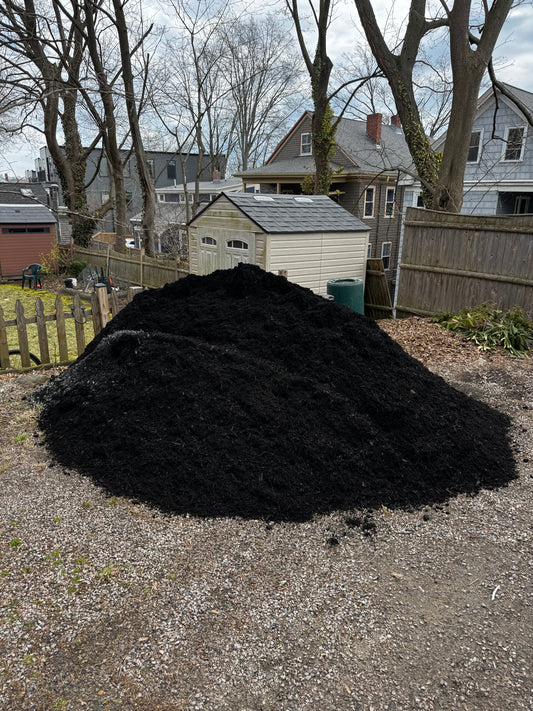
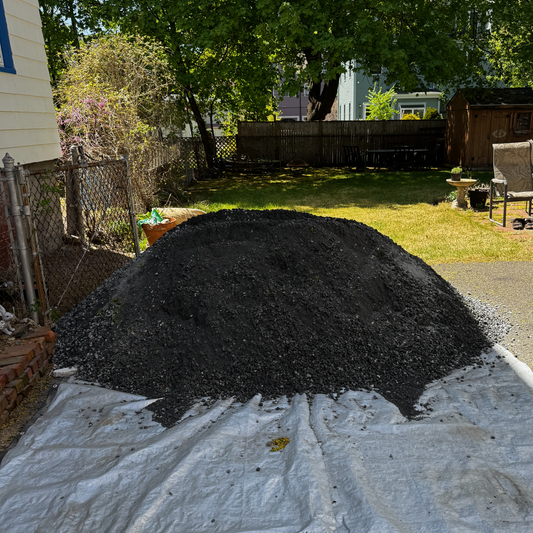
No, it's not too late to mulch in May in Plymouth County. May is fully inside the mulch window — soil is warm, weeds are emerging, and a fresh 2-inch layer locks in moisture for the summer heat ahead. The right call this week: top up beds that have dropped below a 2-inch total depth, focus on foundation beds and tree wells that bake first, and skip beds that already have healthy coverage. Earlier is better for weed suppression, but late May still beats no mulch.
The May Mulch Reality in Plymouth County
The 2026 spring mulch peak ran from late March through April. By May 1, the bulk of Plymouth County's residential mulch was already down — see the May 1 Plymouth County wrap-up. The properties that didn't get mulched in April are typically: late-arriving second-home owners, properties under renovation, or homeowners who deprioritized it during a busy spring.
Those properties — across Plymouth, Halifax, Kingston, Bridgewater, Middleborough — are looking at beds with exposed soil, emerging weeds, and a warming forecast. The right move is mulch, this week or next.
Q: Is it too late to mulch in May in Plymouth County?
A: No. Plymouth County mulch season runs March 15 through May 31, with the prime window being April 1–May 10. May 4 is squarely in the second-half window. The beds that benefit most from May mulching are foundation beds (heating up fast against sun-warmed siding), tree wells (need moisture protection before June heat), and any bed where you can see soil between plants.
The only "too late" comes in early July when the heat is set and the mulch can't establish before transpiration spikes. Through May, you're fine.
Q: How deep should I mulch in May?
A: Two inches total, including whatever's already there. A common mistake is dumping fresh mulch on top of existing mulch, ending up at 4–5 inches. That's harmful — water can't reach the soil, roots suffocate, and you create mulch volcanoes around trees.
The right method: rake the existing layer to fluff it. Measure depth. If you're at 1", add 1" of fresh. If you're at 1.5", add half an inch. Skip beds already at 2".
For the two-inch rule applied at scale, see The Two-Inch Mulch Rule for MA Beds — same depth, every bed.
Q: Should I remove old mulch before adding new in May?
A: Usually no. Old mulch is already breaking down into the soil — that's good. Pull out matted or moldy chunks and any visible weeds. Fluff what remains with a hand cultivator or stiff rake. Then top with fresh.
The exception is when the old mulch has compacted into a water-shedding crust (common in untouched beds with multiple years of layered mulch). In that case, scrape off the top half-inch crust, fluff the layer below, and top with fresh.
Q: Which Plymouth County beds benefit most from a May mulch refresh?
A: Foundation beds, tree wells, and vegetable borders, in that order.
- Foundation beds sit against sun-warmed siding and bake first. Mulch keeps soil moisture stable when air temperatures jump to the 80s in late May.
- Tree wells — the 3-foot ring around any tree — need 2 inches of mulch, never touching the trunk. The International Society of Arboriculture has the authoritative guidance on the donut shape, not the volcano.
- Vegetable garden borders benefit from mulch around the perimeter even if you're not mulching between rows — keeps weeds from creeping in from the lawn edge.
Browse the mulch bed refresh collection for the May delivery lineup.
Q: What mulch type works best for May application?
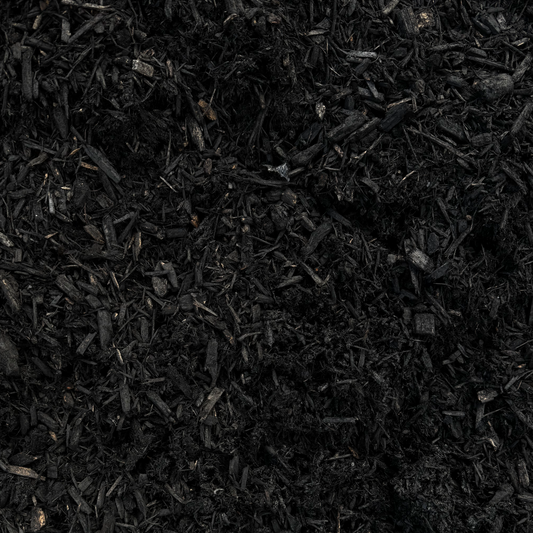
A: Aged hardwood for general beds, hemlock for foundation beds, pine bark for acid-loving plants.
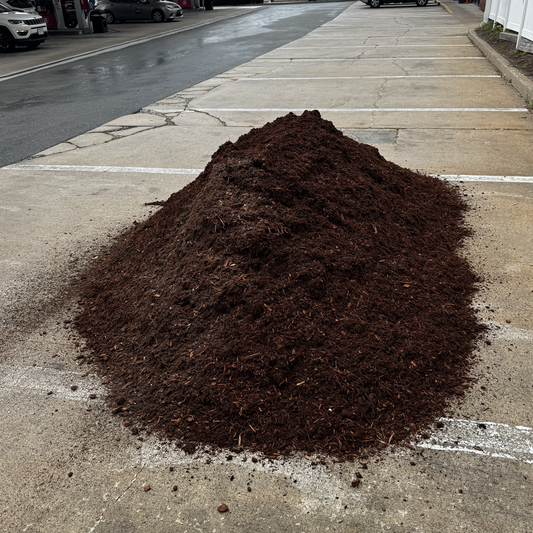
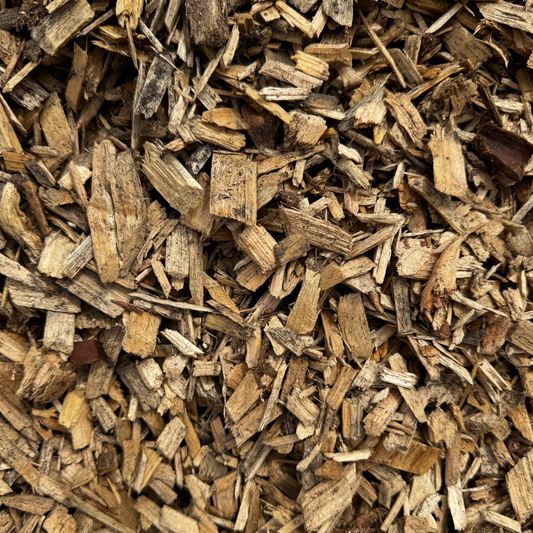
- Hardwood bark — most versatile, best price, breaks down at a moderate rate
- Hemlock — red color, slightly slower decomposition, premium look for visible front-yard beds
- Pine bark mini-nuggets — for azaleas, blueberries, hydrangeas — adds gentle acidity as it breaks down
- Avoid fresh-dyed mulches in May — heat accelerates color fade; you'll be touching up in July
For the hemlock case, see The Hemlock Mulch Story in a Cambridge Spring. For pine vs. hardwood, see Hardwood Mulch in a Brookline Brownstone Yard.
Q: Will May mulch suppress this year's weeds?
A: Partially. Most cool-season weed seeds have already germinated by May. A 2-inch mulch layer will smother existing small seedlings (those under 1 inch tall) and prevent new seed germination through the summer.
For visible larger weeds, pull them before mulching. The mulch layer suppresses but doesn't kill mature weeds.
For a Mother's Day prep version of this work, see 5 Last-Minute Mother's Day Garden Gifts You Can Pull Together This Weekend — a clean-edged, freshly mulched bed is one of the better gifts on the list.
Q: How much mulch do I need for a typical Plymouth County bed?
A: One cubic yard covers 162 sq ft at 2-inch depth. For common Plymouth County bed sizes:
- 4x20 foundation bed (80 sq ft) — 1/2 cubic yard for full 2"; 1/4 yard for a 1" top-up
- 6x30 perennial border (180 sq ft) — 1.1 cubic yards for full 2"
- Tree ring (3-foot radius, 28 sq ft) — 1/6 cubic yard
For mixed annuals refresh in already-mulched beds, see 5 Annuals to Pop Into a Just-Mulched Brookline Bed Without Damaging Roots.
Q: Does Ottr deliver mulch through May?
A: Yes — full Plymouth County delivery through May and into early June. Lead times shorten after May 10 as the spring rush thins. By Memorial Day weekend, demand drops to top-ups and back-yard projects. Browse the Plymouth County landscape supply catalog for current delivery windows, or check the UMass Extension Landscape calendar for regional timing on companion tasks.
For compost-side decisions to mix in with the mulch layer, the US Composting Council STA program lists quality-tested compost suppliers.
What This Means for You
If your Plymouth County beds aren't mulched yet, this week is the right week. If they're partly mulched, top them up to a 2-inch total. If they're fully mulched and clean-edged, skip the mulch work and put your Sunday into containers or perennials instead. The window stays open through May 31; the heat starts pushing hard after that.