Quick Answer
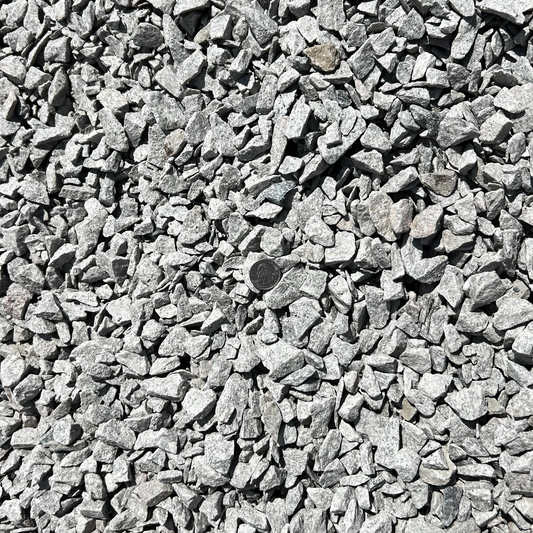
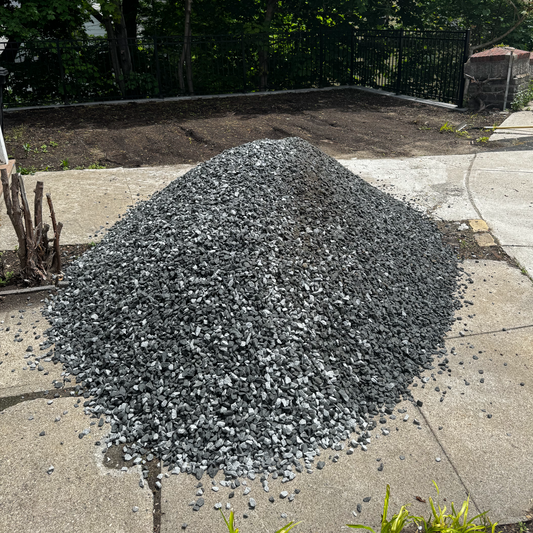
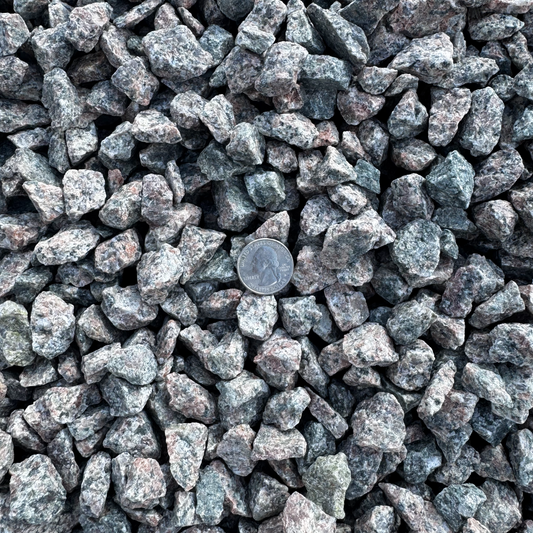
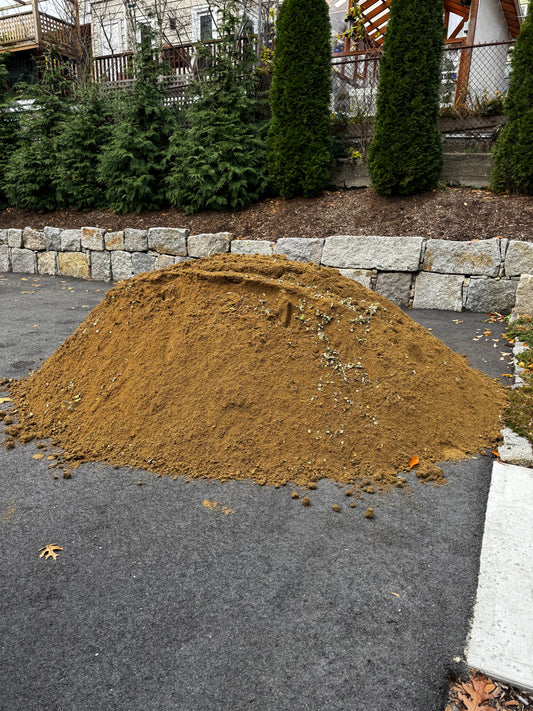
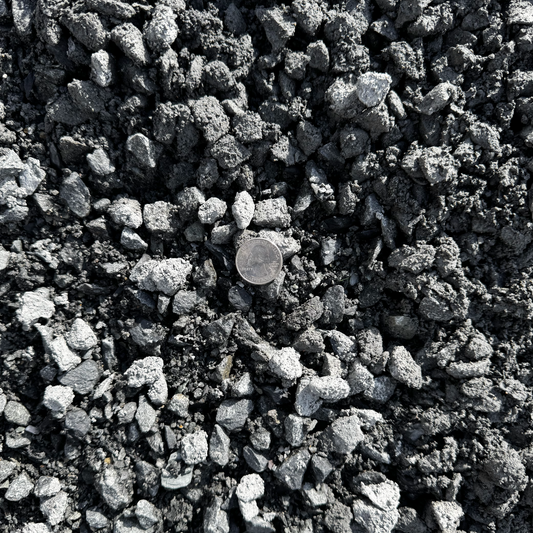
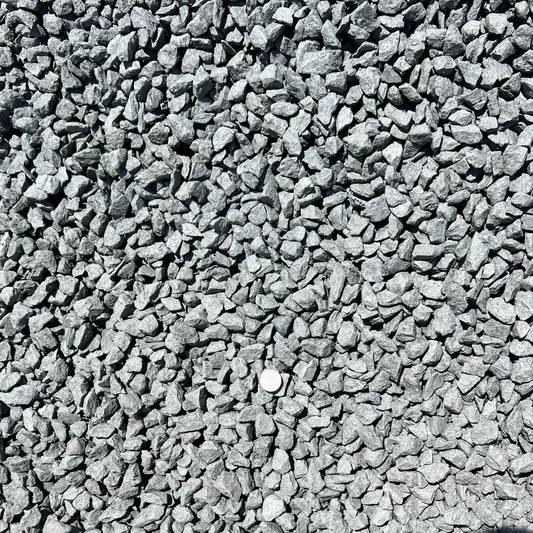
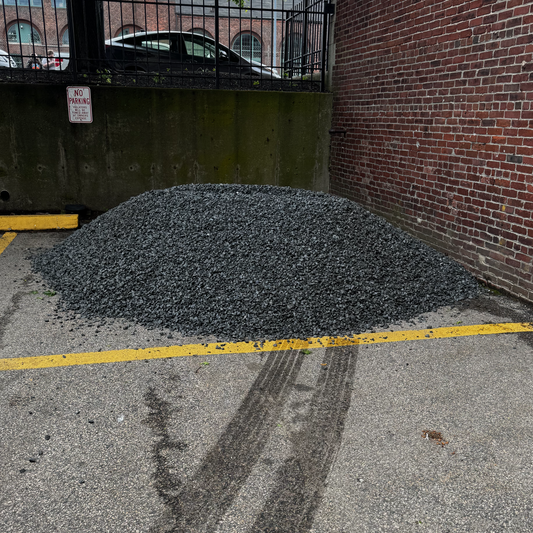
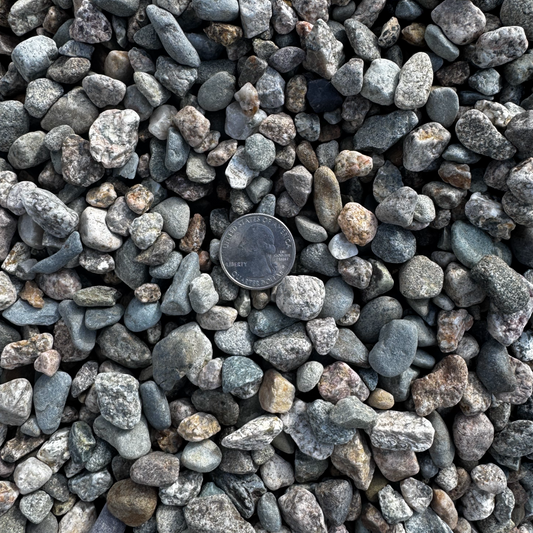
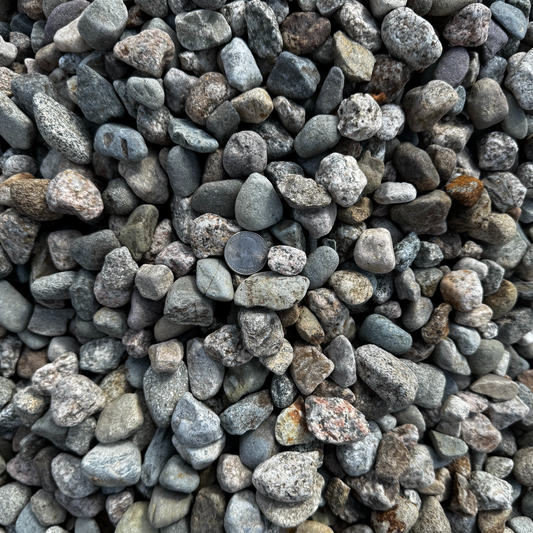
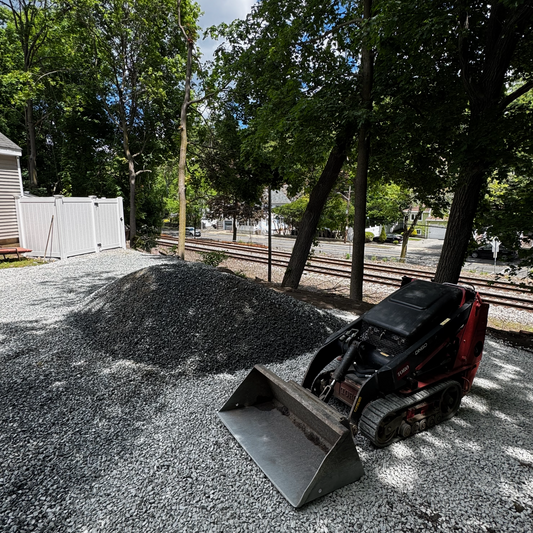
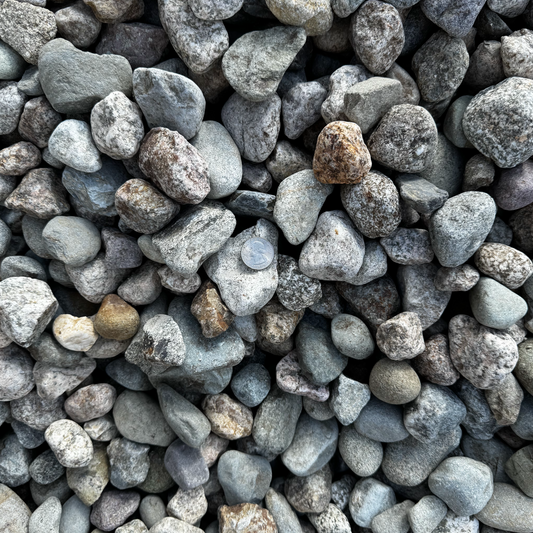
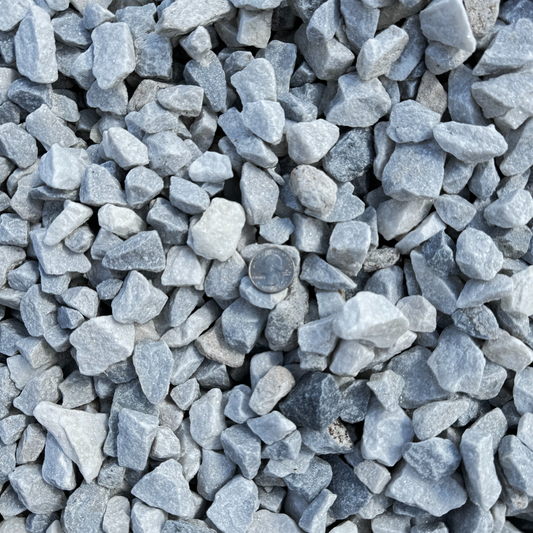
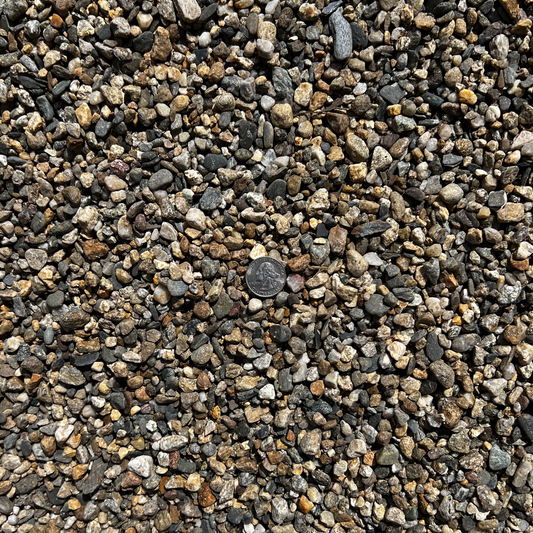
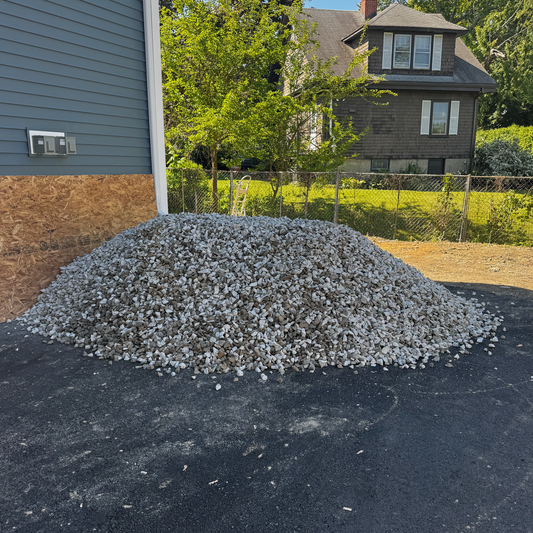
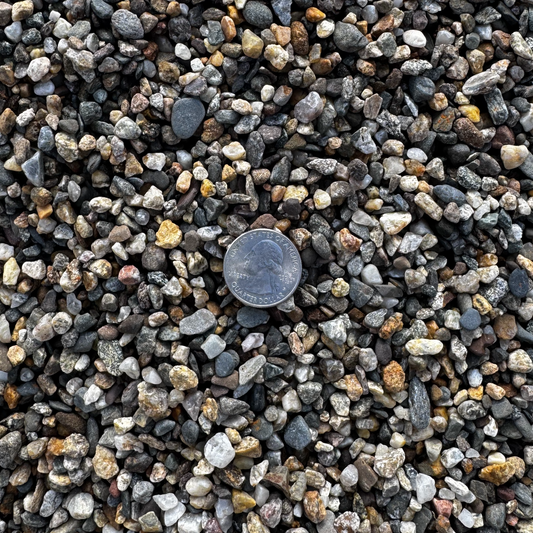
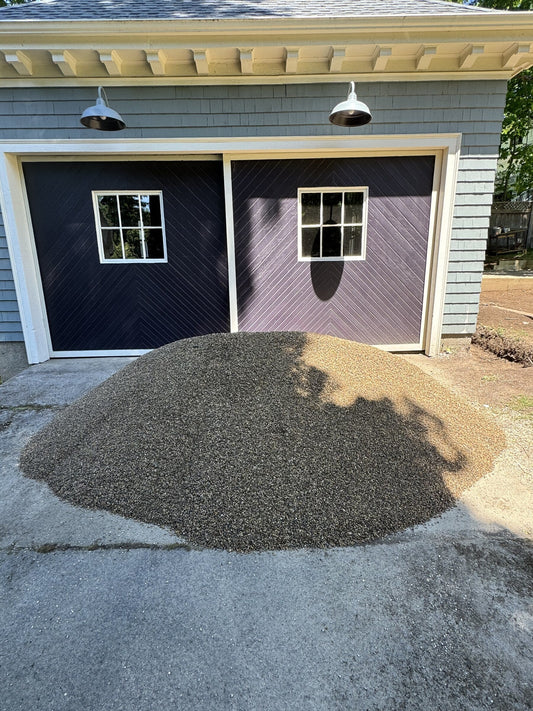
Use Dense Pack ¾" to minus as the base under any Massachusetts shed. A 10x12 shed pad needs 1.5 cubic yards spread 4 inches deep across a 12x14 footprint, compacted in two 2-inch lifts over woven landscape fabric. The pad lasts 20+ years through MA freeze-thaw cycles, costs less than $200 in materials, and outperforms every alternative under actual residential load.
Why the Same Spec Works Statewide
MA soils vary — coastal sand, glacial till, river clay, granite outwash — but the engineering principle is universal: a free-draining, compactable layer under the shed eliminates the differential settlement that twists floors and binds doors. The ICPI hardscape standards specify Dense Pack ¾" to minus as the residential standard for outbuilding pads. It's the same product Ottr ships to Suffolk County, Plymouth County, Berkshire County, and everywhere in between.
For Suffolk-specific neighborhood guidance, see the What Stone Goes Under a Suffolk County Shed Foundation? read from April 10. Browse the crushed stone collection for current per-yard pricing.
Q: What stone goes under a Massachusetts shed foundation?
A: Dense Pack ¾" to minus. The ¾-inch screen size compacts hard, the fines lock the larger pieces in place, and water drains through to the soil below. It's the standard across all MA counties.
Q: How much stone do I need for a 10x12 shed?
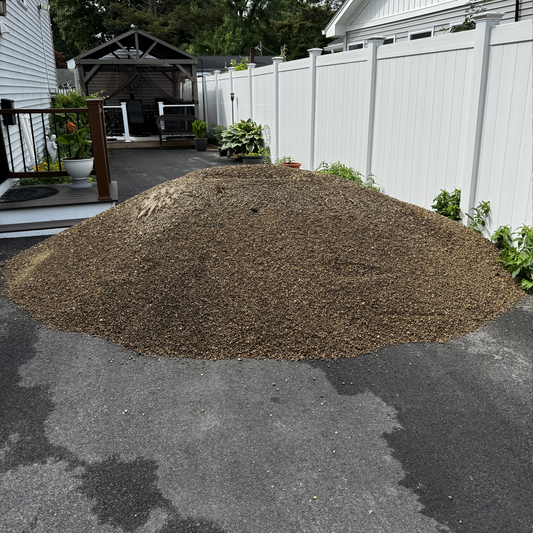
A: 1.5 cubic yards. The full math: 12 ft × 14 ft × 0.33 ft (4 inches) = 55.4 cubic feet ÷ 27 = 2.05 cubic yards rough. Subtracting compaction loss and typical waste, the standard order is 1.5 cubic yards spread to a finished 4-inch depth. For a different size shed, scale the rectangle proportionally — see the How to Calculate Raised Bed Soil Volume for a Duxbury 4x8 read for the same volume math applied to garden beds.
Q: Do I need gravel under a pre-built shed delivered on skids?
A: Yes. The skids distribute load across two 2x6 runners, but those runners sit directly on whatever surface is below. Without a stone pad, the skids sink unevenly into MA loam or clay within one season. The shed twists, doors stop closing, and floor joists crack.
Q: Can I use Crushed Concrete instead of Dense Pack?
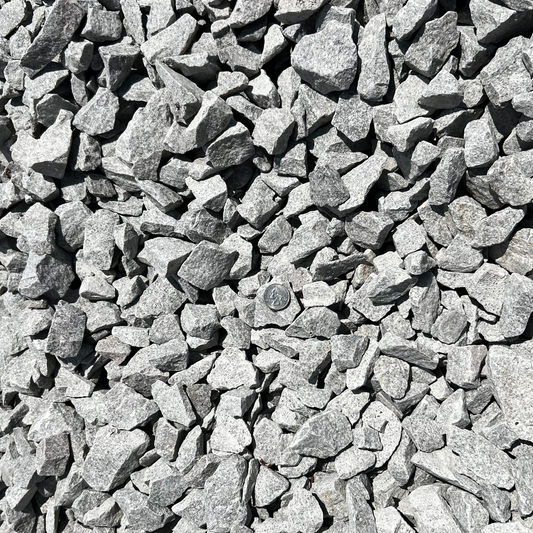
A: Yes — Crushed Concrete 1" to minus. Recycled material, less expensive, performs nearly identically for residential shed pads. Skip it only if the shed will eventually be wired (concrete fines can interfere with electrical grounding) or if the shed sits on visible high ground where appearance matters.
Q: Should I dig out the topsoil before laying stone?
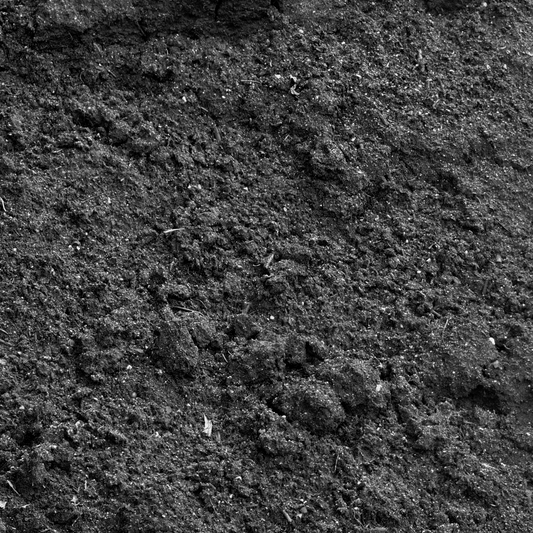
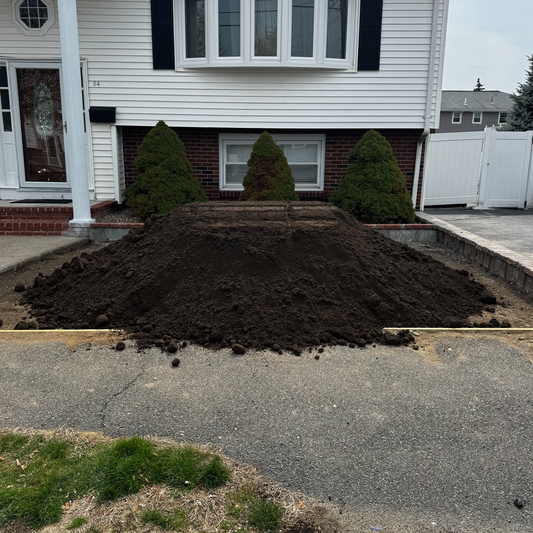
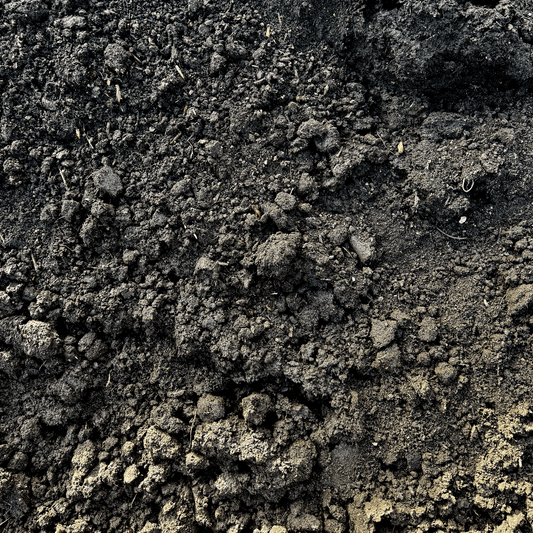
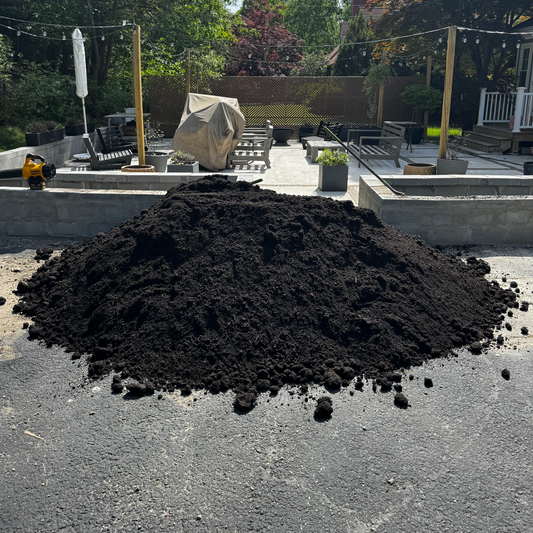
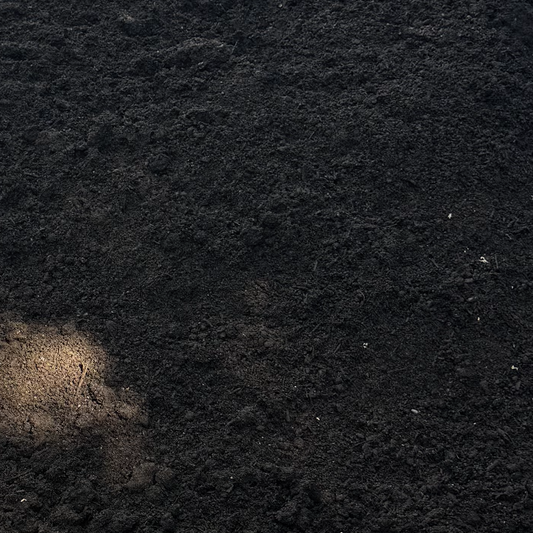
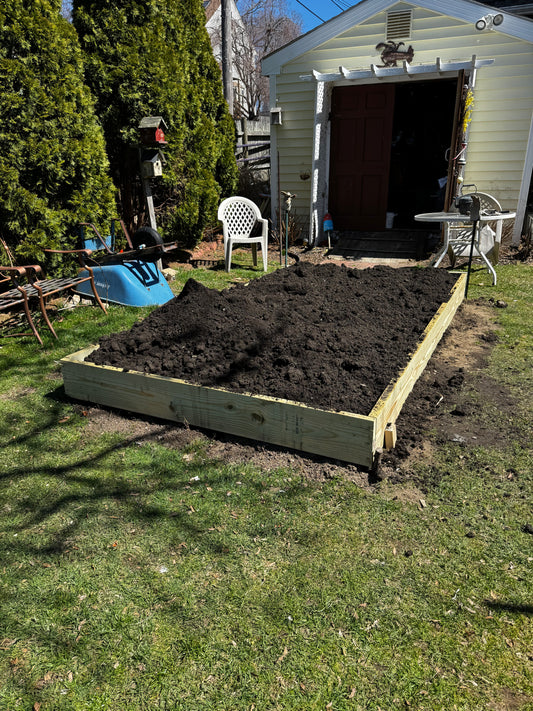
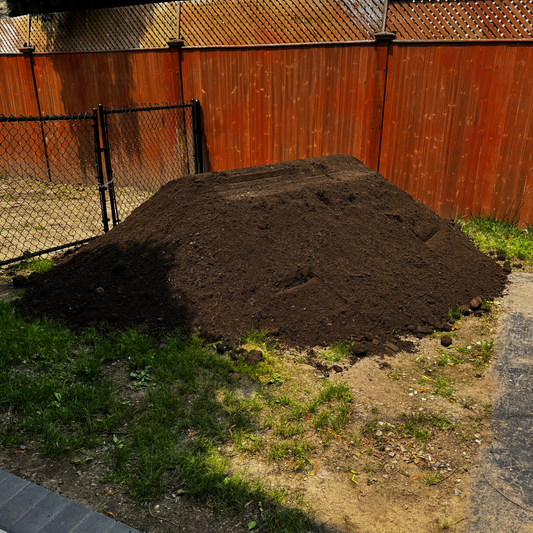
A: Yes — 6 inches of topsoil minimum. Topsoil is organic and compresses unevenly; the stone pad needs to sit on firmer subsoil. Use the removed topsoil for raised beds (see the How to Build a Cedar Raised Bed in a Hingham Backyard read) or for backfilling around the pad edges.
Q: Is woven landscape fabric necessary?
A: Yes. Woven fabric blocks weed root penetration while letting water through. Skip it and crabgrass and Bermuda grass push up between joists within three growing seasons. Use 6-inch overlaps at fabric seams.
Q: How big should the pad be relative to the shed?
A: 12 inches larger on each side. A 10x12 shed gets a 12x14 stone pad. The overdig stabilizes the edges and gives room for edging or a stone-dust apron. Without overdig, the perimeter slumps after the first heavy rain.
Q: When's the best time to build a shed pad in MA?
A: April 15 through November 15. Frozen ground doesn't compact properly. The freeze-thaw cycle pushes any hastily-built winter pad up by 1 to 2 inches in February. Build in the stable window — see the Half-Moon Edger vs Power Edger for a Norfolk County Bed Edge read coming up April 29 for the perimeter tools that finish the job.
The Universal MA Shed Pad Build Order
- Lay out 12x14 area for a 10x12 shed.
- Excavate 6 inches deep across the full pad area.
- Lay woven landscape fabric with 6-inch seam overlaps.
- Spread Dense Pack ¾" to minus 2 inches deep and compact with a plate compactor (3 passes).
- Spread a second 2-inch lift of Dense Pack and compact again.
- Check level in two directions with a torpedo level on a long board.
- Set the shed within 7 days.
For the upcoming Top 5 Decorative Stone Choices for Norwell Yards read on April 16, the same family of stone choices applies to fire-pit pads and garden focal points. The 2026 follow-up on the larger fire-pit-pad pillar in Plymouth is the 2026 fire pit pillar Plymouth read.
What This Means for You
One material, one universal spec, 20+ years of life under any MA shed. Order Dense Pack through the Ottr catalog for delivery anywhere in eastern Massachusetts and Rhode Island. Skip the pad and you're rebuilding in 2030.