Quick Answer
A stone fire pit in a Plymouth backyard is a one-weekend build for two people: excavate a 12-foot circle 6 inches deep, lay 3 inches of compacted 3/4" crushed stone, set a steel ring liner inside three courses of stacked wallstone (36-inch interior), and surround with a 3-foot pea stone apron. Total materials for a residential pit: about 2 cubic yards base stone, 1 cubic yard pea stone, and 40–50 wallstones. Keep the assembled ring 25+ feet from any structure per MA Fire Services.
The Plymouth Fire Pit Pillar
This is the complete build guide for a Plymouth backyard. Whether you're in West Plymouth on a wooded lot, off Long Pond Road on an open meadow, or in the historic district on a tighter parcel, the engineering is the same. The variables are stone selection, apron size, and proximity to neighbors.
For stone selection guidance, 5 Stones That Make a Plymouth County Fire Pit Look Built In walks through fieldstone, granite, bluestone, limestone, and basalt. For a smaller-format pea-stone pad variant, see Building a Pea Stone Fire Pit Pad in a Duxbury Backyard in One Saturday. For a related Hanover ring build, see How to Build a Stone Fire Pit in a Hanover Backyard.
This pillar is the full sequence end-to-end.
Step 1: Site Selection and Setbacks (30 minutes)
Walk the yard with a tape measure. The pit needs:
- 25 feet from any structure (house, deck, garage, shed, fence)
- 10 feet from low-hanging branches
- Open sky above — no canopy
- Level ground within a 12-foot radius
- Drainage downhill away from any structure
Plymouth town outdoor-burning ordinances mirror the MA Department of Fire Services baseline. Confirm your specific property's setback requirements with the town clerk if you're near a wetland buffer or a private well.
Step 2: Mark the Excavation (15 minutes)
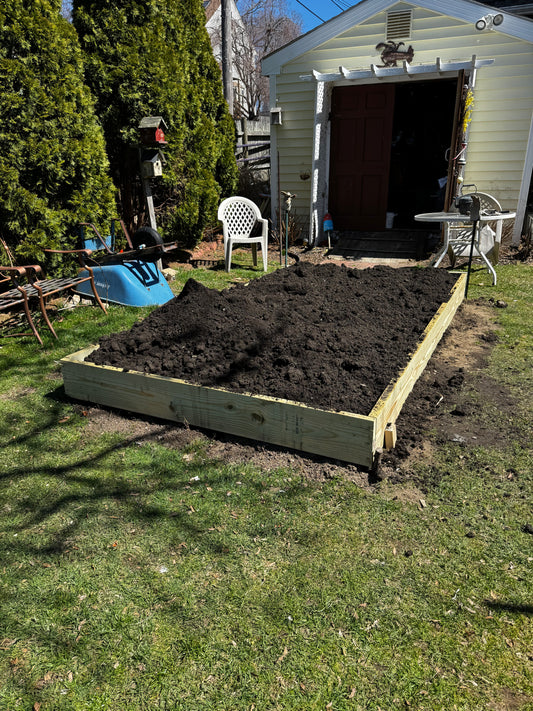
For a 36" interior pit with a 3-foot pea stone apron, excavate a 12-foot diameter circle. Drive a stake at center, tie a 6-foot string, walk it around with marking paint or a garden hose laid as a guide.
Step 3: Excavate (90 minutes)
Dig down 6 inches across the whole circle. Save the topsoil for elsewhere — don't put it back. Tamp soft spots in the bottom with the back of the shovel. The bottom should be roughly level (within 1 inch across the diameter).
Step 4: Lay Landscape Fabric (15 minutes)
Cut woven fabric to overhang the dig by 6 inches. Woven fabric blocks weed roots without holding water. Don't use non-woven; it traps water and defeats the drainage purpose of the stone base.
Step 5: Base Stone Course (60 minutes)
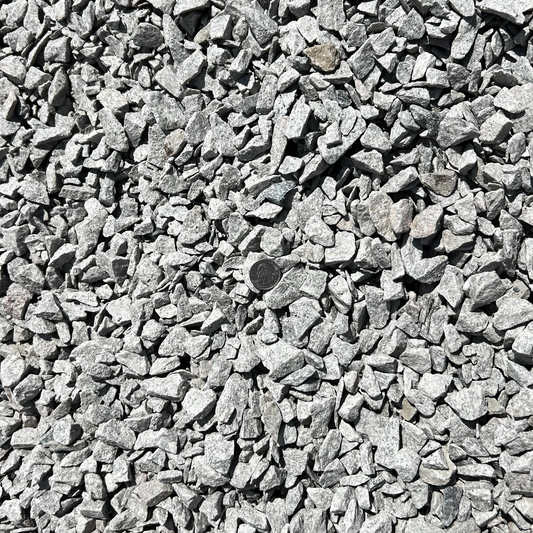
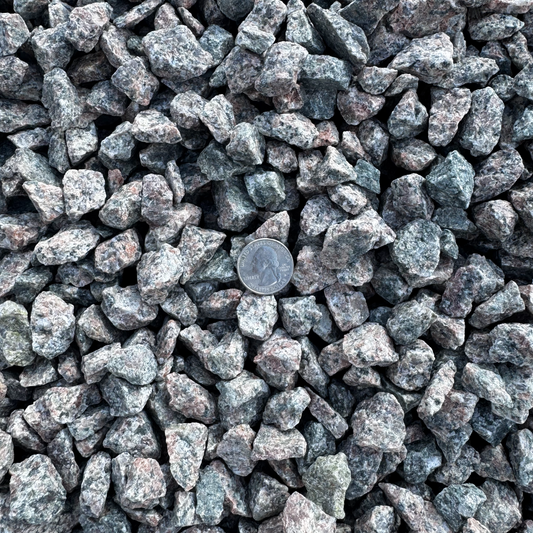
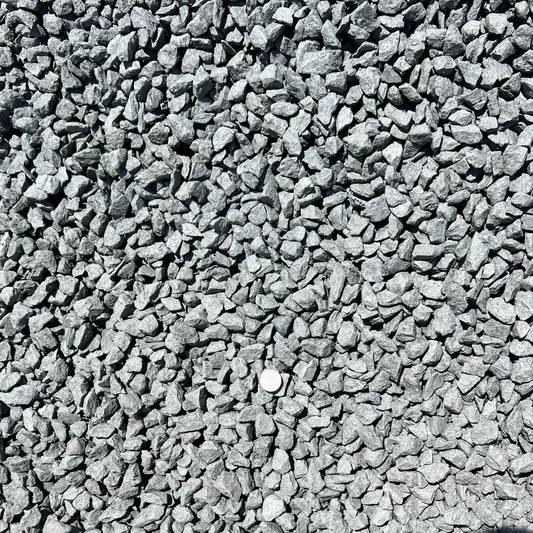
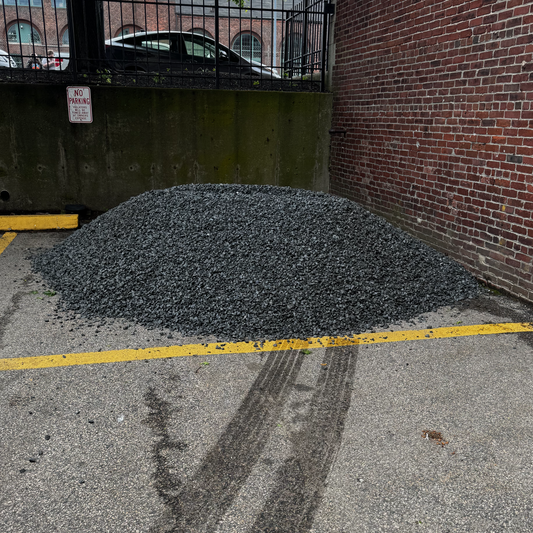
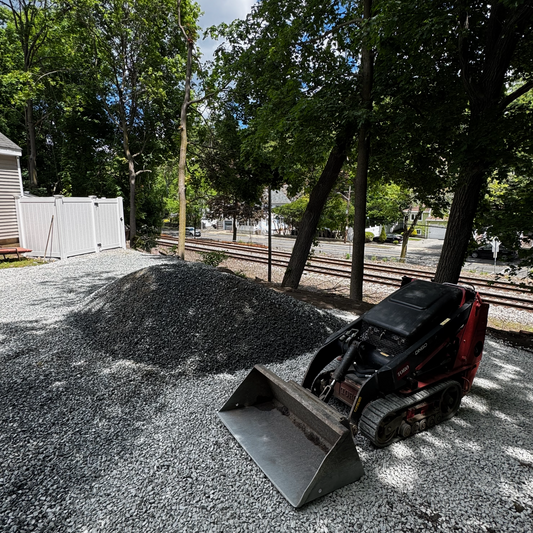
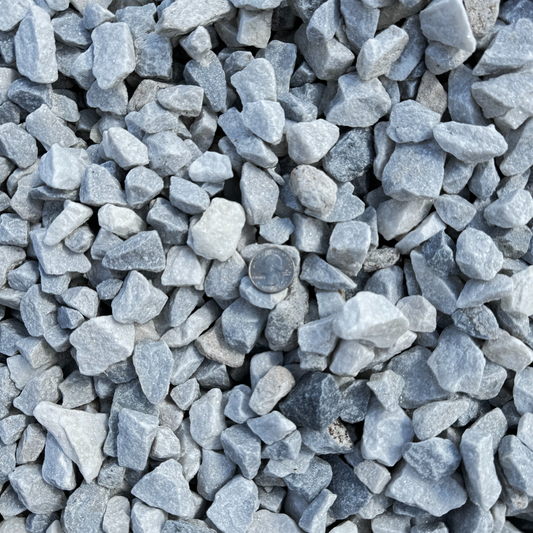
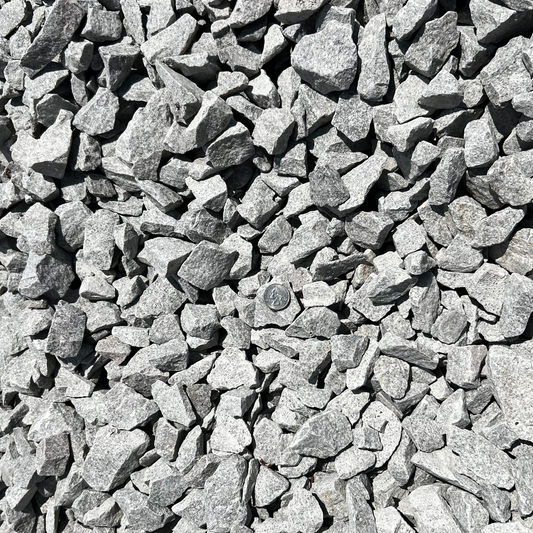
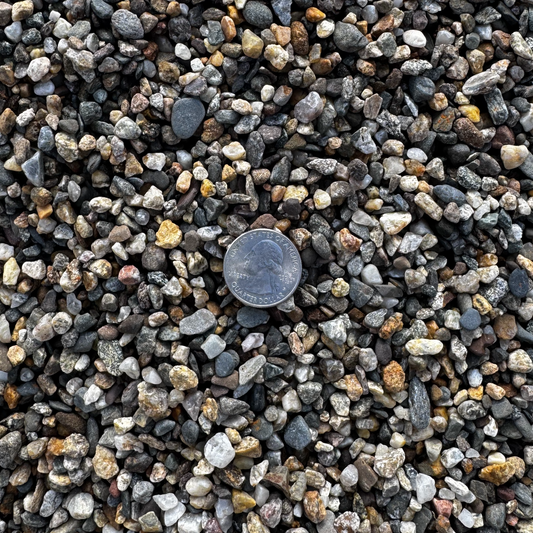
Spread 3 inches of 3/4" crushed stone evenly across the fabric. Rake flat. Compact with a rented plate compactor in two passes — perimeter first, then crosswise. The base must ring solid; soft spots = ring shifting.
The base-prep matches what ICPI hardscape standards call for in any structural stonework. Don't skip the compaction — it's the difference between a ring that holds plumb for ten years and one that needs rebuilding in three.
Step 6: First Course of Wallstone (90 minutes)
Lay the first ring of wallstone directly on the compacted base. Aim for 36-inch interior diameter. Each stone should sit flat with no rocking — adjust with a small handful of crushed stone or sand under the low side if it wobbles.
Run mason line across the diameter to confirm the circle stays round. The first course sets every course above it; budget the time and get it right.
Step 7: Drop the Steel Ring Liner
Set the 36-inch steel ring inside the first course of wallstone. The liner protects the back face of the stones from direct flame. Without it, wallstone will spall and crack from heat shock over time. With it, the stone ring lasts 15+ years.
Step 8: Stack Two More Courses (90 minutes)
Stack the second and third courses of wallstone on top, offsetting the joints like brickwork. Each stone should bridge the seam below. Use a level on each course — a fire ring leaning by even 1/2 inch becomes obvious by the third stone.
For a four-course taller ring, add the fourth course the same way. Three courses is the standard residential height (about 14 inches above the apron).
Step 9: Pea Stone Apron (45 minutes)
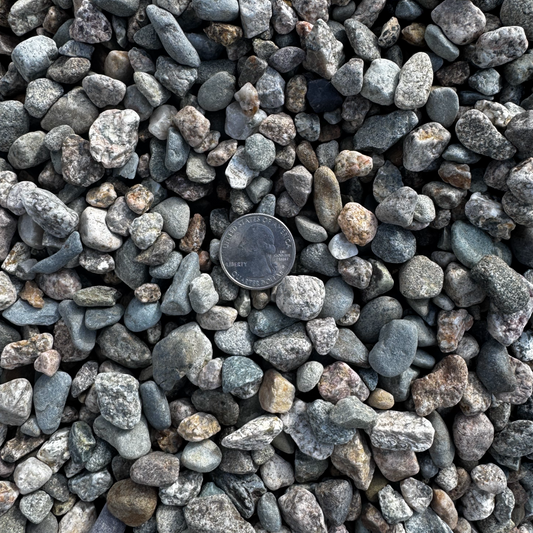
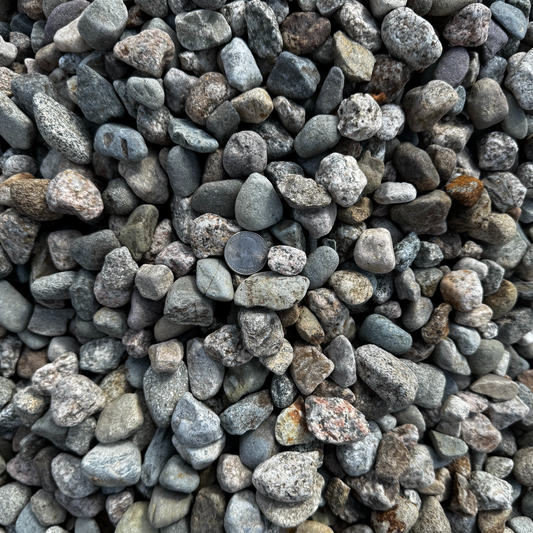
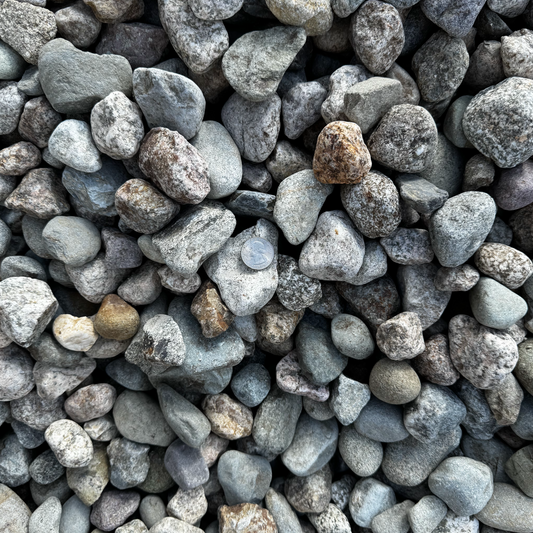
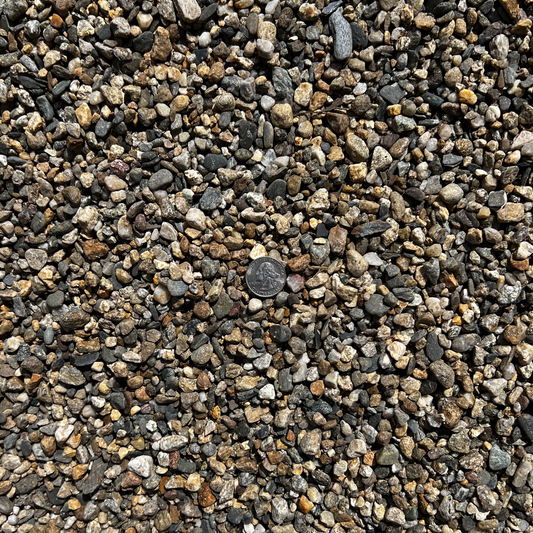
Spread 2 inches of pea stone evenly across the remaining excavation around the ring. Don't compact — pea stone is meant to give underfoot. The apron drains instantly, won't catch embers like wood mulch, and is comfortable for chair placement.
For the comparison between pea stone and other apron stones, see Pea Stone or River Rock: Which Is Better for a Norwell Pool Border? — same trade-offs apply for a fire pit apron.
Step 10: First Burn
Build a small kindling fire first. Watch for any stone leaning, smoke not drawing cleanly, or stress fractures. Let it burn down to coals naturally — don't quench with water on the first burn (thermal shock can crack stone).
Materials Summary
For a 36" interior, three-course wallstone fire pit with a 3-foot pea stone apron:
- 2 cubic yards 3/4" crushed stone (base)
- 1 cubic yard pea stone (apron)
- 40–50 wallstones (3 courses around 36" diameter)
- 1 steel ring liner (36" interior)
- ~110 sq ft woven landscape fabric
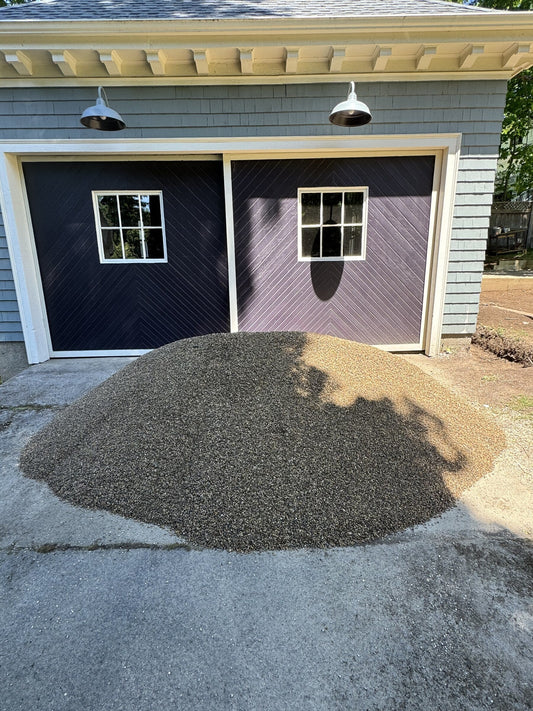
Order the bulk stone delivered together. Browse the decorative stone collection for wallstone, fieldstone, and pea stone by the cubic yard or pallet.
Cost Range for a Plymouth Build
Materials only: typically $500–$900 depending on stone selection (granite wallstone runs lower, fieldstone runs mid, premium bluestone runs higher). Tool rental (plate compactor): $80–$120 for the day. Total weekend cost: most builds come in $700–$1,000.
A stoneyard mason building the same pit charges $2,500–$4,500 in eastern MA. The DIY savings is real for a homeowner with a willing partner and a Saturday.
What This Means for You
A weekend, eight hours of real work, and a stone fire pit that anchors the Plymouth backyard for a decade. Order the stone together — Ottr delivers across Plymouth landscape supply routes — and have the materials staged before Saturday morning.
For Memorial Day–weekend projects after the pit is in, see 5 Final Spring Cleanup Tasks for Boston Yards Before Memorial Day Weekend.