Quick Answer
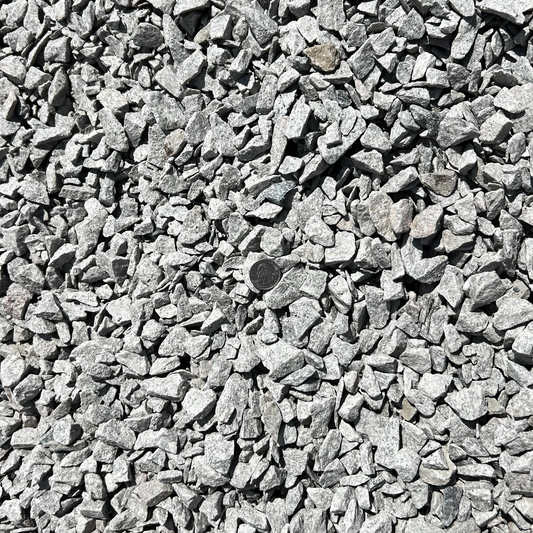
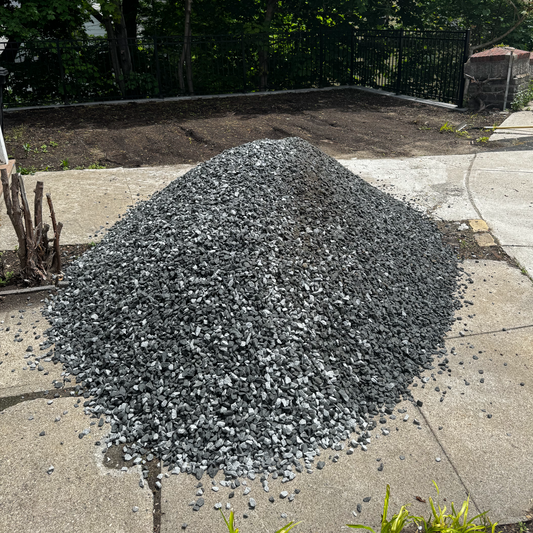
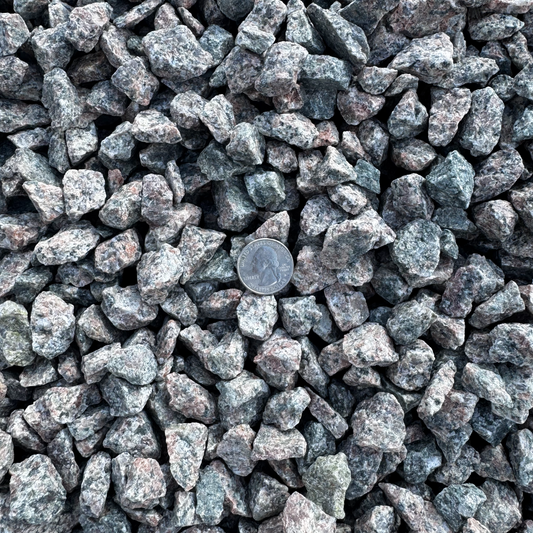
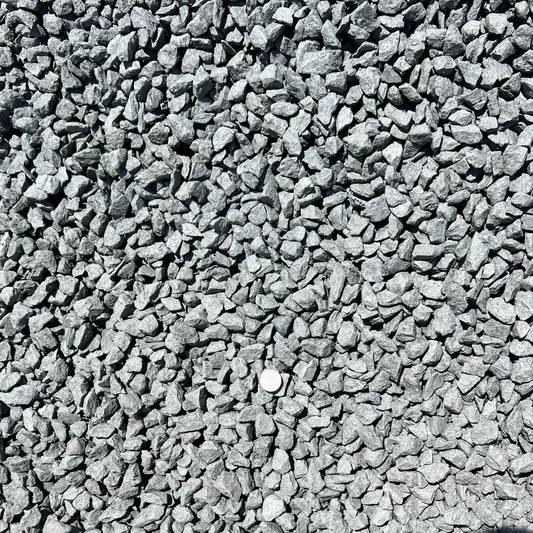
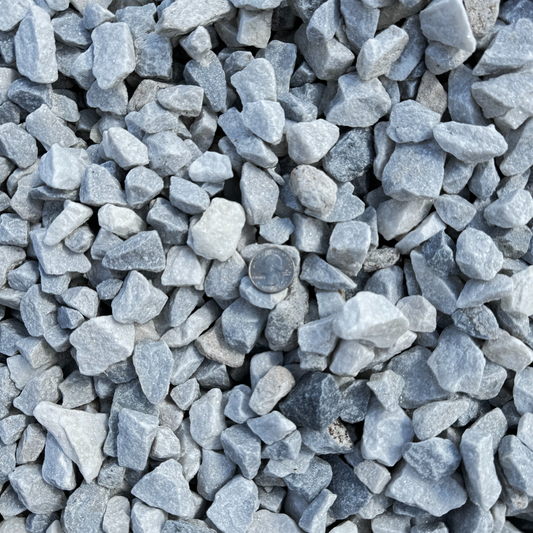
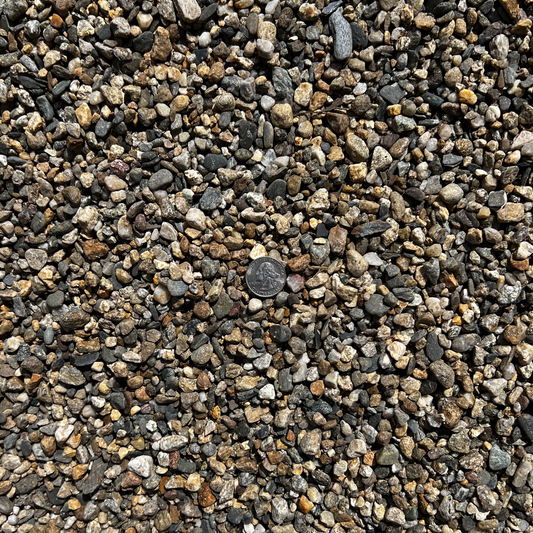
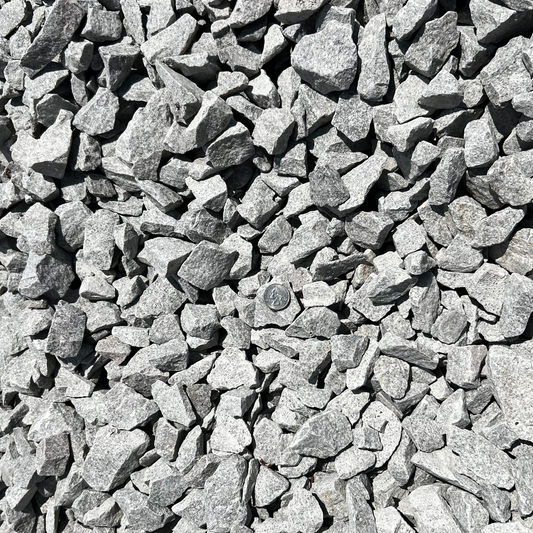
The five stones that make a Plymouth County fire pit look like it grew out of the yard: New England fieldstone (the local-character pick), granite wallstone (the architectural pick), bluestone (the modern-clean pick), weathered limestone (the warm-tone pick), and basalt cobble (the dark-contrast pick). Pair any of these with a 3/4" crushed stone base and a pea stone apron and you've built a hearth that ages with the yard, not against it.
What "Built In" Actually Means
A fire pit looks built in when the stone reads like it was always there — same palette as the foundation, the walks, the existing wallstone retaining edges. In Plymouth County, where most yards have at least some glacial erratic showing through and most older homes have fieldstone foundations, the natural pick is local.
But the right stone depends on the house style. A Carver farmhouse calls for fieldstone; a modern Hingham build calls for bluestone; a Plymouth Cape Cod-style build splits the difference with granite wallstone. Below: how each one sits in a yard.
Browse the full decorative stone collection for current per-ton or per-pallet pricing.
#1 — New England Fieldstone (Best for: traditional homes, woodland settings)
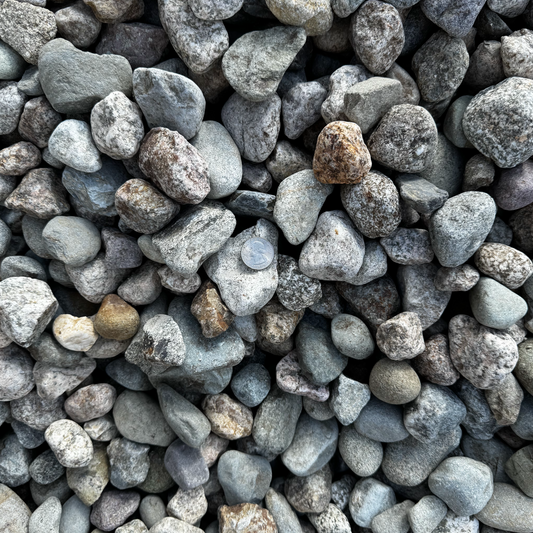
Hand-collected, weathered, irregular surfaces with moss already starting on the back side. The stone Plymouth County was built with — every old foundation in Bridgewater, Plympton, and Halifax has it. A fieldstone fire ring looks 50 years old the day it's finished.
Wins when: The house is pre-1960. The yard backs to woods. There's existing fieldstone showing in the foundation, a wall, or as glacial erratic boulders nearby.
Stops winning at: Tight modern minimalist builds — the irregular edges read as cluttered.
Specs: Variable thickness 4–8 inches; needs careful selection at the yard for matched-thickness courses. For full ring construction, see How to Build a Stone Fire Pit in a Hanover Backyard.
#2 — Granite Wallstone (Best for: most homes, architectural reads)
Quarried, split-face granite cut to consistent thicknesses (typically 4-inch or 6-inch). Stack like LEGOs. The classic Plymouth County wallstone — used in retaining walls, garden borders, and now fire pits.
Wins when: The home is mid-century or newer. The yard already has granite wallstone retaining or edging. You want clean architectural lines without the cottage-y look of fieldstone.
Stops winning at: Period restorations where fieldstone is the right historical match.
Specs: Square-edge or split-face. Split-face reads more rustic; square-edge reads more architectural. Available by the pallet at Ottr.
#3 — Bluestone (Best for: modern builds, contemporary aesthetics)
Pennsylvania bluestone — the bluish-gray flagstone that became ubiquitous in 2010s patios. As a fire pit ring, bluestone reads modern and clean. Best laid as larger 12–18" face stones with tight joints.
Wins when: The house is a 2000s-or-newer build. The patio is already bluestone. The aesthetic is intentional and contemporary.
Stops winning at: Stone is more thermal-shock prone than granite. Don't quench with cold water on a hot ring.
Specs: Look for 4-inch thick bluestone for ring courses. Surface flagstone (1.5–2" thick) is too thin for ring duty.
#4 — Weathered Limestone (Best for: warm-tone palettes, brick coordination)
Limestone in tan, buff, or champagne tones. Pairs beautifully with brick walks, brick foundations, and warm-toned vinyl siding. Less common in Plymouth County than granite or fieldstone but gorgeous when it matches the house.
Wins when: The house has brick or warm-toned siding. The garden palette runs warm — daylilies, black-eyed Susans, brown-toned mulch.
Stops winning at: Cold-toned modern homes (gray siding, dark trim) — limestone reads off there.
Specs: Choose weathered or tumbled finishes; sharp-cut limestone reads too commercial for residential. For more on coordinating mulch color with stone choice, see Black, Brown, or Natural? Picking a Mulch Color That Matches Cambridge Brick.
#5 — Basalt Cobble (Best for: dark-contrast modern builds)
Round, dark, weathered basalt — the dramatic pick. As a fire pit ring, basalt cobble reads like a Japanese garden element. Smaller stones than the others, set tight in mortar or dry-laid with care.
Wins when: The home reads modern with dark accents. The garden is structured (boxwood, ornamental grasses, gravel beds rather than mulch beds).
Stops winning at: Traditional yards — basalt reads anachronistic next to clapboard.
Specs: Hand-selected from a stoneyard; not typically sold by the cubic yard. Plan a yard visit. Pair with a pea stone or basalt-chip apron — see Building a Pea Stone Fire Pit Pad in a Duxbury Backyard in One Saturday for the apron build.
Pairing the Stone with the Apron
The ring is half the story. The apron — the surface around the ring where the chairs sit — is the other half:
- Fieldstone or granite ring → pea stone or 3/8" decomposed stone apron
- Bluestone ring → bluestone flagstone apron (matching) or pea stone
- Limestone ring → buff-tone pea stone or pea-gravel apron
- Basalt ring → basalt chip apron or dark pea stone
The apron should match or quietly complement the ring. Loud contrast reads accidental.
Plymouth County Fire Code Reality
Whichever stone you pick, the engineering is the same. Ring at least 25 feet from any structure. Steel liner inside the stone if you'll burn frequently. No flammable apron material (no wood mulch). Hose nearby on burn nights. The MA Department of Fire Services outdoor burning guidance is the authoritative source on residential pit safety.
For paver and stone hardscape engineering generally, ICPI standards cover the base prep that any of these five stones share.
What This Means for You
Pick the stone that reads as inevitable on your property — the one a visitor would assume came with the house. Order it stacked on a pallet from Ottr; we deliver across Plymouth County landscape supply routes alongside the base stone and pea stone apron material. For the full pillar build sequence, see How to Build a Stone Fire Pit in a Plymouth Backyard: A 2026 Guide.