Quick Answer
A standard Duxbury 4x8 raised bed at 12 inches deep needs 0.99 cubic yards of fill (0.79 yd of Garden Soil Mix plus 0.2 yd of Compost as a top blend). Math: 4 ft x 8 ft x 1 ft = 32 cubic feet, divided by 27 cubic feet per yard = 1.18 yd gross — but with a 70/30 soil-to-compost blend and 1 inch of settling room, you order 1 cubic yard total and finish flush by Memorial Day.
Why the Math Matters in Duxbury
Duxbury's sandy coastal-plain soils don't hold water or nutrients in a raised bed unless you bring in real volume. Underfill the bed and the roots hit native sand by July. Overfill and the bed crowns, sheds water, and washes mulch onto the lawn after the first thunderstorm. The right answer is one cubic yard for a 4x8x12-inch bed — calculated, not guessed.
For the cedar-frame build that matches this calc, see the How to Build a Cedar Raised Bed in a Hingham Backyard walkthrough — same dimensions, same fill spec.
What You Need
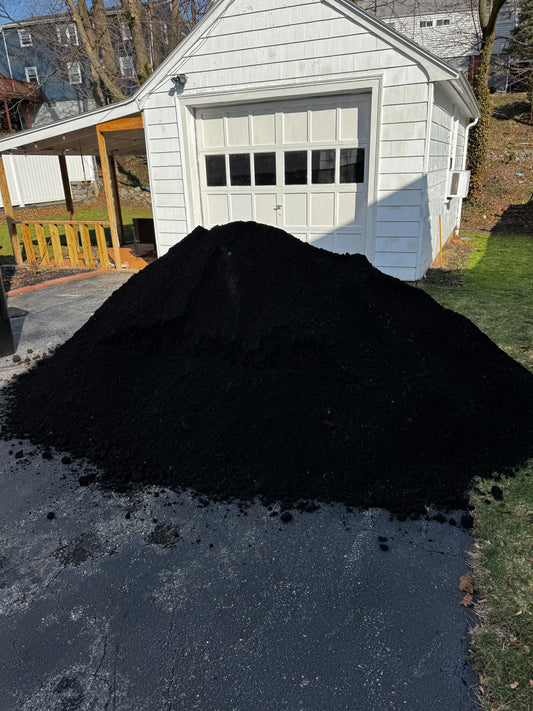
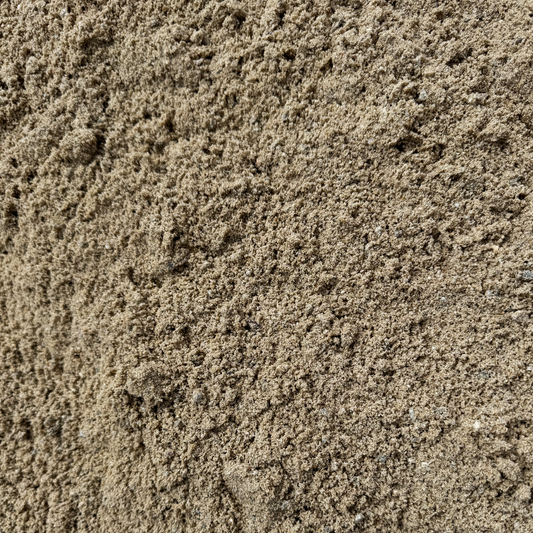
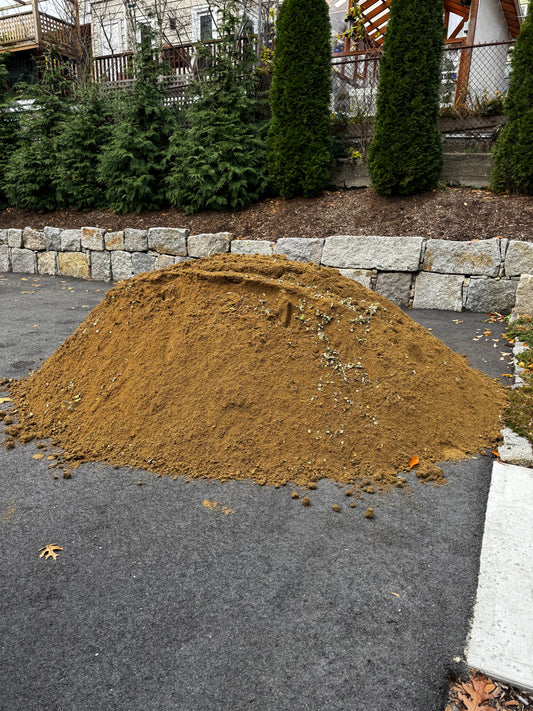
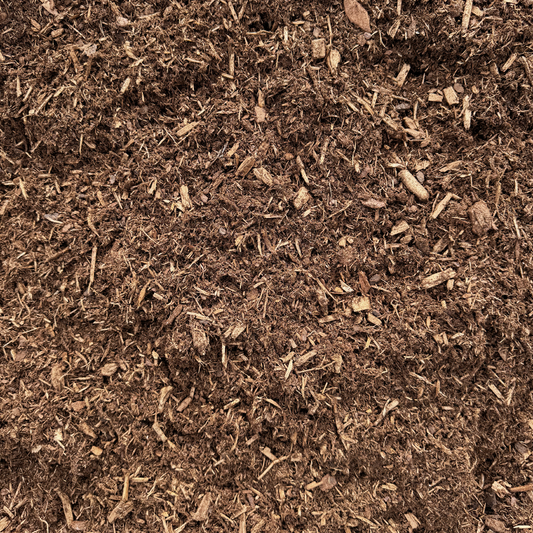
- Garden Soil Mix — 0.79 cubic yards (the 70% structural component)
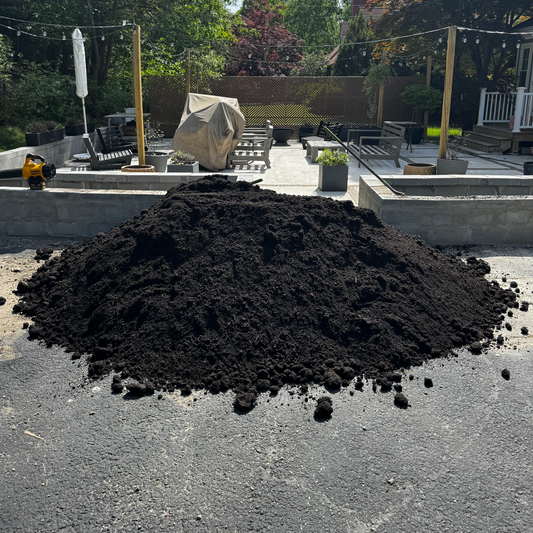
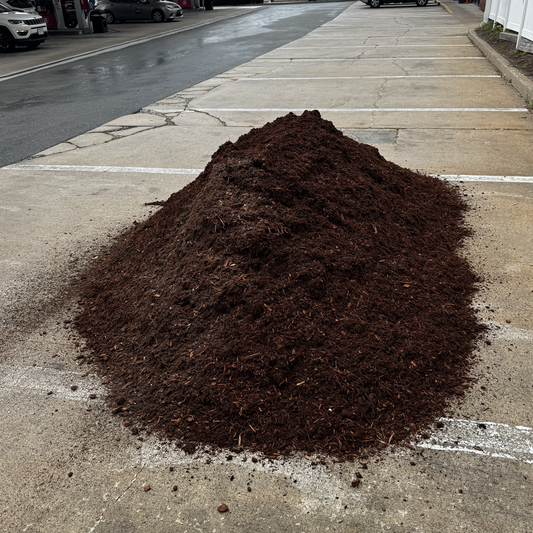
- Compost — 0.2 cubic yards (the 30% organic blend)
- A 1-inch settling allowance built into the order
Browse the raised garden bed materials collection for current per-yard pricing and delivery to Duxbury.
Tools
Tape measure, calculator (or phone), wheelbarrow, garden rake.
Step 1: Measure Inside Dimensions (5 minutes)
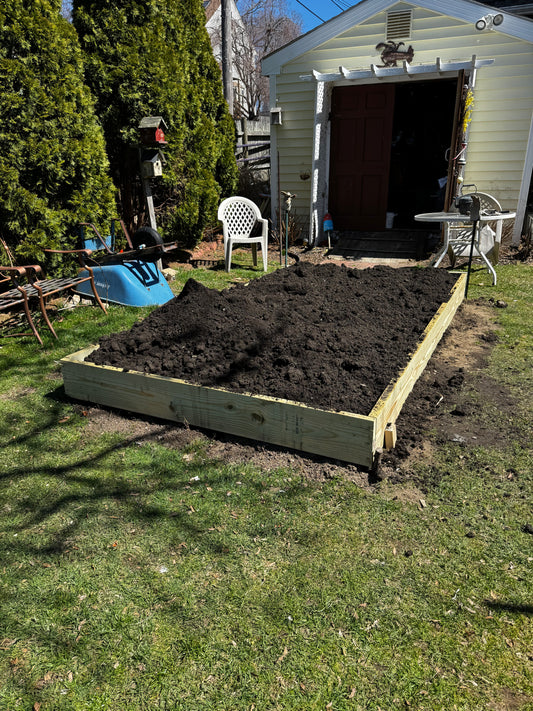
Measure the inside length and width of your bed frame, not the outside. A 4x8 bed built with 2x10 cedar has roughly 3 ft 9 in x 7 ft 9 in of usable interior. For a clean calc, round to 4 ft x 8 ft and use the small surplus for top-dressing.
Measure depth from the bottom of the bed (or the top of any gravel base) up to where you want soil to finish — typically 1 inch below the top rail.
Step 2: Run the Volume Math (5 minutes)
The formula: length (ft) x width (ft) x depth (ft) ÷ 27 = cubic yards.
For a 4x8x1 bed: 4 x 8 x 1 = 32 cubic feet. 32 ÷ 27 = 1.18 cubic yards gross.
Subtract a 1-inch settling allowance (the soil compacts after watering) and round down to 1 cubic yard ordered. Going over by 0.18 yd creates the crown problem; going under by 0.18 yd is what your settling allowance covers.
Step 3: Decide the Soil-to-Compost Ratio (5 minutes)
For a Duxbury vegetable bed, the workable ratio is 70% Garden Soil Mix, 30% Compost in the top 6 inches of the bed. Below 6 inches, straight Garden Soil Mix is fine — roots don't need rich compost down there.
Order math for one cubic yard: 0.79 yd Garden Soil Mix + 0.2 yd Compost = 0.99 yd total.
Step 4: Order in Single Delivery (5 minutes)
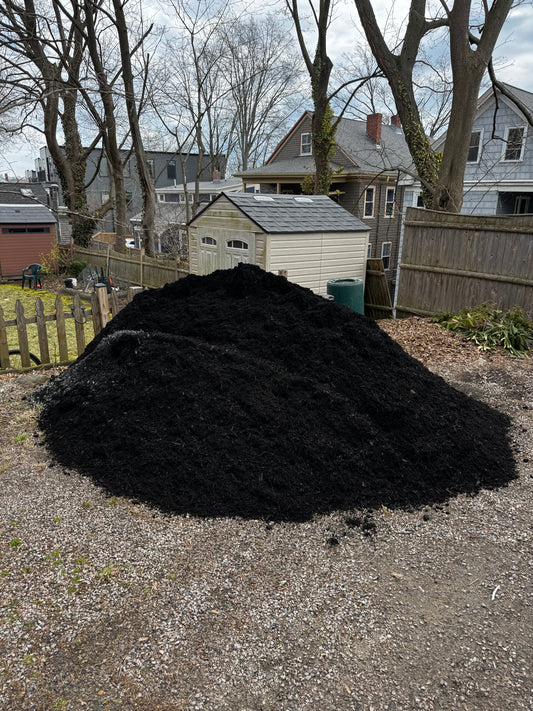
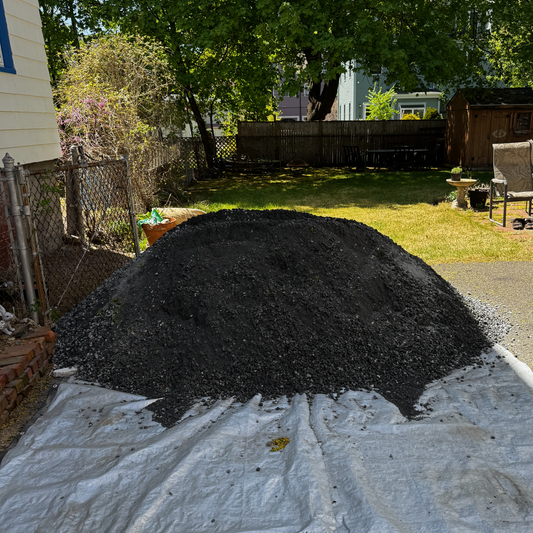
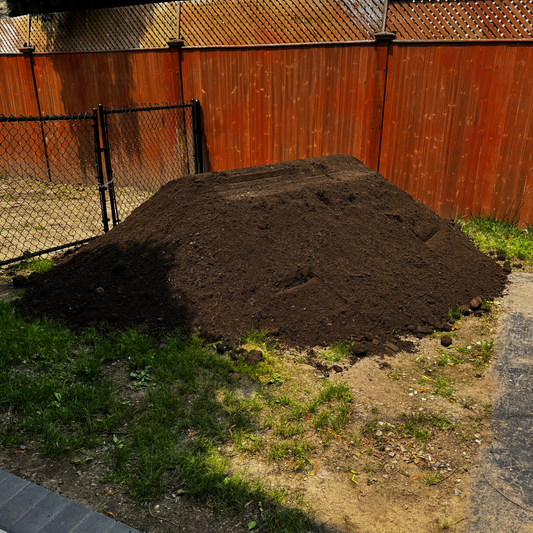
Ottr delivers both products on the same truck. Specify "raised bed mix — keep separated, dump on tarp" so you can blend the top layer yourself. The Duxbury landscape supply routes hit Duxbury weekly through April.
Step 5: Fill in Layers (10 minutes)
- Fill the bottom 6 inches with Garden Soil Mix only. Tamp lightly with the back of a rake.
- Blend the remaining Garden Soil Mix with Compost in the wheelbarrow at roughly 70/30.
- Fill the top 6 inches with the blend. Rake level.
- Water deeply. The bed will settle 0.5 to 1 inch in the first 48 hours.
- Top off any low spots with the small surplus before planting.
The UMass Extension Vegetable Program maintains the seed-starting and direct-sow calendar that pairs with this fill schedule for an April 1 Duxbury build.
Why You Don't Use Topsoil Loam Alone
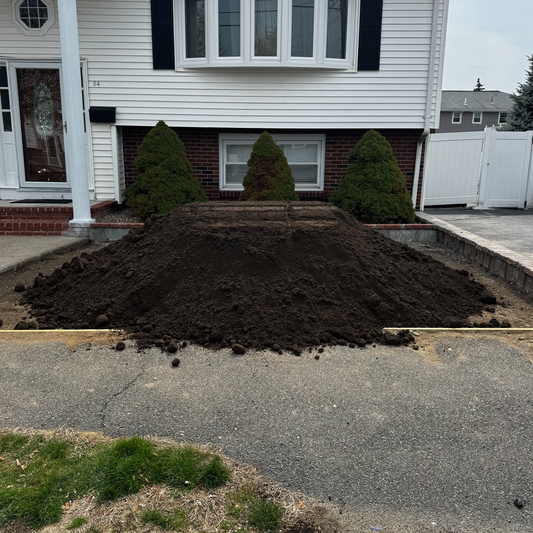
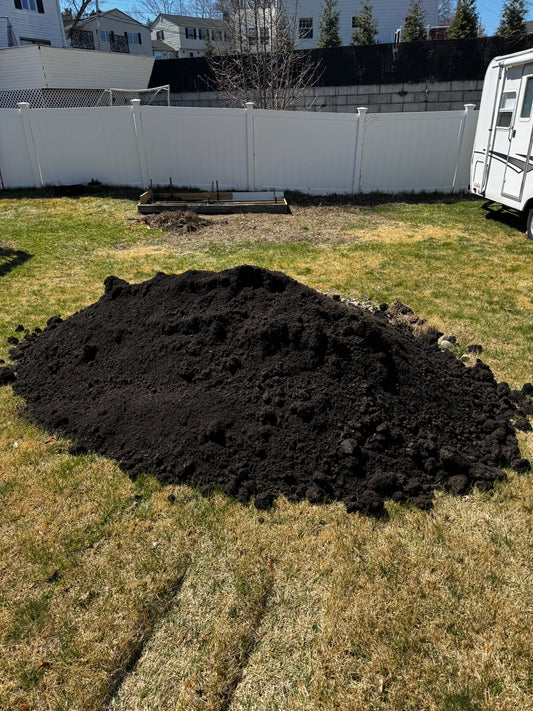
Topsoil Loam ½" Screened is the right product for a lawn patch, not a vegetable bed. It compacts hard, drains slow, and runs low on organic content. A raised bed needs the looser structure of Garden Soil Mix plus active compost biology.
For a deeper Q&A on what stone (if any) goes under a Massachusetts raised bed or shed pad, see What Stone Goes Under an MA Shed Foundation? — the same drainage logic applies.
What This Means for You
One delivery, one cubic yard total, 30 minutes of math and layout, and a Duxbury 4x8 bed that hits the right depth without crowning or washing. We'll come back to fire-pit-pad volume math in the 2026 Plymouth fire-pit pillar — same calculator, different application.