Quick Answer
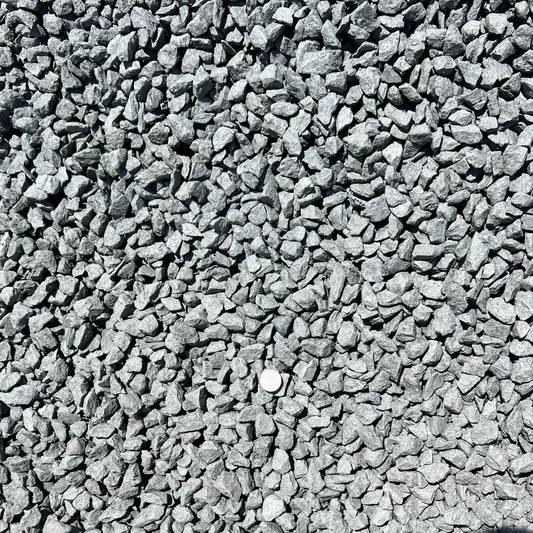
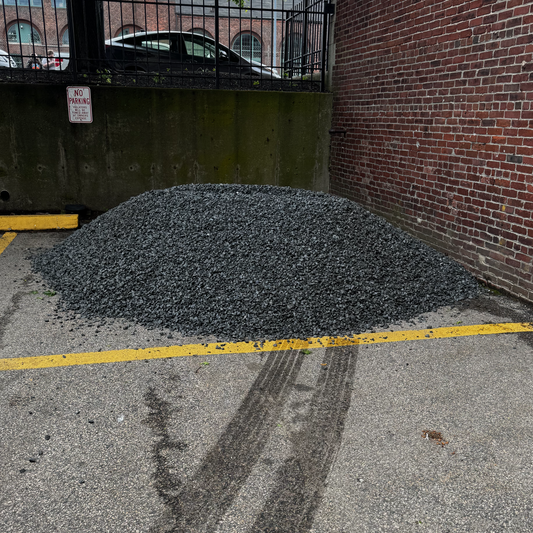
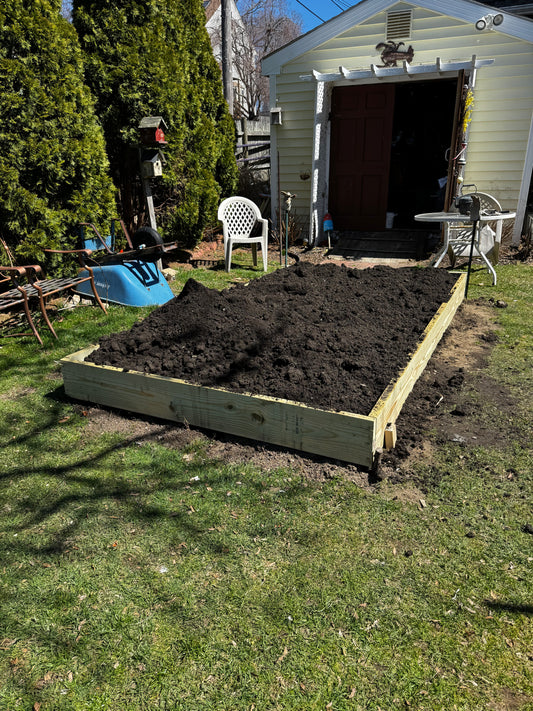
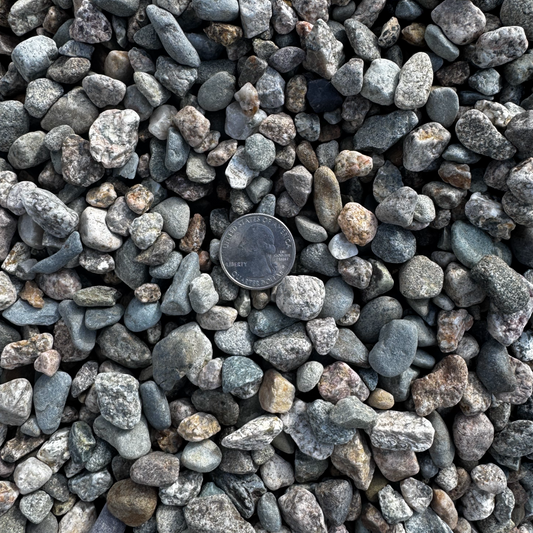
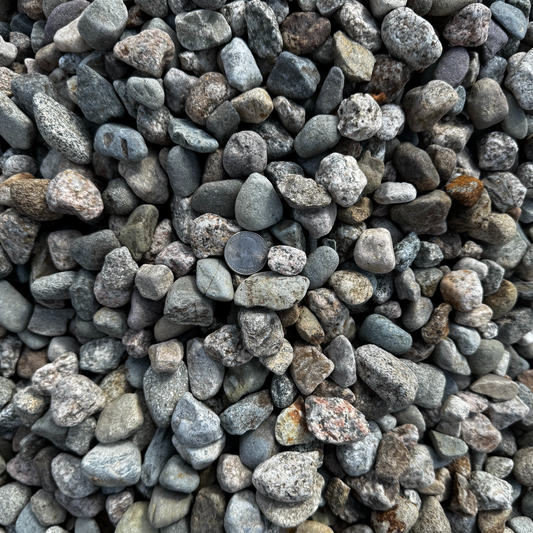
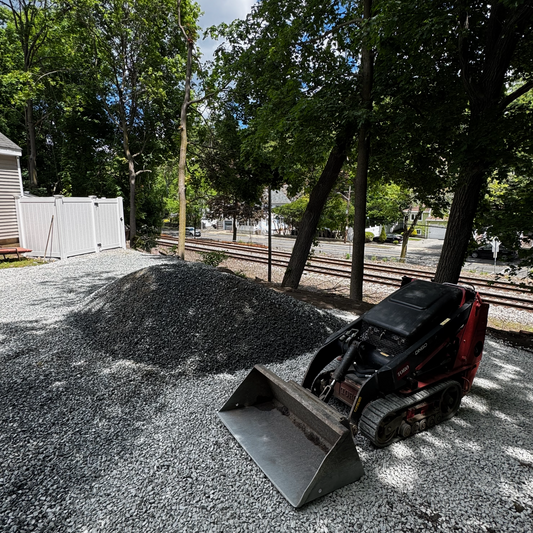
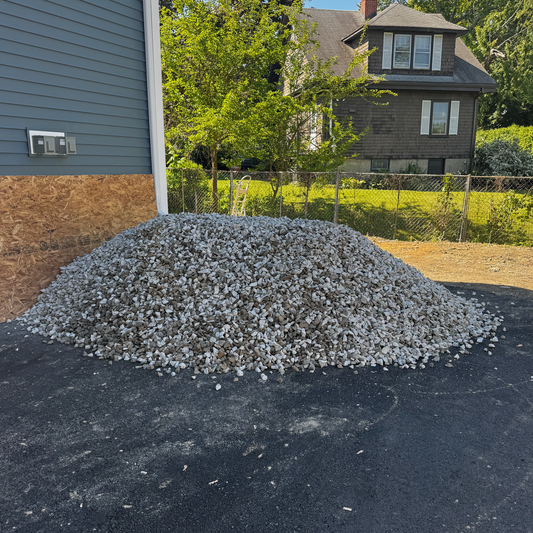
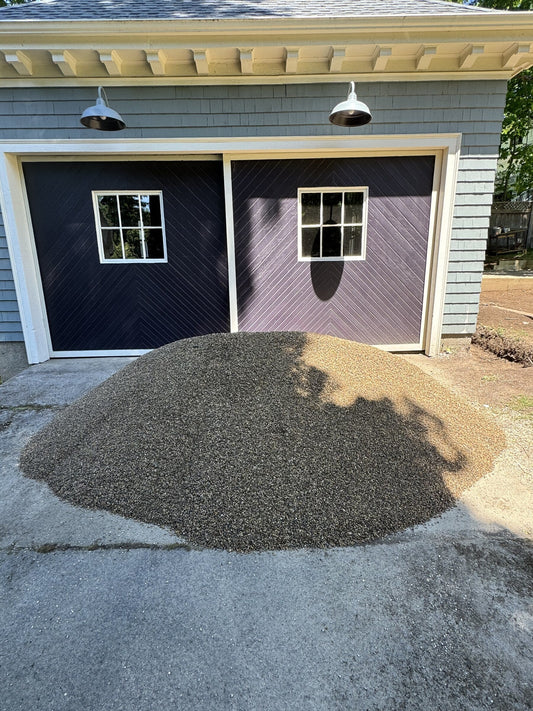
Use Dense Pack ¾" to minus as the base under a Suffolk County shed. A 10x12 shed pad needs 1.5 cubic yards spread 4 inches deep across a 12x14 footprint (the extra foot of overdig on each side stabilizes the edges). Compact in two 2-inch lifts. The total cost runs less than $150 in materials and the pad lasts 20+ years through Boston's freeze-thaw cycles.
Why Suffolk County Sheds Need Real Base Prep
Boston's neighborhoods sit on glacial till, fill, and old marsh — all three behave differently. South Boston, Dorchester, Roxbury, Mattapan, and parts of East Boston have groundwater 3 to 5 feet below grade in spring. A shed set directly on lawn or topsoil sinks unevenly within one season. The fix is the same engineering used for paver patios: drainage layer + finish course.
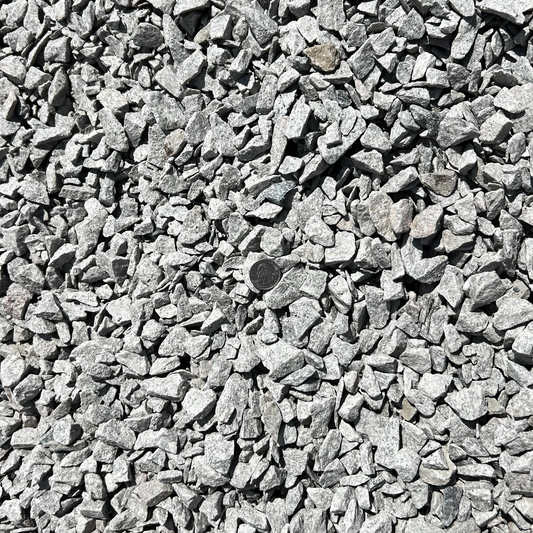
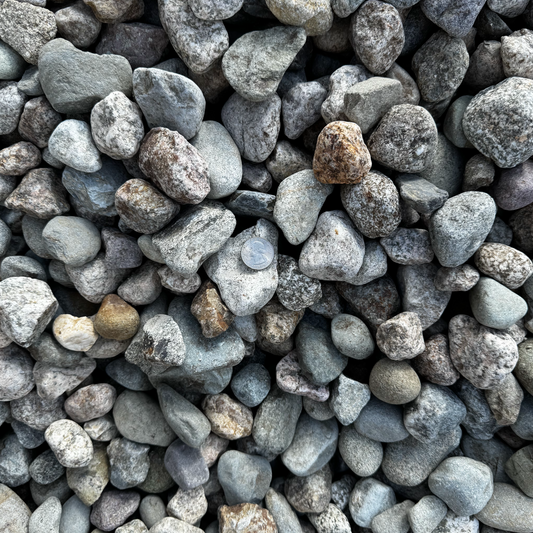
The ICPI hardscape standards document this base spec for residential outbuildings. Browse the crushed stone collection for Dense Pack ¾" to minus by the cubic yard.
Q: What stone goes under a Suffolk County shed foundation?
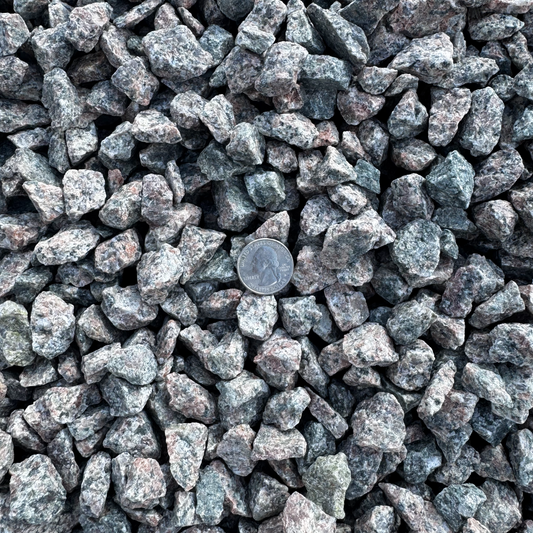
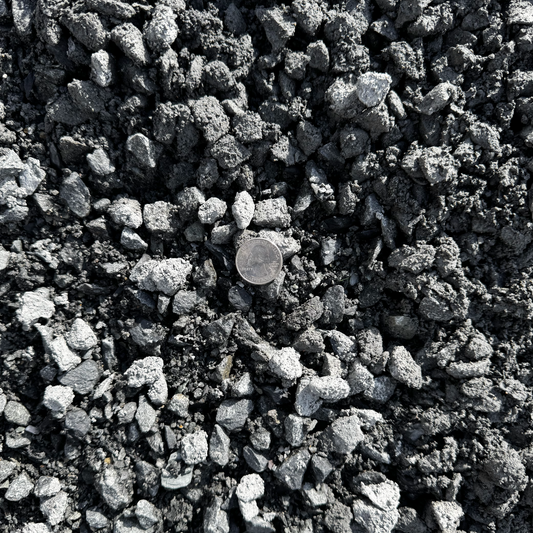
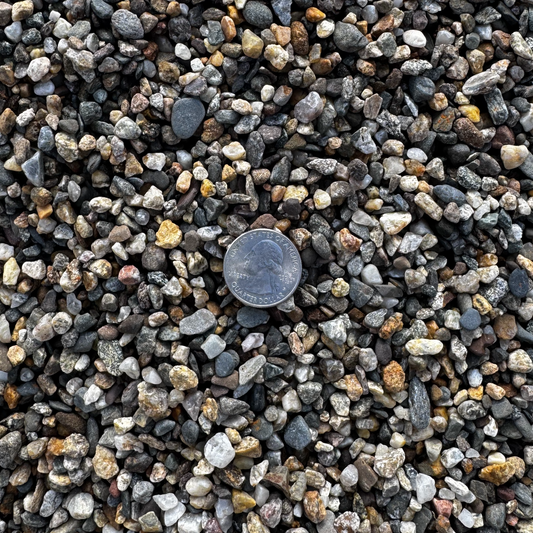
A: Dense Pack ¾" to minus. It's the standard for a reason — the ¾-inch screen size compacts hard, the fines lock the larger pieces in place, and water drains through to the soil below. A 10x12 shed needs roughly 1.5 cubic yards spread 4 inches deep with a 12-inch overdig perimeter. Order through the Boston-area landscape supply routes for next-day delivery.
Q: How deep should the stone base be?
A: 4 inches compacted minimum. That's the residential standard for a 10x12 shed on stable Suffolk County soils. In low-lying neighborhoods — parts of South Boston near the water, Dorchester near Tenean Beach, Mattapan near the Neponset — go to 6 inches. Compact in two 2-inch lifts. A single thick lift won't compact through.
For the contractor pricing math on a stone delivery to these neighborhoods, see the upcoming Spring Cleanup Pricing Worksheet for Plymouth Crews read.
Q: Can I use crushed concrete instead of Dense Pack?
A: Yes — Crushed Concrete 1" to minus. Less expensive per yard, recycled material, performs nearly identically for a residential shed. Skip it only if your shed will eventually become a wired structure (concrete fines can interfere with electrical grounding) or if you're set on a pristine appearance.
Q: Should I use pea gravel under a shed?
A: No. Pea gravel doesn't compact — it just shifts under load. The shed will rock, the floor joists will twist, and the door will stop closing within two years. Pea gravel is a decorative finish material, not a structural base. The 5 Drainage Stone Mistakes Cape Cod Homeowners Make read coming up April 13 covers this in detail.
Q: Do I need landscape fabric under the stone?
A: Yes — woven fabric, not non-woven. Woven fabric blocks weed root penetration while letting water through. Overlap seams 6 inches. Skip the fabric and you'll have crabgrass pushing up between the joists within three seasons.
Q: How big should I size the pad versus the shed?
A: 12 inches larger on each side. A 10x12 shed gets a 12x14 stone pad. The extra foot of overdig stabilizes the edges and gives you room for the edging. Without overdig, the perimeter slumps after the first heavy rain.
Q: Should I install the pad over winter or wait for April?
A: Wait for April. Frozen ground doesn't compact properly and the freeze-thaw cycle pushes any hastily-built pad up by 1 to 2 inches in February. The stable build window in Suffolk County is mid-April through mid-November.
Q: How long will the pad last under a typical shed?
A: 20+ years. A properly built Dense Pack pad outlasts the shed sitting on it. The only maintenance is a 1-inch top-up of stone dust every 8 to 10 years if the surface starts to thin.
The Suffolk County Shed Pad Build Order
- Mark out 12x14 area for a 10x12 shed (or scale +12 inches each side for a different size).
- Excavate 6 inches deep across the full pad area.
- Lay woven landscape fabric with 6-inch overlaps.
- Spread Dense Pack ¾" to minus 2 inches deep and compact with a plate compactor (3 passes).
- Spread a second 2-inch lift of Dense Pack and compact again.
- Check level in two directions with a torpedo level on a long board.
- Set the shed within 7 days — sooner is better.
For the 2026 follow-up on the pre-emergent application timing for the lawn around shed pads in Plymouth County, see the 2026 pre-emergent Plymouth County read. The bigger picture on stone sizing for any project is in the upcoming How to Choose Crushed Stone Size for a Boston Project walkthrough on April 19.
The short version: 1.5 yards of Dense Pack, woven fabric underneath, 4 inches compacted in two lifts, 12-inch overdig, and a Suffolk County shed that doesn't sink, rock, or weed-up for two decades.