Quick Answer
Pre-emergent works in Plymouth County when you apply it before crabgrass germinates — the trigger is three consecutive mornings of 50–55°F soil temperature at 4 inches, which usually lands between April 5 and April 18 depending on the year and the town. Use a granular prodiamine product (or corn gluten for organic), apply in two perpendicular passes for even coverage, water in within 48 hours. Skip it on freshly seeded lawns and any area you plan to overseed before September.
When to Apply: Forget the Calendar, Watch the Soil
Plymouth County runs a wide range. Coastal towns (Marshfield, Scituate, Cohasset) hit the 50°F soil-temp window 3–5 days earlier than inland (Bridgewater, Halifax, Middleborough). The UMass Turf Program keeps an updated soil-temp map every spring; check it before you spread.
The cleanest backyard signal is forsythia in full yellow bloom — when those branches are loaded, soil temps are passing through the crabgrass-germination zone. Apply within the next 5 days. Wait until forsythia drops its petals and you're already late.
For Newton-area homeowners, April 1: Why This Week Sets the Tone for the Newton Lawn Season covers the same trigger 30 miles north.
What to Use
Granular prodiamine — the most common professional pre-emergent. One application at the right time gives 12–14 weeks of crabgrass control. Available bagged at any garden center; check the bag's coverage rate against your lawn square footage.
Corn gluten meal — the organic option. Suppresses germination at a 60–70% rate (vs. 90%+ for prodiamine) and doubles as a mild nitrogen feed. Needs higher application rate (about 20 lbs per 1,000 sq ft) and consistent moisture to work.
Combined fertilizer + pre-emergent — convenient but locks you into a fertilizer schedule that may not match your lawn's needs. Use only if your soil test (see How to Take a Soil pH Sample Before the Spring Rush in Middlesex County) calls for spring nitrogen.
How to Apply: Step by Step
1. Confirm soil temp. Push a 4-inch soil thermometer into the lawn at three spots — front, side, back. If three consecutive mornings read 50–55°F, you're in the window.
2. Calibrate your spreader. Most bags list spreader settings for 4–6 popular models. If yours isn't listed, walk a test pass on a tarp and weigh what comes out.
3. Spread in two perpendicular passes. Half-rate north–south, half-rate east–west. This eliminates the stripes that cause crabgrass breakthrough lines in June.
4. Water in 0.25 inches within 48 hours. Activates the chemical barrier in the top inch of soil. A normal Plymouth County April rain handles this if the forecast shows a half-inch event within two days.
5. Mark the calendar for August. Prodiamine wears off around 12–14 weeks. If late-season crabgrass is a concern, plan a half-rate booster around July 4 — see How to Dethatch and Aerate a Tired Newton Lawn for the late-summer maintenance pairing.
When to Skip Pre-Emergent
Three situations:
- You're seeding this spring. Pre-emergent prevents grass-seed germination too. Skip it everywhere you plan to spread seed before September. The reseed playbook explains the conflict.
- You overseeded last fall and the new turf is still thin. Wait a year. Pre-emergent on thin, immature turf prevents new tillering you want.
- Your lawn is mostly clover, microclover, or a wildflower mix. Pre-emergent is non-selective at the seed level — it suppresses what you want too.
Bulk Materials That Pair With Spring Pre-Emergent
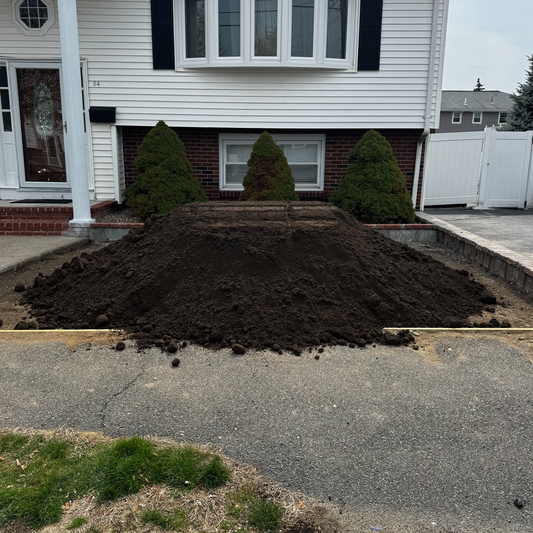
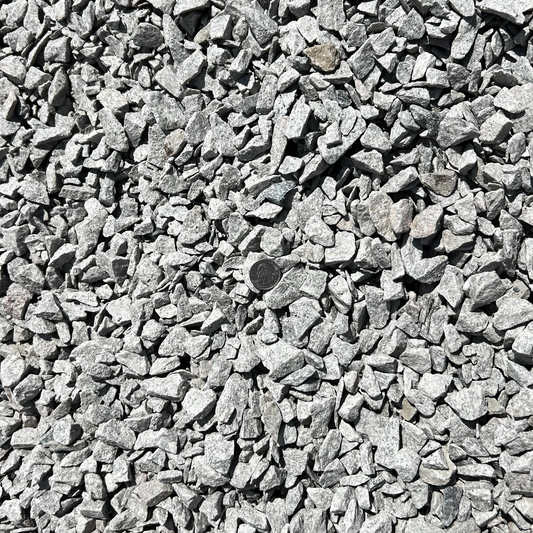
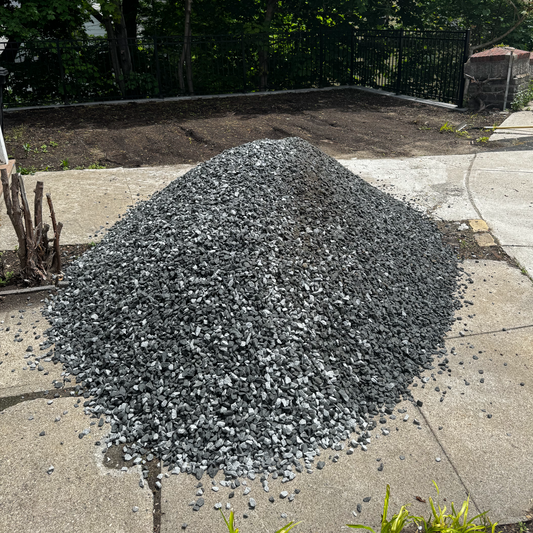
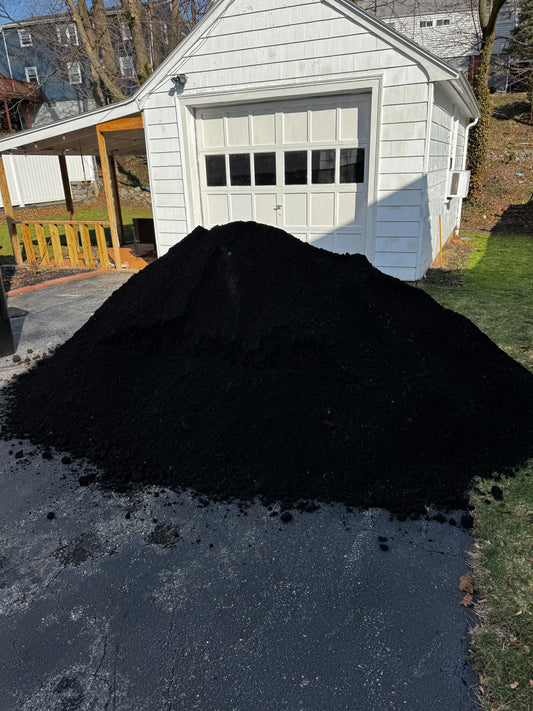
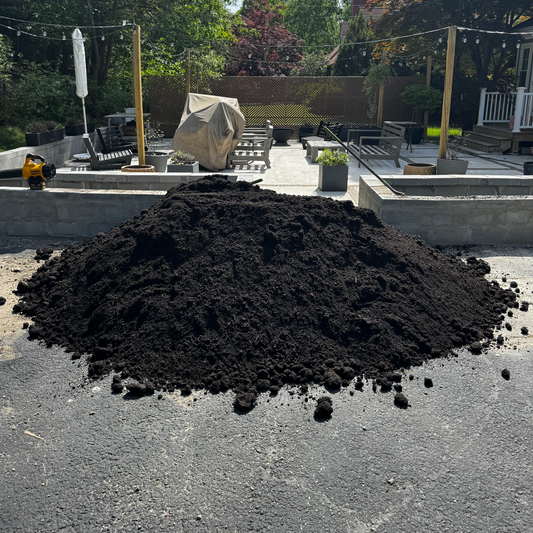
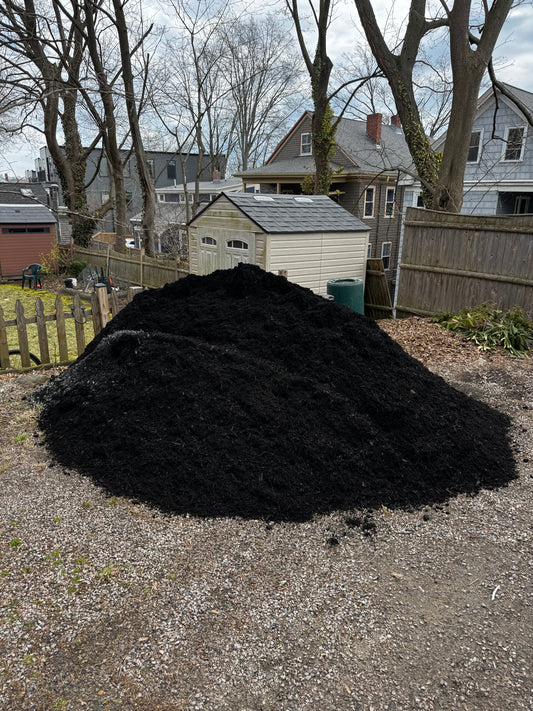
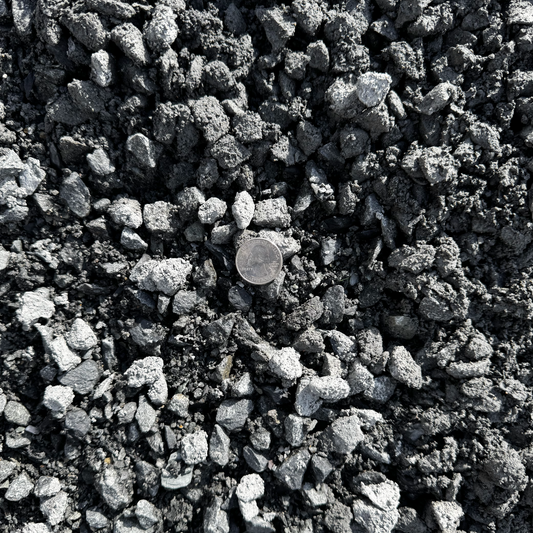
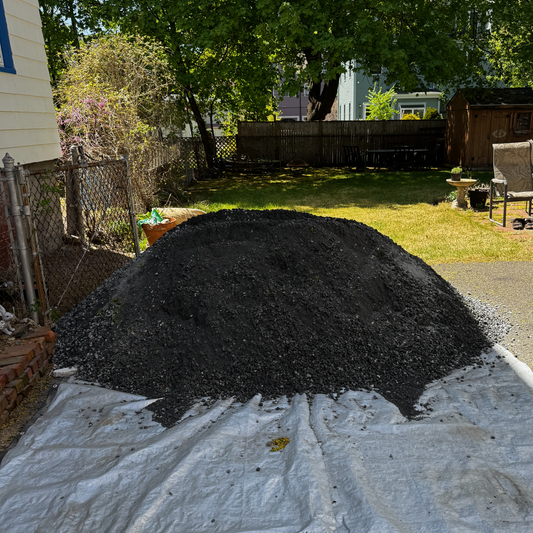
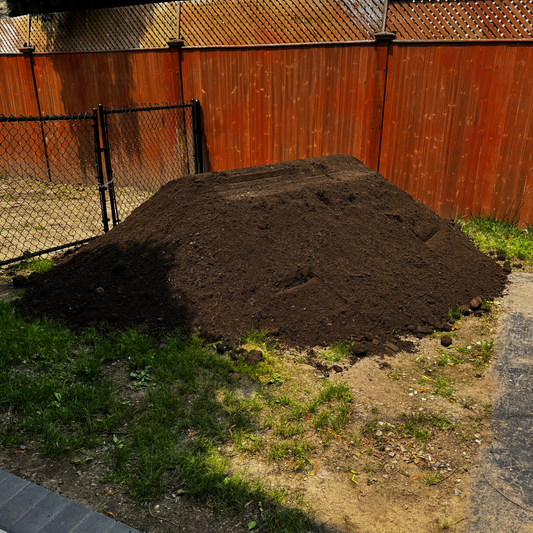
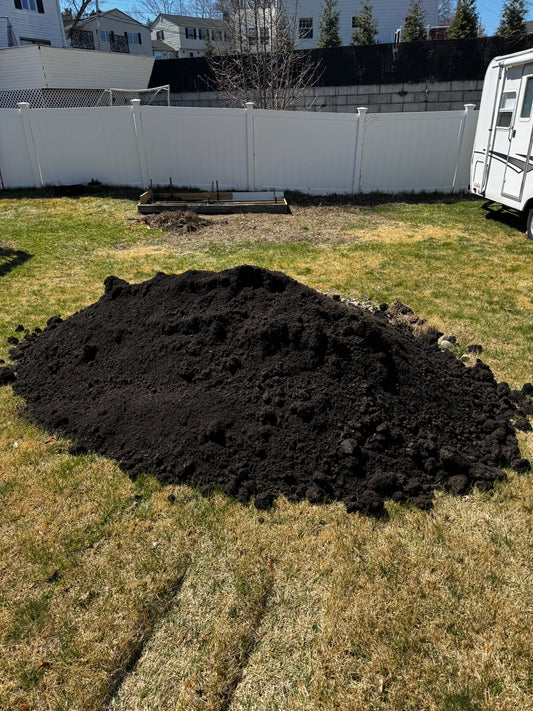
After pre-emergent, the next move on most Plymouth County lawns is leveling, top-dressing with screened loam, and refreshing thin spots that don't need reseeding. Browse Lawn Leveling & Repair for bulk loam and compost blends; for Plymouth-specific delivery, the Plymouth County Landscape Supply page has same-week scheduling.
For deeper background on lawn-killing weeds and herbicide alternatives, Cornell University's Turfgrass program is the regional authority north of Boston and a good complement to UMass guidance.