Quick Answer
The right salt-to-sand ratio depends on the zone you're treating. 50/50 is the universal cold-snap blend for central drives below 15 degrees F. 20/80 (20% salt, 80% sand) is the right call for the 18-24 inches adjacent to lawn or flower beds. Pure rock salt works on the warmer central drive (above 20 degrees F) when grass isn't adjacent. Pure mason sand is the failsafe in the last 18 inches before beds. There is no single ratio - match the blend to the surface and the temperature.
Why a Single Ratio Won't Cut It
Driveways aren't homogeneous. The central wheel paths see different exposure than the lawn-edge strip. The strip near a flower bed needs different treatment than the apron at the street. And nighttime lows below 15 degrees F change the math entirely - chloride slows down hard while sand still grips.
Below: the eight questions homeowners ask Ottr's dispatcher most often about salt-sand ratios, with answers tuned to MA and RI winters.
Q: What's the standard salt-to-sand ratio for driveways?
A: There are two standards. 50/50 for traction in moderate cold (0-15 degrees F central drives); 20/80 (20% salt, 80% sand) for lawn-adjacent strips and pet households year-round. Pure sand for the last 18 inches before flower beds. Pure rock salt for warm-winter central drives where lawn isn't adjacent.
Most New England yards use a combination across different zones, not a single ratio everywhere.
Q: When should I use 50/50 salt-sand?
A: On the central drive when forecast lows hit 0-15 degrees F. Sand provides traction when chloride slows down. Also useful when you want one blend for the whole drive on a cold-snap night and don't want to manage three separate buckets. 50/50 is also the standard fire-station and municipal-yard blend - it's a known quantity.
For ordering pre-blended 50/50, see Snow & Ice Management collection.
Q: When should I use 20/80?
A: For the 18-24 inch strip adjacent to lawn or flower beds, year-round through winter. One-fifth the chloride load means dramatically less curb-edge turf damage in April. UMass Extension turf research shows soil sodium above 4 mmhos/cm electrical conductivity starts killing cool-season grasses; the curb edge reaches that level quickly under straight rock salt.
For the application logic in detail, see How to Read an Ice Melt Label Step by Step.
Q: Will 20/80 actually melt ice?
A: Slowly. The 20% salt component melts above 15 degrees F, but the primary value is traction from the sand. For melt-first jobs (heavy ice on the central drive), use 50/50 or straight rock salt. For traction-first jobs (lawn edge, walkway, stoop), 20/80 is the right call.
Q: Can I mix my own salt-sand?
A: Yes. Use volume measurements (weight varies with moisture):
- 20/80: 1 part rock salt to 4 parts mason sand by volume.
- 50/50: 1 part rock salt to 1 part mason sand.
Mix in a 5-gallon bucket with a flat-end shovel for 60 seconds. Don't pile on the driveway - sand and salt segregate when poured.
For the full mixing guide tuned to a specific MA county, see Mixing Your Own Salt-Sand: 5 Tips for Plymouth County Homeowners.
Q: Does sand actually do anything?
A: Yes - mason sand provides immediate grip. It doesn't melt, but it gives shoes and tires traction even when temps are below the chloride floor. Crucial for sub-15 degree F nights when straight salt is sluggish. Sand also reduces the chloride load for stormwater runoff, which matters in MA's coastal and freshwater watersheds.
Q: What sand should I use?
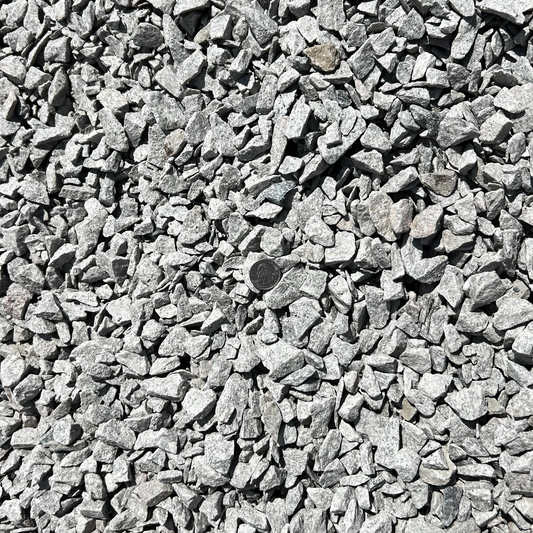
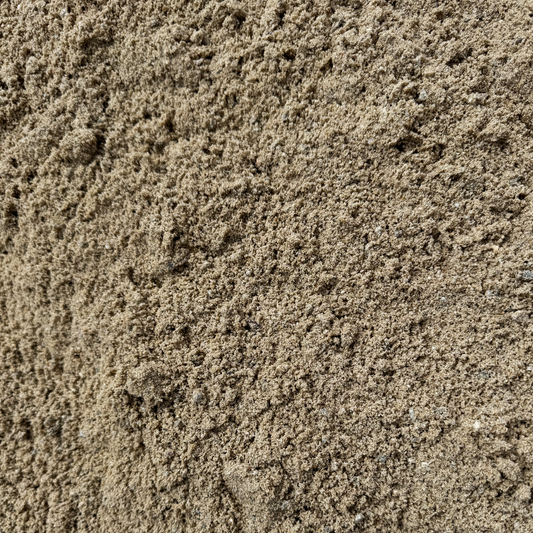
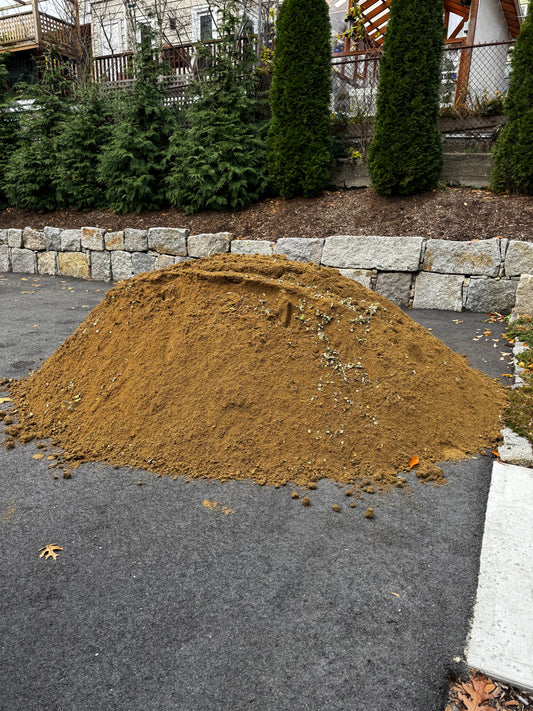
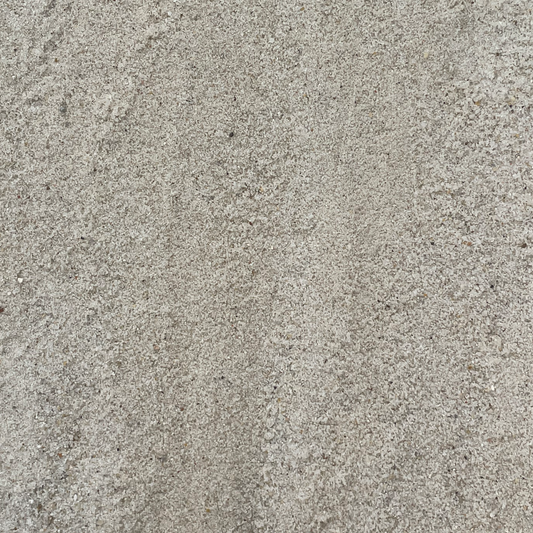
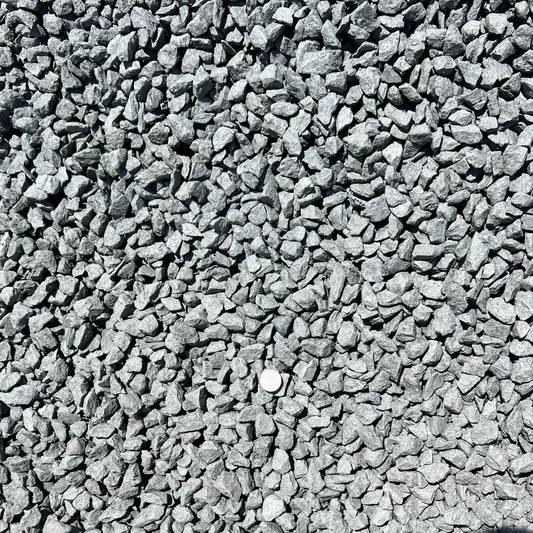
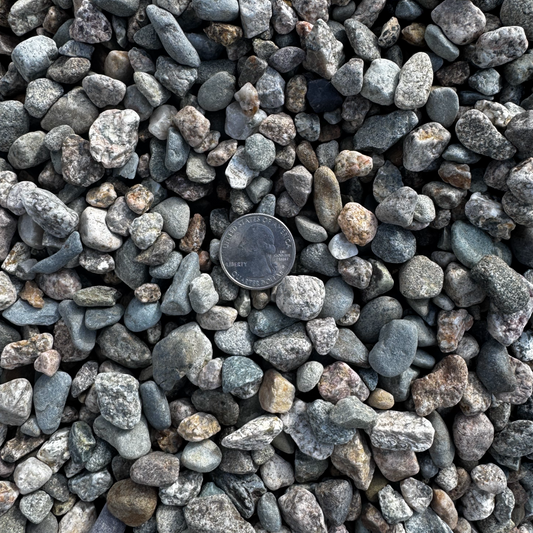
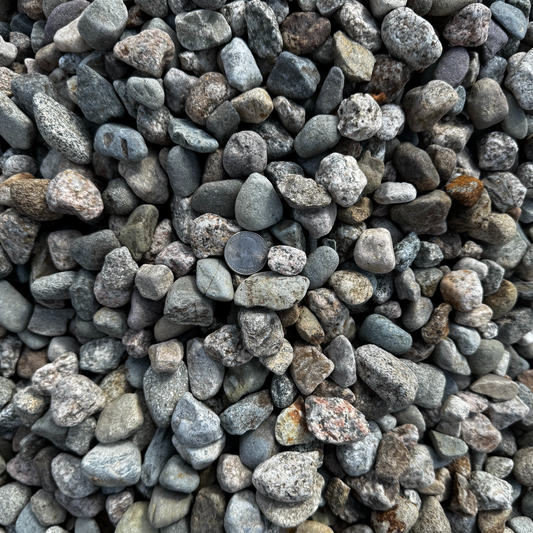
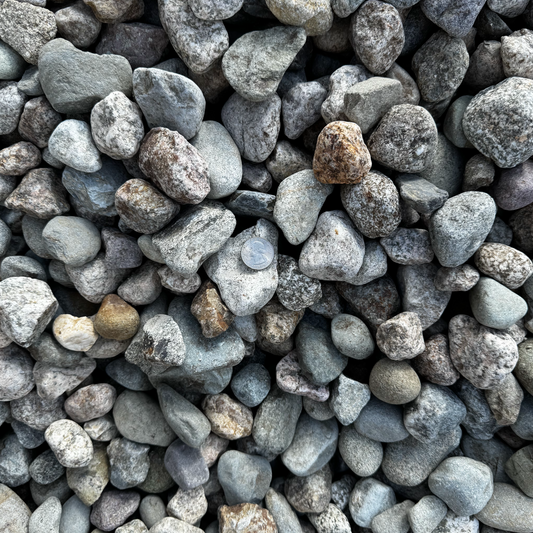
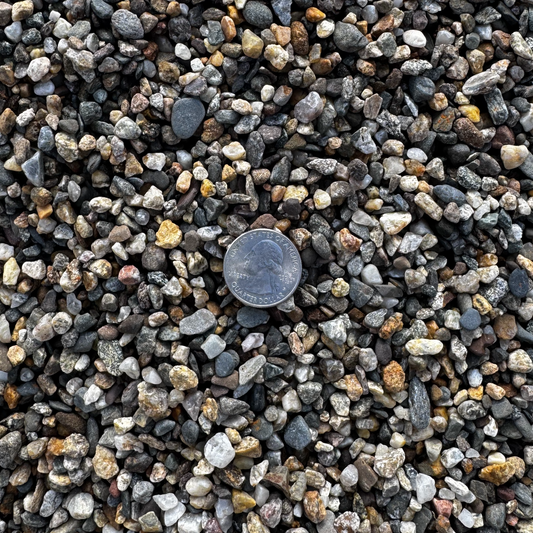
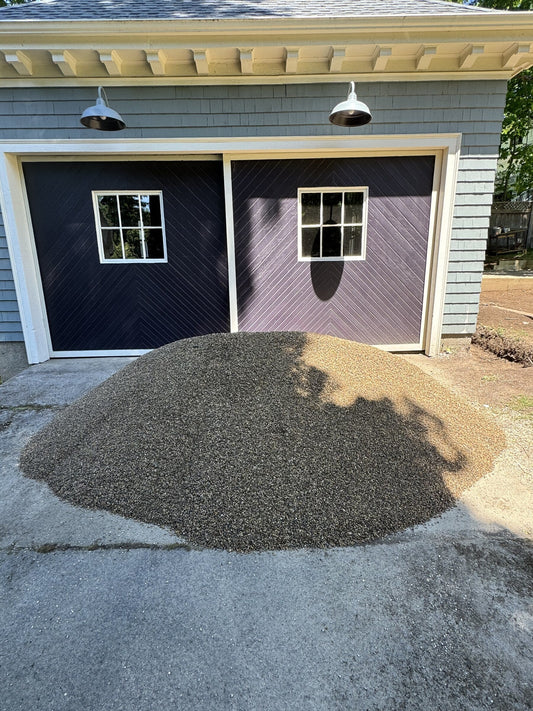
A: Mason sand or coarse sand. Both have angular grains that grip. Avoid play sand and beach sand - too round to provide traction. Ottr stocks bulk Mason Sand and Coarse Sand by the cubic yard - same products used for paver bedding, doubled for winter traction.
For the bulk-delivery process, see the 2026 follow-up on ice melt storage in Cambridge - same logic on bin and pallet storage.
Q: Do I need to sweep up sand in spring?
A: Yes. Sweep into a 5-gallon bucket and store for next winter. Leftover sand in flower beds dilutes soil texture and pH; on hardscape it tracks indoors. Most homeowners reclaim 30-40% of their winter sand for the next season.
For broader application standards and runoff impact, the EPA Smart Salting program is the most authoritative source.
The Salt-Sand Ratio Cheat Sheet
| Zone | Ratio | Why |
|---|---|---|
| Central drive, above 20 degrees F | 100% rock salt | Pure melt; no lawn risk |
| Central drive, 0-15 degrees F | 50/50 | Traction + melt at cold-snap temps |
| Lawn-adjacent strip | 20/80 | One-fifth chloride load |
| Bed-adjacent / old brick | 100% sand | Zero chloride; sweep in spring |
For Wellesley and Brookline late-winter recovery work, see Top 5 Late-Winter Lawn Tasks for Wellesley Homeowners.