Quick Answer
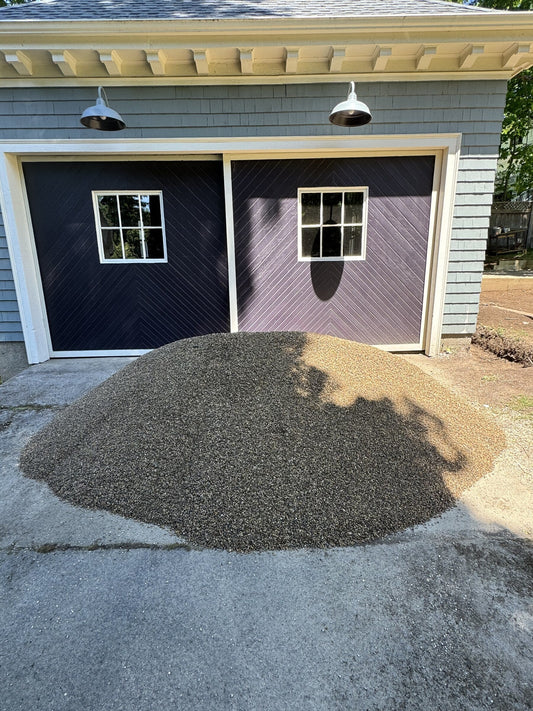
A Brookline front-bed reset before December takes about 2 hours for a 200-square-foot bed: re-cut the edge, pull spent annuals, top-dress with ½ inch of compost, and finish with 2 inches of hardwood mulch. One cubic yard of mulch covers roughly 160 square feet at 2 inches deep — order a ¼-yard of compost on the same delivery and you'll have what you need for two beds. Done before the first hard freeze, the bed reads clean from Beacon Street through New Year's.
When to Reset a Brookline Front Bed
Brookline's first hard freeze typically lands the second week of December. The reset window is late November through December 5 — soil is still workable, perennials have died back enough to see structure, and a mulch top-up locks moisture in for January's freeze-thaw cycle. After December 10, frozen ground makes the edge cut much harder.
If you wrapped Thanksgiving cleanup already, this is the natural follow-up — see How to Wrap an MA Yard Before Thanksgiving for what should already be done.
Tools and Supplies
- Half-moon edger (or sharp spade)
- Steel rake
- Wheelbarrow
- Tarp for debris
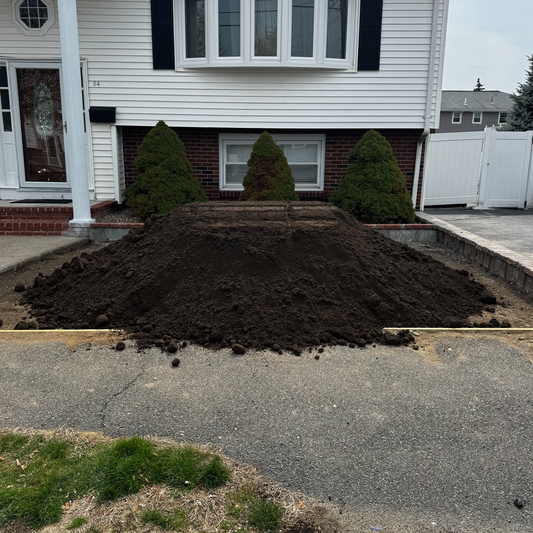
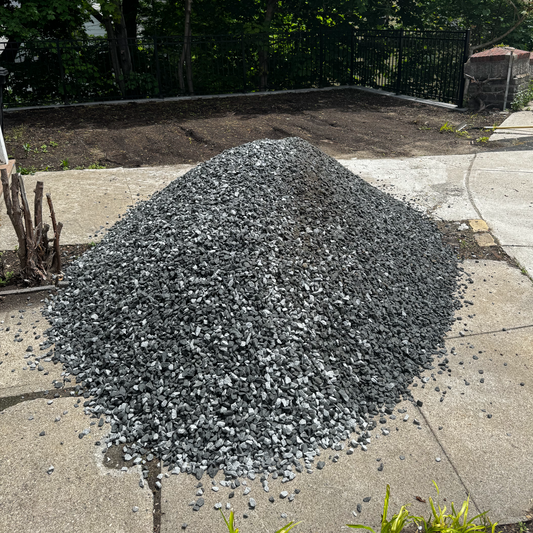
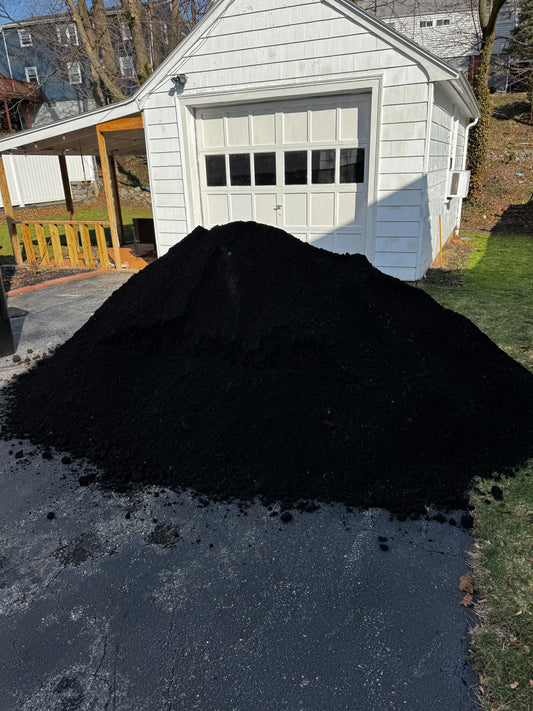
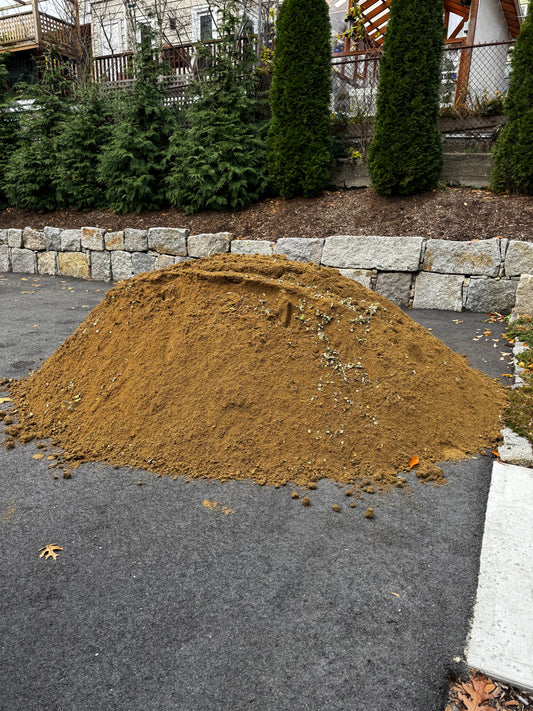
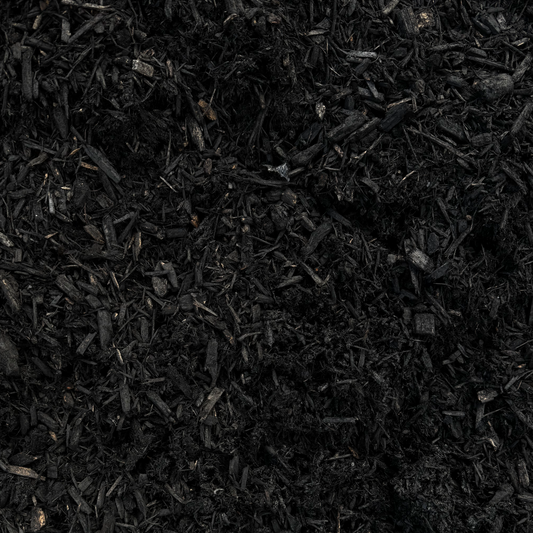
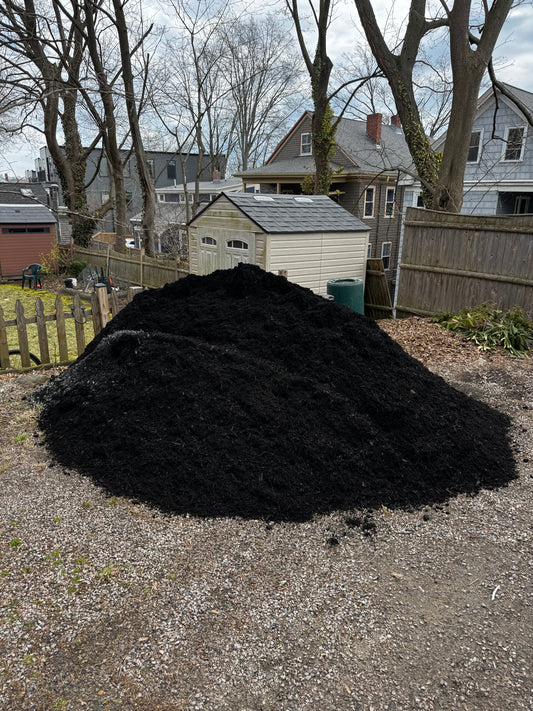
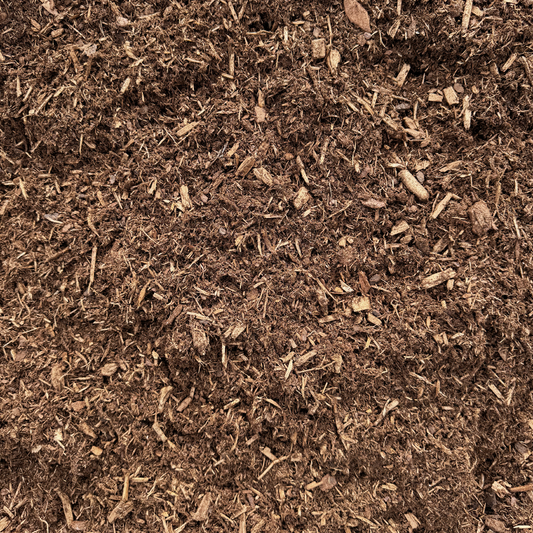
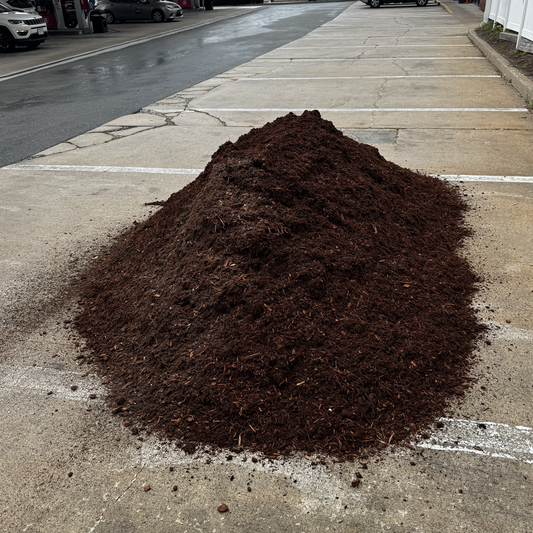
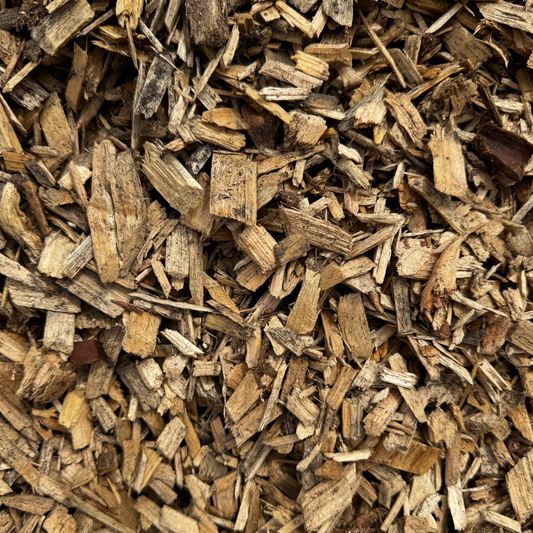
- 1 cubic yard hardwood mulch for a typical Brookline 200 sq ft bed
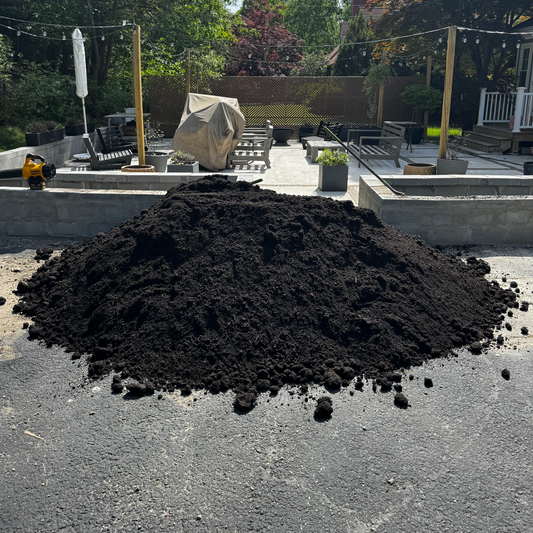
- ¼ cubic yard compost if soil looks tired
- Pruners for cutting back perennials
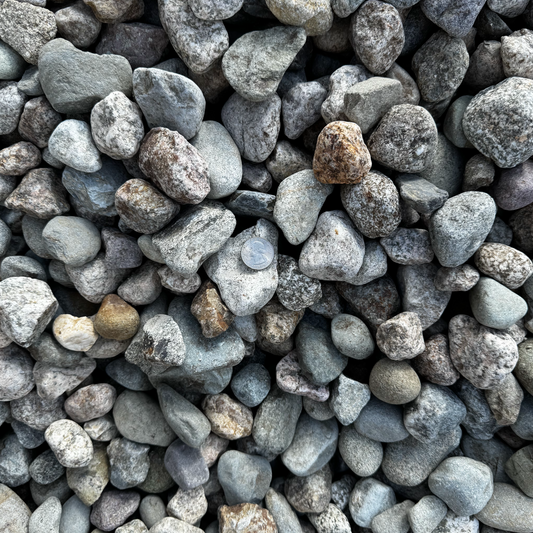
Order bulk from the Mulch Bed Refresh collection and add the Brookline Landscape Supply page for delivery.
Step 1 — Cut the Bed Edge (20 minutes)
Re-cut the lawn-bed line with a half-moon edger angled toward the bed. Aim for a 3-inch deep, 2-inch wide trench — that gap traps mulch and stops grass runners cold through April. On a curving Brookline front bed, freehand the line; on a straight Beacon Street frontage, snap a hose along the edge as a guide.
Step 2 — Pull Spent Annuals and Cool-Season Weeds (30 minutes)
Yank out dead petunias, marigolds, and any other annuals. Cut perennials back to 6 inches if the foliage is mush; leave structural perennials (sedum, ornamental grasses) standing for winter interest. Hand-pull chickweed, henbit, and any other cool-season weeds that are still green — they'll set seed if left.
Step 3 — Top-Dress With Compost (20 minutes)
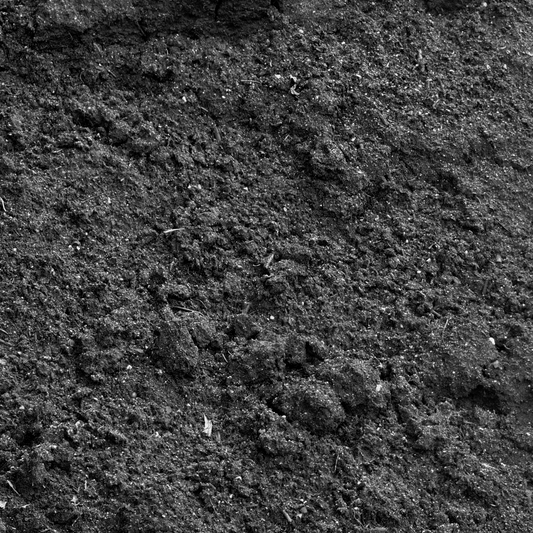
Spread ½ inch of compost over the entire bed. This is the single biggest soil-quality move you can make in December. Worms pull it down through January's freeze-thaw, and by spring you've gained organic matter without disturbing root zones. A ¼ cubic yard covers a 200 sq ft bed at this depth.
Step 4 — Refresh Mulch to a 2-Inch Finish (40 minutes)
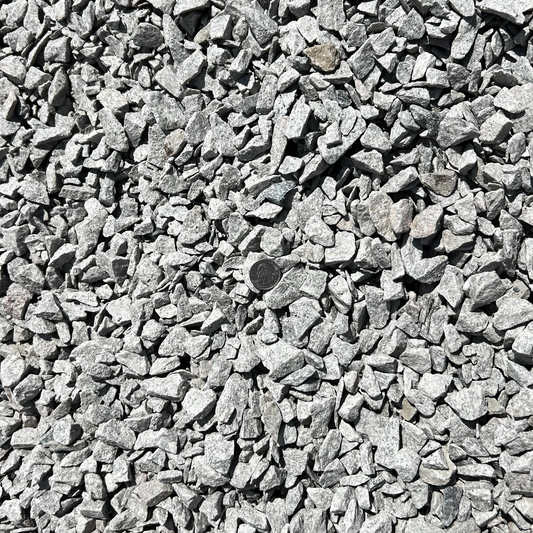
Top off with hardwood mulch to a finished 2-inch depth — not 4, not 6. Deep mulch causes the volcano-style trunk rot that kills foundation shrubs in Brookline. Pull mulch back 2 inches off woody stems and crown bases.
For the math behind 1 yard covering ~160 square feet at 2 inches deep, see How to Calculate Hardwood Mulch Yardage for a Plymouth County Bed — same math applies in Brookline.
A Brookline-Specific Note on Salt-Adjacent Beds
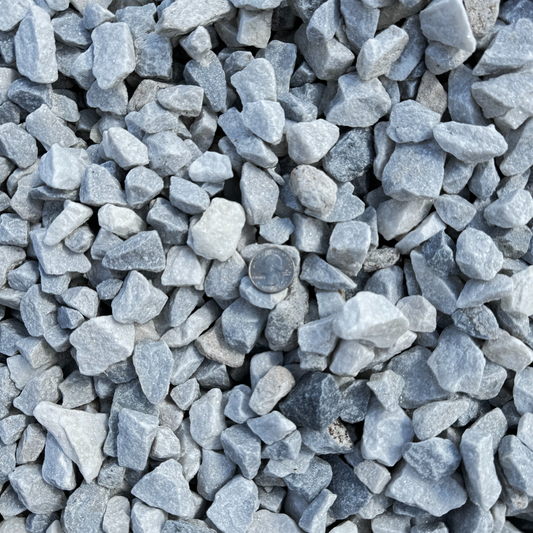
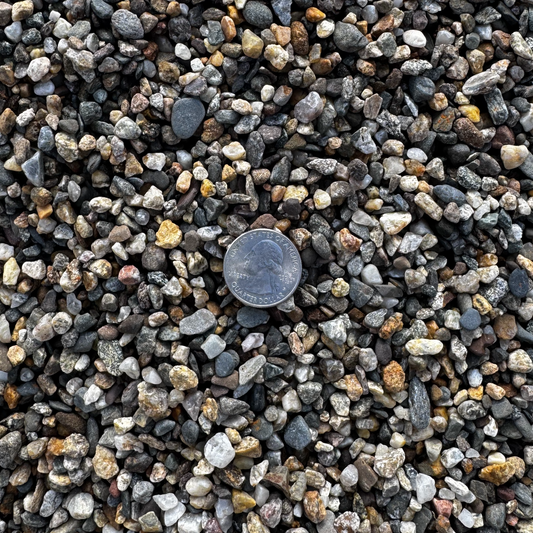
If the bed sits within 6 feet of the sidewalk or a street that gets salted, plan for salt damage at the bed edge by April. The cleanest move now is a stretch of Salt & Sand 20/80 for the walkway above, not straight rock salt. The rinse-in-spring playbook is in Does Rock Salt Really Kill Newton Lawns — the Newton playbook applies to Brookline curb edges identically.
What's Next
The bed will hold cleanly through the holidays. December's next moves are decor and ice prevention — see 5 Holiday Landscape Lighting Tips for Cambridge Front Yards for the next push, and 5 December Salt Tips for Suffolk County Driveways when the first salt orders hit.
For broader bed-reset and winter-prep guidance, UMass Extension Landscape, Nursery & Urban Forestry is the regional authority.