Quick Answer
To prep a new French drain for Brookline fall rains: mark the 6-foot trench line at the worst-draining low spot, dig 18 inches deep with 1-inch-per-foot fall toward discharge, lay landscape fabric in the trench, set 4-inch perforated pipe on a 2-inch crushed-stone base, fill with crushed stone to 4 inches below grade, fold fabric over, and cap with topsoil and turf. Total work: 4 hours, 1.5 cubic yards of Dense Pack ¾" to minus, 1 cubic yard of topsoil. Best Brookline window: September 20 through October 25 before ground freeze.
Why French Drains Beat Surface Solutions in Brookline
Brookline's mature lots — Beacon Street, Boylston Street, Tappan Street — typically run 50–80 feet deep with established trees, mature foundation plantings, and shallow basement walls that flooded in spring. Surface swales would mean tearing out beds; downspout extensions help but don't solve the saturated low spot. A 6-foot French drain at the wettest point on the property pipes the water out without disrupting the surface.
For the broader top-5 drainage list, see Top 5 Drainage Upgrades Before Fall Rains in Boston. For the surface-vs-subsurface comparison, French Drain vs Surface Swale for an MA Yard covers when each is right.
Step 1: Find the Worst-Draining Spot (10 minutes)
Walk the property after the next 1-inch rain. Mark the spot that holds water for more than 24 hours. That's where the French drain goes. Common Brookline spots: between foundation and front walk, side-yard low corner, behind garage.
Step 2: Plan the Discharge Point (10 minutes)
The drain needs to discharge somewhere lower than the inlet. Options in Brookline: - Curb drain at street (best — confirms storm system can take the volume) - Lower point in rear yard (acceptable if at least 4 feet from any building or lot line) - Dry well or rain garden (advanced, requires permit consultation)
The discharge point determines the pipe slope. Standard target: 1 inch of fall per 1 foot of run for the trench bottom.
Step 3: Mark the Trench Line (15 minutes)
Use marking paint or stakes-and-string. Call DigSafe (811) at least 72 hours before digging — Brookline's older neighborhoods have shallow utility runs. Free service, mandatory by MA law.
Step 4: Dig the Trench (90 minutes for 6 feet)
18 inches deep at the inlet, deeper at discharge end to maintain the 1-inch-per-foot fall. 6 inches wide minimum (8 inches preferred for working room around the pipe). Save the topsoil — you'll cap with it.
Brookline's heavier clay-loam soils dig harder than sandy outwash. A trenching shovel with a narrow blade beats a flat-bottom shovel by 30% in time.
Step 5: Verify Fall (10 minutes)
Run a string with a line level along the trench bottom. Adjust until the bottom slopes consistently 1 inch per foot toward discharge. Do not skip this step — a flat-bottomed French drain holds water and creates the problem you were trying to solve.
Step 6: Lay Landscape Fabric (15 minutes)
Cut fabric to length, lay along the trench bottom and up the sides. Leave 12 inches of overhang on each side — you'll fold it over the stone at the end. Fabric prevents soil migration into the stone, which is what causes French drains to clog and fail in year 3.
Step 7: Lay 2-Inch Stone Base + Pipe (20 minutes)
Pour 2 inches of crushed stone along the trench bottom on top of the fabric. Set the 4-inch perforated drain pipe on top, perforations down (counterintuitive — perforations facing down let water enter through the lowest path). Confirm pipe slope matches the trench fall.
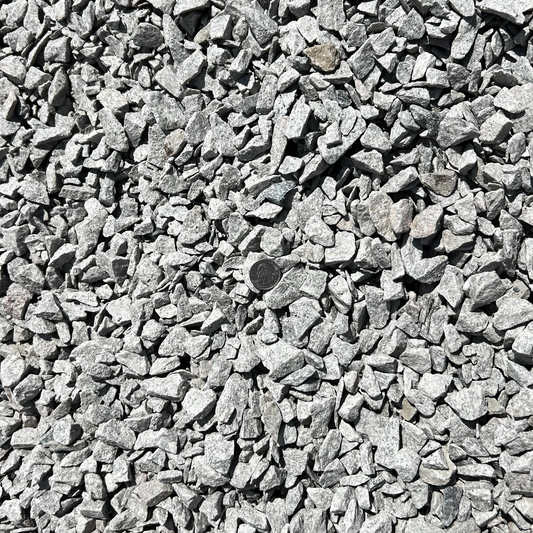
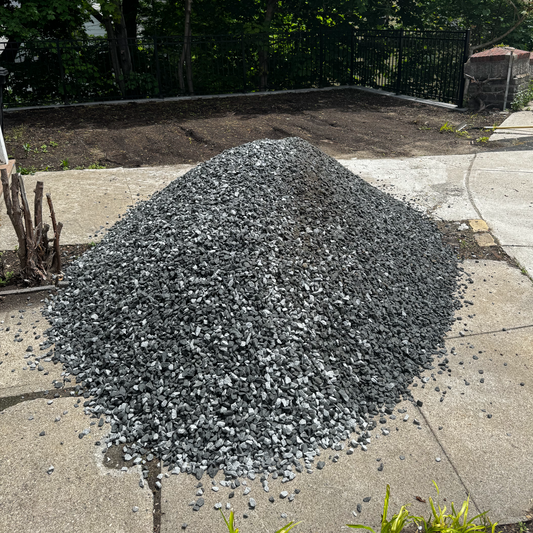
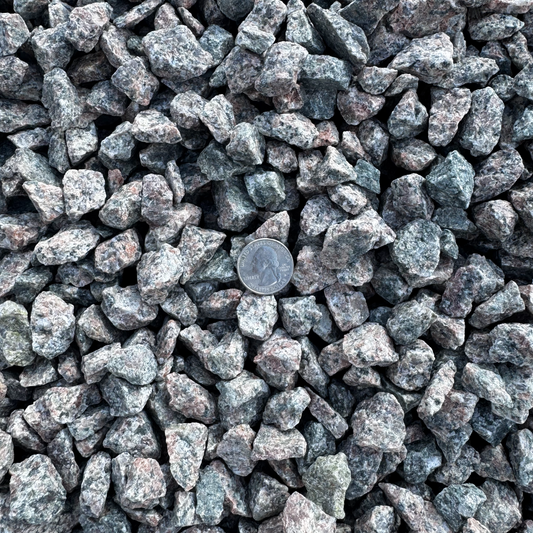
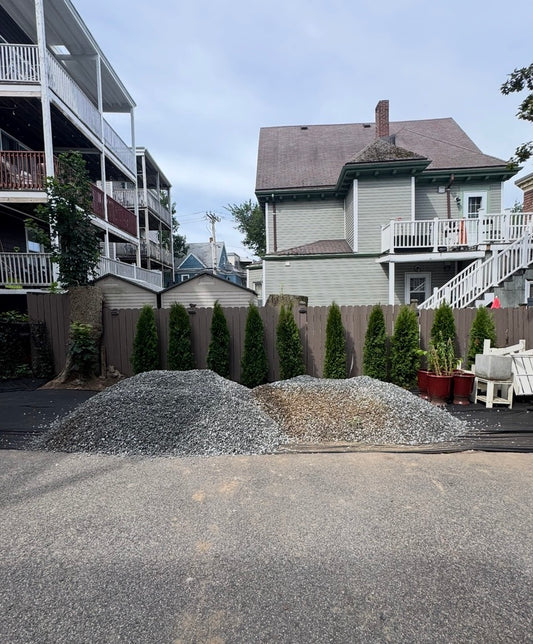
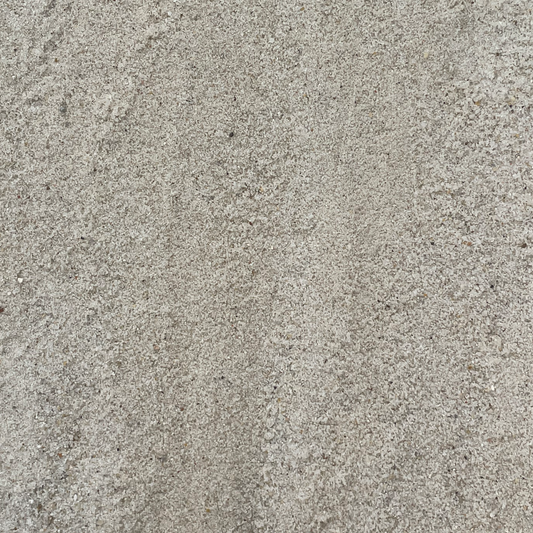
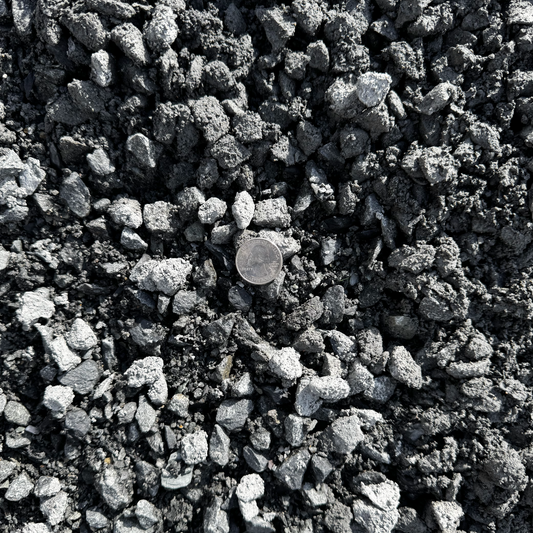
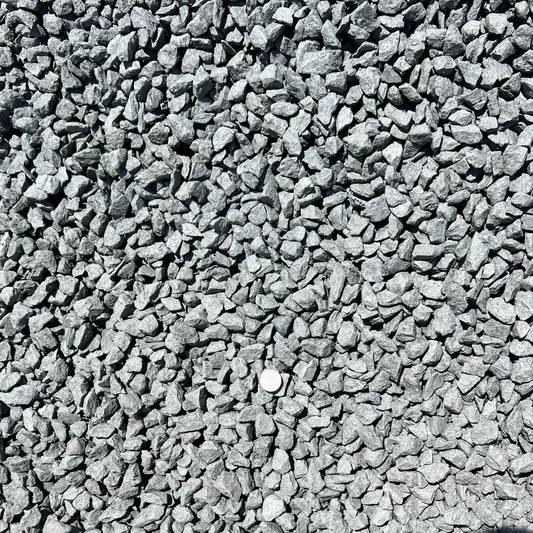
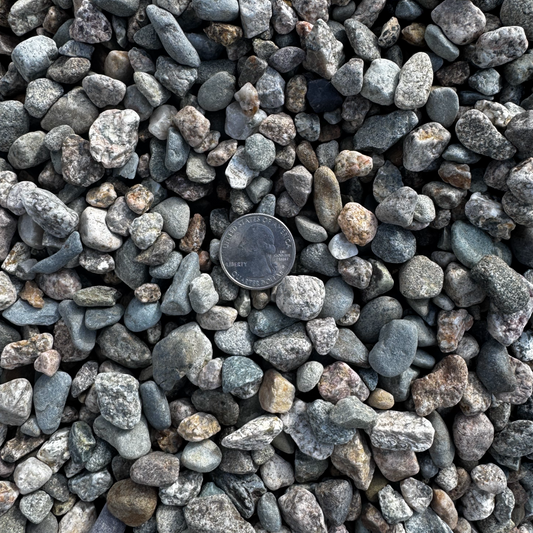
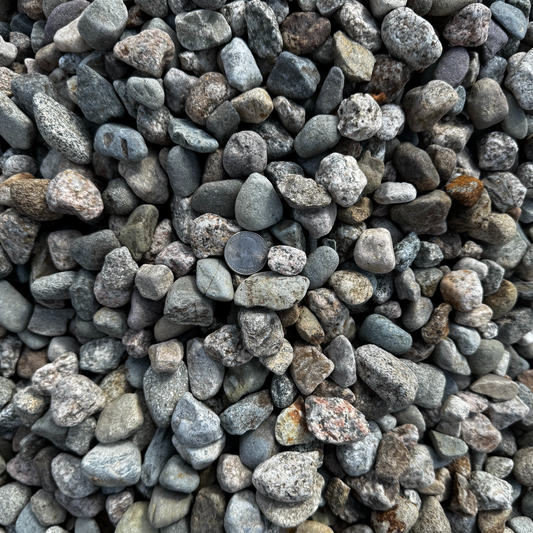
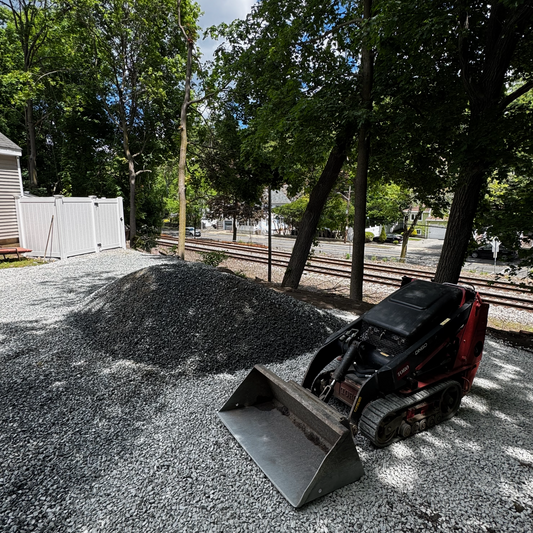
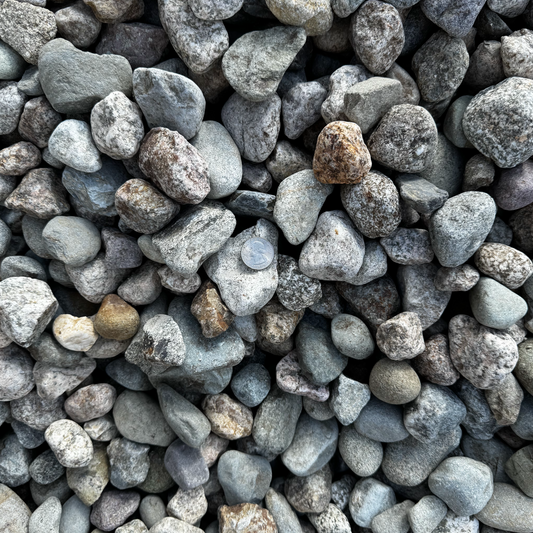
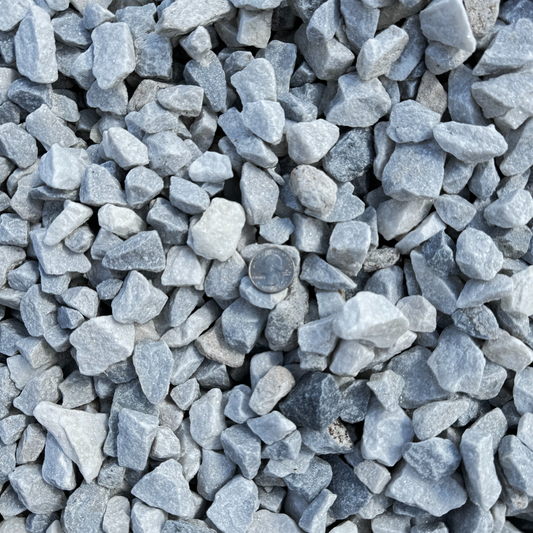
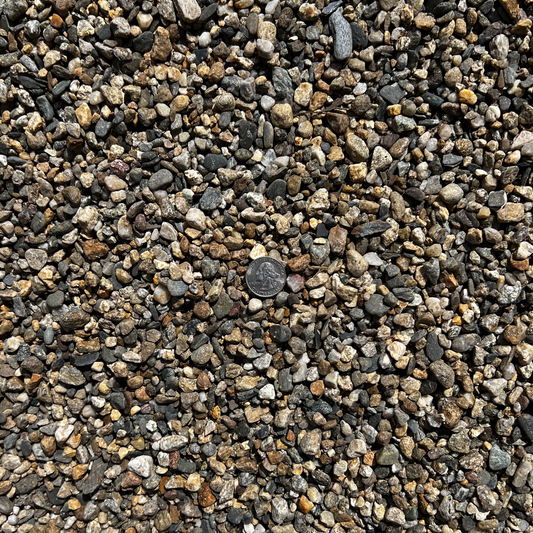
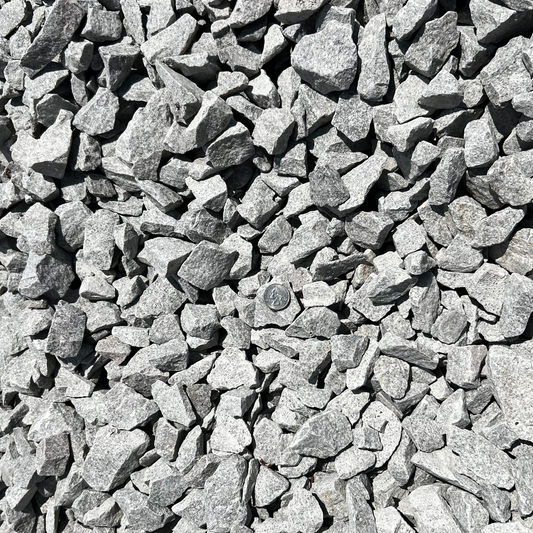
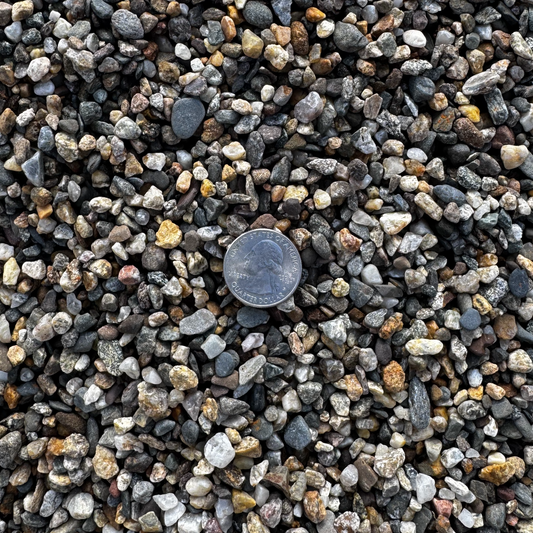
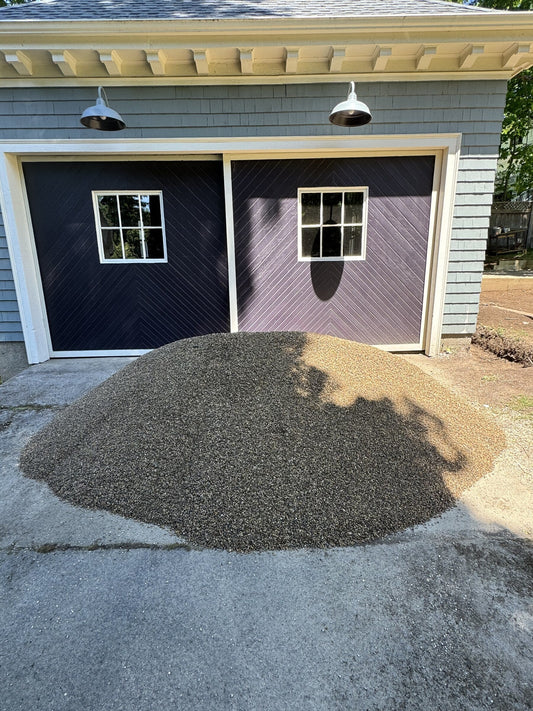
Order Dense Pack ¾" to minus from the crushed stone collection — for Brookline, the Brookline landscape supply routes deliver locally. Pea stone (⅜" Riverbed Rock) also works but Dense Pack provides better long-term structure.
Step 8: Fill with Crushed Stone (45 minutes)
Pour crushed stone over the pipe up to 4 inches below finished grade. Tap the stone in lightly with the shovel to settle voids. The 4-inch gap leaves room for soil cap.
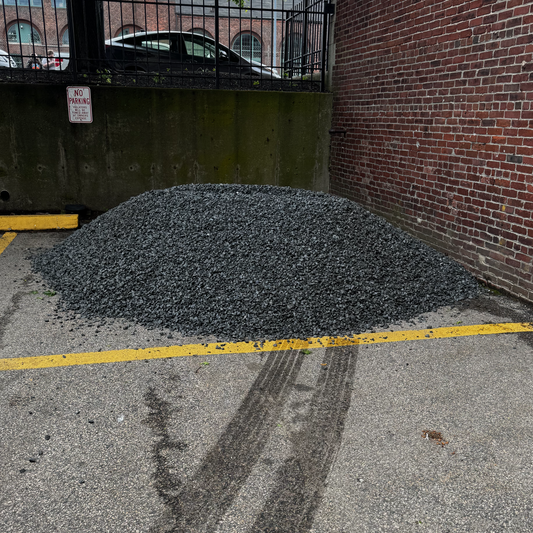
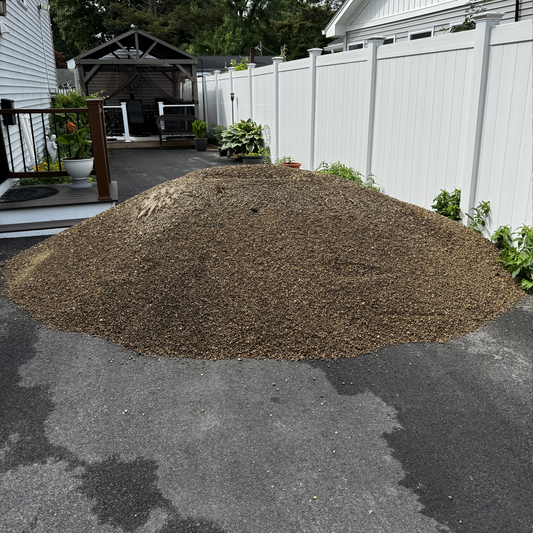
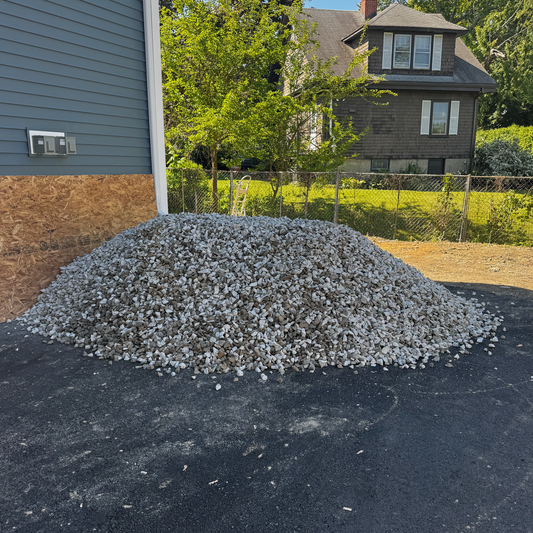
For a 6-foot trench: about 1.5 cubic yards of crushed stone.
Step 9: Fold Fabric Over Stone (5 minutes)
Pull the fabric overhangs over the top of the stone, overlapping in the middle. This creates a fully-wrapped stone column that won't silt up.
Step 10: Cap with Topsoil + Turf (30 minutes)
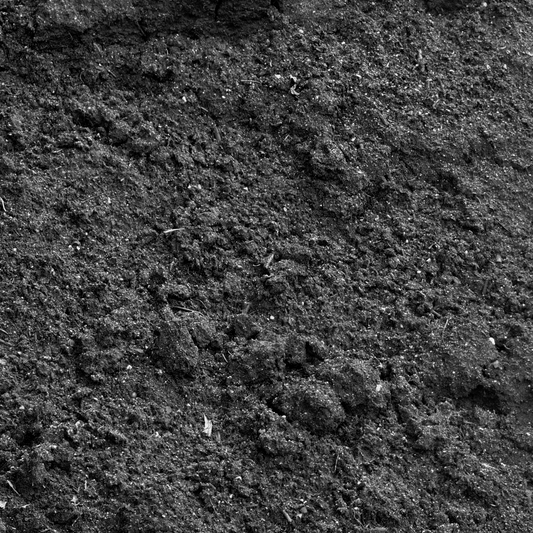
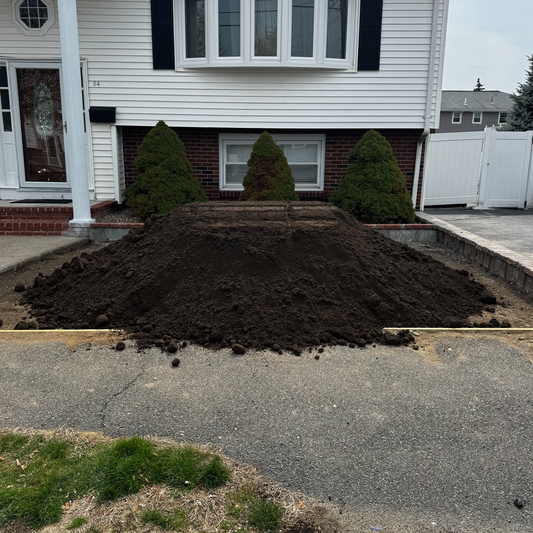
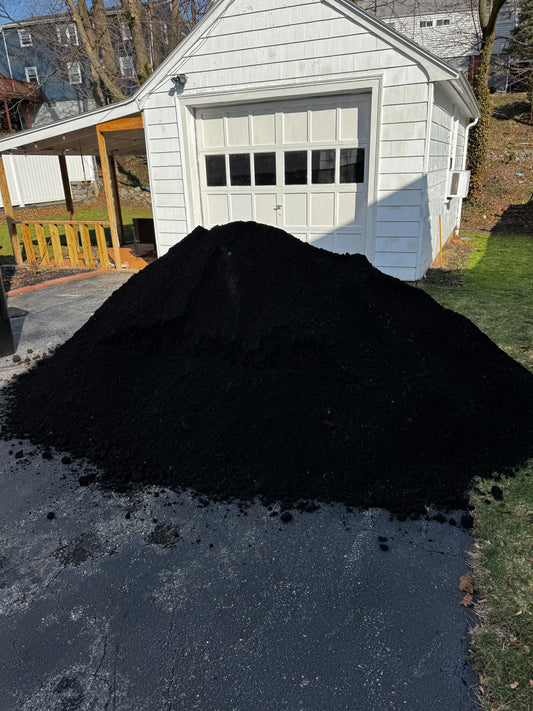
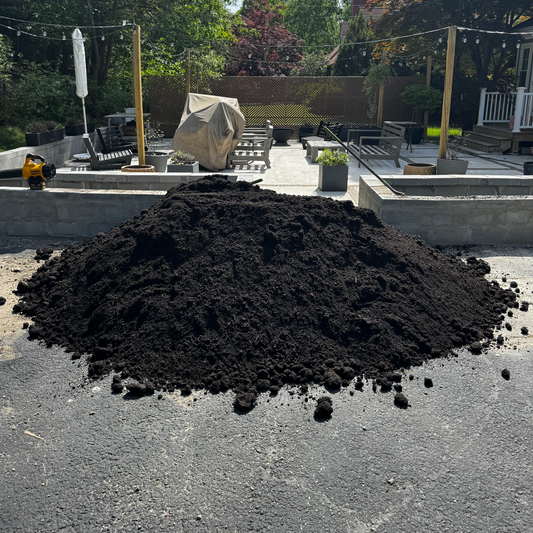
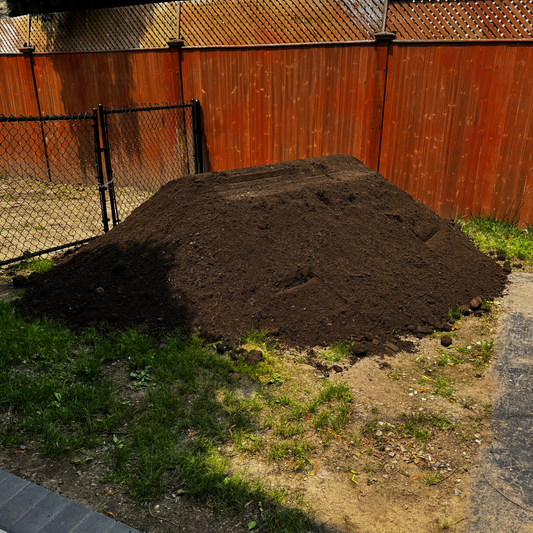
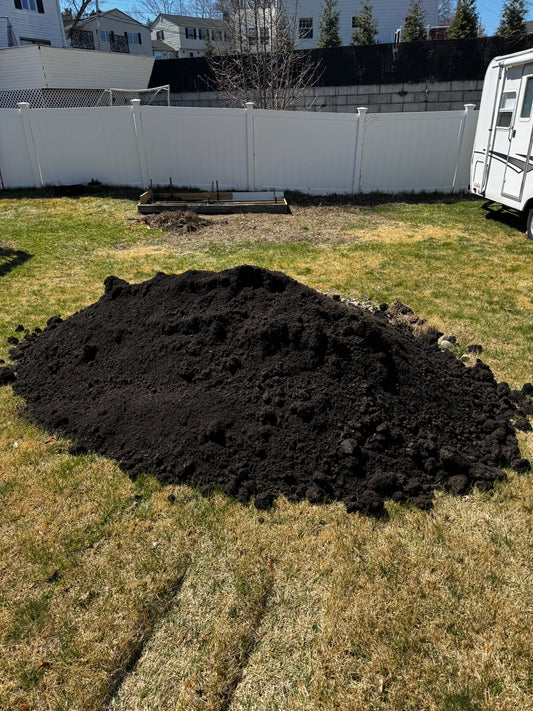
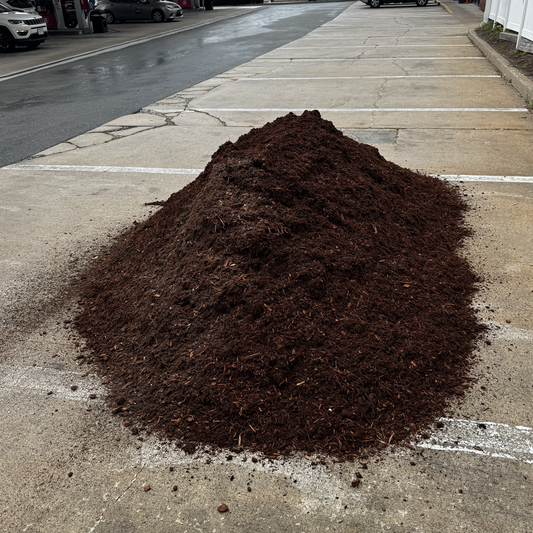
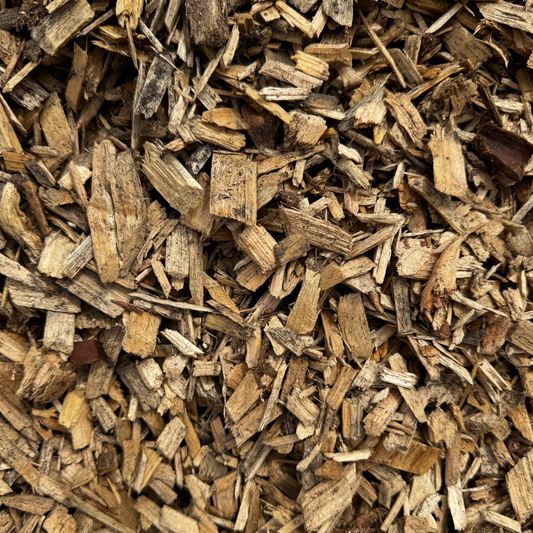
Fill the top 4 inches with topsoil — order Topsoil Loam ½" Screened from the French drain & drainage collection. Tamp lightly. Lay turf or seed.
For seed, see How to Overseed an MA Lawn the Right Way in Fall — same window applies.
Common Mistakes
- Skipping DigSafe — illegal and dangerous
- Flat trench bottom — the drain holds water instead of moving it
- Skipping landscape fabric — silt clogs the stone in 2–3 years
- Discharge to nowhere — pipe ends in soil, water comes right back
- Perforations up — counterintuitive but wrong; water has to fill the trench before entering the pipe
For the related downspout extensions that pair with a French drain, see 5 Downspout Extension Tips for Plymouth County Yards. For the broader Cape Cod fall mulch refresh that runs the same weekend, How to Refresh Mulch for Fall in a Cape Cod Bed.
What This Means for You
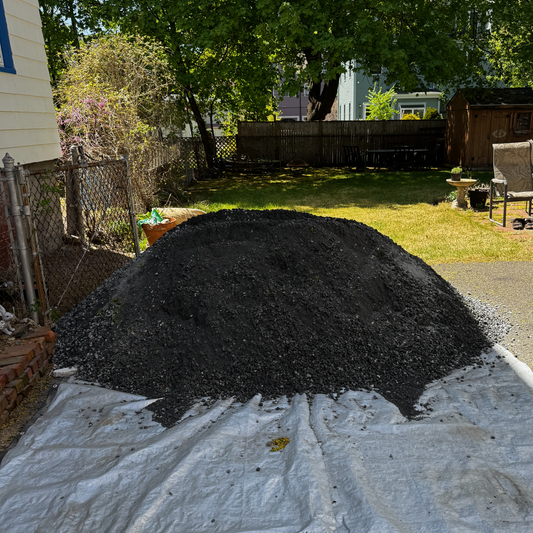
One Saturday, 1.5 cubic yards of Dense Pack and 1 cubic yard of topsoil, and the Brookline yard's chronic wet spot is resolved before fall rains start. Order material through the Brookline landscape supply routes — Ottr serves Beacon Street, Boylston Street, Washington Street, and Harvard Street addresses. The EPA Stormwater Management program has authoritative guidance on residential drainage.