Quick Answer
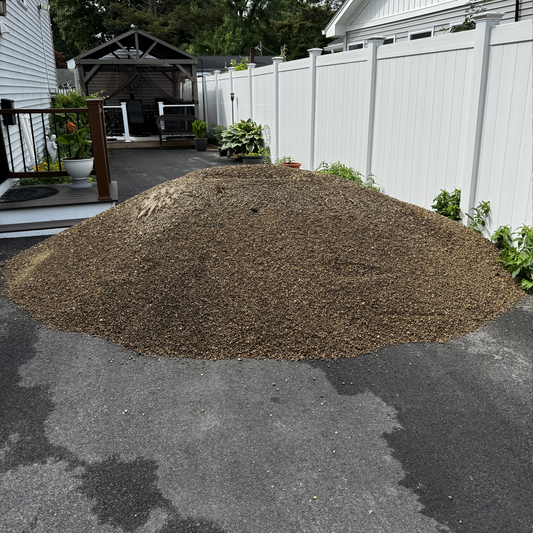
Five downspout extension tips that prevent foundation water in Plymouth County (Plymouth, Kingston, Marshfield, Pembroke, Halifax, Bridgewater): extend at least 4 feet from foundation, slope ¼ inch per foot minimum, use rigid pipe (not flexible accordion), discharge onto a 1-cubic-yard splash pad of crushed stone, and keep the discharge zone away from walkways and the neighbor's lot line. Total material for a typical 4-downspout 2,000 sq ft house: 4 cubic yards of crushed stone, $200–300 in pipe and emitters, one Saturday of work.
Why Plymouth County Houses Need Aggressive Downspout Strategy
Plymouth County's mix of sandy outwash (Plymouth, Kingston, Wareham), heavy glacial till (Bridgewater, Halifax, Middleborough), and coastal grade variations creates very different downspout failure modes. Sandy soils absorb roof water but undermine foundations over time. Clay-heavy inland soils saturate fast and pool against foundations. Both fail. The fix is the same: get the water 4 feet out and onto a stone splash pad.
For the broader top-5 drainage list, see Top 5 Drainage Upgrades Before Fall Rains in Boston. For the related French drain step-by-step, How to Prep a French Drain for Fall Rains in Brookline covers the next layer of fix when downspout extensions alone aren't enough.
1. Extend at Least 4 Feet From Foundation
The minimum that actually works. Three feet is a compromise. Two feet does nothing — water still infiltrates the backfill zone and runs back to the foundation. Four feet minimum, six feet preferred in the worst-draining yards (heavy clay in Halifax and Bridgewater).
Measure from the foundation wall to the discharge point of the extension pipe — not from where the downspout was originally installed.
2. Slope ¼ Inch Per Foot Minimum
Flat extensions hold water. Slope each extension ¼ inch per foot away from house — for a 4-foot extension, that's a 1-inch drop end-to-end. Use a small line-level or smartphone app to verify.
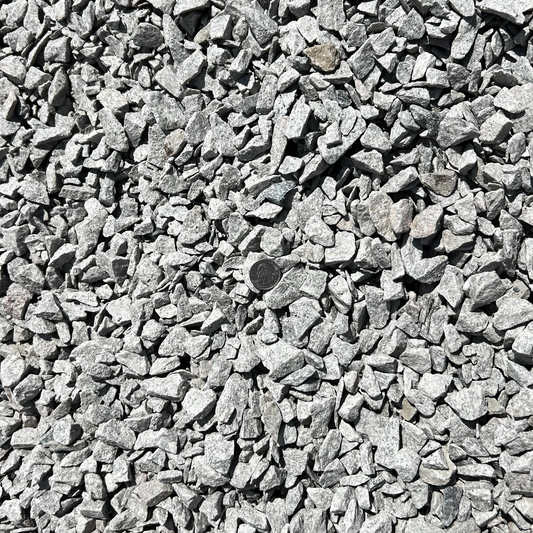
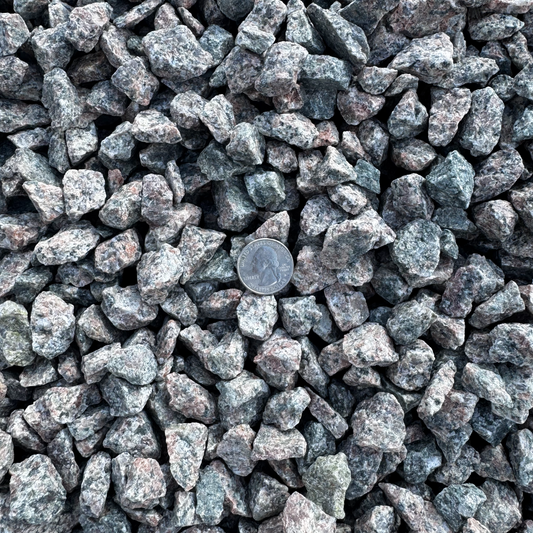
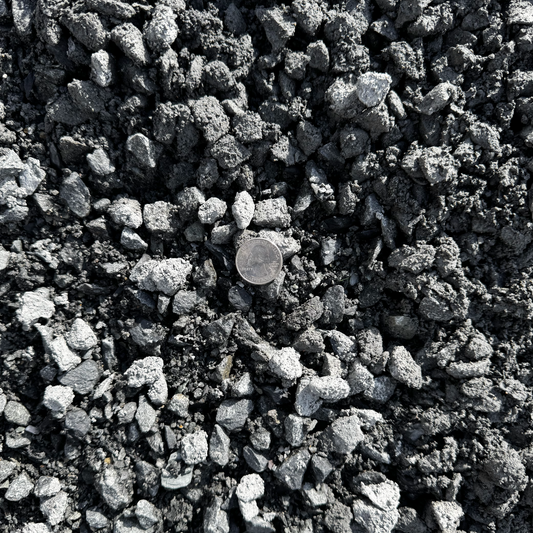
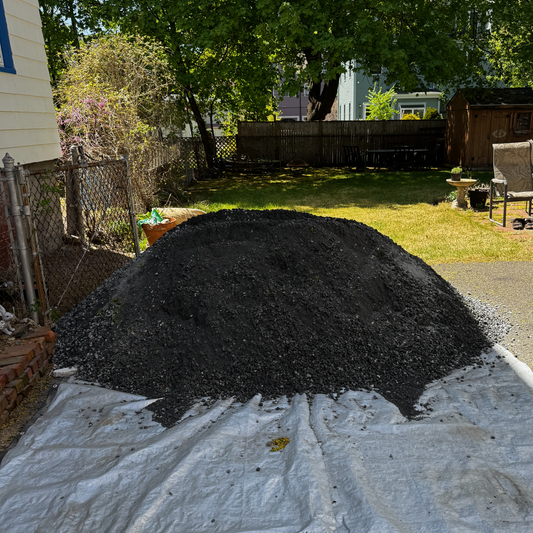
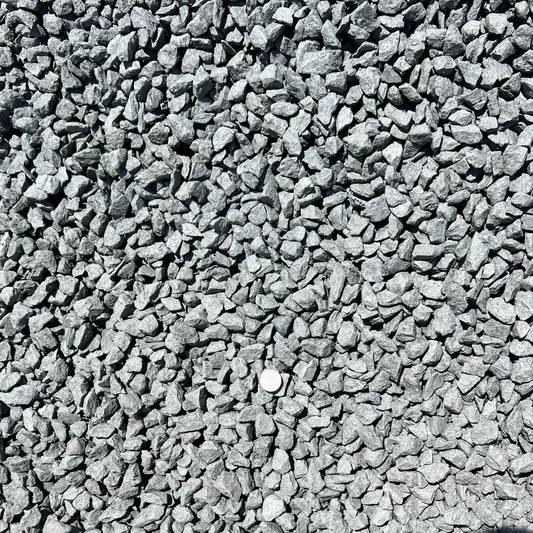
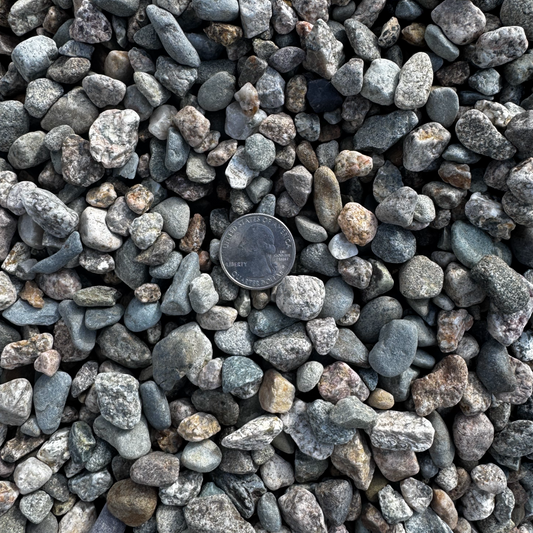
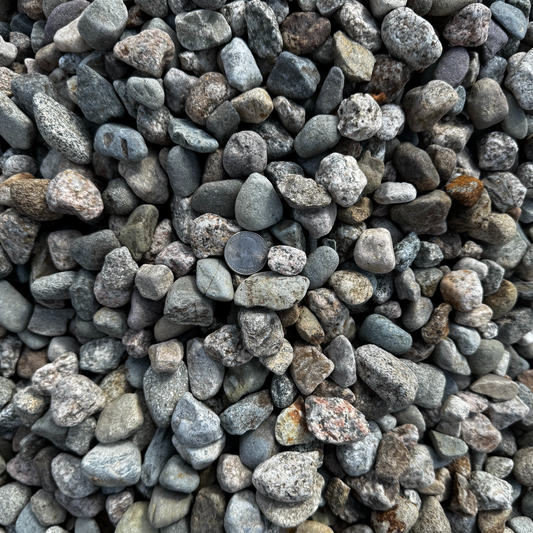
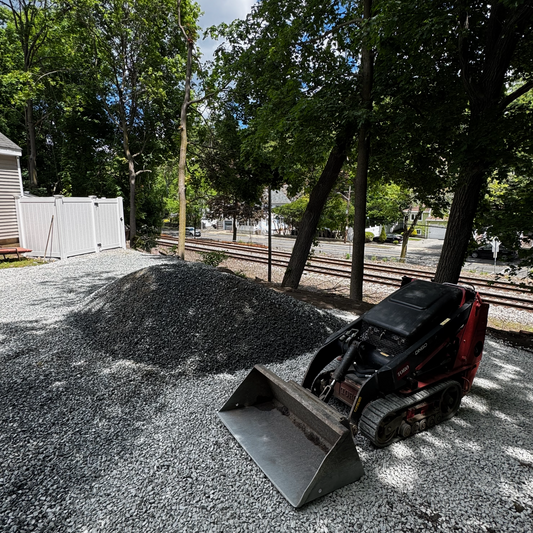
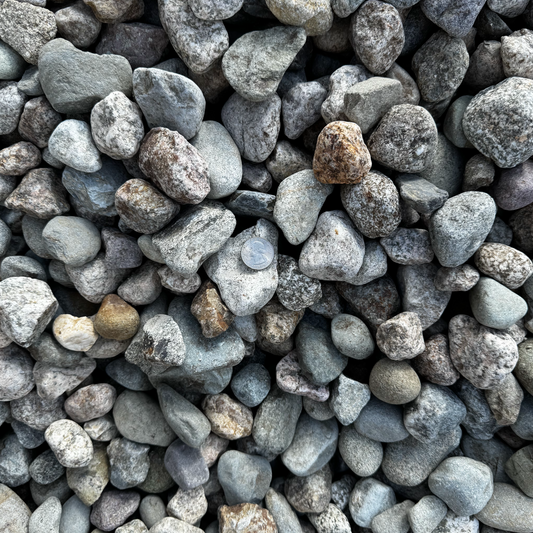
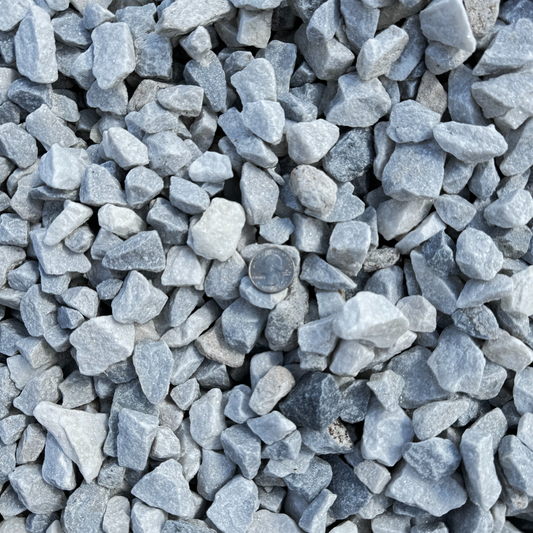
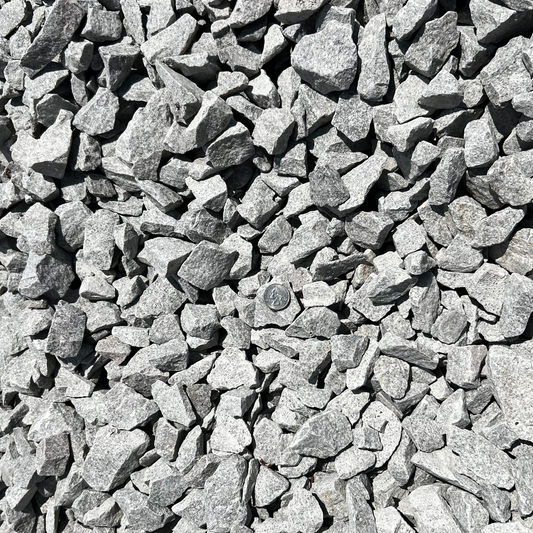
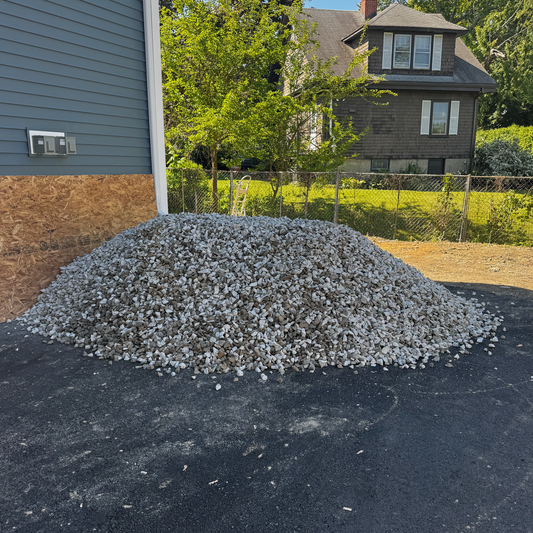
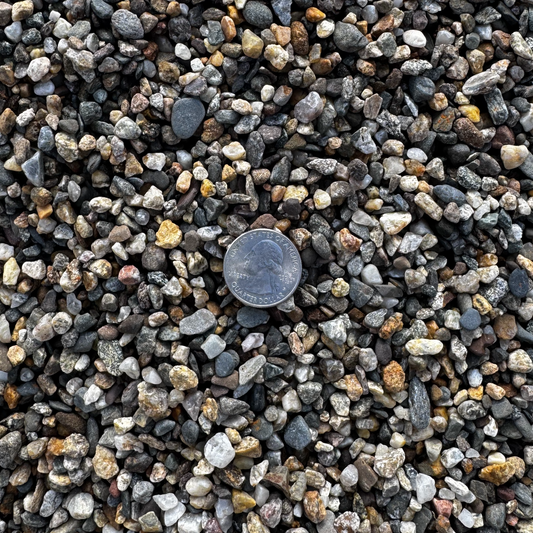
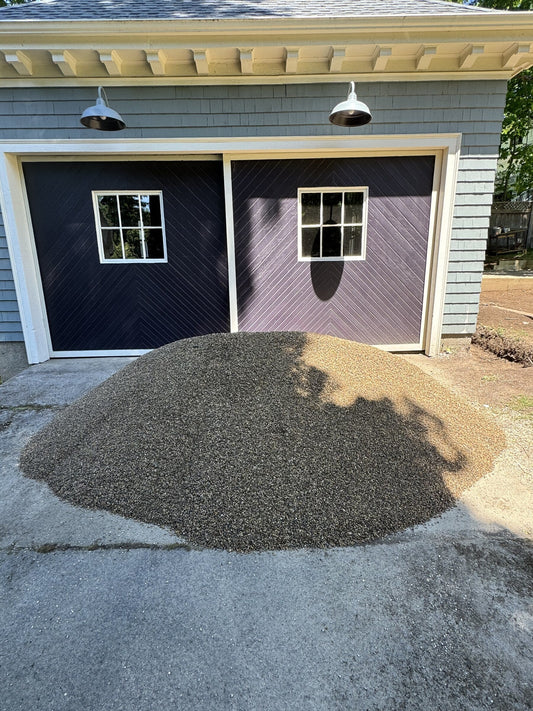
Where the natural grade fights you (Plymouth's sandy plains slope flat), build up a small berm of crushed stone at the discharge end to create the gradient. Order Dense Pack ¾" to minus from the crushed stone collection.
3. Use Rigid Pipe (Not Flexible Accordion)
Flexible accordion tube is the cheap option at the hardware store. It also collapses, holds debris in the corrugations, freezes solid in winter, and gets crushed by lawn mowers. Use rigid PVC or aluminum extensions. They cost 2x the accordion tube and last 10x as long.
Standard 3"x4" rectangular downspout adapts to 3" or 4" rigid round pipe with a single elbow.
4. Discharge Onto a 1-Cubic-Yard Splash Pad
The water leaving the extension pipe still has to go somewhere. Without a splash pad, it erodes a hole at the discharge point and re-creates a pool that migrates back toward the foundation.
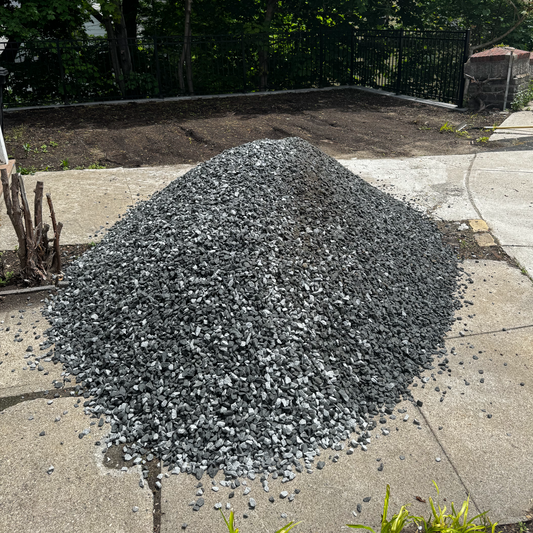
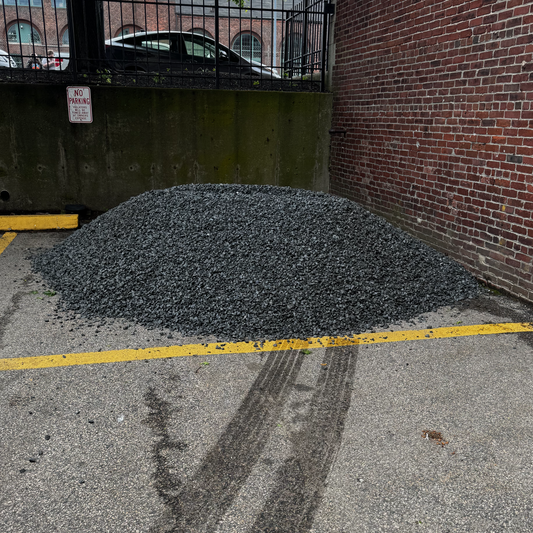
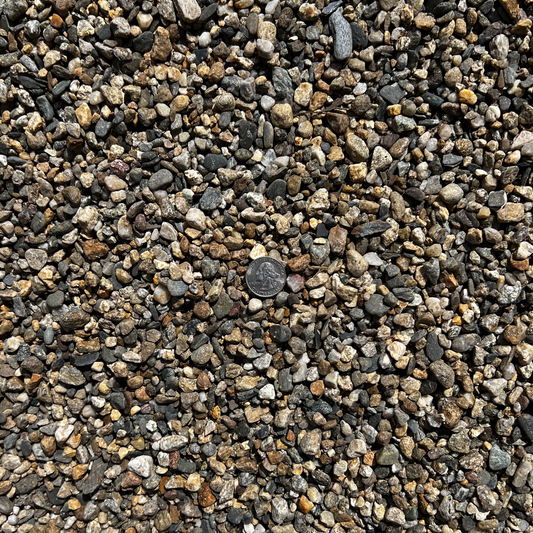
Build a 3' x 3' x 6" crushed stone splash pad at each discharge point. About 0.25 cubic yards per pad, so 1 cubic yard covers 4 downspouts. Browse the French drain & drainage collection for Dense Pack ¾" or pea stone — both work; pea stone looks cleaner.
For Plymouth County addresses, the Plymouth landscape supply routes deliver locally.
5. Keep Discharge Away From Walkways and Lot Lines
Don't discharge onto walkways (creates ice in winter, freeze-thaw cracks the pad). Don't discharge toward the neighbor's lot line (Plymouth County zoning enforces stormwater nuisance — your discharge becomes their basement problem, becomes legal action).
Best discharge directions: - Toward street curb drain (if grade allows) - Toward back of property (if downhill) - Onto a deep-rooted ornamental bed that absorbs the flow (rain-garden approach) - Into a French drain that pipes the water to a discharge zone away from the foundation
Common Plymouth County Mistakes
- Decorative copper downspouts left short — looks great, fails as drainage
- Underground "discharge to nowhere" — pipe enters the ground, just dumps into saturated soil, water comes right back
- Single downspout serving entire roof — overload during heavy rain, multi-downspout split is required by most modern codes
- Discharge onto driveway — accelerates pavement degradation, ice hazard
For the related foundation-flood Q&A, see Why Are My Somerville Gutters Flooding the Foundation?. For the fall color top-5 that runs alongside drainage prep, Top 5 Fall Color Plants for Plymouth County Yards covers the planting side of the same calendar.
What This Means for You
One Saturday, 4 cubic yards of crushed stone, $200–300 in pipe and emitters — and the Plymouth County house comes through fall storms dry. Order material through the Plymouth landscape supply routes for delivery to Plymouth, Kingston, Marshfield, Pembroke, Halifax, and Bridgewater. The EPA Stormwater Management program has authoritative guidance on residential stormwater handling.