Quick Answer
Somerville gutters flood foundations because the downspouts dump roof water within 6 inches of the wall, the soil grade slopes back toward the house, and the gutters themselves are clogged or pitched wrong. Three fixes solve 90% of cases: extend each downspout 4 feet from the foundation, regrade the first 6 feet to fall away from the house at 1 inch per foot, and clean the gutters before October 1. Triple-decker properties on Highland Avenue, Broadway, and Somerville Avenue are the most common patients — narrow setbacks compound the problem.
Why Somerville Foundations Are Especially Vulnerable
Somerville's housing stock — turn-of-the-century triple-deckers, Victorian-era singles, dense lot lines — concentrates roof water in tight spaces. A typical Somerville triple-decker has 1,800 sq ft of roof feeding 3–4 downspouts that discharge into a 6-foot setback before the foundation wall. Even a moderate rain event puts hundreds of gallons against the foundation in an hour. Soil saturates, hydrostatic pressure climbs, basement walls weep.
The fix is mechanical, not mystical. Move the water further from the foundation and the basement stays dry.
For the related top-5 drainage upgrades, see Top 5 Drainage Upgrades Before Fall Rains in Boston. For the French drain step-by-step, How to Prep a French Drain for Fall Rains in Brookline covers the next layer of fix.
Q: How do I know if my gutters are the problem?
A: Watch them during the next moderate rain. Diagnostic signs: water spilling over the front edge (gutter is pitched wrong or clogged), water running down the back of the gutter against the fascia (gutter pulled away from house), water shooting straight out of the downspout onto the foundation (extension missing). Each has a different fix.
Q: What's the difference between a gutter problem and a downspout problem?
A: Gutters collect; downspouts discharge. A clogged or sagging gutter overflows at the gutter line. A short or missing downspout extension dumps the entire roof's water at the foundation. Most "flooded foundation" cases are downspout problems disguised as gutter problems.
Q: How much should I extend my downspouts?
A: 4 feet minimum, 6 feet preferred. Three feet doesn't reach beyond the disturbed-soil zone of the foundation backfill. Four feet does. Six feet is better in heavy clay soils. For the full extension playbook, see 5 Downspout Extension Tips for Plymouth County Yards — same principles apply in Somerville.
Q: My downspouts are extended but the foundation still gets wet. What's next?
A: Re-grade the first 6 feet around the foundation. Soil settles over time, often back toward the house. The first 6 feet from the foundation should fall at least 1 inch per foot away — that's a 6-inch drop across the 6-foot zone. Where it doesn't, add Topsoil Loam ½" Screened or Fill Dirt and re-establish the slope. Browse the French drain & drainage collection for material.
Q: Can I use a French drain inside the basement instead?
A: Interior French drains help, but the prevention work is outside. Interior systems collect water that's already inside the wall and pump it out. They don't stop the saturated-soil pressure that's pushing water through the wall. Outside fixes (downspout extension, regrading, exterior French drain) reduce the water load on the wall in the first place.
Q: My yard is too small for downspout extensions. What do I do?
A: Use a buried discharge pipe or a connection to the storm sewer. For tight Somerville lots (Davis Square, Union Square, Spring Hill triple-deckers), bury a 4-inch PVC pipe from the downspout out to the curb drain or rear of property. Confirm with the City of Somerville before connecting to municipal storm drain — many are now combined sewer systems with restrictions on roof connections.
Q: How often should I clean gutters in Somerville?
A: Twice a year minimum — late October and late April. Somerville's mature street trees (Linden, Maple, Oak) drop heavy leaf loads October through November. A clean gutter October 25 is full again by Thanksgiving. Some homeowners install gutter guards (mesh screens) that reduce frequency to once a year.
Q: What about ice dams in February — are they related?
A: Yes, partially. Ice dams form when warm air from the attic melts roof snow that refreezes at the cold gutter edge. Clogged gutters worsen ice dam formation by trapping the meltwater. Cleaning gutters in fall is a small ice-dam prevention step (insulation and ventilation are the bigger fixes).
Q: Does Ottr deliver the materials I need?
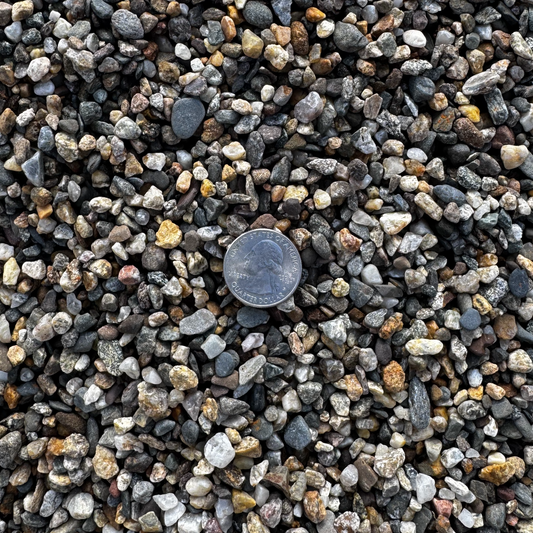
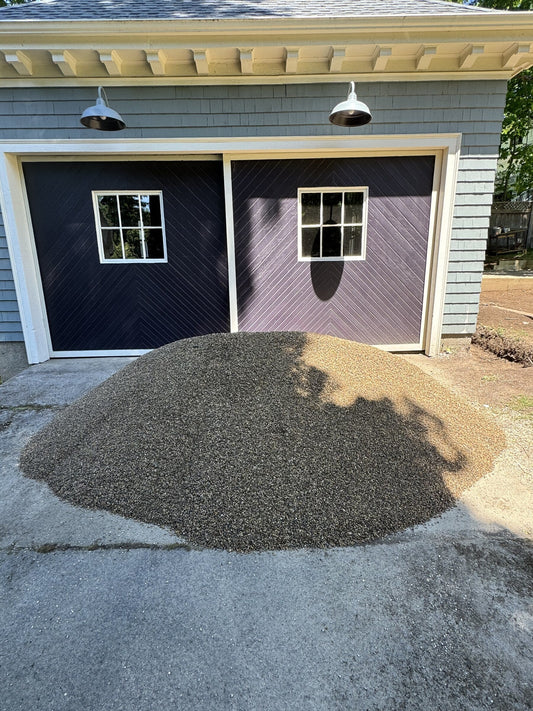
A: Yes — Topsoil Loam ½" Screened, Fill Dirt, and Crushed Stone for splash pads or French drains. Browse the Somerville landscape supply routes for local delivery, or the French drain & drainage collection for full product pricing. The EPA Stormwater Management program has authoritative guidance on residential stormwater.
For the related downspout extension tips and broader drainage context, see 5 Downspout Extension Tips for Plymouth County Yards. For the surface-vs-subsurface review, French Drain vs Surface Swale for an MA Yard.
The Somerville Foundation-Drainage Playbook
- September 22: Walk the property in the next rain. Photo each downspout in action.
- September 25–28: Order extensions, splash blocks, and crushed stone.
- October 1–5: Install extensions, regrade as needed.
- October 10–15: Clean gutters, check pitch, inspect for sags.
- November 1: Walk again in next rain. Confirm fixes hold.
- April: Second gutter cleaning and inspection.
The short version: Somerville gutter-foundation floods are mostly a downspout-extension and regrading problem. Two weekends of work, 1–2 cubic yards of crushed stone, and a couple cubic yards of fill dirt resolve most cases. Material delivery takes 5–7 days through October peak — order ahead.