Quick Answer
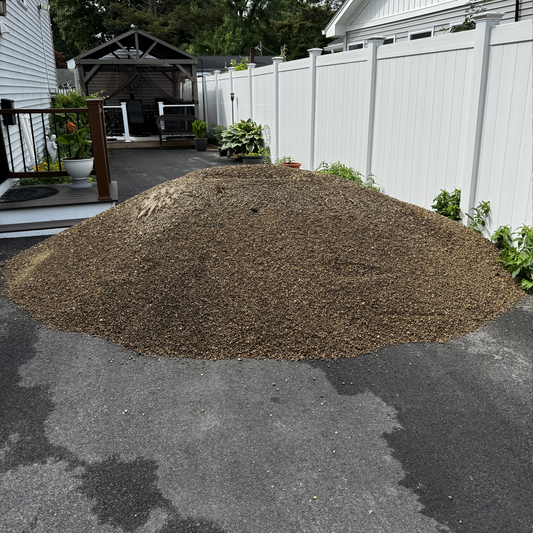
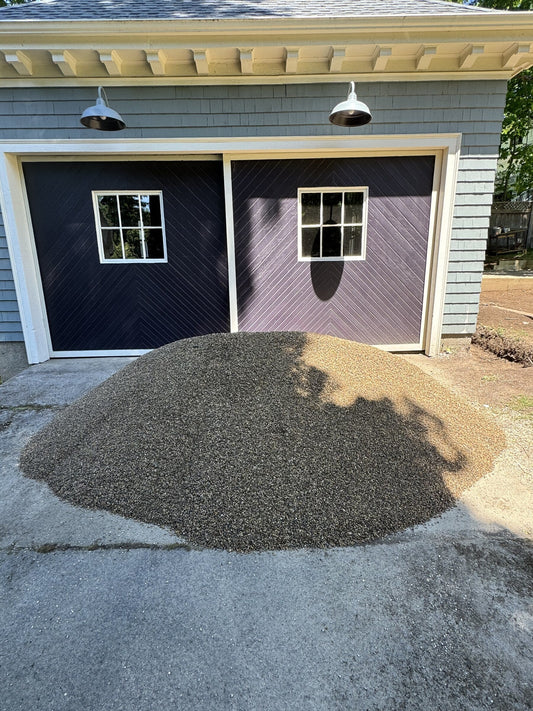
Top five drainage upgrades to make before Boston's fall rains: extend downspouts at least 4 feet from the foundation, install splash blocks or pop-up emitters at every discharge, add a small 6-foot French drain at the worst-draining low spot, re-grade the first 6 feet around the foundation to fall away from the house at 1 inch per foot, and clean gutters before October 1. Total bulk material for a typical 2-story Boston house: about 2 cubic yards of crushed stone and 1 cubic yard of fill dirt. Lead time on materials: 5–7 days through October.
Why Boston's Fall Rains Demand Drainage Prep
Boston's October-November rainfall averages 4.2 inches per month, but the storms come faster and harder than in summer — frontal systems off the Atlantic dump 1–2 inches in a single afternoon. Combined with falling leaves clogging gutters and downspouts, that pattern produces basement floods, foundation seepage, and the ice-dam precursors that show up in February. Five focused weekends in September fix most of it.
For the related downspout-specific tips, see 5 Downspout Extension Tips for Plymouth County Yards. For the foundation flooding Q&A, Why Are My Somerville Gutters Flooding the Foundation? covers the diagnosis side.
1. Extend Downspouts 4 Feet From Foundation
The single highest-impact fix. Most Boston houses (Dorchester, Roxbury, Brighton, Roslindale, West Roxbury) have downspouts terminating 6 inches from the foundation — directly dumping roof water onto the basement wall. Extending each downspout 4 feet moves that water to a zone where soil drainage takes over.
Use rigid PVC or aluminum extensions (not flexible accordion tube — collapses, holds debris). Slope at least ¼ inch per foot away from house.
2. Install Splash-Block or Pop-Up Emitter
At the end of each extended downspout, install either a concrete splash block ($15–25, simple) or a pop-up emitter ($30–50, dispersed flow). Splash blocks suit small downspouts; pop-up emitters disperse flow over a 4-foot radius and look cleaner in lawn areas.
For Boston's tight urban yards (Charlestown, North End triple-deckers, South End brownstones), splash blocks angled toward the street drain often beat any in-yard solution.
3. Add a Small French Drain at the Worst Spot
Walk the property after the next 1-inch rain. Find the spot that holds water longest. A 6-foot French drain trenched 18 inches deep and filled with crushed stone wrapped in landscape fabric will move that water to the curb or rear of property in most conditions.
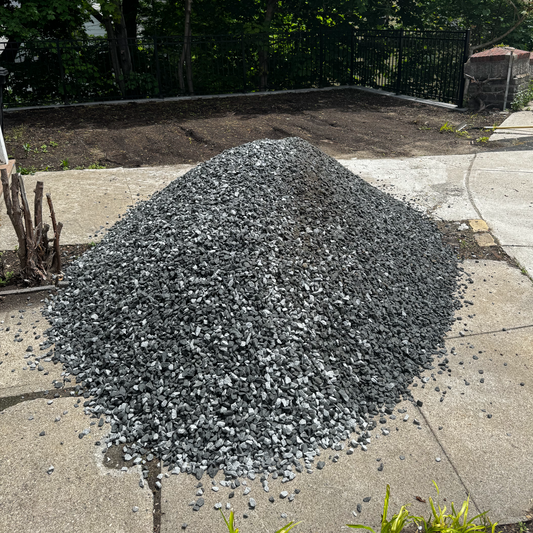
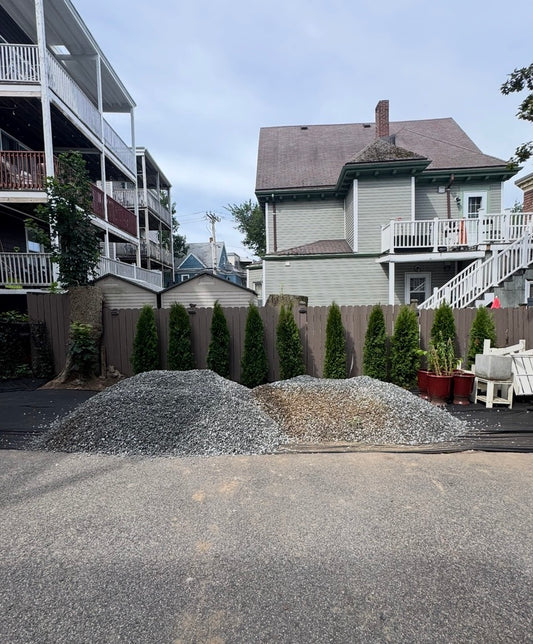
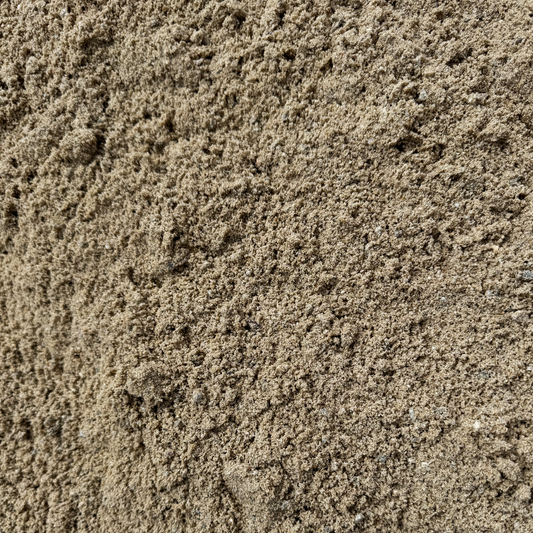
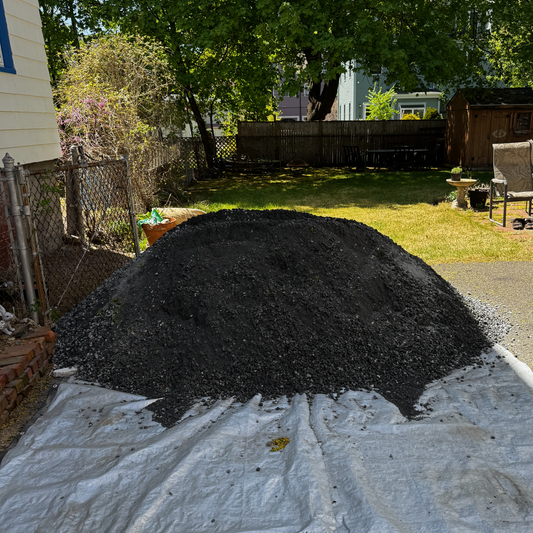
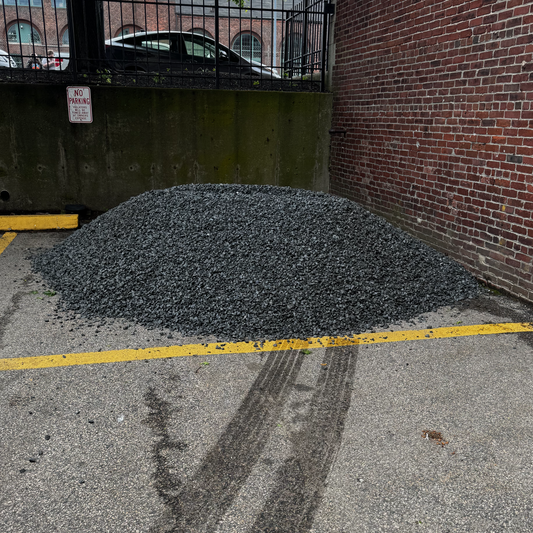
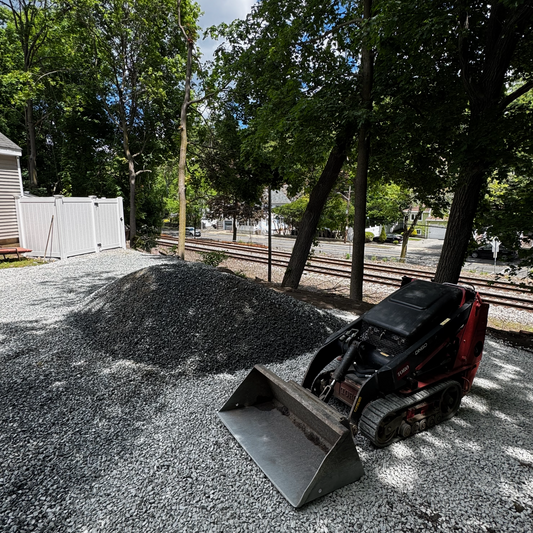
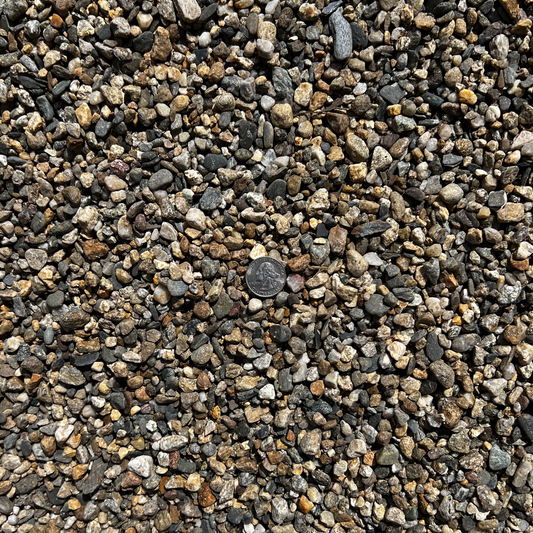
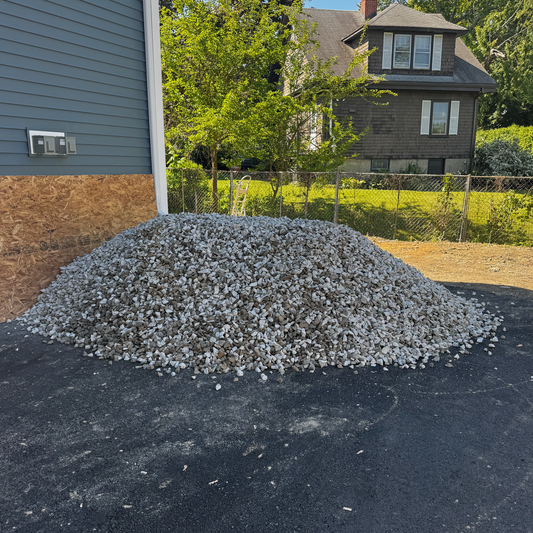
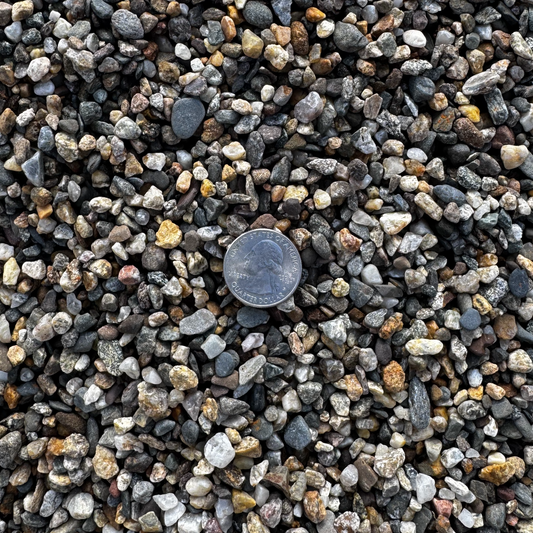
Material list for a 6-foot French drain: - 1.5 cubic yards crushed stone (Dense Pack ¾" to minus, or ⅜" pea stone) from the crushed stone collection - 4-inch perforated drain pipe (10 feet) — local hardware store - Landscape fabric (4-foot wide × 12 feet) — local hardware store - 1 cubic yard of fill or topsoil to cap
For full step-by-step, see How to Prep a French Drain for Fall Rains in Brookline — same playbook applies in Boston.
4. Re-Grade the First 6 Feet Around Foundation
Soil settles over time, often back toward the house. The grade in the first 6 feet from foundation should fall at least 1 inch per foot (so a 6-foot zone drops 6 inches). Where it doesn't, add fill dirt or topsoil and re-establish the slope.
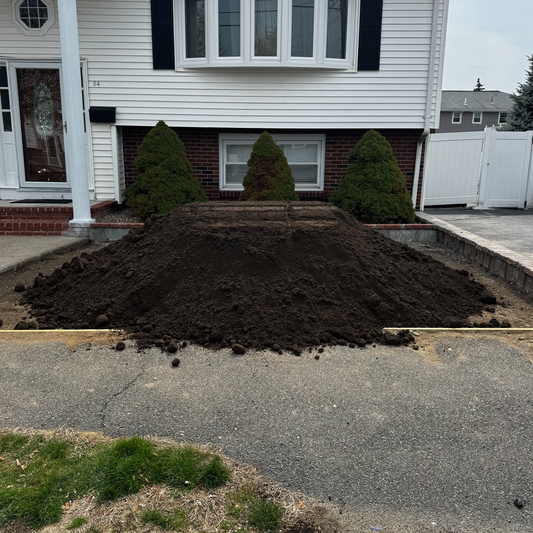
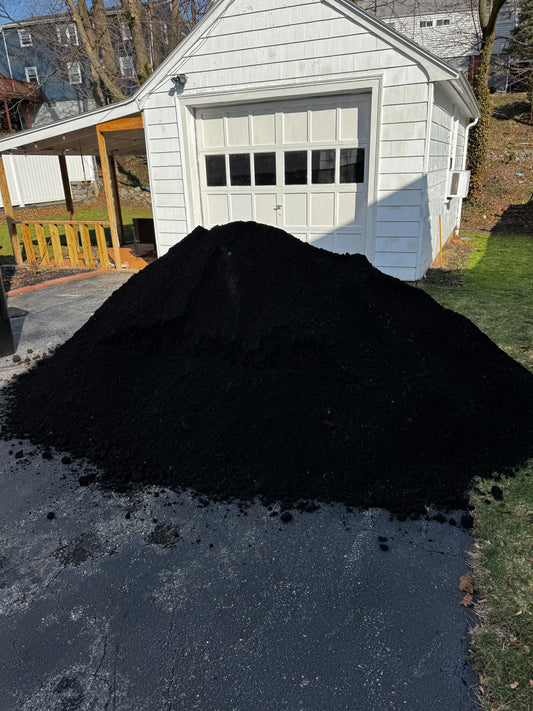
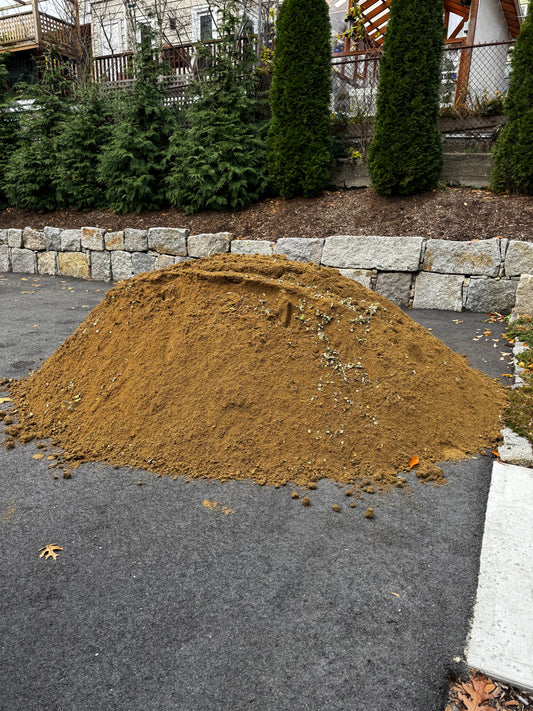
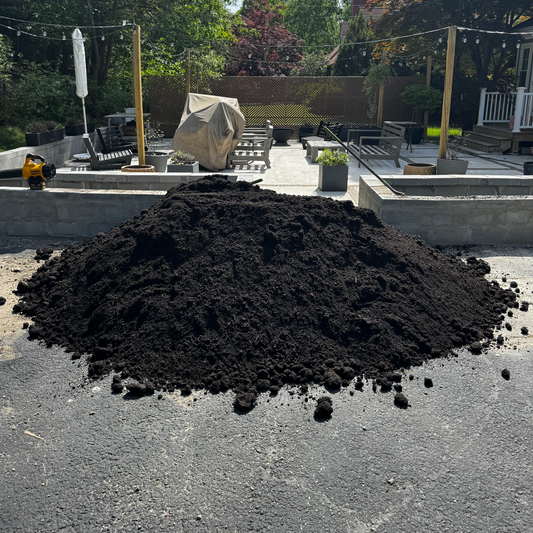
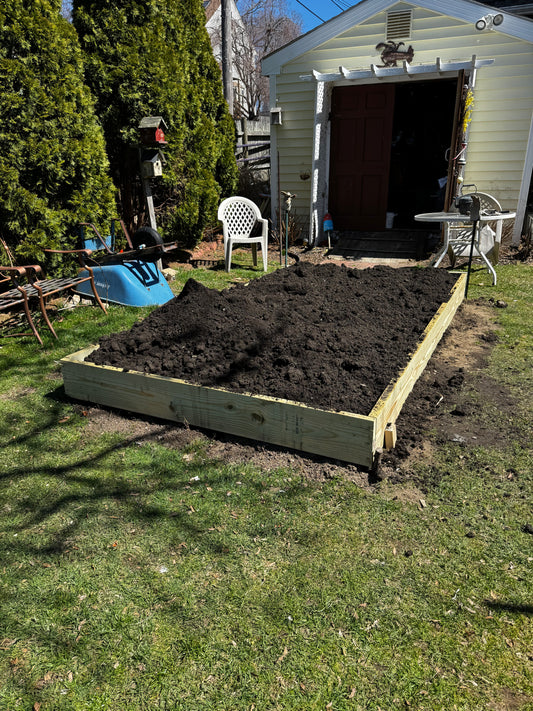
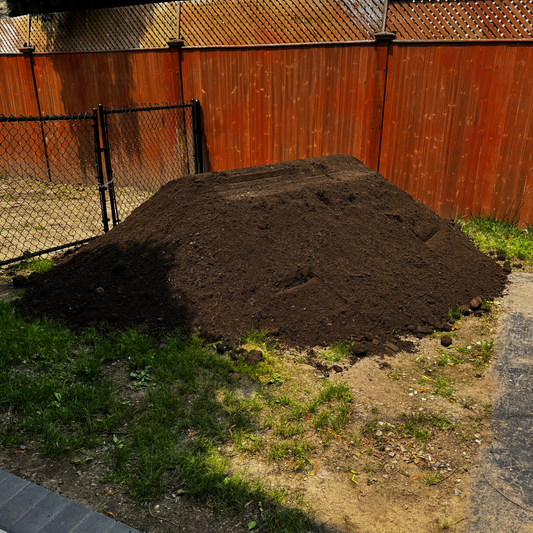
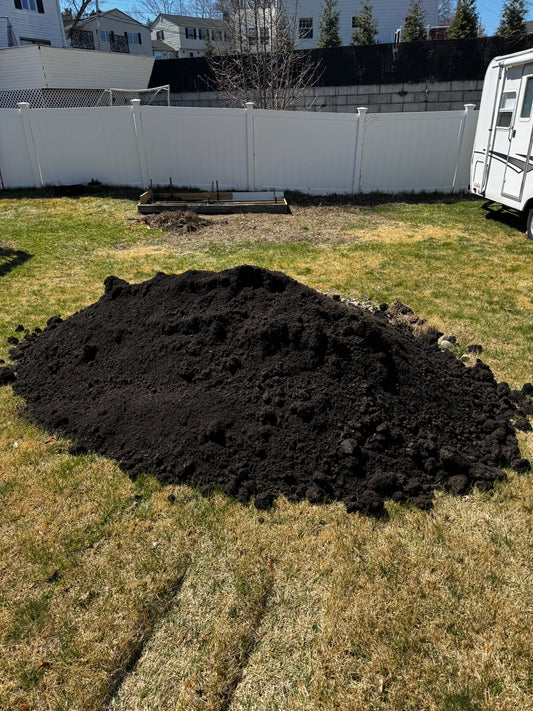
Order Fill Dirt or Topsoil Loam ½" Screened from the French drain & drainage collection — typical Boston row house needs 1–2 cubic yards for full perimeter regrade.
5. Clean and Inspect Gutters Before October 1
Free task, highest leverage. Clogged gutters overflow at the back of the gutter (against the fascia) — water gets behind siding and into walls. Clean before October 1, before the heavy leaf drop.
While cleaning, check for: sagging gutter (water pools), missing gutter screws, downspout-strainer needed at top of each downspout. The EPA Stormwater Management program has authoritative guidance on residential stormwater management.
Boston-Specific Notes
- Triple-deckers in Dorchester, Roxbury, JP — often share downspouts across units; coordinate with neighbors.
- Brownstones in Back Bay, South End — historic district restrictions may limit visible drainage modifications. Check with the BLC before exterior changes.
- Slope yards in Roslindale, Hyde Park — French drains carry more weight here than re-grading; the gradient is your friend.
- Reclaimed lots in South Boston, East Boston — historic fill complicates drainage; soil tests before major regrading.
For the related September lawn calendar that runs in parallel, How to Schedule Fall Lawn Care in Middlesex County covers the lawn side.
What This Means for You
Five focused weekends in September, about 2 cubic yards of crushed stone and 1 cubic yard of fill, and the Boston house comes through October-November rains dry. Order materials through the Boston landscape supply routes — Ottr serves Dorchester, Roxbury, Brighton, Roslindale, West Roxbury, Hyde Park, JP, and the rest of the city.