Quick Answer
For an MA yard with a chronic wet spot: a French drain wins for tight setbacks and discrete fixes ($300–600 in materials, invisible after grass grows back), a surface swale wins for larger watershed problems and budget jobs ($100–300 in materials, visible as a shallow grass-covered ditch). French drains pipe water through buried perforated pipe wrapped in stone and fabric. Surface swales channel water across the surface in a shaped low spot. Quick rule: less than 30 feet of run = French drain; more than 30 feet, or downhill across mostly-empty yard = surface swale.
Why This Comparison Matters
Most "wet yard" problems in MA — from Cape Cod sandy outwash to inland Worcester County clay — fall into two solution buckets: a localized buried pipe or a shaped surface channel. Choosing wrong wastes time and money. The decision turns on three things: distance, lot constraints, and aesthetics.
For the related French drain step-by-step, see How to Prep a French Drain for Fall Rains in Brookline. For the broader drainage upgrade list, Top 5 Drainage Upgrades Before Fall Rains in Boston.
French Drain: When It Wins
A French drain is a buried perforated pipe wrapped in crushed stone and landscape fabric, sloped to discharge.
Wins on: - Short runs (under 30 feet) - Tight setbacks (4-foot zone between foundation and walk) - Established lawns where surface disturbance is unwelcome - Foundation-perimeter drainage - Discrete fixes for one wet spot
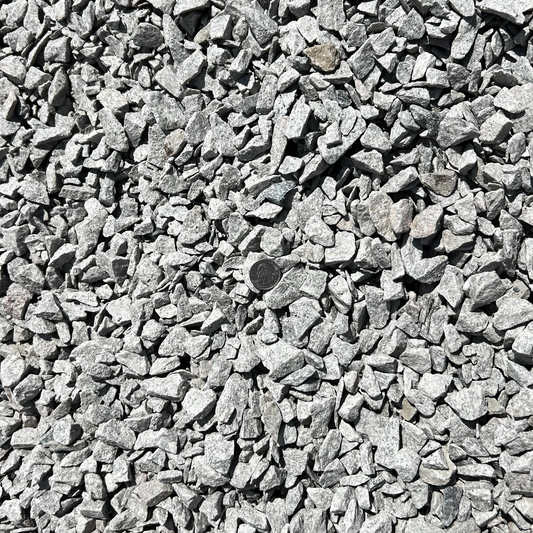
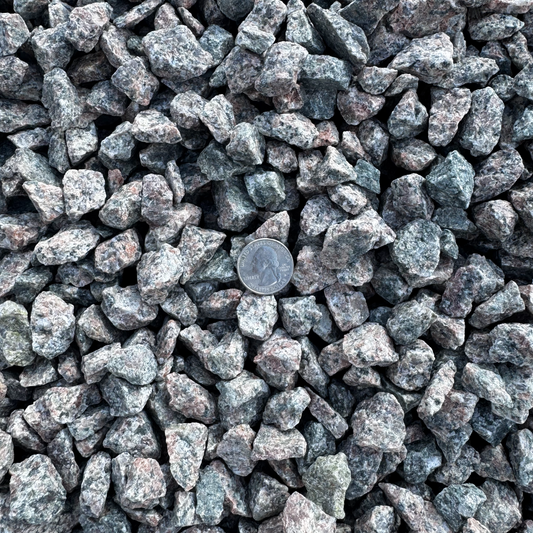
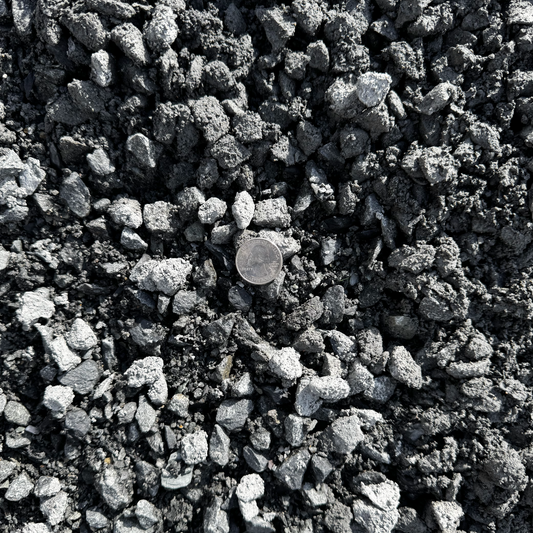
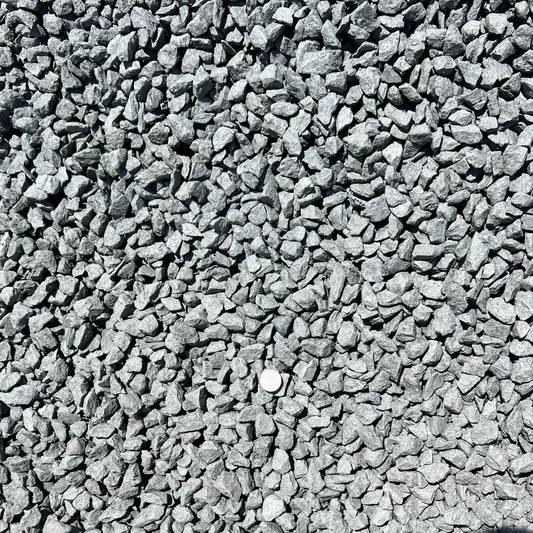
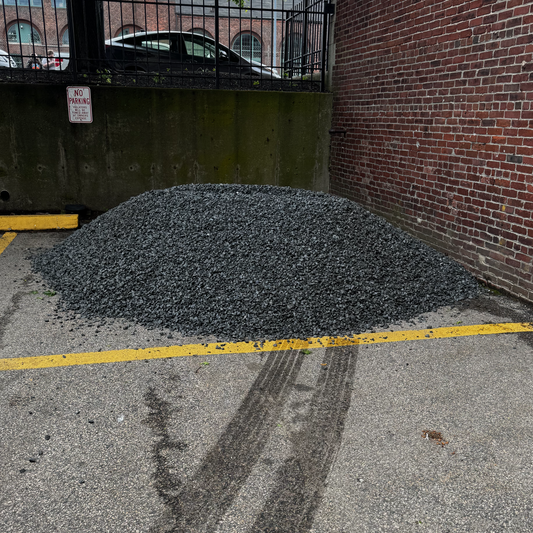
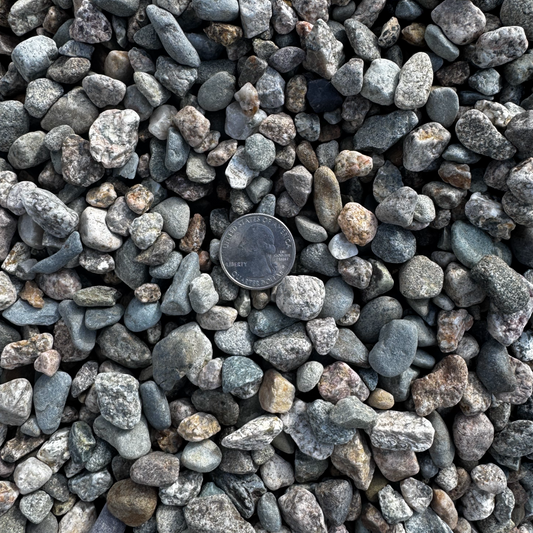
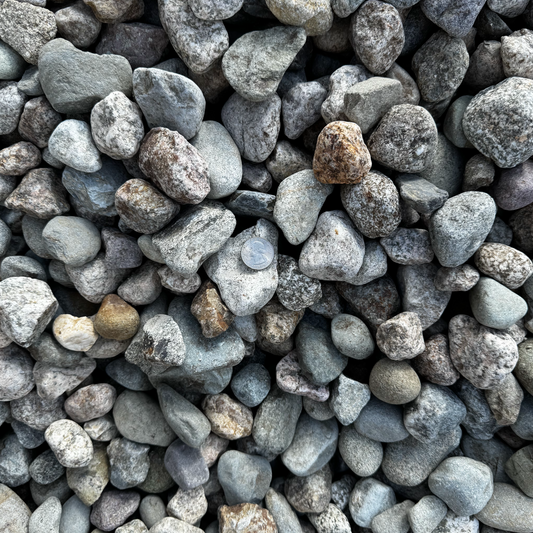
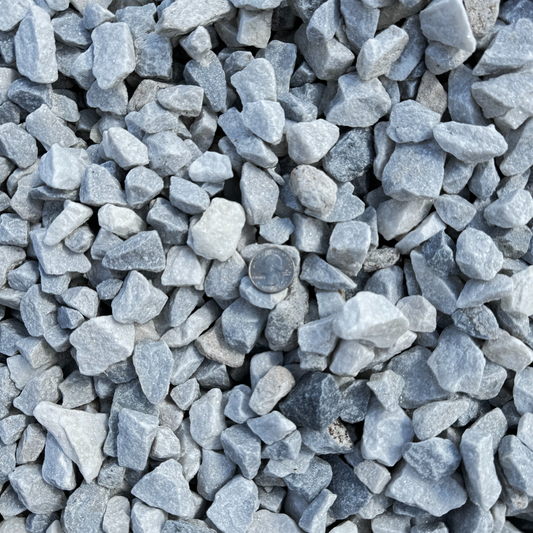
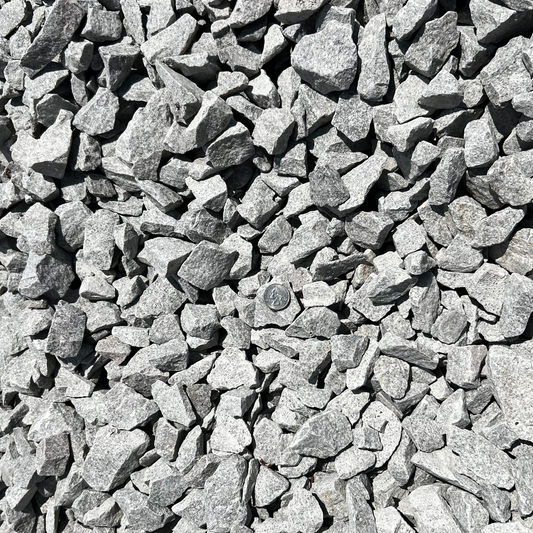
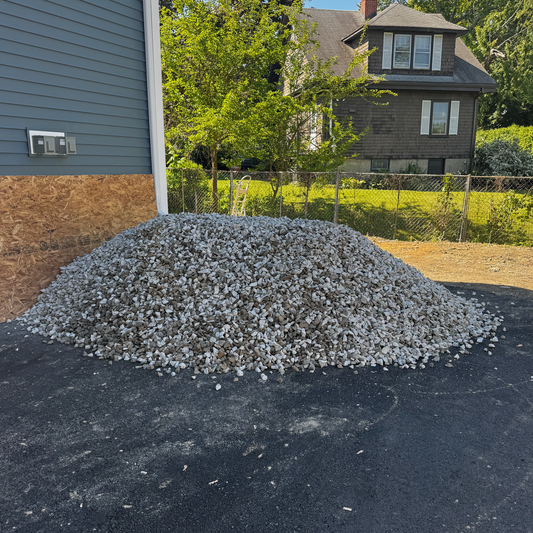
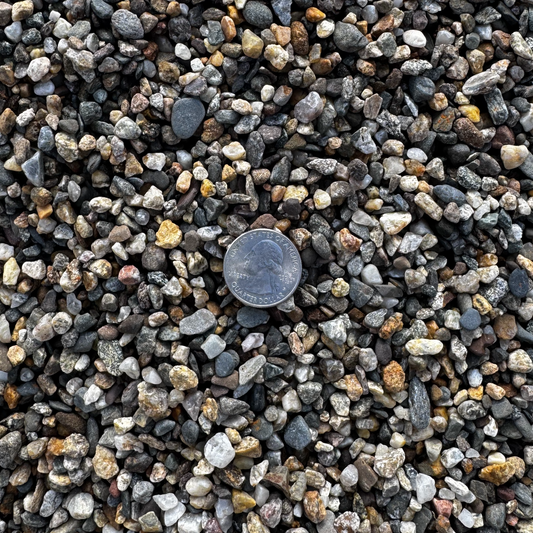
Material cost (typical 6-foot drain): - 1.5 cubic yards Dense Pack ¾" to minus crushed stone - 4-inch perforated pipe (~$30 for 10 feet) - Landscape fabric (~$25) - 1 cubic yard topsoil cap
Total: $300–600 in materials depending on local pricing. Browse the French drain & drainage collection for current rates.
Loses on: - Long runs (cost compounds) - Large watershed inflow (gets overwhelmed) - Soil with heavy organic content (clogs faster) - Budget projects (fabric and stone aren't cheap)
Surface Swale: When It Wins
A surface swale is a shaped low spot in the lawn that channels water across the yard to a discharge point.
Wins on: - Long runs (50+ feet across the property) - Larger watershed problems (whole yard sloping toward house) - Budget projects (mostly labor, minimal material) - Yards with available space and gentle slope - Properties already redoing landscape
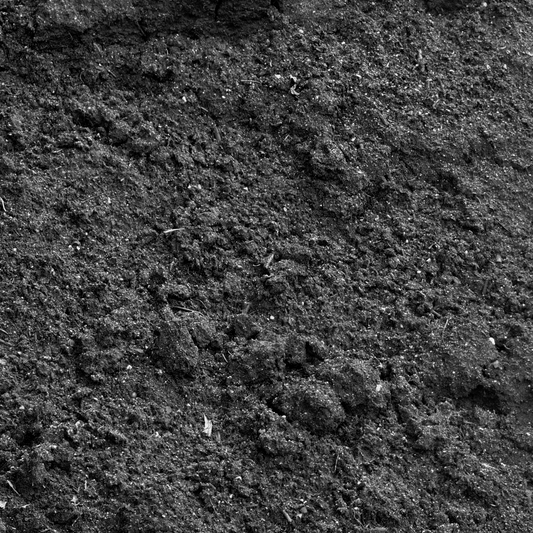
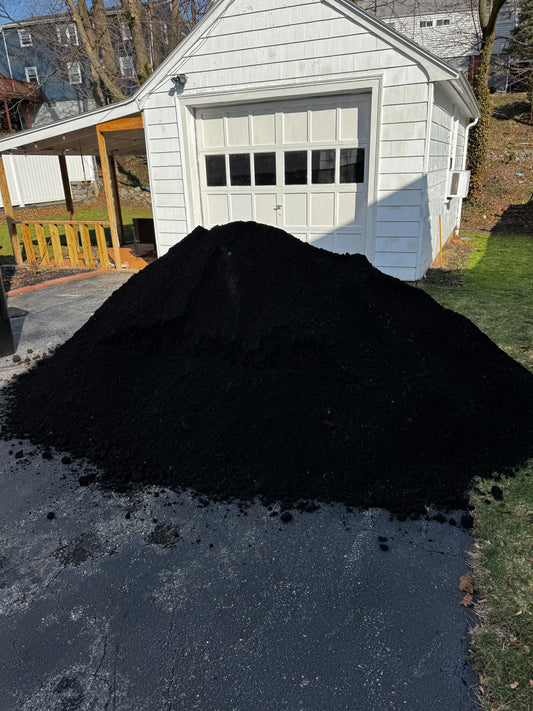
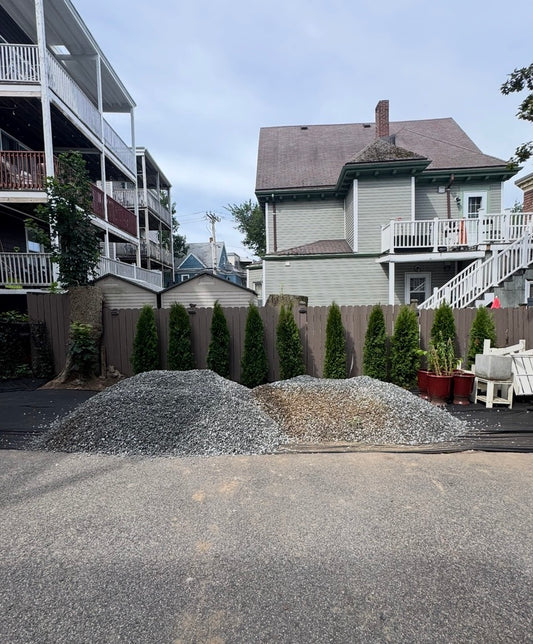
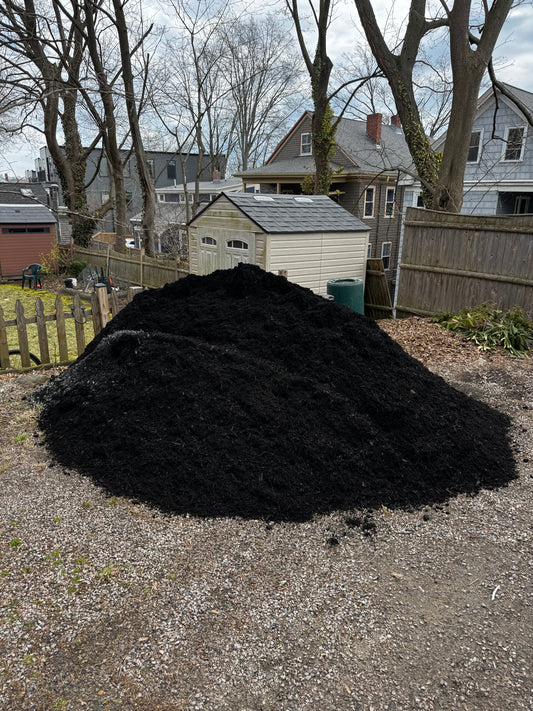
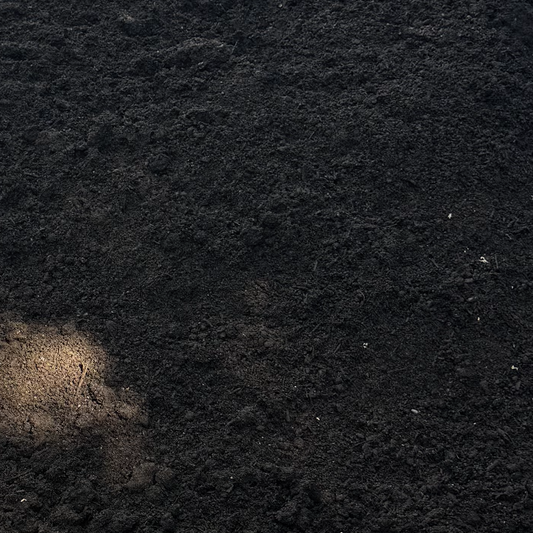
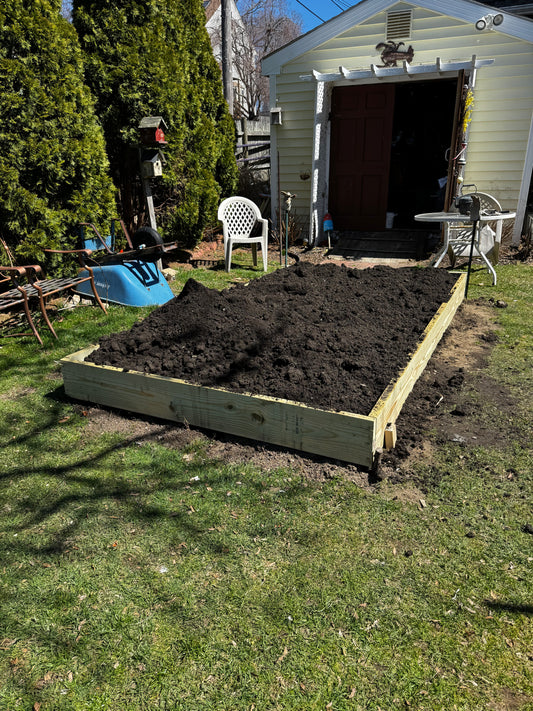
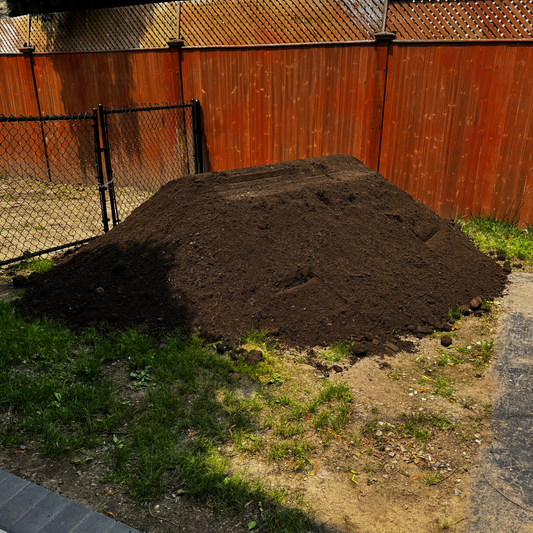
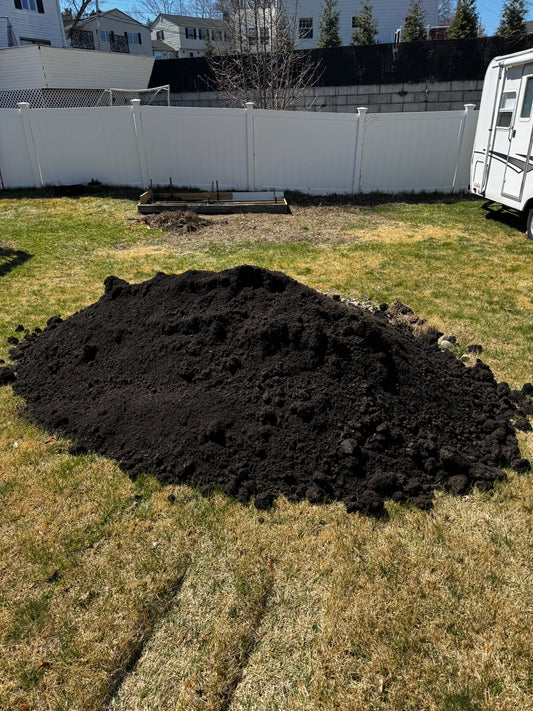
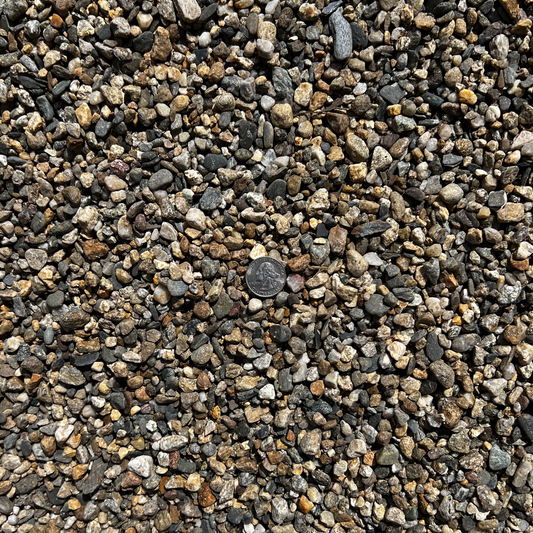
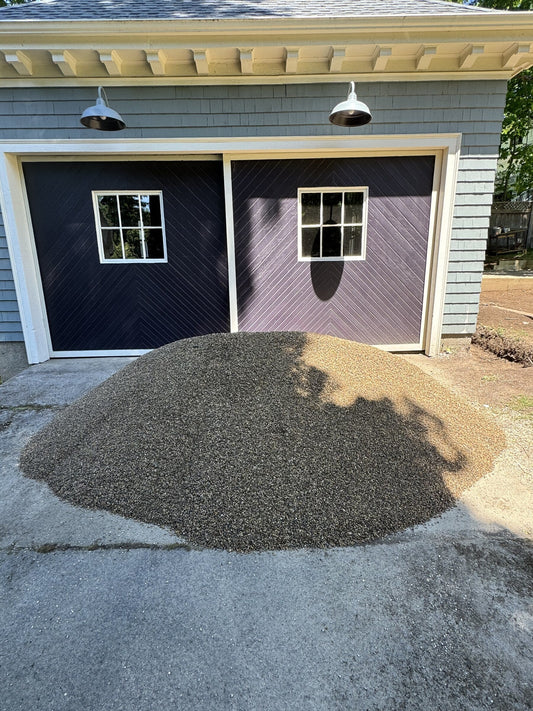
Material cost (typical 50-foot swale): - 2 cubic yards Topsoil Loam ½" Screened (for shaping) - 0.5 cubic yards crushed stone or pea stone (optional, for high-flow center) - Grass seed for the swale surface
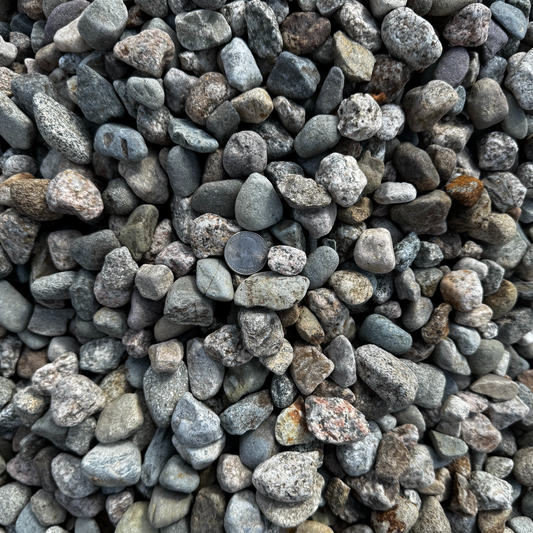
Total: $100–300 in materials. Order through the French drain & drainage collection — Topsoil Loam and Pea Stone (⅜" Riverbed Rock) are the right products.
Loses on: - Tight setbacks (no room to shape) - Established lawns where the visible swale isn't welcome - Foundation-perimeter problems (surface flow doesn't help the wall) - Properties with HOA or aesthetic restrictions
The Real-World Test
I installed both at adjacent properties on a Cambridge street last fall — one homeowner picked French drain (chronic wet spot 8 feet from foundation), the other picked surface swale (whole yard sloping toward back of property). Notes after a year:
| Factor | French Drain | Surface Swale |
|---|---|---|
| Material cost | $480 | $180 |
| Labor (DIY) | 4 hours | 6 hours (more shaping) |
| Visible after install | No (lawn grew back) | Yes (shallow channel) |
| Effectiveness in 2-inch storm | Excellent | Good (some pooling) |
| Effectiveness in 4-inch storm | Good | Excellent (more capacity) |
| Maintenance year 1 | None | Re-seeded thin spots |
| Aesthetic acceptance | Owner forgot it was there | Owner re-grades minor settling |
Both worked. The decision is about constraints, not effectiveness.
When You Need Both
For larger lots with both a chronic wet spot AND a watershed problem (Worcester County clay properties on slopes, for example), the answer is often a swale that drains into a French drain — surface flow gathers the watershed water, the French drain discharges it through a hardscape feature without daylighting on the lawn.
For the related downspout-extension prep that pairs with either approach, see 5 Downspout Extension Tips for Plymouth County Yards. For the Somerville foundation-flood Q&A, Why Are My Somerville Gutters Flooding the Foundation? covers the foundation-perimeter logic.
Permits and Stormwater Compliance
In MA, both French drains and surface swales fall under municipal stormwater bylaws. For most residential single-family work under 200 sq ft of disturbance, no permit is required. Larger projects, work near wetlands (within 100-foot buffer), or any work that connects to a municipal storm drain often needs review. Call the local Conservation Commission if the project is near a stream, pond, or wetland edge.
The EPA Stormwater Management program has authoritative guidance on residential stormwater handling.
What This Means for You
For a quick foundation-perimeter fix in a tight setback: French drain. For a big-picture watershed problem: surface swale. For most chronic wet spots in average MA yards: probably a French drain — the discrete fix beats the visible channel for resale value and aesthetics.
For the related Marshfield fall-rain outlook context, see Fall Rain Outlook for Marshfield Yards. Order materials through the crushed stone collection for either approach.