Quick Answer
Overseed an MA lawn in fall by mowing low (2 inches), core aerating in two perpendicular passes, broadcasting seed at 4 lbs per 1,000 sq ft, top-dressing with ¼ cubic yard of screened loam per 1,000 sq ft, and watering twice daily for 14 days. Best MA window: September 10 through October 1 for full germination before frost. Seed at 50/50 to 70/30 sun/shade-tolerant cool-season blends; never seed pure ryegrass. Total work for 5,000 sq ft: 2 hours of active labor + 2 weeks of light watering.
Why September 10 to October 1 Is the Right Window
MA cool-season grasses germinate at soil temperatures between 50°F and 65°F. By early September those numbers are coming down from summer highs. By October 5 they're dropping below the lower limit. Seed planted in the September 10–October 1 window germinates in 7–14 days, gets 4–6 weeks of growth before first frost, and overwinters as established turf rather than tender seedlings.
For the related core-aeration playbook, see 5 Fall Aeration Tips for Plymouth Lawns. For the labor day pre-mulch question, see Is Labor Day Weekend the Right Time to Mulch in Arlington?.
Step 1: Mow Low (15 minutes)
Drop the mower to 2 inches the day before you seed. Bag the clippings — leaving them blocks seed-to-soil contact. The shorter cut also lets seed settle past the existing turf canopy and reach soil.
Step 2: Core Aerate (90 minutes for 5,000 sq ft)
Two passes at 90 degrees. Leave the soil cores. Aeration creates the holes seed will fall into and germinate from. This step alone roughly doubles germination rates.
Step 3: Choose the Right Seed Mix (5 minutes)
For MA lawns the right blend is: - 40–50% Kentucky bluegrass — long-term backbone - 30–40% fine fescue — shade and drought tolerance - 15–25% perennial ryegrass — fast nurse crop
Avoid pure annual ryegrass (dies in year one). Avoid pure tall fescue (texture mismatch with most MA lawns).
Step 4: Broadcast Seed (15 minutes)
Set the spreader to deliver 4 lbs per 1,000 sq ft for overseeding. Walk in two perpendicular passes — first east-west, then north-south — each pass at half the labeled rate. This evens out the application.
Step 5: Top-Dress with Loam (45 minutes)
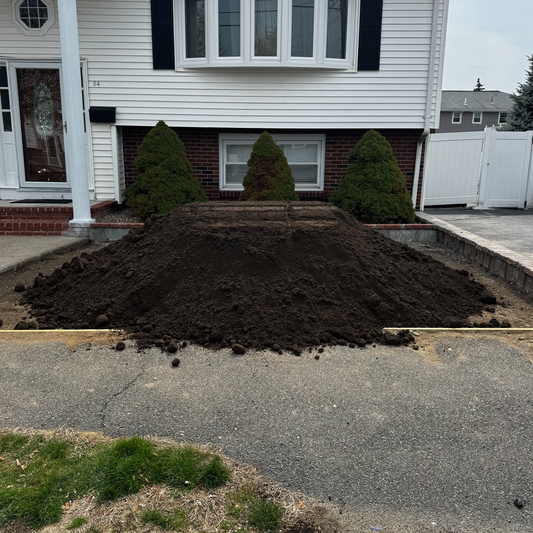
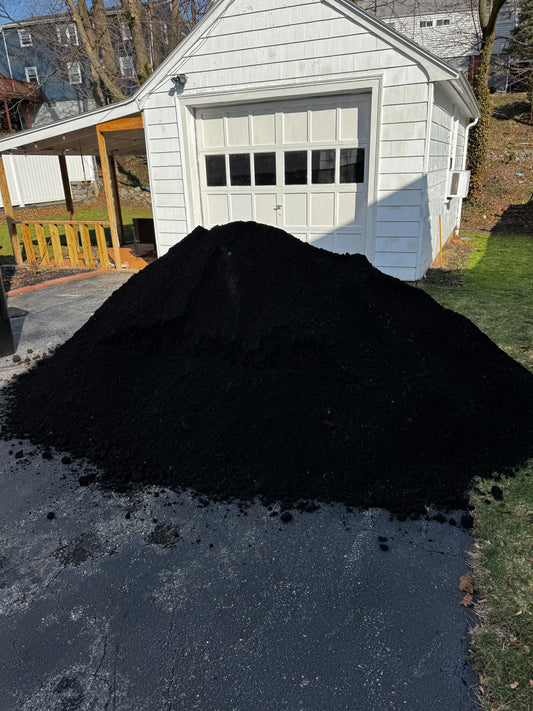
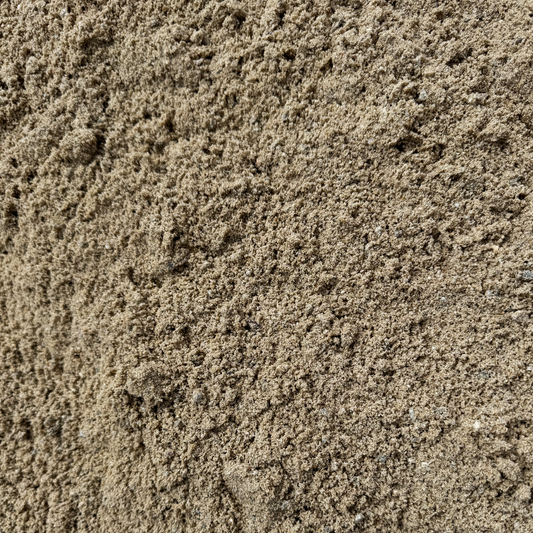
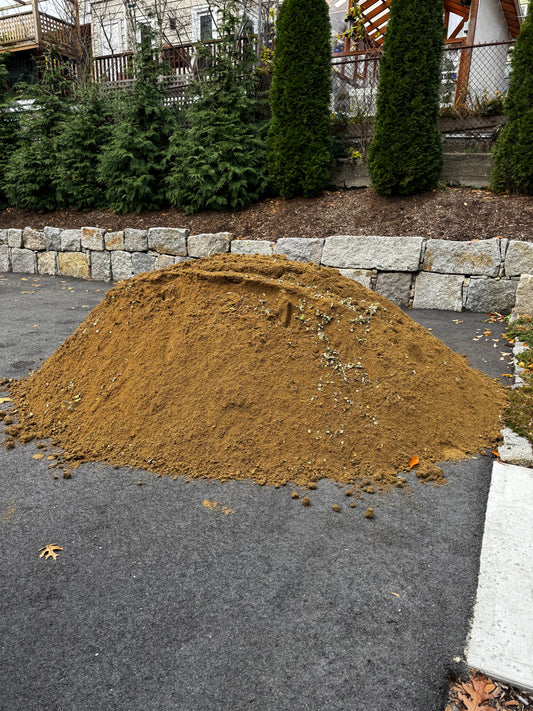
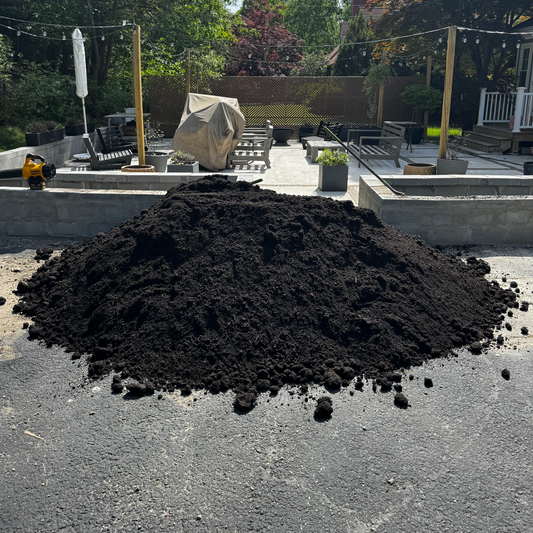
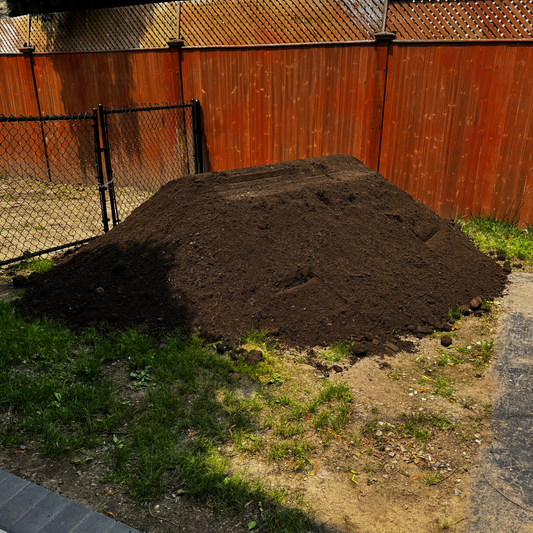
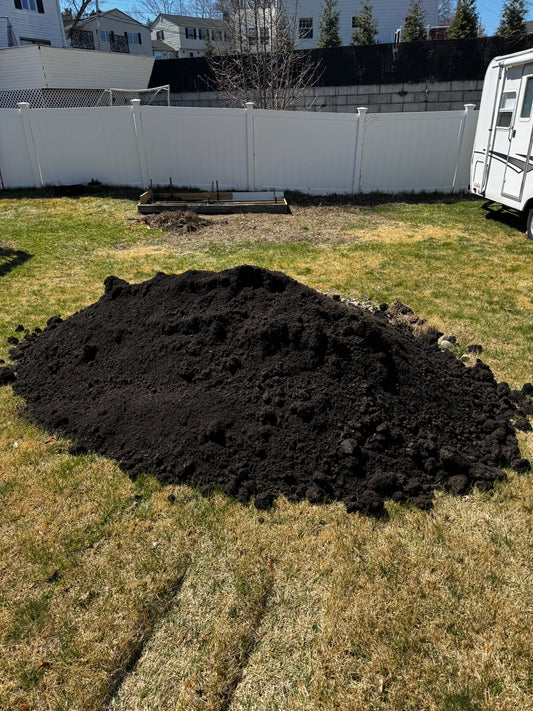
Spread ¼ inch of screened loam across the seeded area — about ¼ cubic yard per 1,000 sq ft. Rake to fill the aeration holes and seat the seed. Order Topsoil Loam ½" Screened from the lawn leveling and repair collection.
For lawns where the existing soil tests low in organic matter, mix the loam 1:1 with screened compost for a richer top-dress.
Step 6: Apply Starter Fertilizer (10 minutes)
A low-phosphorus starter fertilizer at the bag's labeled rate gives the new seedlings what they need without polluting runoff. The UMass Extension Turf Program has the authoritative product guidance for MA-compliant fertilization.
Step 7: Water Twice Daily for 14 Days (5 minutes per session)
Light, frequent mistings — top ½ inch consistently damp without ponding. After germination (day 10–14), shift to deep, less frequent watering to train roots downward.
Step 8: First Mow at 4 Inches (Day 30+)
Wait until new grass reaches 4 inches. Cut to 3 inches. Sharp blades only.
Common Mistakes
- Seeding before aerating — seed lands on hardpan, washes away.
- Skipping the loam top-dress — bare seed dries out and birds eat half of it.
- Watering once a day, deeply — works for established turf, kills germinating seed.
- Walking-mower roller compaction — flatten the soil after the seed is up, not before.
For the lime question that often comes up alongside overseeding, see Should I Apply Lime Now in My Plymouth County Lawn?. For the contractor's calendar wrap-up reference, Pricing Lawn Renovations in Any MA: Sq-Ft Worksheet has the full per-sq-ft math.
What This Means for You
Two hours of active work in mid-September, two weeks of patient watering, and the lawn comes out of fall denser, deeper-rooted, and ready for spring. Order screened loam through the lawn leveling and repair collection for delivery across MA.