Quick Answer
Yes, fall is the right time to apply lime in Plymouth County — but only if a soil test shows pH below 6.5. Plymouth County soils run naturally acidic (pH 5.5–6.0 on most lawns), and fall lime application gives the soil 6 months to react before spring. Apply pelletized lime at 40 lbs per 1,000 sq ft to raise pH about 0.5 units over a year. Don't lime by guess — a $20 UMass soil test is the only honest answer to "how much do I need." Apply October 15–November 15 for best winter assimilation.
Why Plymouth County Lawns Often Need Lime
The glacial outwash and pine-forest soils that make up most of Plymouth County — from Plymouth and Kingston down to Wareham, west to Bridgewater and Halifax — are naturally acidic. Decades of conifer needles, oak leaves, and rainfall (rain in MA averages pH 4.3–4.6) push pH down further. Cool-season turf wants 6.5–7.0. Most Plymouth County lawns sit at 5.5–6.0 untreated.
Acidic soil locks up nutrients. You can apply fertilizer all spring and the grass still looks pale — because at pH 5.5, only about 30% of the phosphorus and 50% of the nitrogen is plant-available. Lime fixes the chemistry first. The fertilizer then works the way the bag promises.
Q: How do I know if my lawn needs lime?
A: A soil test is the only reliable answer. The UMass Soil and Plant Nutrient Testing Laboratory runs a $20 turf test that gives you pH, organic matter, and macro-nutrient levels. Pull 6–10 plugs from across the lawn, mix in a clean bucket, mail in. Results come back in roughly two weeks.
Visual cues that suggest acidic soil: moss in shaded areas, dandelions and chickweed dominating, pale green color even after fertilizer, slow spring green-up. None of these are diagnostic on their own. Soil test or guess.
Q: How much lime should I apply?
A: Match the rate to the test result. General rule: 40 lbs of pelletized lime per 1,000 sq ft raises pH about 0.5 units over a year. A typical Plymouth County lawn at pH 5.7 needs roughly 60–80 lbs per 1,000 sq ft to reach 6.5 — split into two applications a year apart for a smooth correction.
Never apply more than 50 lbs per 1,000 sq ft in a single application. Heavy single doses lock up other nutrients and can burn turf.
Q: Pelletized vs. powdered lime — which is better?
A: Pelletized for homeowners, powdered (calcitic) only for soil-incorporation projects. Pelletized lime is dust-free, easy to spread with a broadcast spreader, and won't blow into the neighbor's yard. Powdered lime acts faster but is messy and inhalation-hazardous. For an existing lawn, pelletized is the right call every time.
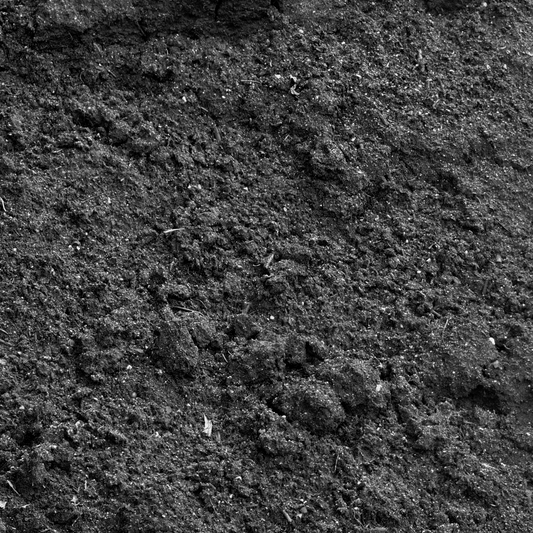
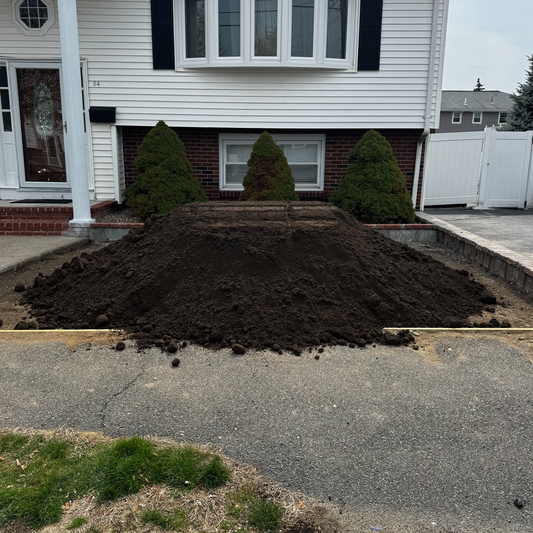
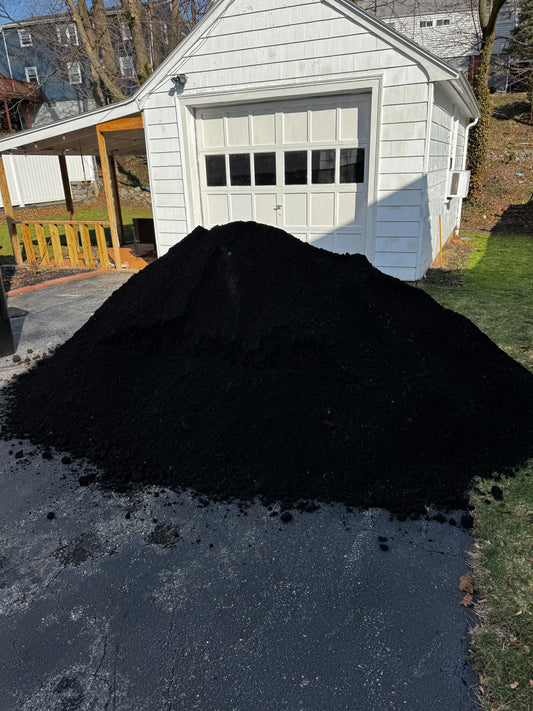
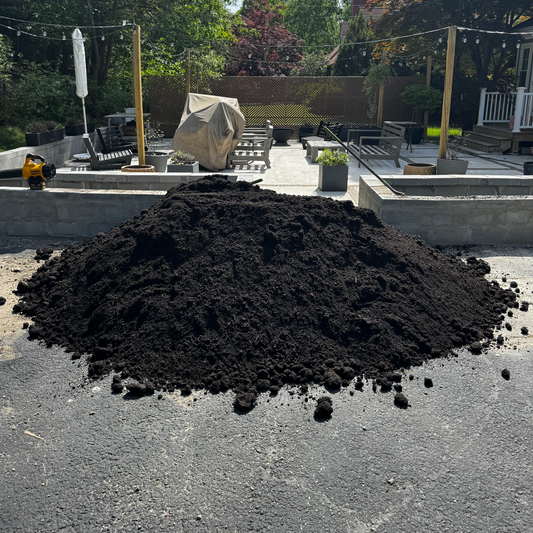
For a related top-dressing context where lime sometimes goes down with loam, see How to Overseed an MA Lawn the Right Way in Fall.
Q: When in fall should I apply?
A: October 15 through November 15. Lime takes months to react — the calcium and magnesium carbonate has to dissolve, react with soil acids, and shift the cation balance. Fall application gives lime through-winter to do its work. Spring lime works but you don't see the pH benefit until summer.
Apply on a calm day with the lawn dry. Water lightly afterwards to settle the pellets to soil level.
Q: Can I apply lime and fertilizer at the same time?
A: Yes, but apply lime first, then wait 1–2 weeks before fertilizer. The two products won't react badly, but applying together can clog spreaders and gives uneven coverage. Sequence: aerate, overseed, top-dress with loam, apply starter fertilizer in early October, then lime in mid-to-late October.
Q: My lawn is going dormant. Is it too late?
A: No — lime works on dormant lawns. Lime doesn't depend on turf uptake; it reacts with soil chemistry. Apply right up to ground freeze (typically late November in Plymouth County). The reaction continues in unfrozen winter days and accelerates with spring rains.
Q: How often do I need to re-lime?
A: Test every 2–3 years. After bringing pH up to 6.5–7.0, most lawns hold the pH for several years. Yards under heavy oak or pine canopy drop back faster (annual top-up may be needed). Open sunny lawns hold the correction longest.
Q: Does Ottr deliver lime?
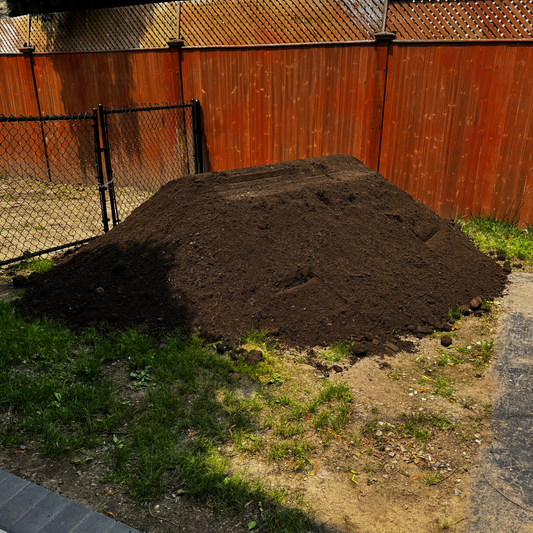
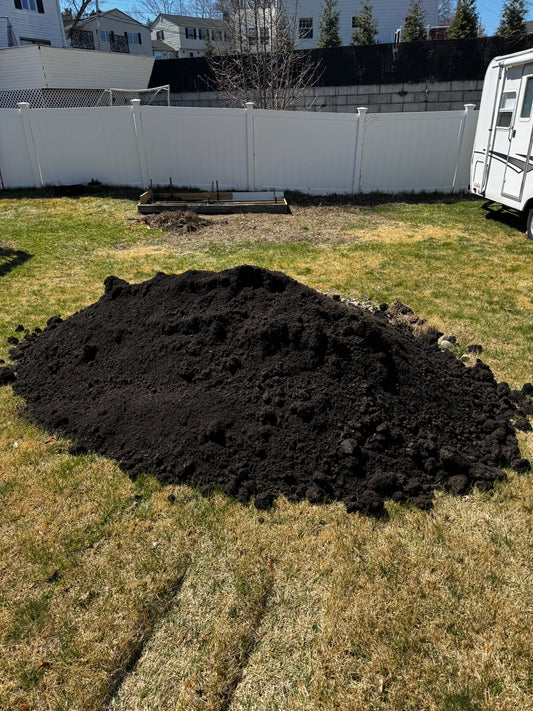
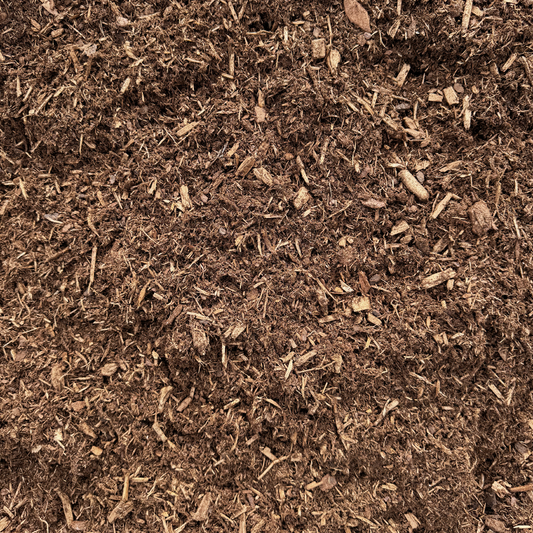
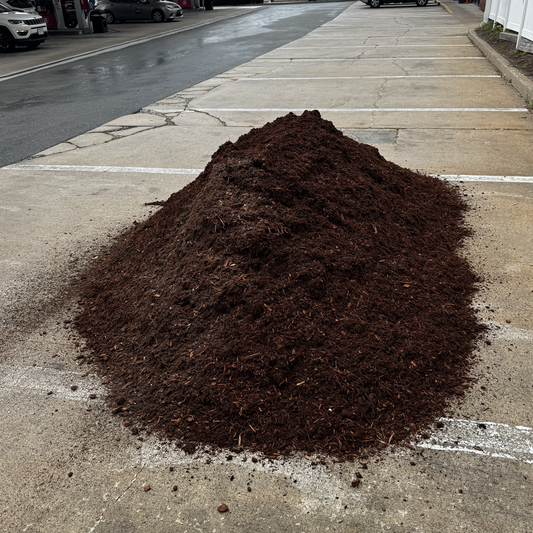
A: We don't stock bagged lime, but we deliver the bulk loam and compost that pair with fall fertilization. Browse the lawn leveling and repair collection for screened loam and compost — pelletized lime is widely available at any garden center and ships easily by the bag.
For a related summer wrap-up that pairs naturally with fall lime planning, see How to Wrap a Plymouth County Yard Before Labor Day. For the broader fall calendar, How to Schedule Fall Lawn Care in Bristol County covers the full sequence.
Q: What about rain runoff and chloride concerns?
A: Lime is calcium-based and not a runoff hazard the way road salt is. Calcium carbonate is essentially crushed limestone — it stays put once watered in, and it's actually beneficial for surrounding soil if any does migrate. The UMass Extension Turf Program has the authoritative reference on environmentally-sound MA fertilization and amendment practices.
The Plymouth County Lime Playbook
- Early September: Pull soil sample, mail to UMass.
- Mid-September: Aerate and overseed.
- October 1–10: Starter fertilizer.
- October 15–November 15: Pelletized lime at calculated rate.
- Two years later: Re-test, re-treat as needed.
The short version: yes, fall lime is the right move for most Plymouth County lawns, but a $20 soil test is the only way to know your number. Skip the test and you're guessing — sometimes guessing harm.