Quick Answer
For most of Worcester County, May 15–22 is the safe-plant window for tomatoes outside. The average last frost has passed in valley locations (Worcester city, Westborough, Auburn, Millbury), soil at 4-inch depth is reliably above 60°F, and the 10-day forecast shows no frost. Hill towns (Princeton, Hubbardston, Petersham) should wait until May 25–30 or use row cover. Plant tomatoes deep — bury the stem to the first leaves — and mulch with straw kept off the stem.
The Worcester County Tomato Reality
Worcester County is the biggest county in MA, and it covers wildly different microclimates. A tomato planting question in Worcester city is different from the same question in Petersham, 30 miles north and 700 feet higher.
The five microclimates and their 2026 plant-out dates:
- Valley locations (Worcester, Westborough, Shrewsbury, Auburn): May 15
- Suburbs (Holden, Boylston, Millbury, Northborough): May 18
- Foothills (Princeton, Sterling, Lancaster): May 22
- Hill towns (Hubbardston, Petersham, Phillipston): May 28
- Worcester-county-with-frost-pocket-yards: Add 5 days to local average
This Q&A covers the questions that come up across all five.
For the broader staking technique once tomatoes are in, see How to Stake Tomatoes and Heavy Annuals in a Quincy Backyard. For the broader vegetable garden mistakes pillar, see 5 Vegetable Garden Mistakes to Avoid This Week in Brockton.
Q: When is the average last frost date for Worcester County?
A: May 15–20 for valley locations, May 25–30 for hill towns. The USDA Plant Hardiness Zone Map places most of Worcester County in zone 6a (–10°F to –5°F minimum); the colder hills are 5b.
Average last frost means there's about a 50% chance of frost after that date in any given year. To get 90% confidence, add 10–14 days.
The UMass Extension Vegetable Program maintains the Massachusetts-specific frost-date charts updated for each county.
Q: What soil temperature do tomatoes need to plant outside?
A: 60°F minimum at 4-inch depth, ideally 65°F. Below 60°F, tomatoes stop growing and can take 2–3 weeks to recover even after the soil warms. The plant goes into stress dormancy.
Check method: A digital meat thermometer at 4-inch depth, taken between 1–3 p.m. (warmest part of the day). Sample at the planned planting site, not the sunniest spot in the yard.
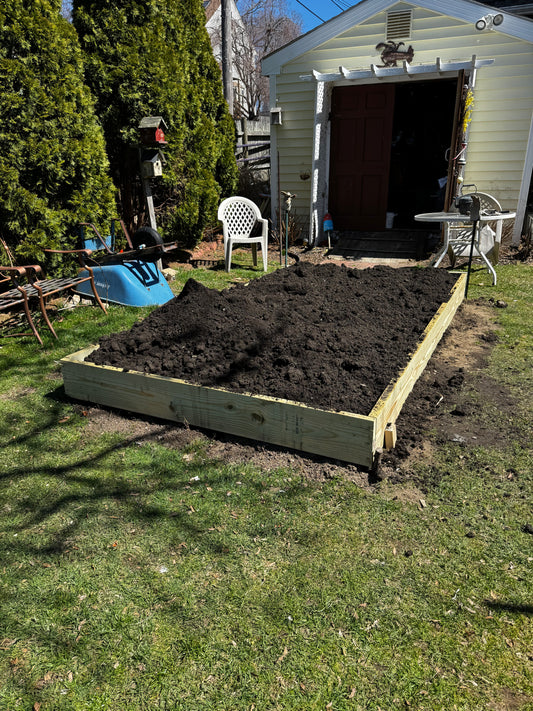
For raised beds, soil warms faster than ground beds — see How to Build a Quick Cedar Raised Bed for a Cambridge Patio Before Mother's Day. For the soil-fill spec that lets a bed warm fast, see Filling a Raised Bed in Wellesley.
Q: Can I plant tomatoes on May 22 in Worcester County?
A: Yes for most of the county. Valley locations passed the frost-safe date a week ago. Suburban locations are at or past. Foothills are at the date. Hill towns should still wait.
Practical check: Open the NWS Boston forecast for your zip code. Look at the 10-day low temperatures. If no nights below 38°F, plant. If a night below 38°F appears in the forecast, plant and have row cover ready.
Q: How do I protect tomatoes from a late frost?
A: Cover before sunset, uncover by mid-morning.
Frost cover options, from cheapest to most effective:
- Inverted 5-gallon bucket ($0 if you have one) — for individual plants on borderline-frost nights
- Old bedsheet draped over a hoop ($10 for hoops) — for small rows
- Row cover fabric ($20–40) — UV-stable spunbonded fabric, reusable for 5+ years
- Wall-of-Water cylinders ($30 for 3) — heat-storing water tubes around individual plants
Remove all covers by 10 a.m. the morning after frost. Trapped heat under covers fries the plant by noon.
A 2-inch straw mulch around the base helps moderate soil temperature swings — the surface soil holds overnight heat better when mulched.
Q: What tomato varieties handle a cool Worcester County spring best?
A: Early-maturing varieties bred for short seasons. Top picks:
- Stupice — Czech variety, sets fruit at lower temperatures, 60 days to harvest
- Glacier — Russian variety, frost-hardy, 55 days
- Sub-Arctic Plenty — short-season standard, 45 days
- Early Girl — F1 hybrid, classic early variety, 50 days
Plant one of these alongside your main-season picks (Brandywine, Cherokee Purple, San Marzano). The early variety hits your kitchen 2–3 weeks before the main-season ones.
For the broader picks question across pollinator-friendly garden choices, see the Native Plant Trust plant database (focuses on natives but the principle of early- vs. late-season selection applies).
Q: How deep do I plant tomato transplants?
A: Deep. Bury the stem up to the first set of true leaves.
Tomatoes are unique — roots form along buried stems. A 12-inch-tall transplant can be buried with 8 inches of stem underground. The buried stem grows lateral roots that triple the root system in the first month.
This creates a stronger, more drought-tolerant plant. The technique is especially effective for leggy transplants (greenhouse-grown plants that are taller than they should be for their stem diameter).
For the staking question that follows planting, see How to Stake Tomatoes and Heavy Annuals in a Quincy Backyard — stake at transplant time, not later.
Q: What's the soil prep for Worcester County tomato beds?
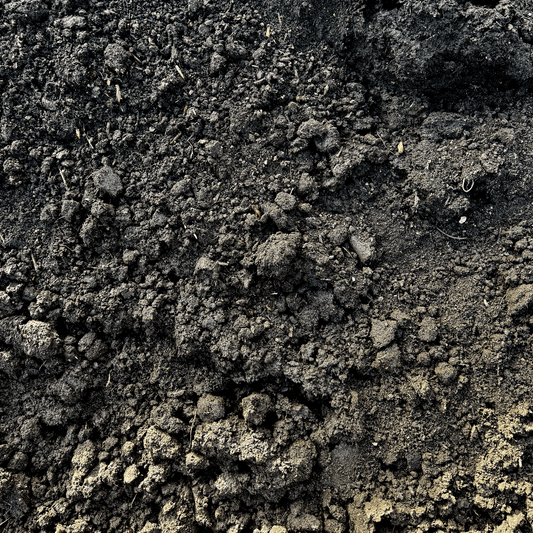
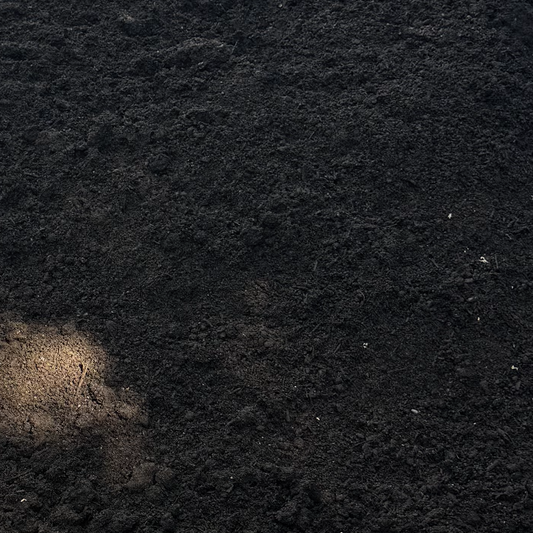
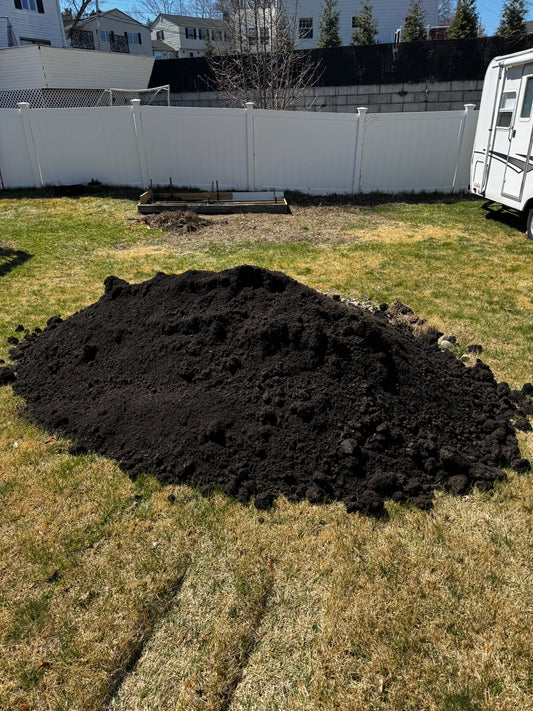
A: Mix 1/3 screened compost into the existing soil to 8-inch depth. Add a low-phosphorus starter fertilizer (most MA soils are already phosphorus-sufficient — see UMass Soil Test results).
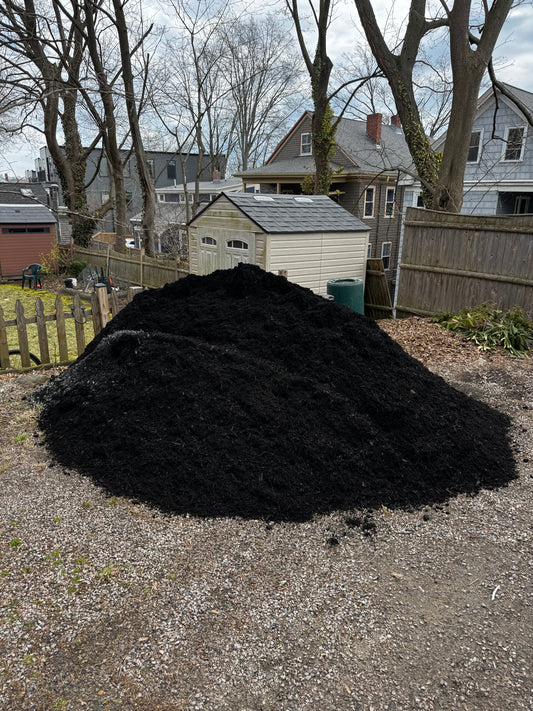
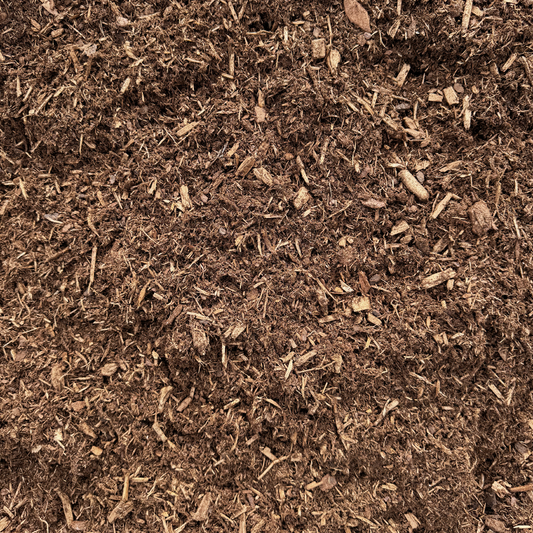
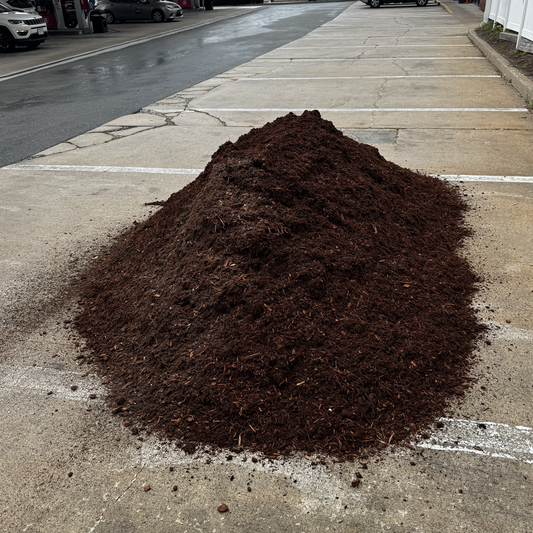
After planting and staking, mulch with 2 inches of straw or shredded leaves, kept 2 inches off the stem. The mulch holds moisture, prevents soil splash (the primary spread vector for early blight), and keeps the root zone cool.
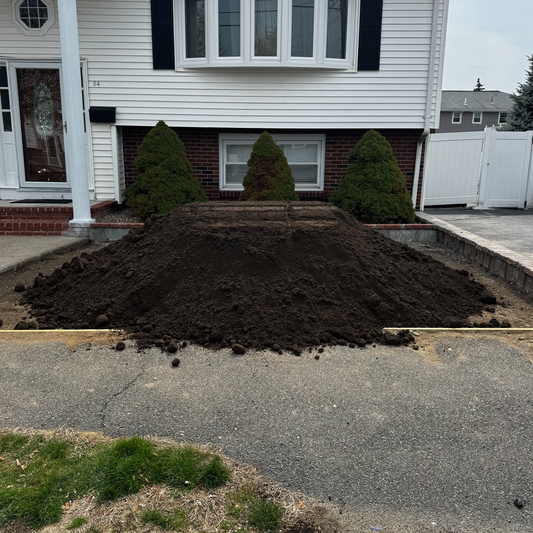
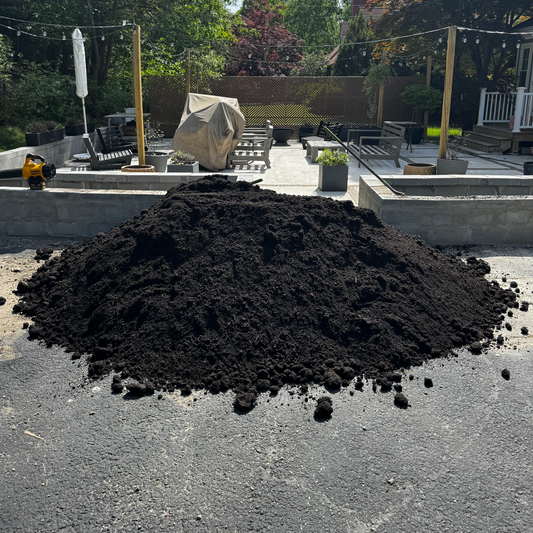
Browse the raised garden bed materials collection for compost in small bags or by the half-yard. For the broader watering schedule after planting, see How Often Should I Water New Plantings in May? A Middlesex County Q&A.
Q: Does Ottr deliver to Worcester County?
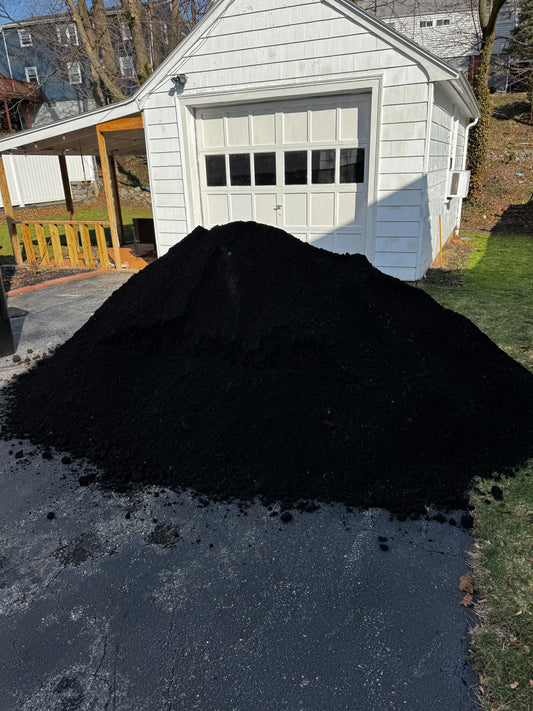
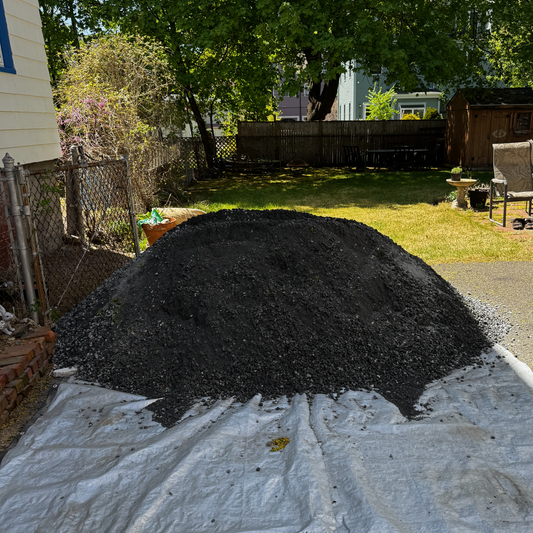
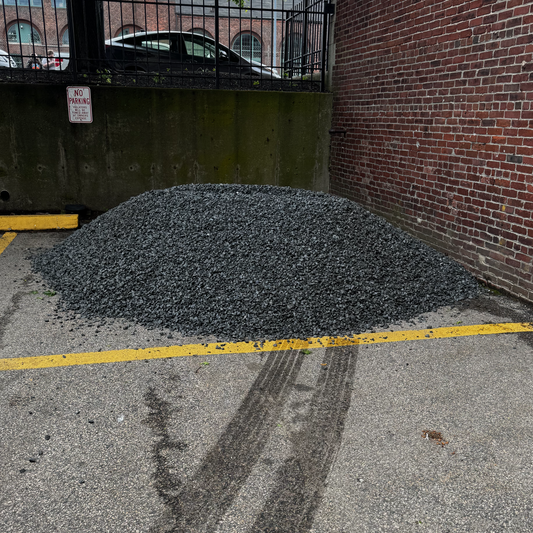
A: Yes — the Worcester County landscape supply routes cover the county through May and into June. Bulk compost, raised-bed soil mix, mulch, and straw all available by the bag or by the cubic yard. Lead times in May are typically 3–5 business days.
What This Means for You
In Worcester County, May 22 is safe-plant for most locations. Soil temp check, frost-cover ready, deep-plant technique, straw mulch. By July the tomatoes are vining. By August you're canning. The early-variety pick gets you to first-tomato by July 10.