Quick Answer
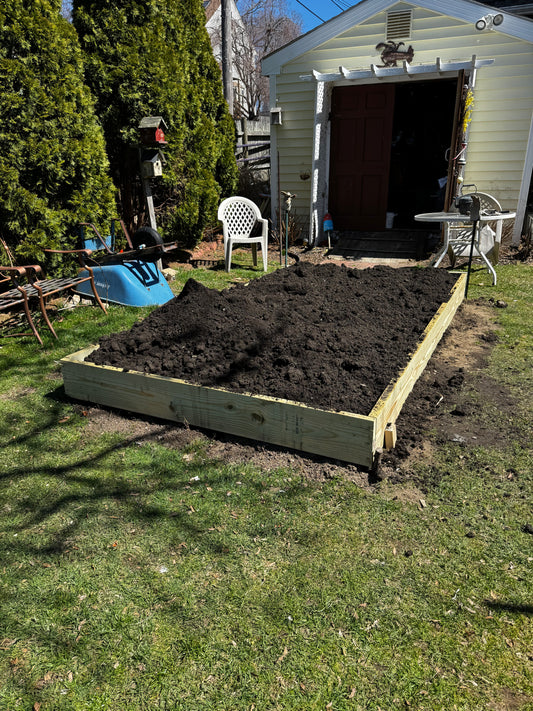
A standard 4'×8'×12" raised garden bed in Wellesley needs about 1 cubic yard of mix to fill: 60% screened loam, 30% STA-certified compost, 10% coarse sand or perlite (more sand for clay-heavy native soils). Layer dry: cardboard at the bottom, optional hugelkultur woody debris, then the loam-compost-sand mix, top with 1 inch of hardwood mulch. Water deeply to settle. Plant immediately. Below: the math by bed size, the layering order, and the mistakes to avoid.
Why Wellesley Beds Need This Spec
Wellesley's native soils run heavy clay loam in older neighborhoods (around Wellesley College, the Hills) and sandier loam toward Newton Lower Falls. Both are workable but neither alone gives a vegetable bed the right balance of moisture retention, drainage, and nutrition for season-one production.
The 60/30/10 mix above is the UMass Vegetable Program recommendation, validated through residential trials. STA-certified compost (per US Composting Council standards) is the consistent input — random "garden soil" or "topsoil" from unknown sources brings weed seed and inconsistent nutrition.
How Much Material You Need
By bed size at 12-inch depth:
- 3'×6' bed: 0.7 cubic yards of mix
- 4'×6' bed: 0.9 cubic yards
- 4'×8' bed: 1.2 cubic yards
- 4'×12' bed: 1.8 cubic yards
- 3'×3' bed: 0.4 cubic yards
For 18-inch depth, multiply by 1.5. For 24-inch depth, multiply by 2.0.
The math: bed length × bed width × bed depth (in feet) ÷ 27 = cubic yards.
For mass-bed calculations across multiple beds, the Layer a Somerville Raised Bed walkthrough covers the multi-bed math; same conversion applies in Wellesley.
What to Order
The Wellesley-specific mix:
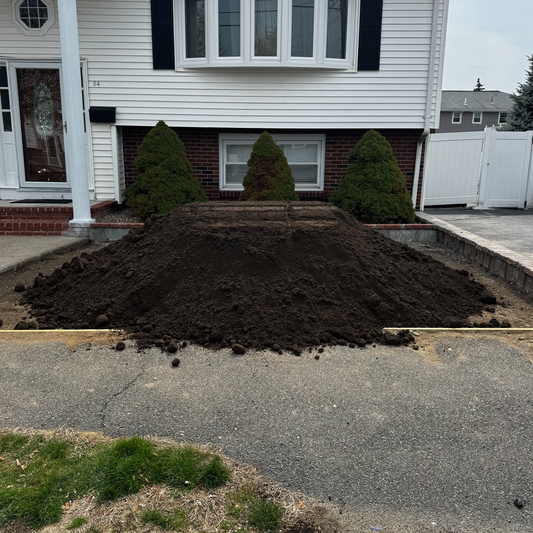
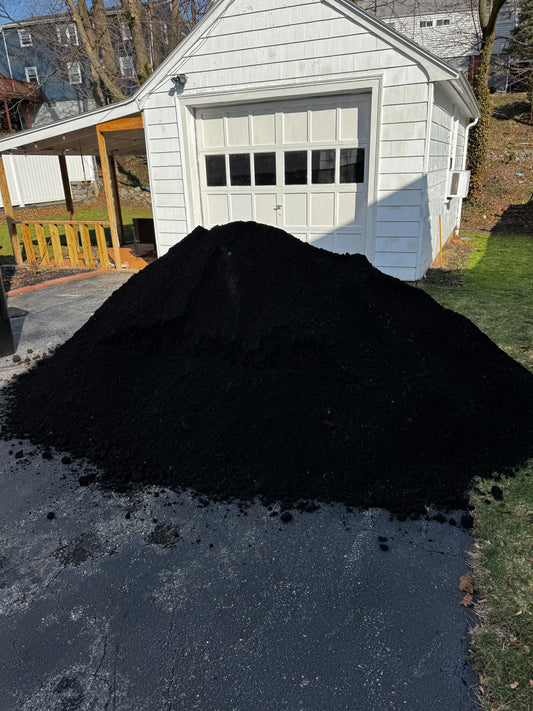
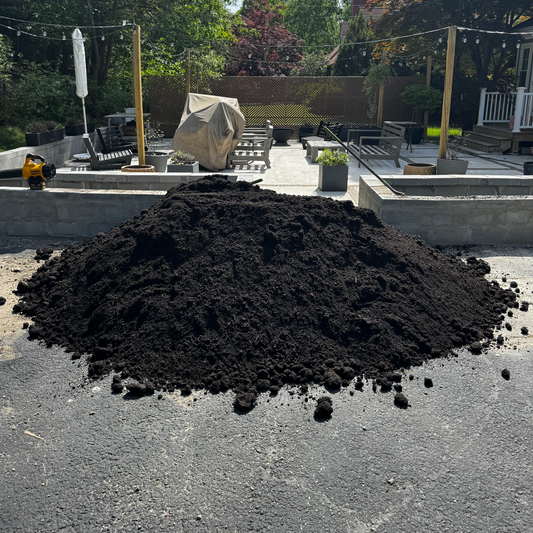
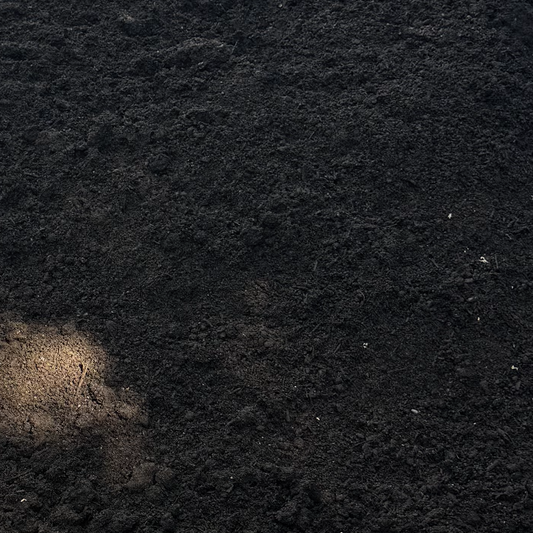
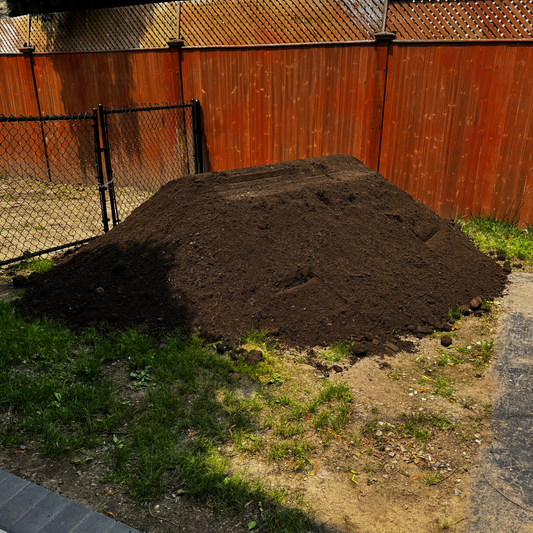
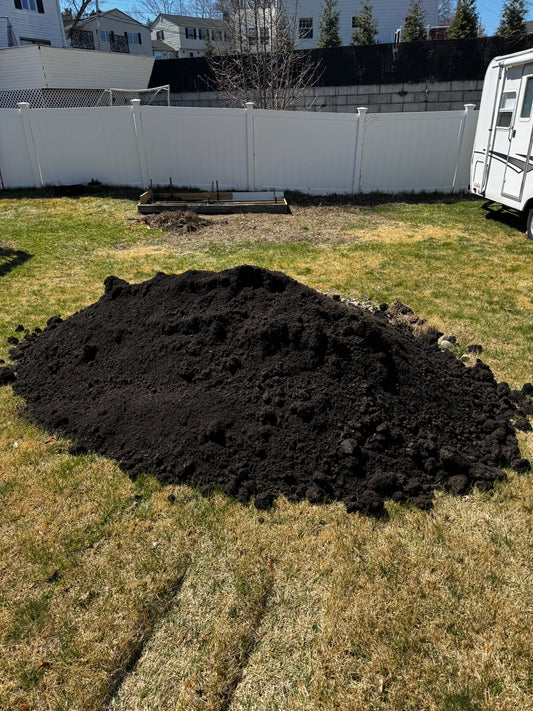
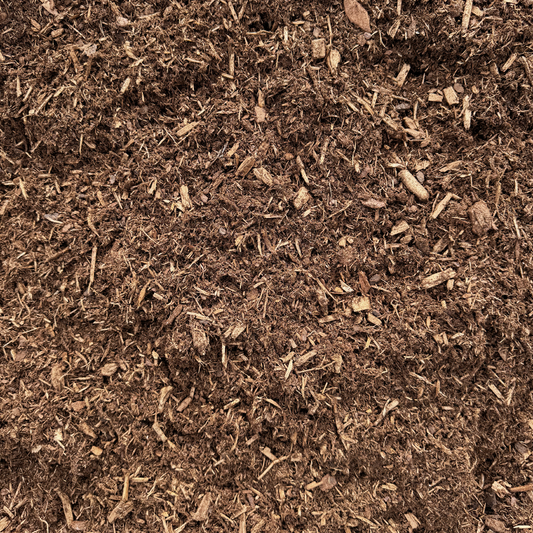
- Screened loam: 60% of total volume. Available in the Raised Garden Bed Materials collection — Ottr's pre-blended raised-bed mix is already formulated to this ratio for direct fill.
- STA-certified compost: 30% of total volume. The compost spec matters — see Three Bulk Compost Sources Compared for Plymouth County Vegetable Gardens for what to look for.
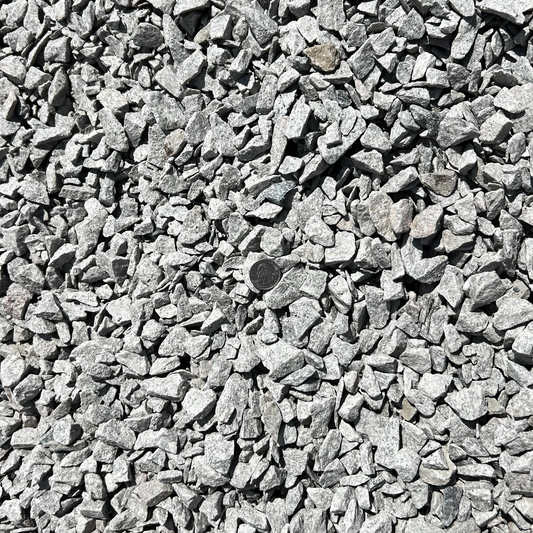
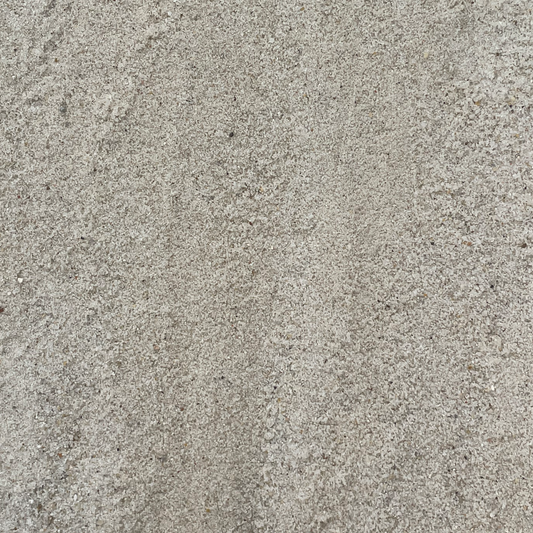
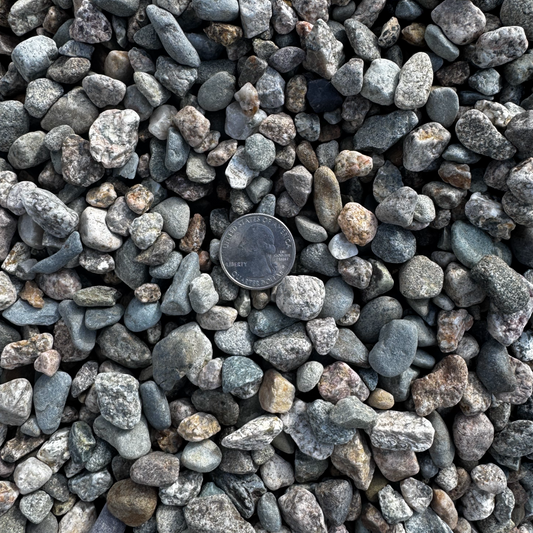
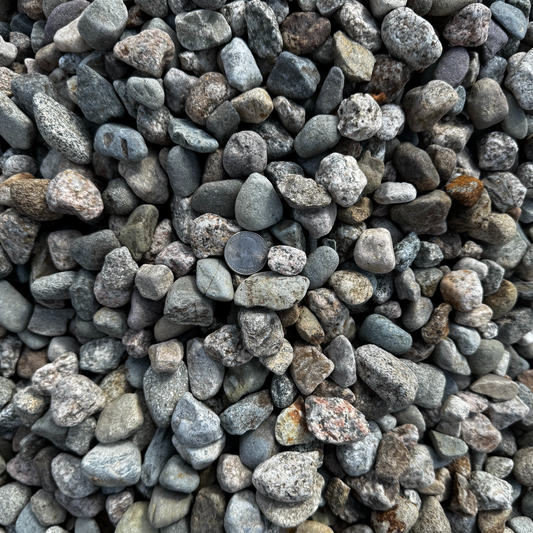
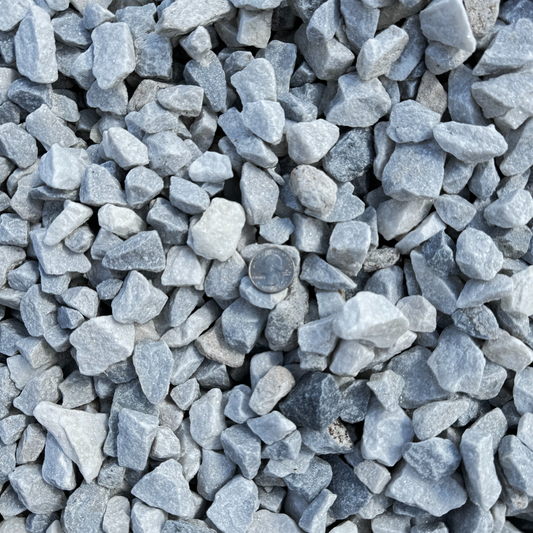
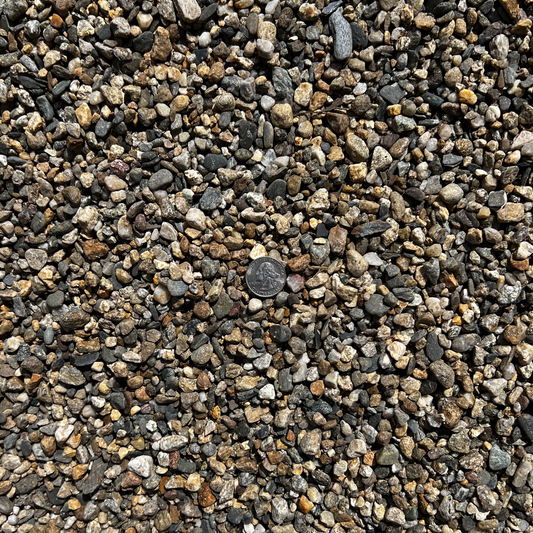
- Coarse sand or perlite: 10% of total volume. Adds drainage to clay-heavy native sites. Skip for sandy native soils.
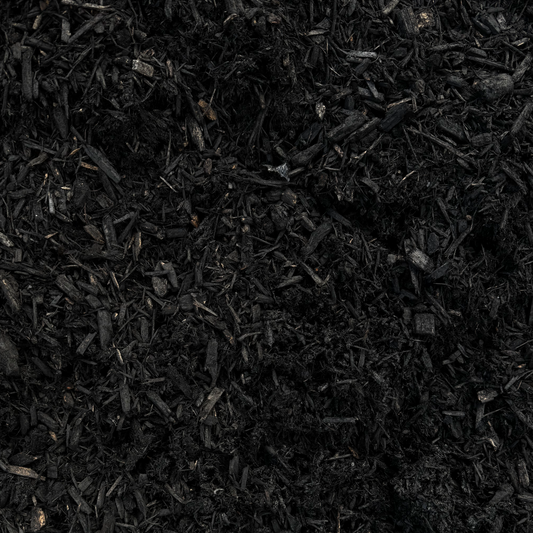
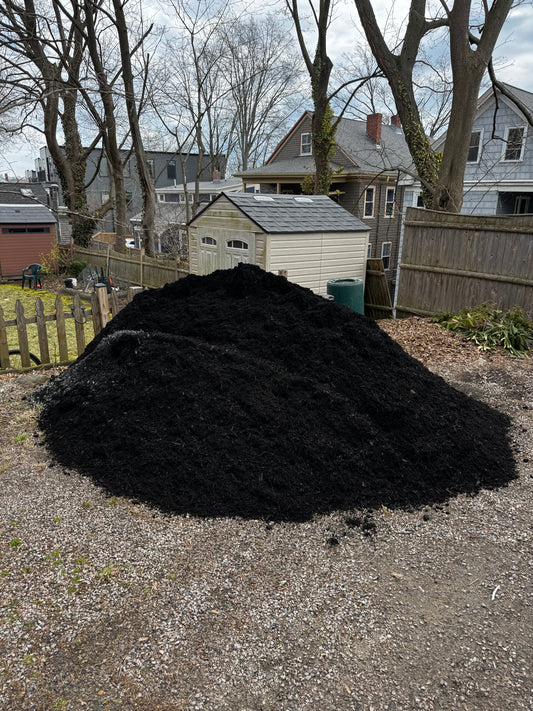
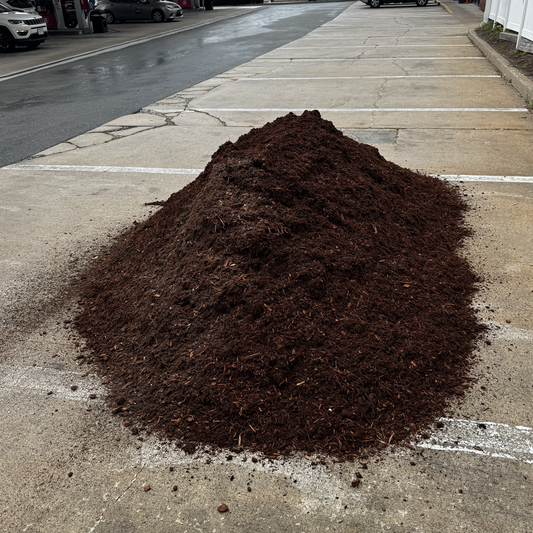
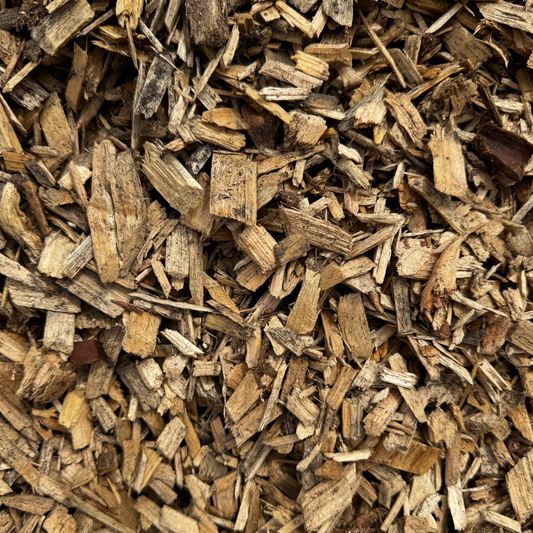
- Hardwood or cedar mulch: 1 inch top-dress. Browse the Mulch collection.
For Wellesley-area delivery, the Wellesley Landscape Supply page handles small-load scheduling.
The Layering Order
1. Cardboard at the bottom (weed suppression)
If your bed sits over existing turf or weeds, lay one layer of corrugated cardboard at the bottom. The cardboard smothers existing growth, decomposes within a year, and lets earthworms move freely between the bed and the underlying soil.
Skip the cardboard if your bed has a wood or wire bottom.
2. Optional hugelkultur layer (moisture retention)
For deeper beds (16+ inches), add 2–4 inches of woody debris at the bottom — small branches, twigs, leaves. The decomposing wood holds moisture for years and slowly releases nutrients. Common in established Wellesley gardens where multi-year bed performance matters.
3. Loam-compost-sand mix
Fill the bed with the 60/30/10 mix. Mix the three components in the wheelbarrow before adding to the bed; layered separately, they don't integrate well in season one. Fill to within 1 inch of the bed top edge — the mulch top-dress and inevitable settling bring you to the right finish.
4. Water deeply
Soak the bed thoroughly. Water settles air pockets, integrates the components, and reveals where you'll need top-up. The bed will compress 2–3 inches in the first week. Have an extra 0.2 cubic yard of mix on hand for top-up.
5. Top-dress with 1 inch of mulch
Hardwood or cedar mulch suppresses weeds and conserves moisture. Don't till mulch into the soil — keep it as a top layer. The cedar vs hardwood comparison applies here too: see Ottr Cedar Mulch in a Cambridge Front Bed: Where It Shines and Where Hardwood Wins.
For straw mulch in vegetable beds (sometimes preferable to bark mulch), source local straw — bark mulches can be too coarse for tight vegetable plantings.
What to Plant Year One
A 4'×8' bed in Wellesley accommodates:
- Spring (April–June): lettuce, spinach, kale, peas, radishes
- Summer (June–September): tomatoes (3 plants), peppers (4 plants), basil, beans
- Fall (September–November): chard, kale, garlic for next year
Soil temperature drives planting timing. Push a soil thermometer 4 inches in; 50°F means peas and lettuce can go in. 65°F means tomatoes are safe.
Mistakes to Avoid
Filling with pure compost. Too rich. Plants grow leafy with little fruit. Stick to 30% compost maximum.
Skipping the sand for clay-heavy sites. The bed compacts within a year. Drainage suffers. Sand prevents this.
Filling on top of unprepared turf without cardboard. Grass grows up through the bed within months.
Using wood ash, dog/cat manure, or commercial "potting soil" as a primary fill. Wood ash spikes pH dangerously. Pet manure carries pathogens. Potting soil is too light and dries out too fast in raised beds.
Filling in advance of planting and letting the bed sit for a month. The mix degrades; weed seeds blow in. Plant within a week of filling.
For complete raised-bed-build pillar guidance, the How Do I Build a Raised Garden Bed in Massachusetts? A Complete 2026 Guide covers everything from frame construction through year-three soil amendment.
For Wellesley-specific bed-prep calculation on small loads, How to Order a Yard of Loam for a Watertown Raised Bed Build walks through delivery and quantity math.
For broader vegetable-bed guidance, UMass Vegetable Program is the authoritative MA source.