Quick Answer
To build a quick cedar raised bed for a Cambridge patio before Mother's Day: buy 4 cedar 2x8x8 boards, cut to 4-foot lengths, assemble with corner butt joints and 3-inch stainless screws, level on the patio, fill with 1/2 cubic yard of bed soil mix, and plant. Total time: 3 hours from purchase to planted. Cost: about $180 for materials, $80 for soil and plants, $260 total. The bed is Mother's Day morning-ready.
Why a Cedar Bed Beats a Pot for a Cambridge Patio
A Cambridge patio in Cambridgeport, Inman Square, Mid-Cambridge, or North Cambridge typically has limited light, a brick or concrete surface, and not much room. The standard move is a single big pot — but pots dry out daily, freeze in winter, and limit root volume.
A 4x4x8 cedar bed gives you 32 cubic feet of soil — three times a typical large pot — at almost the same patio footprint. Plants establish deeper, water less often, and overwinter better. And cedar reads as a permanent landscape feature, not a seasonal container.
For the Mother's Day gift framing — building this on Friday, delivering it filled on Saturday or Sunday — see 5 Last-Minute Mother's Day Garden Gifts You Can Pull Together This Weekend. The cedar bed is the most "real" gift on that list.
Materials List
For one 4x4 foot, 8-inch deep raised bed:
- 4 cedar 2x8x8 boards — untreated, rough-sawn or surfaced. About $40 each at most lumberyards. Untreated is fine for raised beds; cedar's natural oils resist rot 8+ years
- 24 stainless or coated deck screws — 3-inch length, #10 gauge
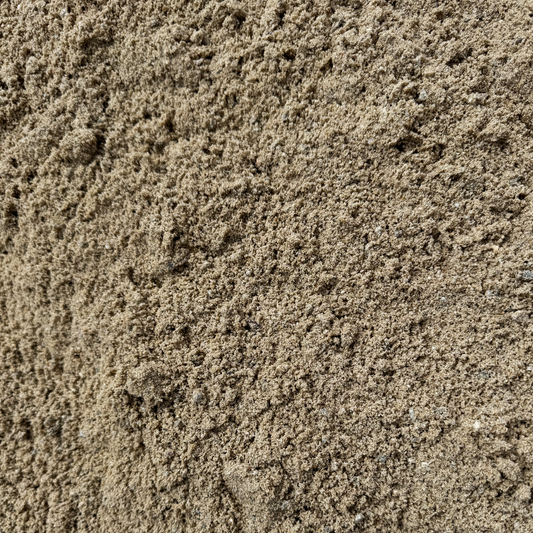
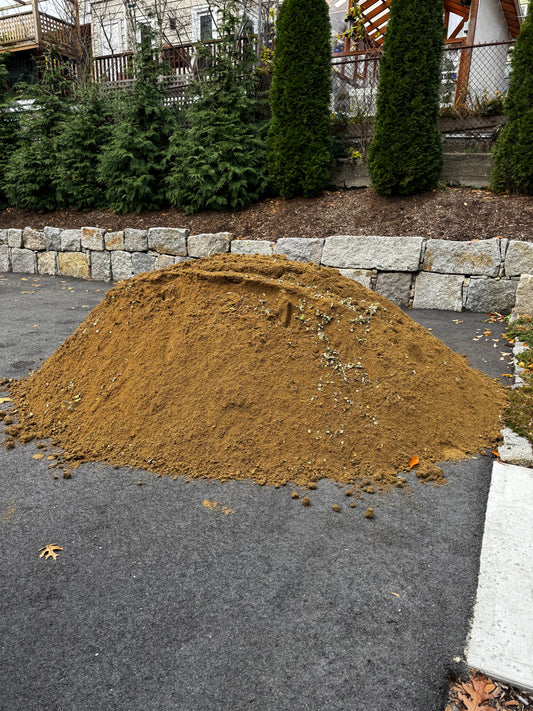
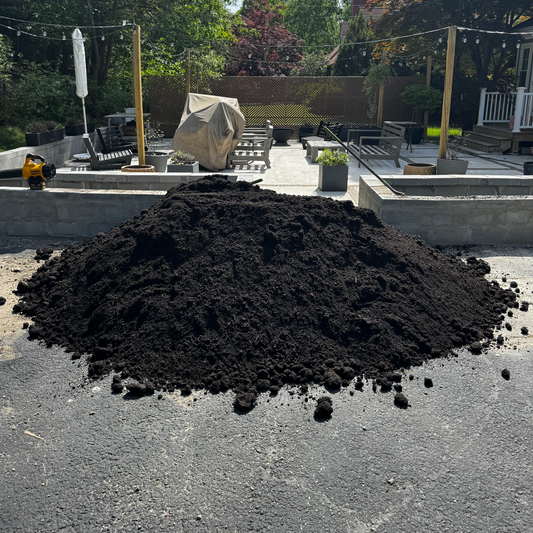
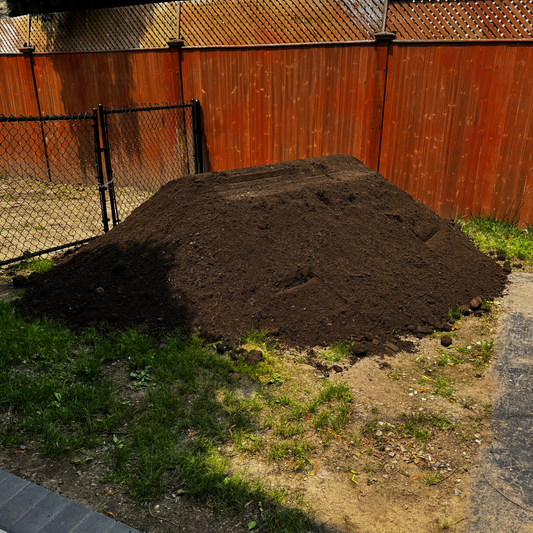
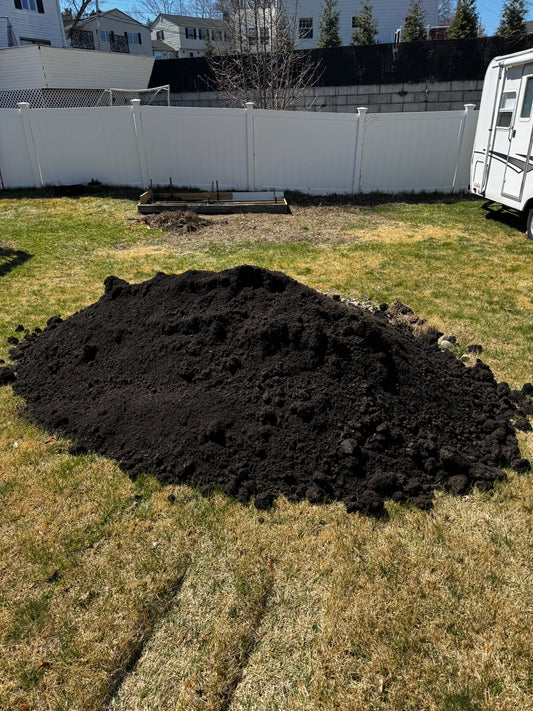
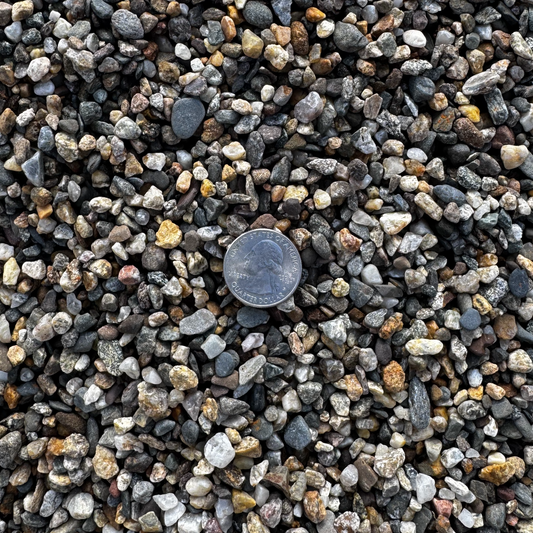
- 1/2 cubic yard raised-bed soil mix — 60% screened loam, 30% screened compost, 10% perlite or coarse sand
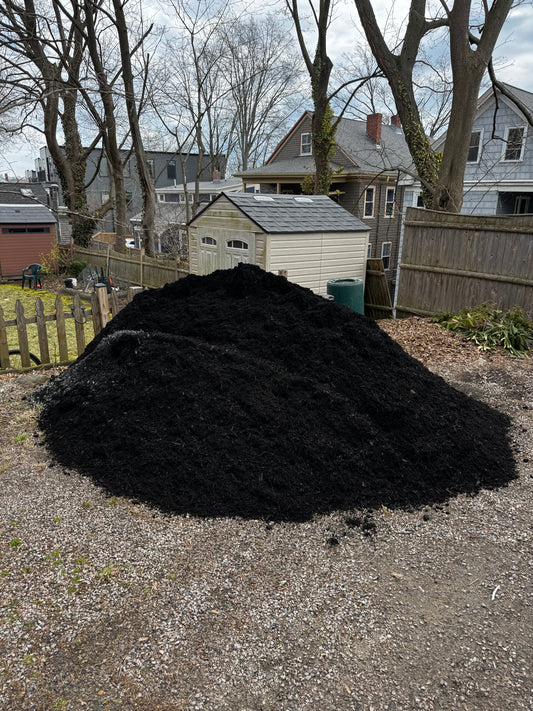
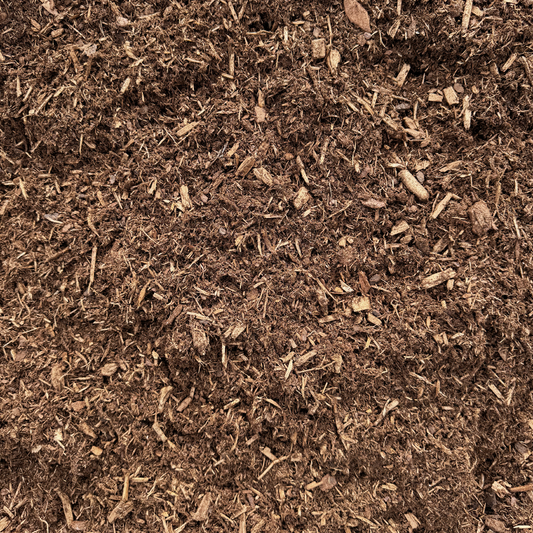
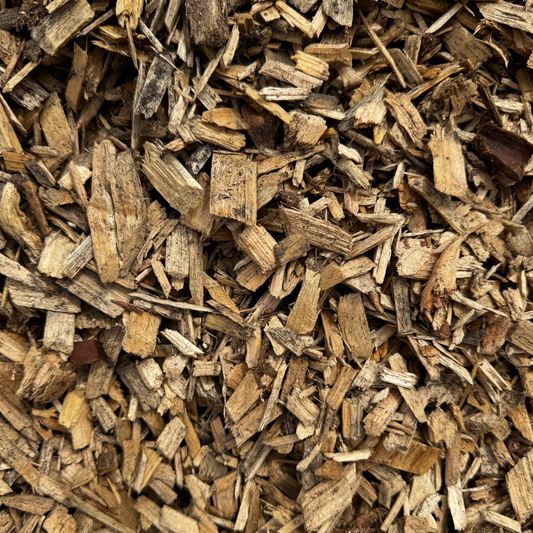
- 1 cubic foot mulch — hardwood or pine bark, 1-inch top layer
- Optional: hardware cloth — for gopher/vole protection (rare in Cambridge but free insurance)
Browse the raised garden bed materials collection for the soil components in 1/2 cubic yard delivery sizes. The UMass Extension Vegetable Program has the authoritative soil-spec guidance for raised-bed vegetable gardens.
For the broader bed-building pillar, see How to Build a Raised Vegetable Bed in a Plymouth County Backyard — this Cambridge version is a smaller, patio-scale variant.
Step 1: Cut the Boards (15 min)
Each 2x8x8 board cuts in half — two 4-foot pieces. Total: 8 pieces from 4 boards.
Use a circular saw with a sharp blade. Square ends — square cuts make the corner joints tight. If you don't trust your eyeballed square, use a Speed Square as a guide.
Step 2: Build the Walls (30 min)
For 8-inch tall walls, stack 2 boards high. Frame as butt joints — short side overlaps long side. Pre-drill pilot holes to prevent cedar splitting.
Assemble one side at a time:
- Lay 2 short-side boards in stack alignment
- Set long-side boards across the ends
- Drive 3 screws through the long-side boards into the end grain of the short-side boards
- Repeat on the other end
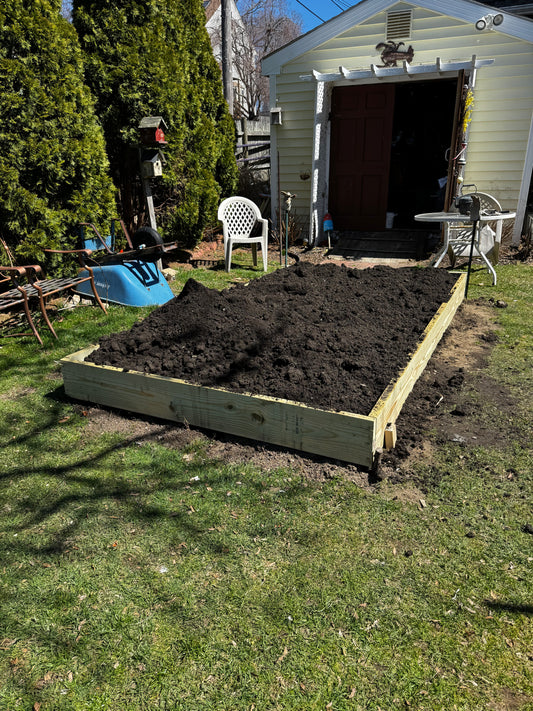
The result: a 4x4 square frame, 8 inches deep, ready to lift onto the patio.
Step 3: Level on the Patio (15 min)
A Cambridge patio is rarely truly level. Set the bed where you want it, lay a 4-foot level across the top, and shim under the low corners with cedar scraps, brick chips, or a thin paver. The ICPI hardscape guidance has the leveling tolerances for paver-supported structures.
The bed doesn't need to be perfectly level (water will still drain), but a sloped bed looks sloppy and stresses plants on the dry side.
Step 4: Line with Hardware Cloth (Optional, 10 min)
If you're concerned about voles or moles working up from below (rare in Cambridge — common in Plymouth and Halifax), staple 1/2" hardware cloth across the bed bottom before filling. Folds up an inch on the sides.
For a strictly patio-on-concrete bed, skip this step — the concrete is the barrier.
Step 5: Fill with Soil Mix (60 min)
Fill the bed in 4-inch lifts:
- First lift: pour the bottom 4 inches of soil mix. Walk on it lightly to settle. Water it in lightly.
- Second lift: pour the top 4 inches. Settle and water.
- Top off to within 1 inch of the rim.
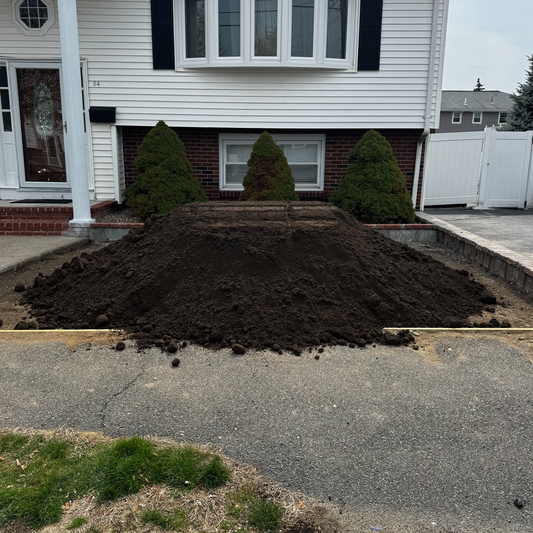
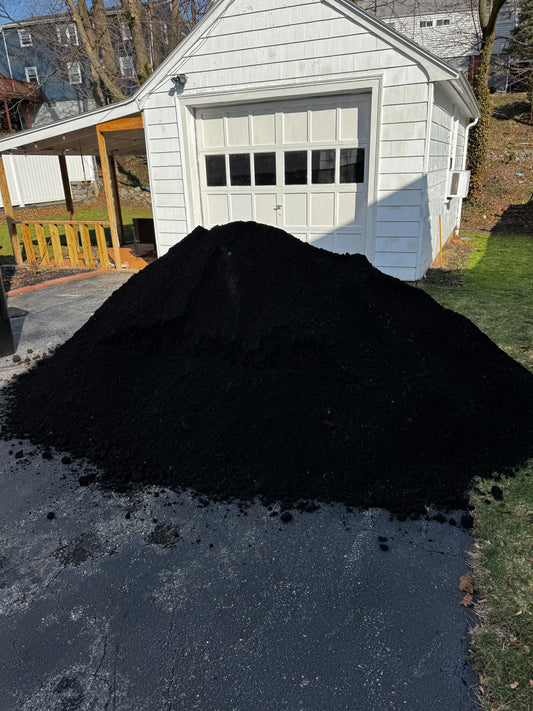
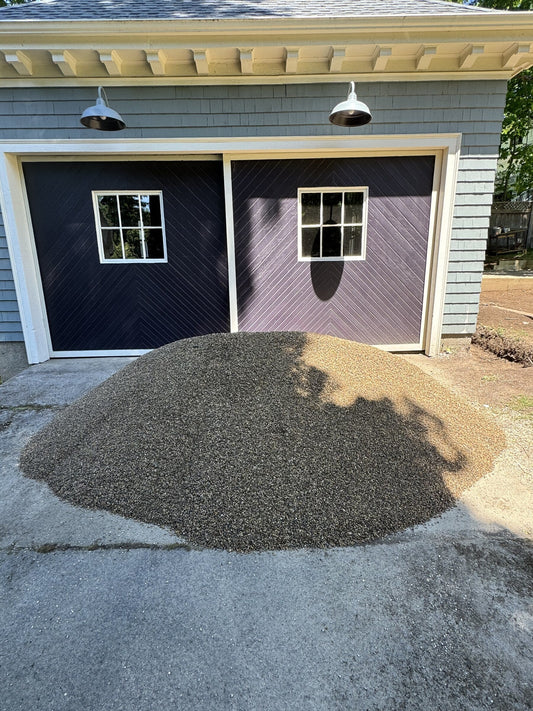
For Cambridge patios where you can't drive a truck to the bed, order soil in 1.5 cubic foot bags — 30 bags fills one 4x4x8 bed. Ottr's Cambridge landscape supply routes deliver bagged soil to the patio.
Step 6: Plant (30 min)
For Mother's Day morning, plant in this order:
- Center: one tall plant (a tomato seedling, a small ornamental grass, or a flowering pillar like a 1-gallon hydrangea)
- Around the center: 3–4 mid-size plants (herbs — basil, parsley, thyme — or annual flowers — petunias, calibrachoa)
- Edges: 4–6 trailing plants (creeping thyme, sweet potato vine, lobelia)
The Friday-Saturday gift sequence: build the bed Friday after work, fill Saturday morning, plant Saturday afternoon, deliver Sunday morning with a watering can. Mother's Day gift framing covered in 5 Last-Minute Mother's Day Garden Gifts You Can Pull Together This Weekend and the holiday note Happy Mother's Day from Ottr Landscape Supply.
Step 7: Mulch the Top Inch (10 min)
Spread an inch of hardwood mulch over the planted soil. Mulch holds moisture and finishes the look. Don't pile against plant stems.
Common Cambridge Patio Mistakes
Pressure-treated lumber. Don't use it for vegetable beds. Cedar is the right choice — naturally rot-resistant, no chemicals.
Skipping the bottom. Some kits include a wood bottom — skip it. Open-bottom beds drain better and roots can grow into the patio's substrate (helpful in clay).
Bagged "topsoil" instead of bed mix. Topsoil is too dense for a raised bed. The 60/30/10 loam-compost-perlite mix drains and aerates properly. See Filling a Raised Bed in Wellesley for the soil-fill math.
For the bed-mistake list at full scale, see 5 Raised Bed Mistakes Newton Homeowners Make.
What This Means for You
3 hours, $260, one cedar bed Mother's Day-ready. Order the soil mix delivery for Saturday morning through the Cambridge landscape supply routes — Ottr drops bagged or small-volume bulk to Cambridge patios.