Quick Answer
Ordering bulk rock salt for a Cape Cod property: measure your driveway (typical Cape ranches and capes run 600-1,000 sq ft of treatable surface), pick treated rock salt for faster onset in coastal humidity, schedule delivery 3-5 days ahead since Cape routes run less frequently than inland, prep a covered drop spot, and transfer to covered cans within 12-24 hours because Barnstable County humidity clumps salt faster. A typical Cape winter uses 1.5-2 cubic yards per residential property - bulk runs roughly half the per-pound cost of bagged.
Why Cape Cod Is Different
Cape Cod winters are milder than inland MA but humider - Barnstable County rarely sees the sub-15 degree F deep cold of Worcester or Lexington, but the air carries 15-25% more moisture year-round. That changes the bulk-salt math:
- Treated rock salt outperforms untreated by a wider margin than inland (the brine coating sticks faster in humid air).
- Bulk salt clumps faster if not transferred to covered storage within 24 hours.
- Storms tend to be wet snow or sleet rather than dry powder - traction matters more than melting power.
Cape towns - Barnstable, Falmouth, Bourne, Sandwich, Mashpee, Yarmouth, Dennis, Brewster, Orleans, Eastham, Wellfleet, Truro, Provincetown, Chatham, Harwich - all share this profile. The five-step ordering process below works for any of them.
Step 1 - Measure Driveway and Walks
Walk the property with a tape:
- Driveway: length x width.
- Front walk and stoop: length x width.
- Coastal walk to dock or beach access: include if you treat it.
Cape ranches and capes typically run 600-1,000 square feet of treatable surface. At 1/4 to 1/2 pound per square foot for melting and 1-2 ounces per square foot for pre-treatment across 6-10 events:
- Mild Cape winter: ~1 cubic yard.
- Average Cape winter: ~1.5 cubic yards.
- Hard Cape winter: ~2-2.5 cubic yards.
For application math, see How to Read an Ice Melt Label Step by Step.
Step 2 - Pick Treated Rock Salt for the Cape
Ottr stocks both:
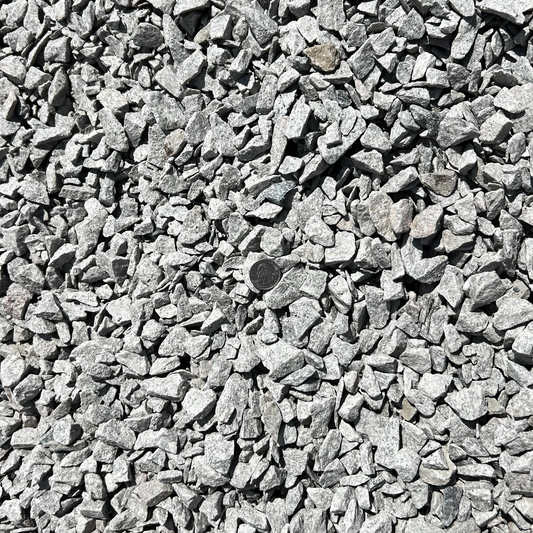
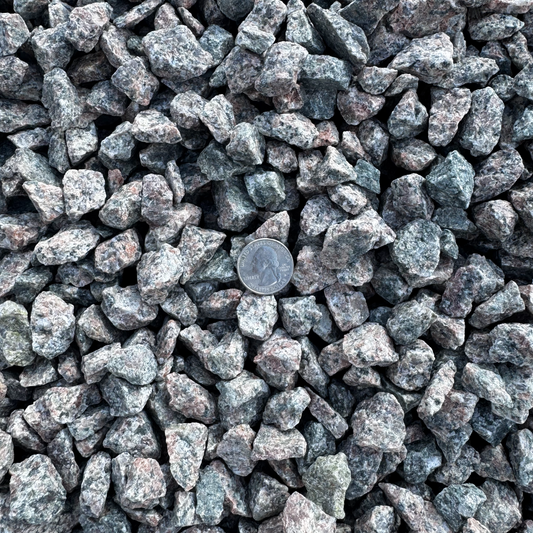
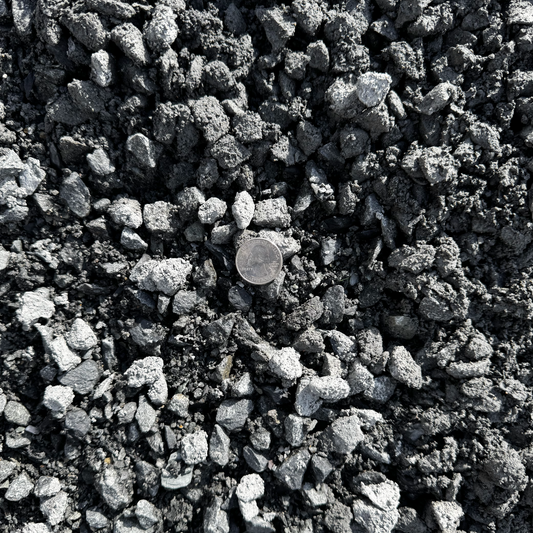
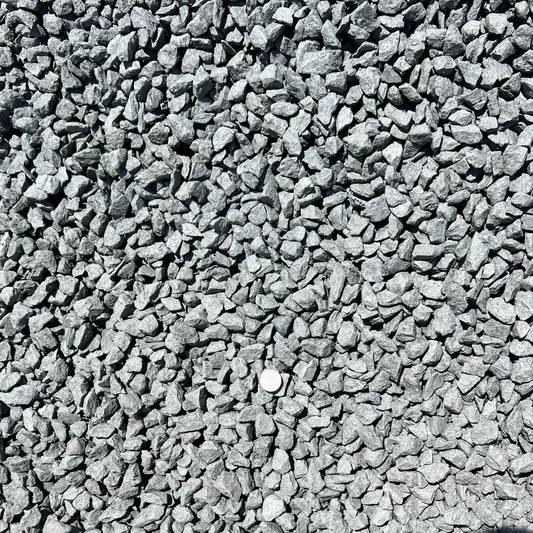
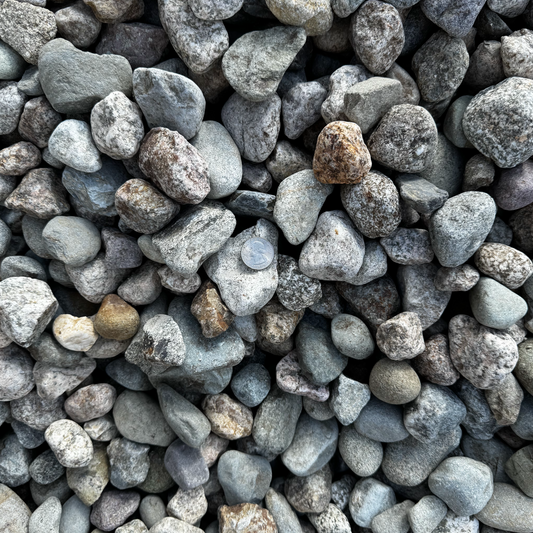
- Rock Salt (Treated) - brine/calcium-chloride coating. Faster onset, sticks better in coastal humidity, uses 20-30% less per application. The default Cape pick.
- Rock Salt (Untreated) - cheaper per pound. Best for blending into salt-sand 20/80 (lawn-edge) or 50/50 (cold-snap traction). See Mixing Your Own Salt-Sand.
Most Cape homeowners order treated for the central drive plus a smaller stockpile of untreated for blending. For lawn-edge protection logic, see What's the Right Salt-to-Sand Ratio for Driveways?.
Step 3 - Schedule Delivery 3-5 Days Ahead
Cape Cod delivery from Ottr's Brockton-area yard runs less frequently than inland MA routes. Book 3-5 days ahead during winter, ideally before a forecast storm. Provide:
- Property address and zip.
- Drop spot description.
- Quantity in cubic yards.
- Treated vs untreated.
- Contact for the dispatcher.
Ottr's hauling truck holds up to 14 cubic yards. Splitting a load with a neighbor or shared driveway halves the per-yard delivery fee - a common move on Cape lanes.
Step 4 - Prep a Covered Drop Spot
Cape coastal humidity is the biggest storage variable. Before the truck arrives:
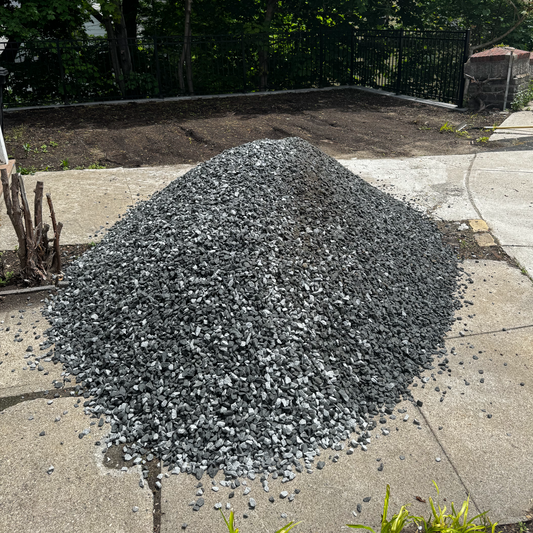
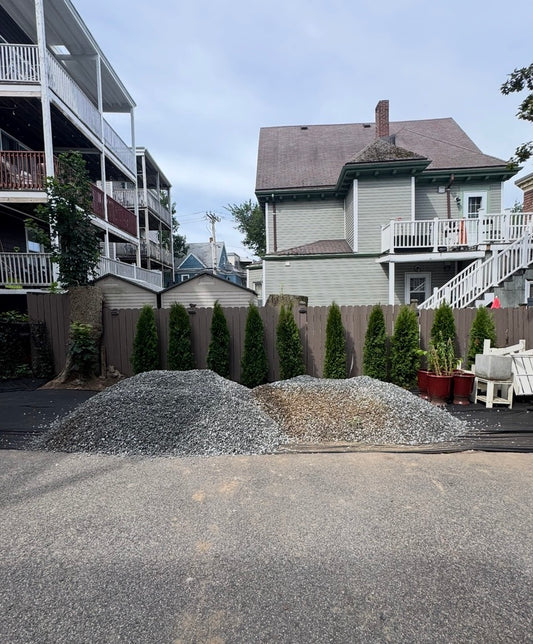
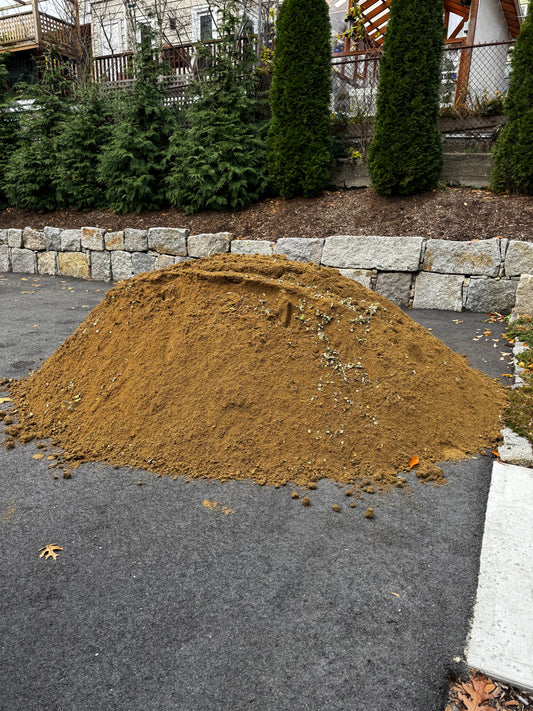
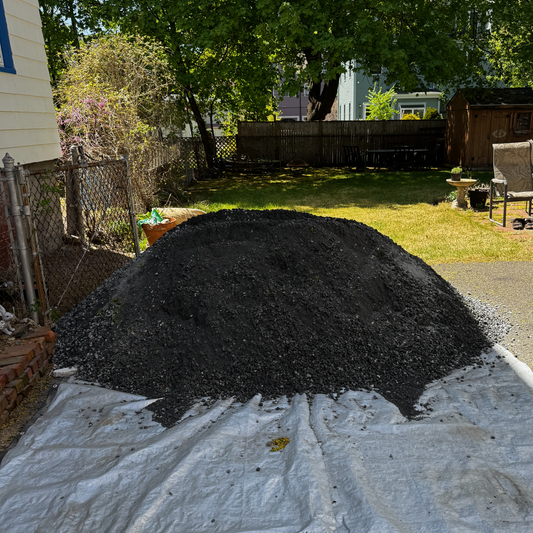
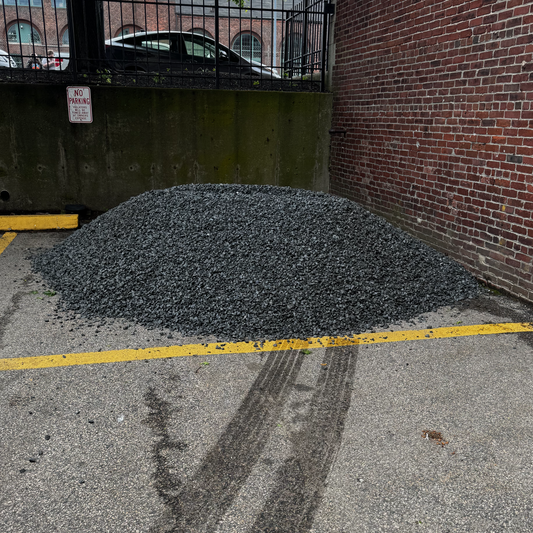
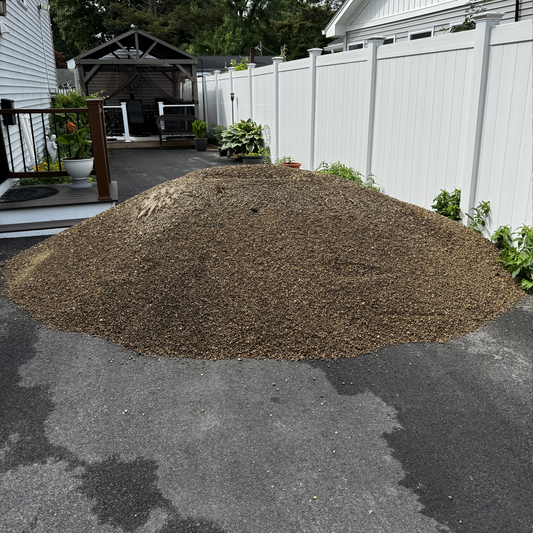
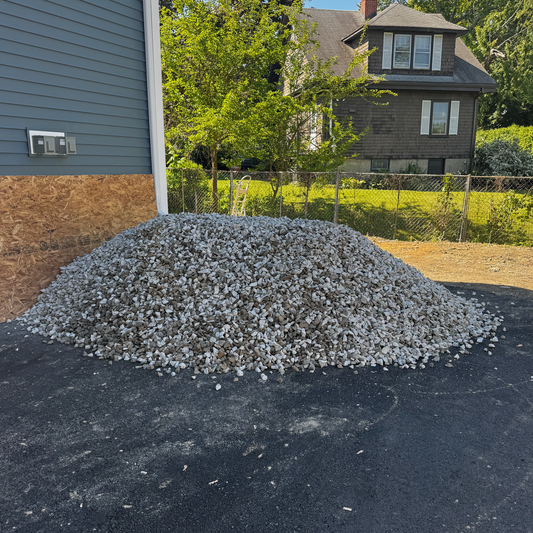
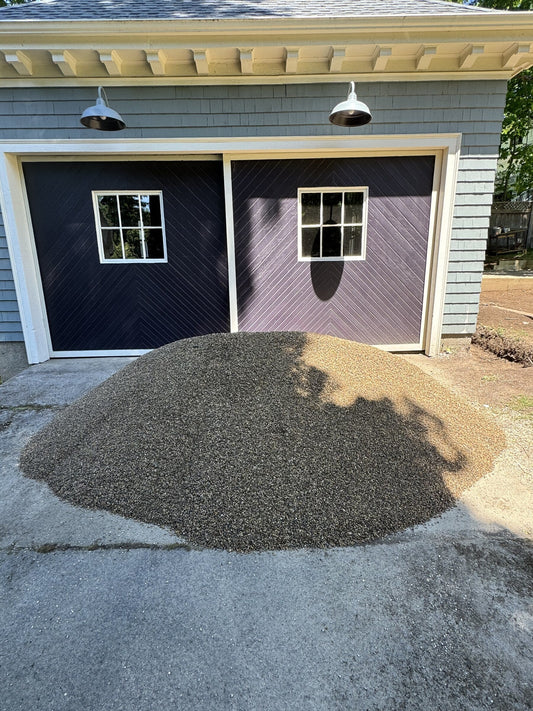
- Clear a flat, paved area roughly 10x10 feet for a 2-yard pile.
- Cover the pile area if possible - garage, carport, deck overhang.
- Lay a 12x12 tarp on the ground if covered storage isn't available.
- Pre-stage 30-gallon cans within 10 feet for fast transfer.
For storage logistics, see 5 Smart Ways to Store Bulk Salt Through a Lexington Winter - same logic with tighter timing on the Cape.
Step 5 - Transfer to Covered Cans Within 12-24 Hours
Cape humidity makes the transfer window tighter than inland. Within 12-24 hours of delivery:
- Open all can lids.
- Scoop bulk into cans with a snow shovel.
- Tamp lightly.
- Lid tight.
- Set cans on a pallet inside a garage or shed.
Don't leave bulk uncovered overnight on the Cape - by morning, salt-air condensation will have started fusing the bottom layer.
What a Cape Cod Bulk Order Looks Like
| Quantity | Use Case | Storage |
|---|---|---|
| 1 yd treated | Single home, mild winter | 3 cans on pallet |
| 1.5 yd treated | Average Cape winter | 5 cans |
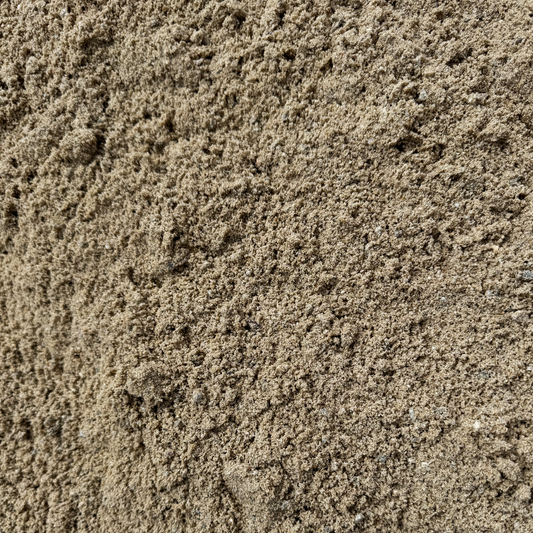
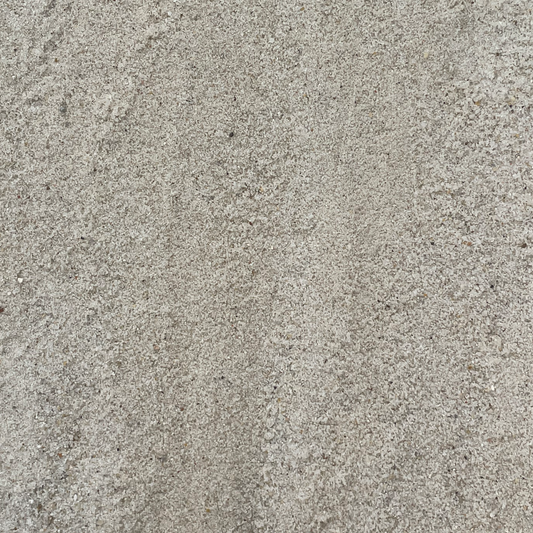
| 2 yd treated + 0.5 yd mason sand | Property with lawn edge or coastal walk | 7-8 cans |
Browse Snow & Ice Management for current per-yard rates on rock salt (treated and untreated), salt-sand 50/50, salt-sand 20/80, and mason sand. The full collections/all shows the broader Cape-deliverable lineup.
For January planning while inventory is settled, see the 2026 follow-up on garden reference books - the same indoor January-planning approach applies to Cape gardeners thinking ahead to spring.
For broader MA road-salt application standards, MA DOT salt guidance is the authoritative statewide source - especially relevant for Cape towns managing Cape Cod National Seashore-adjacent watersheds.