Quick Answer
The five smartest ways to store bulk rock salt through a Lexington winter: #1 use 30-gallon trash cans on a wood pallet (breaks ground contact), #2 keep cans in a covered shed or garage (controls humidity), #3 split the order across two cans (one treated rock salt, one mason sand or salt-sand 20/80), #4 transfer within 24 hours of delivery, and #5 sweep and reclaim residual salt during March thaws. Done together, a Lexington homeowner gets 95%+ usable salt across the season instead of clumping losses.
Why Storage Matters in Lexington
Lexington sees more sub-15 degree F nights than coastal MA towns - the inland Middlesex County low. Driveways here are also longer than the regional median (Lexington lots run bigger), which means bigger bulk orders and more material to manage. Stored badly, bulk salt clumps into a brick within 4-6 weeks. Stored well, the same delivery handles the full season.
These five habits separate the Lexington homeowners who buy bulk once from those who buy bulk and end up running back to the hardware store anyway.
#1 - 30-Gallon Trash Cans on a Wood Pallet
The single most important storage move. Rock salt sitting directly on cold concrete pulls condensation out of the slab and out of the air, fusing into a brick within weeks. A wood pallet under the can:
- Breaks ground contact.
- Allows airflow underneath.
- Lifts the can 4-5 inches.
Pallets are free at most lumber yards and hardware stores. Two heavy-duty 30-gallon cans hold about 600 pounds total - roughly two cubic yards' working stock for a typical Lexington two-car driveway. For the full bin build, see How to Build a Weatherproof Salt-Sand Bin for a Quincy Property.
#2 - Covered Shed or Garage
Lexington garages stay 10-25 degrees F warmer than ambient outdoor temps in January. That moderates the temperature swing the cans see, which dramatically reduces condensation cycling.
If a garage isn't an option:
- A 3-sided shed alcove (against the house, deck overhang above) works almost as well.
- Avoid storing under tarps directly on the driveway - the tarp traps moisture against the cans.
- Avoid uncovered outdoor storage past mid-January - sleet finds its way under any tarp eventually.
#3 - Split the Order Across Two Cans
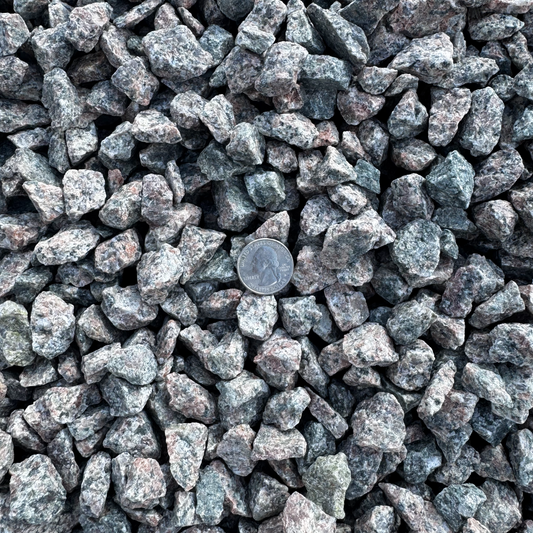
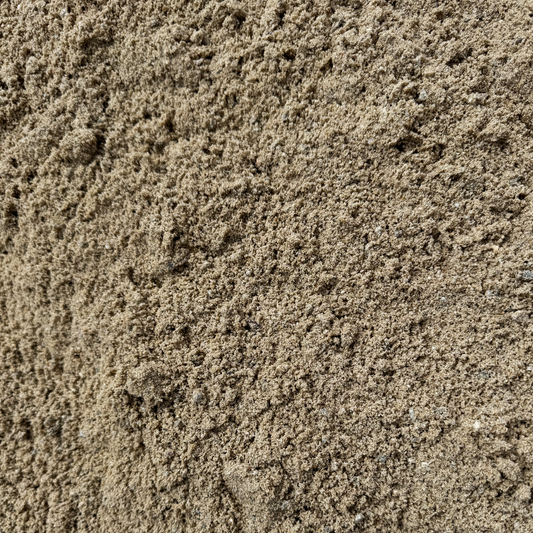
Use one can for treated rock salt (your central-drive workhorse) and one for mason sand or pre-blended salt-sand 20/80 (lawn-edge protection). This lets you reach for the right product mid-storm without digging through a single mixed can.
Treated rock salt is your default. Mason sand stays separate so you can blend on demand for lawn-edge applications. For ratio guidance, see What's the Right Salt-to-Sand Ratio for Driveways?.
#4 - Transfer Within 24 Hours of Delivery
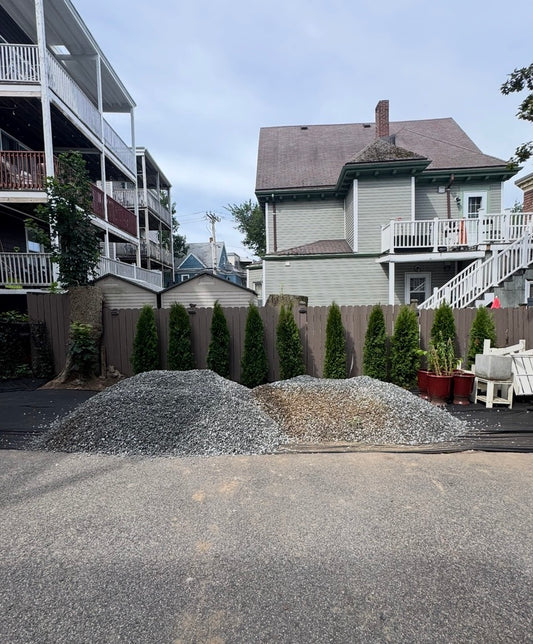
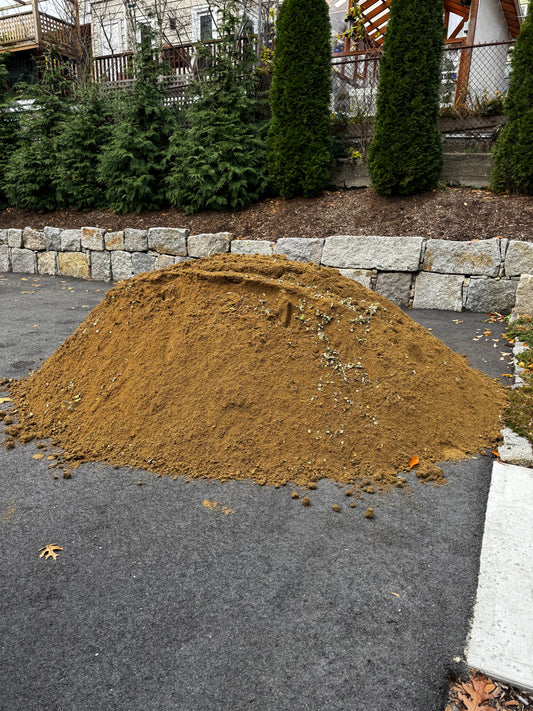
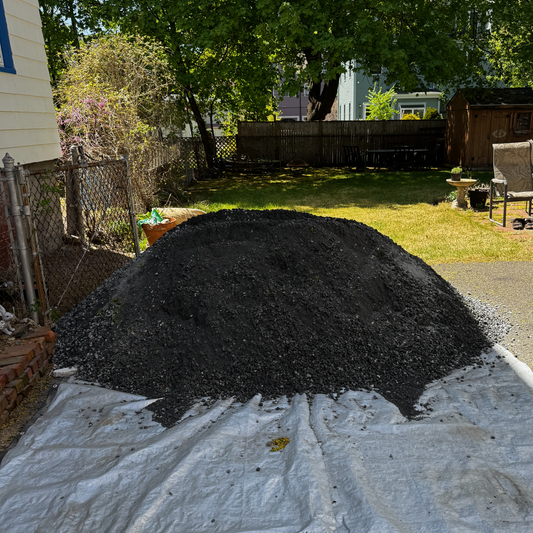
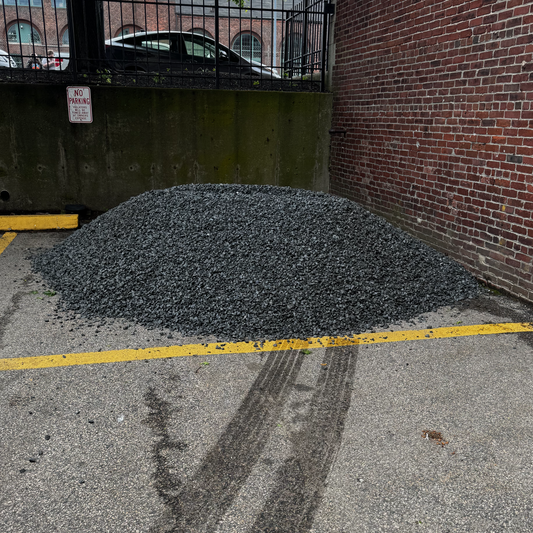
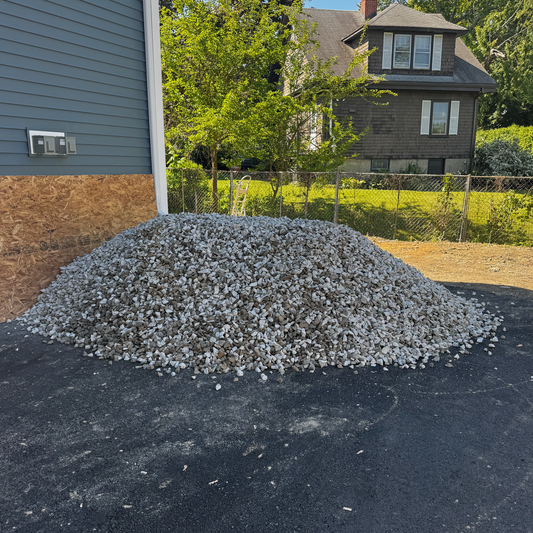
When Ottr drops bulk salt on a tarp, the clock starts immediately. Salt absorbs ambient moisture fast - by 48 hours, the bottom layer of the pile is starting to fuse. Within 24 hours:
- Open both can lids.
- Scoop bulk into cans with a snow shovel.
- Tamp lightly to settle.
- Lid up tight.
A 1-yard delivery transfers in 20-30 minutes. Don't wait until "next weekend."
For ordering logistics, see How to Order Bulk Rock Salt for a Mattapan Property - same timing logic in Lexington.
#5 - Sweep and Reclaim During March Thaws
When mid-winter temperatures climb above 40 degrees F and the driveway dries, sweep up residual salt and sand before they wash off. Process:
- Wait for a dry day above 40 degrees F.
- Sweep into a 5-gallon bucket.
- Pour reclaimed material back into the appropriate can.
A typical Lexington homeowner reclaims 30-40% of mid-winter sand (more on lawn-edge applications) and 10-15% of dry rock salt. Free chloride for the next storm and less runoff into the Vine Brook and Mystic River watersheds.
For broader chloride-runoff guidance, the EPA Smart Salting program is the authoritative source. The Lexington landscape supply collection shows the full local product lineup.
End-of-Season Checklist
By late March in Lexington:
- Sweep up driveway and reclaim salt + sand into cans.
- Top off cans for next winter.
- Cover cans with a 6x8 tarp; bungee corners.
- Note remaining volume; plan next year's bulk order.
For the 2026 follow-up comparing mason sand vs bank sand in Worcester, the same storage logic applies to inland Middlesex County yards. Browse Snow & Ice Management for the full bulk lineup.