Quick Answer
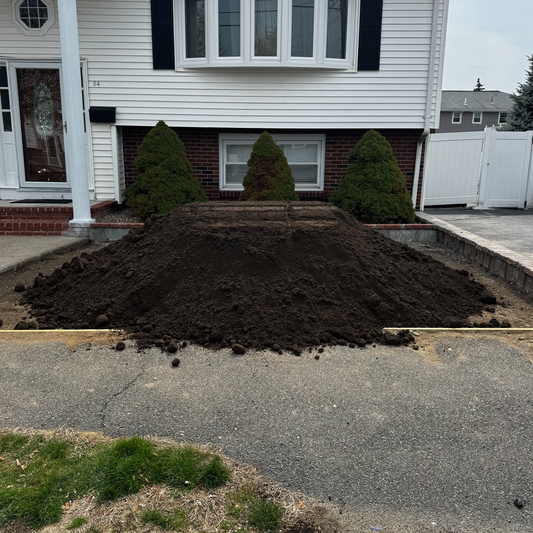
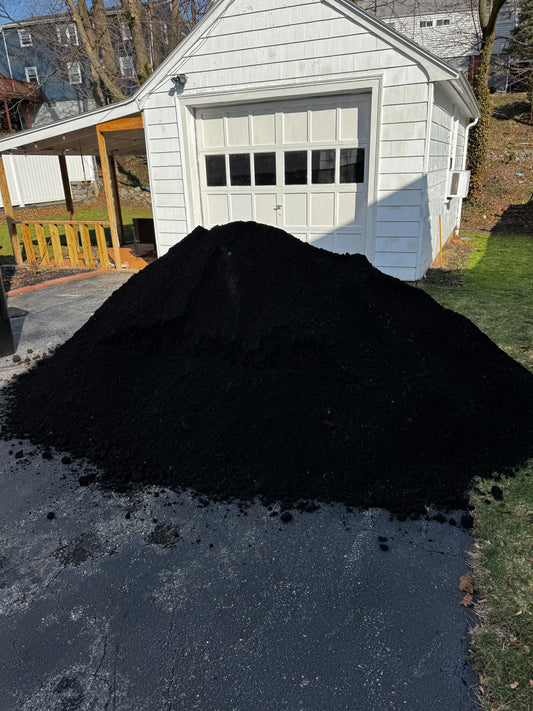
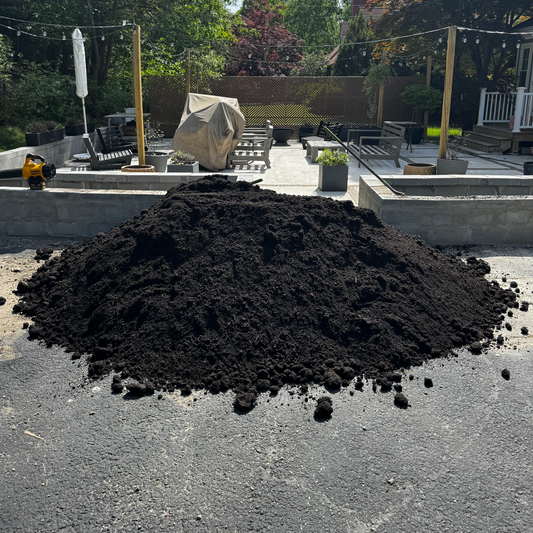
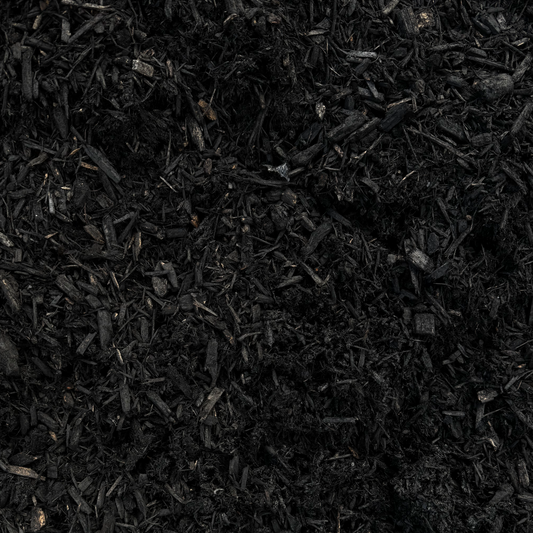
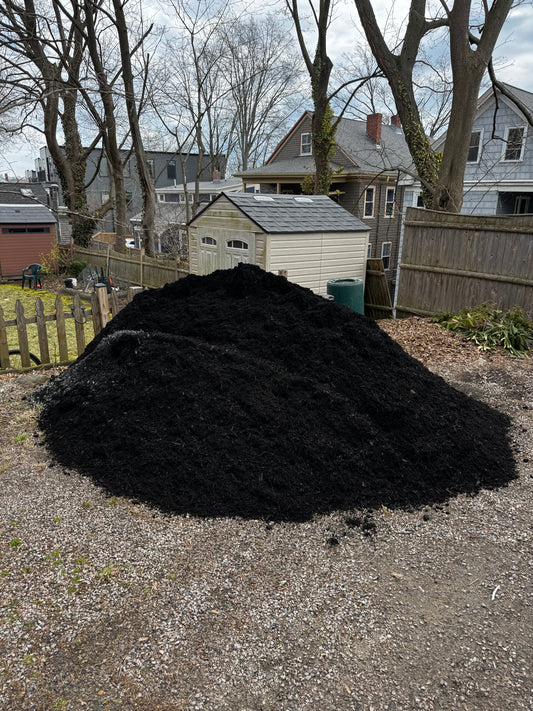
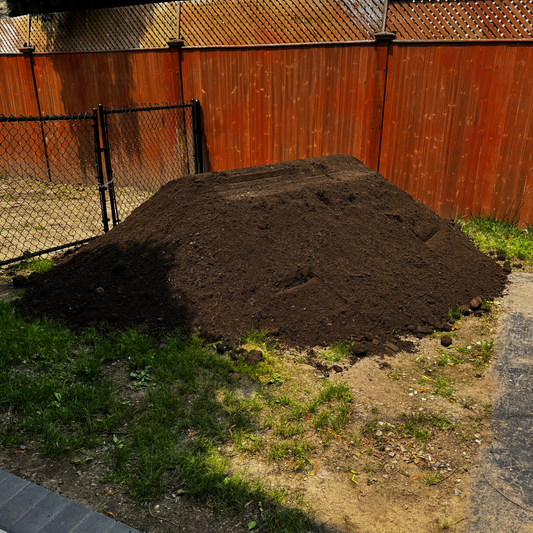
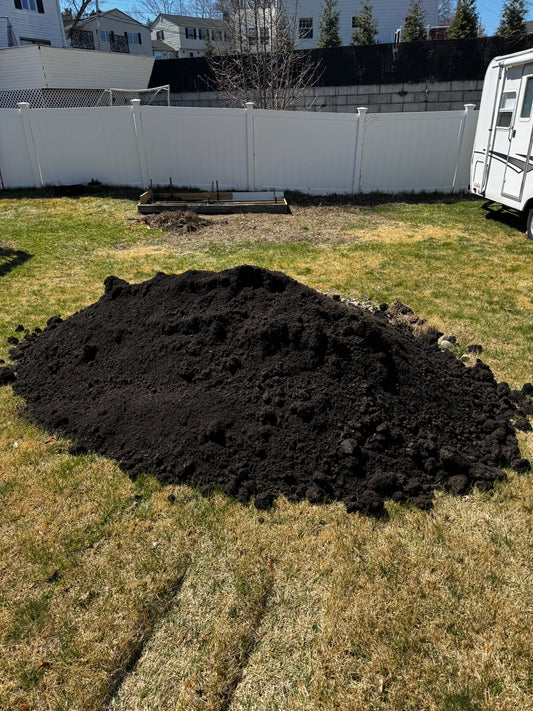
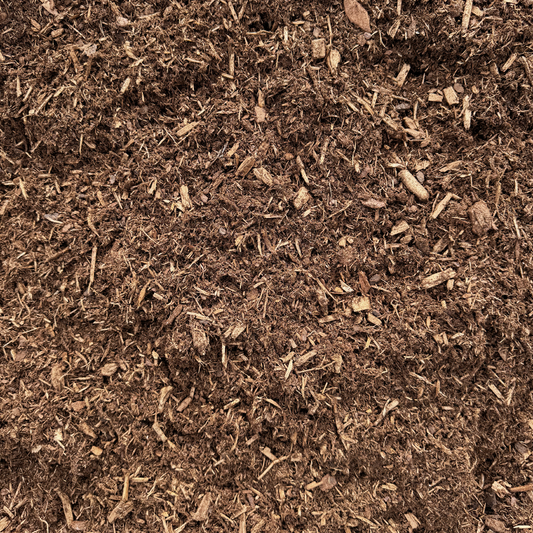
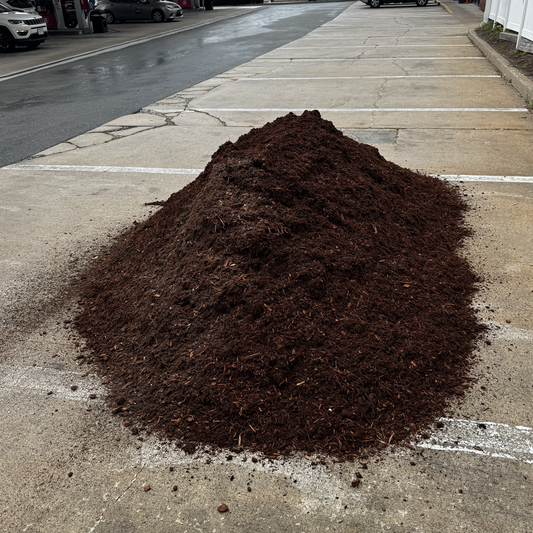
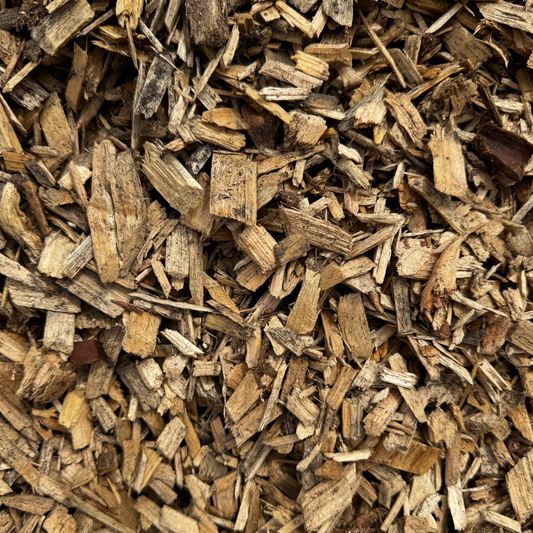
Five more natives that earn their spot in a Middlesex County back yard — Highbush Blueberry, Witch Hazel, Wild Geranium, New England Aster, and Red Twig Dogwood. All five extend bloom from April through October, support different pollinator guilds than the front-yard list, and need no soil amendments beyond a 2-inch top-dress of Compost at planting and a 3-inch ring of Hemlock Mulch in year one.
Why Back Yards Need Different Natives
Front-yard natives have to handle road-salt drift and pedestrian sight-lines. Back-yard natives can lean into wetter feet, deeper shade, and four-season interest. The list pairs with the 5 Native MA Plants for a Middlesex County Front Yard read from April 2 — same planting principles, different species.
Browse the plant establishment & tree planting collection for the bulk soil amendments and mulch.
1. Highbush Blueberry (Vaccinium corymbosum)
Native to MA wetlands and edges, 4 to 6 feet tall, white flowers in May, edible blueberries in July, brilliant red foliage in October. Two cultivars planted together for cross-pollination produce 5 to 8 pounds of fruit per shrub by year four. Lower the soil pH to 4.5–5.5 with peat moss and sulfur at planting.
The Native Plant Trust lists Highbush Blueberry as a top-five performer for combined wildlife and food value.
2. Witch Hazel (Hamamelis virginiana)
Native understory tree, 15 to 20 feet, yellow ribbon-like flowers in October and November when nothing else is blooming. The single best four-season shrub for a Middlesex County back yard. Tolerates dry shade better than any other native MA shrub.
Plant against a north-facing fence or in a corner where the late-fall flowers catch the low sun.
3. Wild Geranium (Geranium maculatum)
Native woodland perennial, 18 inches tall, lavender-pink flowers in May. Fills the gap between the spring ephemerals and the summer perennials. Plant in drifts of 10 to 20 plants under deciduous trees in Cambridge, Arlington, and Belmont back yards.
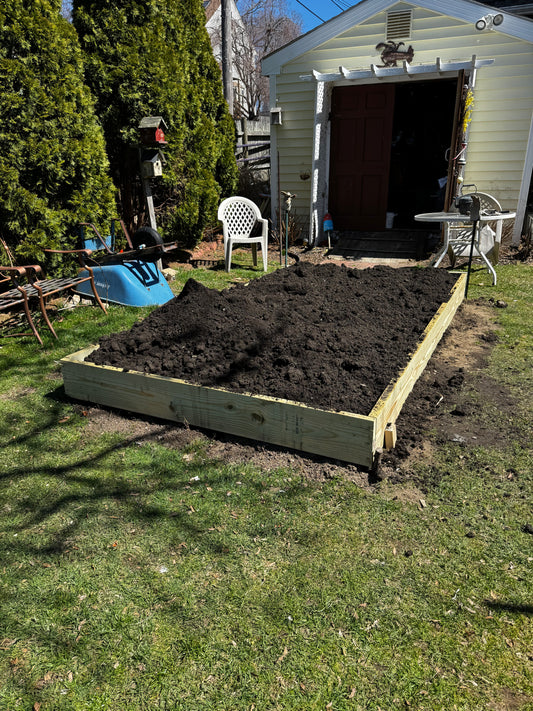
For the soil prep that pairs with this perennial, see the How to Build a Cedar Raised Bed in a Hingham Backyard read — same Garden Soil Mix and Compost ratios.
4. New England Aster (Symphyotrichum novae-angliae)
The state's signature late-season native. 3 to 5 feet tall, dense purple flower heads September through frost, host plant for the pearl crescent butterfly. Pollinators across MA Audubon sanctuaries depend on this species in October when most other nectar sources have gone.
Cut back to 6 inches after the first hard frost. Returns reliably for 10+ years.
5. Red Twig Dogwood (Cornus sericea)
The native shrub that gives a Middlesex County back yard winter color. 6 to 8 feet tall, white flat-topped flowers in May, white berries for birds in August, and brilliant red stems from leaf-drop through April. The single best plant for a snow-covered Cambridge or Belmont back yard view.
Cut one-third of the oldest stems to the ground each March to maintain the brightest red. The How to Mulch Properly Around a Newly Planted Watertown Tree read covers the year-one care for any of these woody plants.
What This Means for You
Five plants, one truckload of Compost and Hemlock Mulch from the mulch collection, one Saturday afternoon. The back yard will have something blooming or showing color from April through April. The 2026 follow-up that pairs cedar mulch picks with the same plant lineup is in the 2026 cedar Cambridge read.
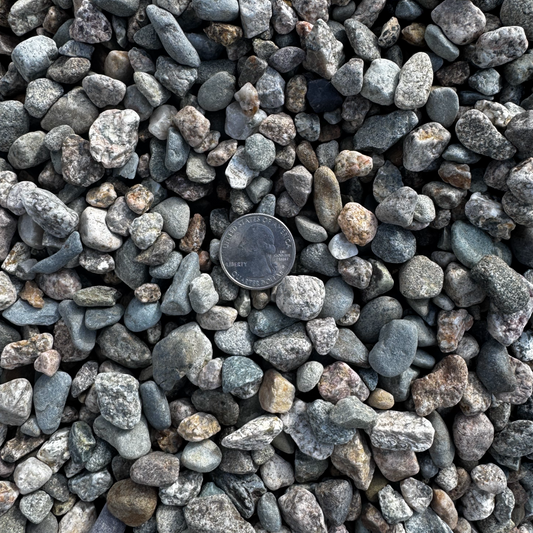
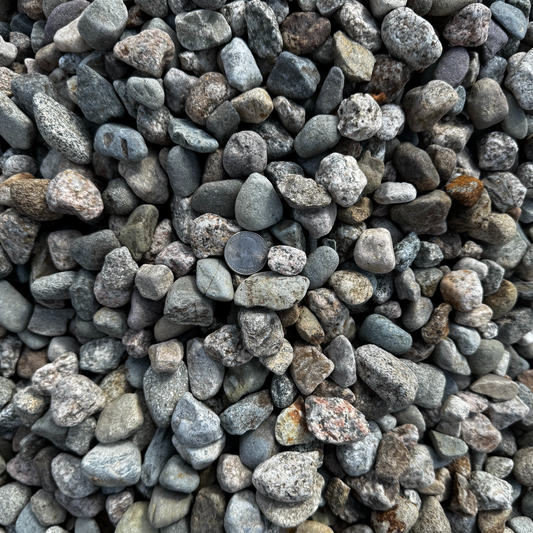
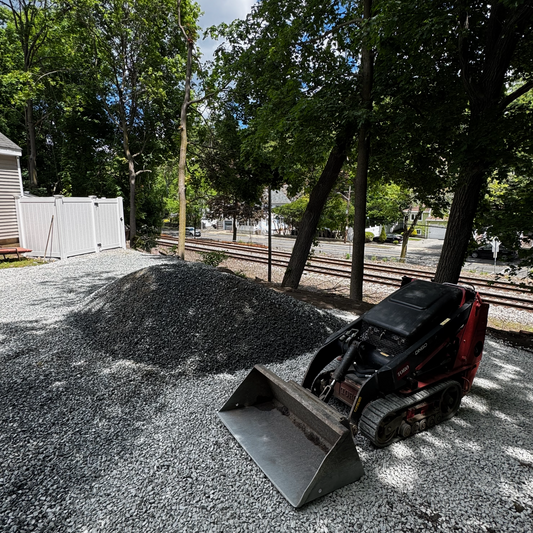
For the perennials side of the list, the upcoming Review: 3/4 vs 1.5 Crushed Stone for a Plymouth County Driveway Base read on April 22 covers the hardscape companion to a native back-yard layout.