Quick Answer
The five native plants that earn their spot in a Middlesex County front yard — Lexington, Cambridge, Arlington, Winchester, Belmont — are Inkberry Holly, Northern Bayberry, Sweet Pepperbush, Little Bluestem, and Eastern Redbud. All five thrive in USDA Zone 6a/6b conditions, support pollinators, and need no soil amendments beyond a 2-inch top-dress of compost at planting and a 3-inch ring of mulch in year one.
Why Natives Work in Middlesex County Front Yards
Middlesex County soils run from the glacial sand of Belmont to the loamy clay of Concord. Native plants are adapted to that range — they don't need the irrigation, fertilizer, or annual replacement that Knockout Roses and disease-prone boxwood do. For homeowners looking at the boxwood browning fix coming up later in April, swapping to a native foundation hedge is the long-term answer.
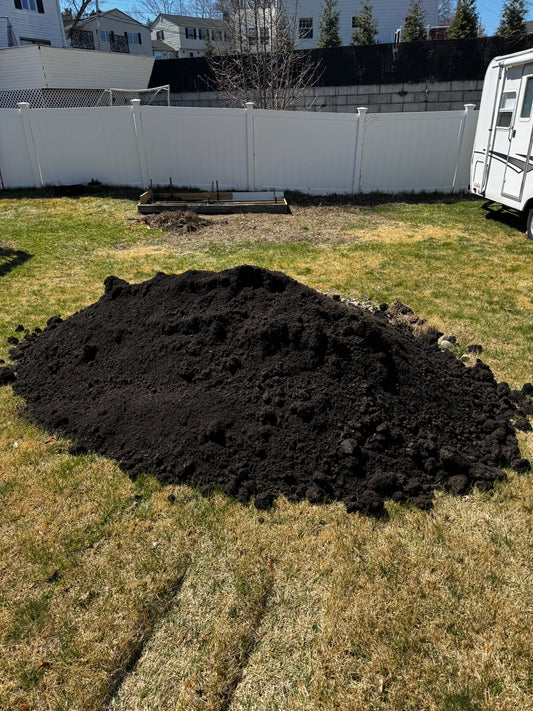
Browse the plant establishment & tree planting collection for the bulk soil amendments and mulch that get these plants through year one.
1. Inkberry Holly (Ilex glabra)
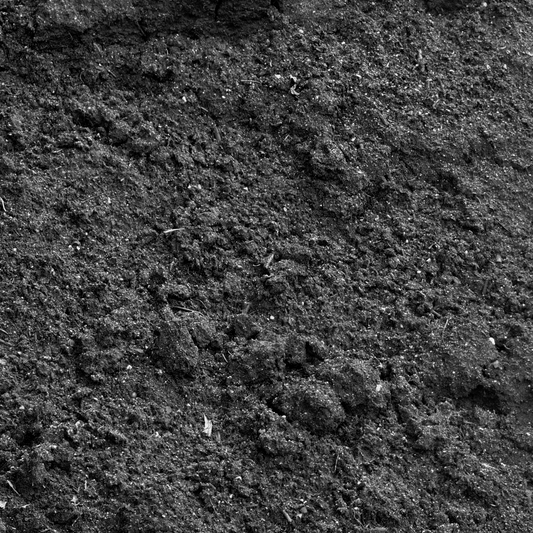
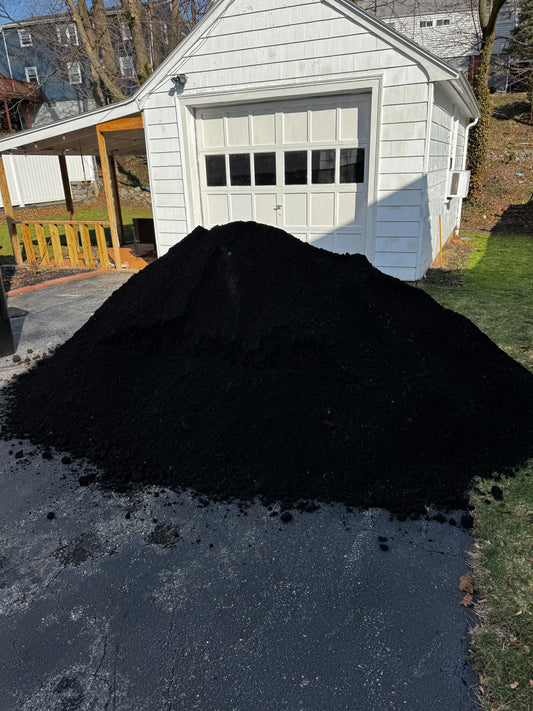
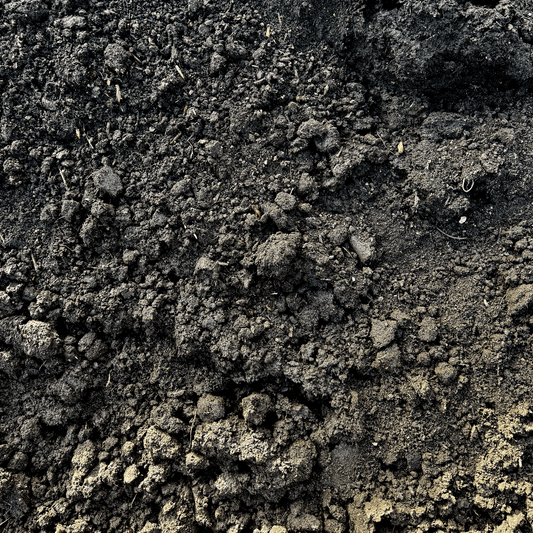
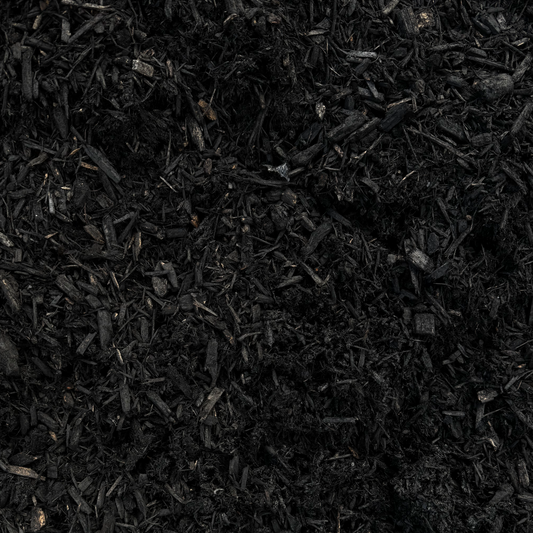
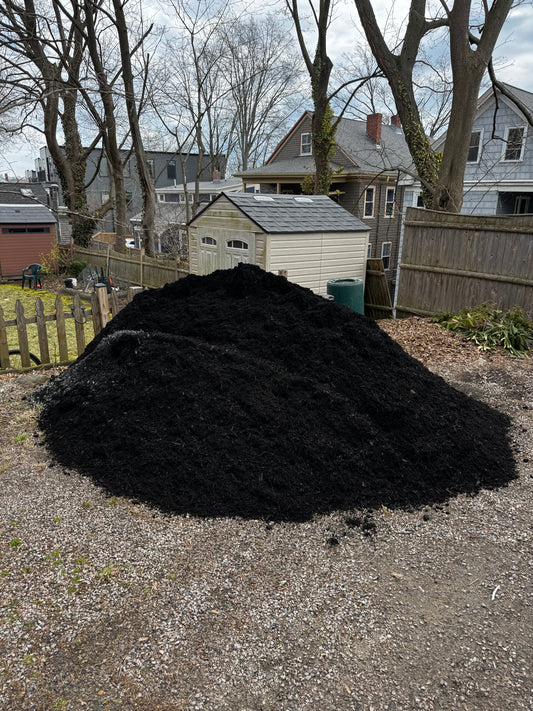
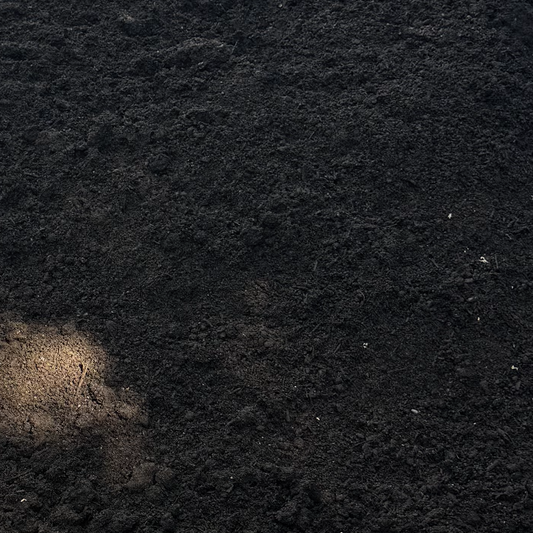
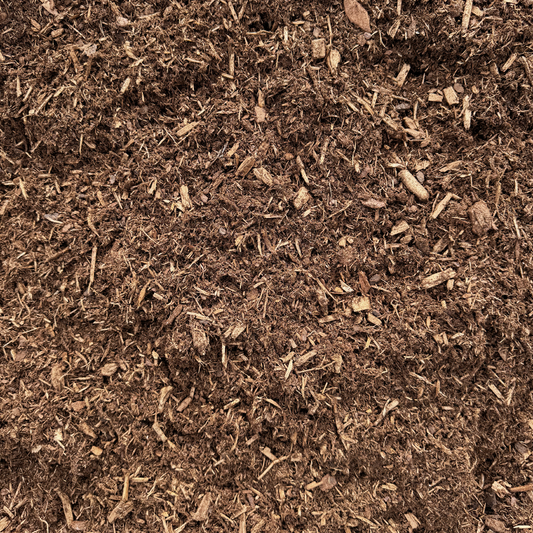
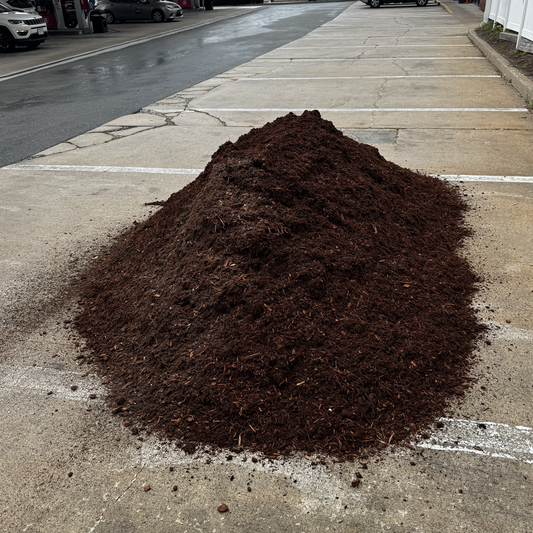
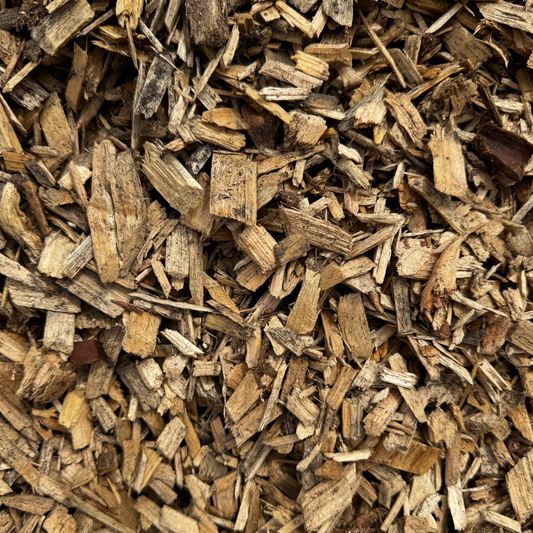
The native swap for boxwood. Evergreen, 3 to 4 feet tall and wide, tolerates the road-salt drift on Lexington and Belmont streets. Plant in early April once the ground has thawed; top-dress with 2 inches of Compost from the raised garden bed materials collection and ring with 3 inches of Hemlock Mulch.
Spacing: 30 inches on center for a hedge.
2. Northern Bayberry (Myrica pensylvanica)
Semi-evergreen shrub, 5 to 8 feet at maturity, fixes its own nitrogen from the air, and laughs at sandy Belmont and Arlington soils. The waxy gray berries hold through January and feed yellow-rumped warblers. The Native Plant Trust lists Bayberry as one of the top five performers for low-maintenance MA hedges.
Use as a privacy screen between sidewalk and house.
3. Sweet Pepperbush (Clethra alnifolia)
The native that handles wet feet — the right pick for the low corner of the yard where a downspout drains. 4 to 6 feet tall, fragrant white spikes in July, and supports more than 30 species of native bees. Plant in clay or loamy soil; no amendments needed beyond a 3-inch mulch ring.
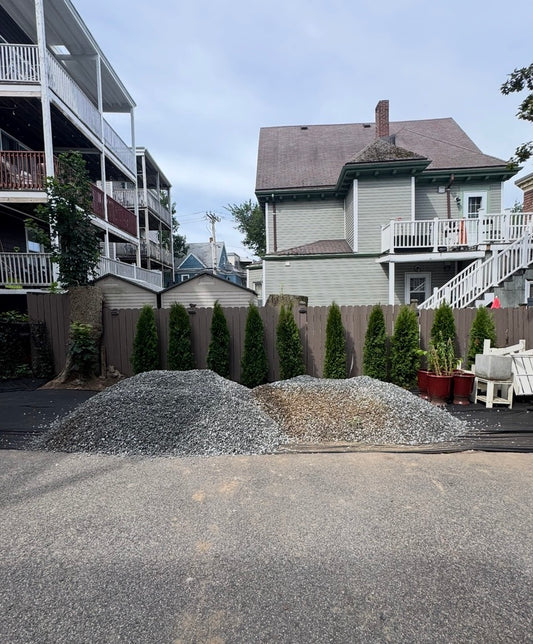
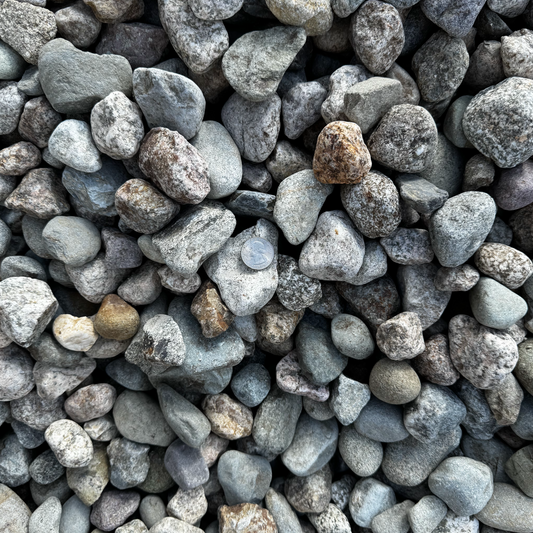
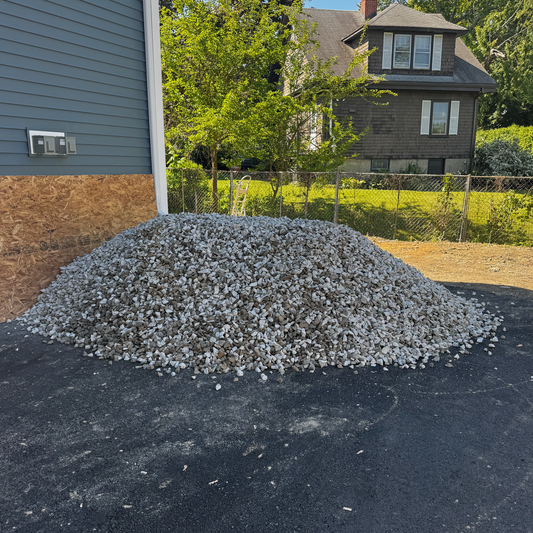
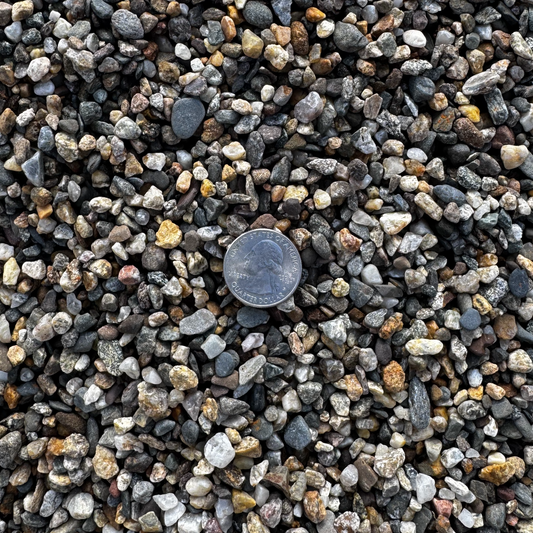
For drainage management around shrubs in low spots, see the Pricing Drainage Stone Jobs in Lexington playbook.
4. Little Bluestem (Schizachyrium scoparium)
Native warm-season grass, 2 to 3 feet tall, gold-russet through fall and winter. Plant a row along the front walk for movement and texture without the aphid problems of ornamental fountain grass. Drought-tolerant once established. Skip irrigation after the first 6 weeks.
MA Audubon lists Little Bluestem as host to multiple skipper butterfly larvae — one plant supports five species of pollinators through the season.
5. Eastern Redbud (Cercis canadensis)
The understory tree that fits a Middlesex front yard without crowding the foundation. 20 to 30 feet at maturity, magenta flowers in mid-April directly on the bark, heart-shaped leaves the rest of the year. Plant 15 feet from the house. Use the How to Mulch Properly Around a Newly Planted Watertown Tree walkthrough for the year-one mulch ring.
What This Means for You
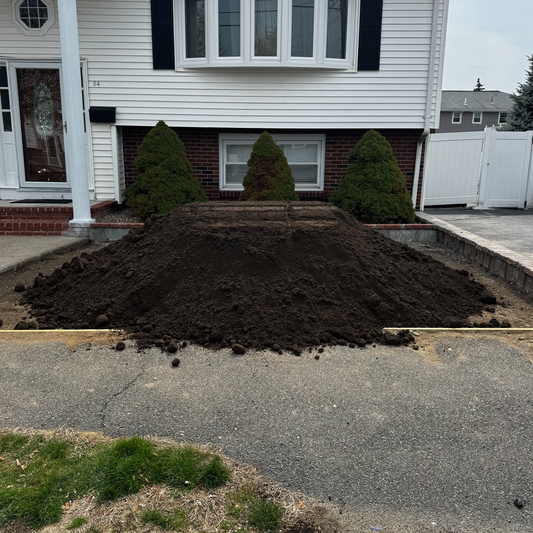
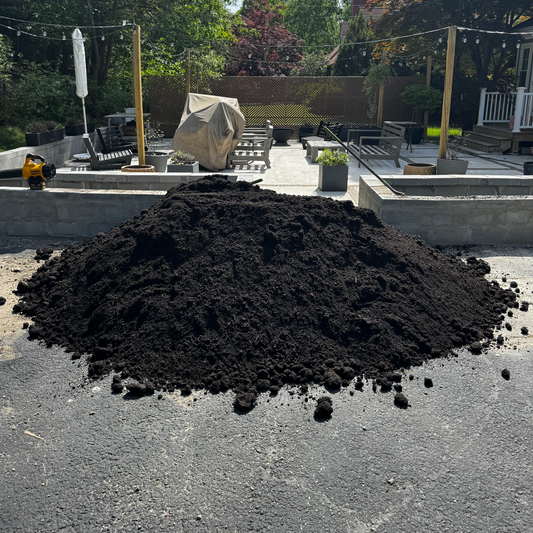
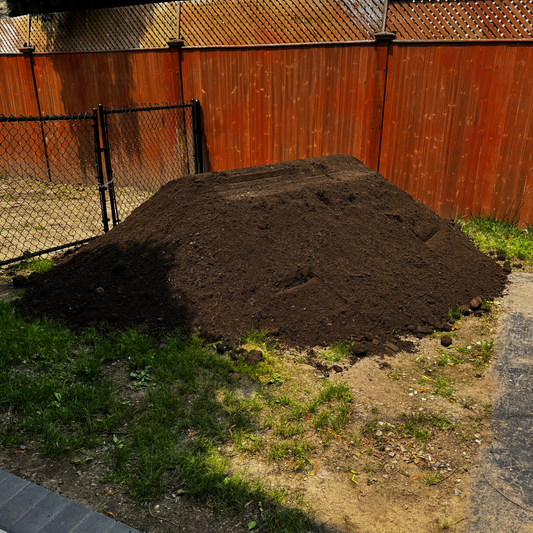
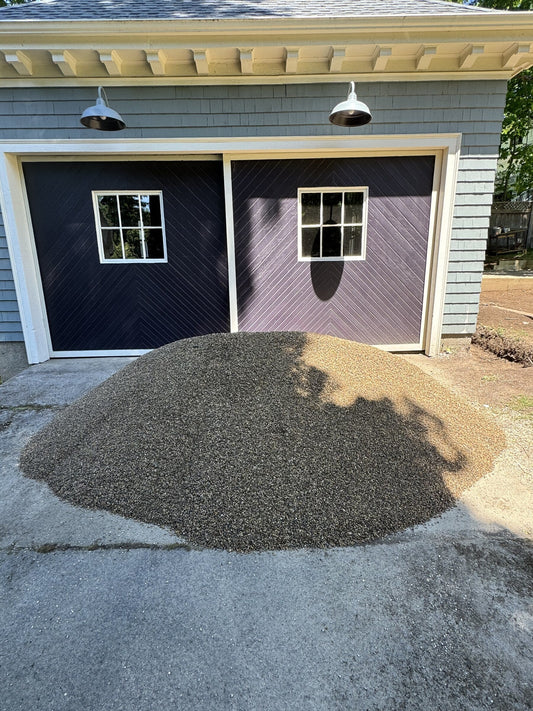
Five plants, one truckload of Compost and Hemlock Mulch, one Saturday afternoon. The bed will look established by July and pollinator-active by August. The 2026 follow-up on what NOT to put around these plants — the gravel mistakes that kill native roots — is in the 2026 Plymouth gravel mistakes article. Pair this with the Top 5 Decorative Stone Choices for Norwell Yards read coming up April 16 to round out the front-yard plan.