Quick Answer
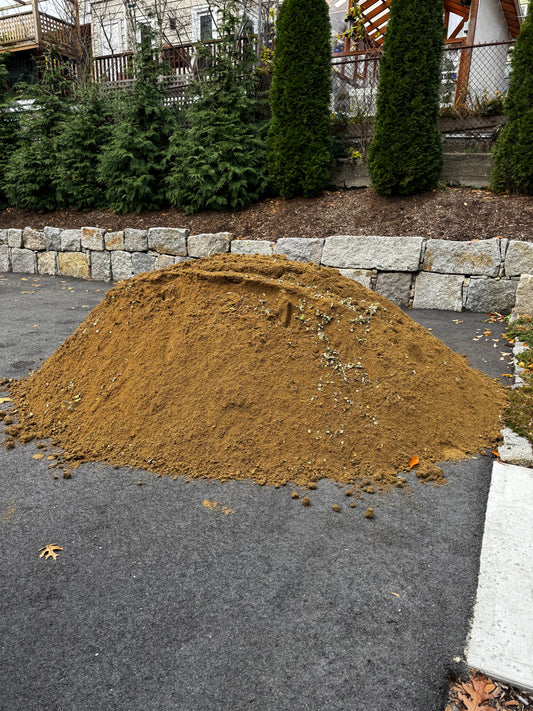
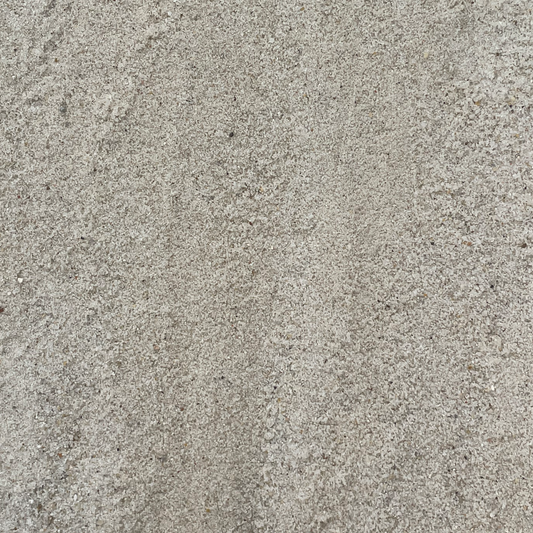
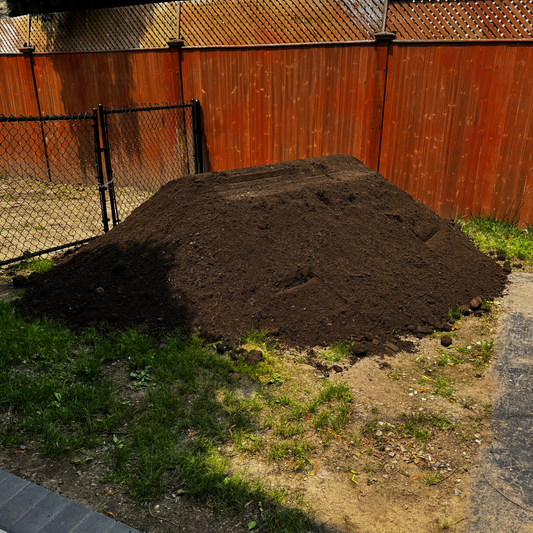
For a Medford walkway paver set: Mason sand wins as the bedding layer. Its finer, more rounded particles let pavers seat evenly at 1-inch depth, compact to a stable surface, and resist washout in summer thunderstorms. Coarse sand belongs underneath, as part of the base or in a drainage layer — its angular larger particles drain faster but don't provide the level seat pavers need. Use both: coarse sand or stone dust in the sub-base, mason sand in the 1-inch setting bed.
The Medford Walkway Test
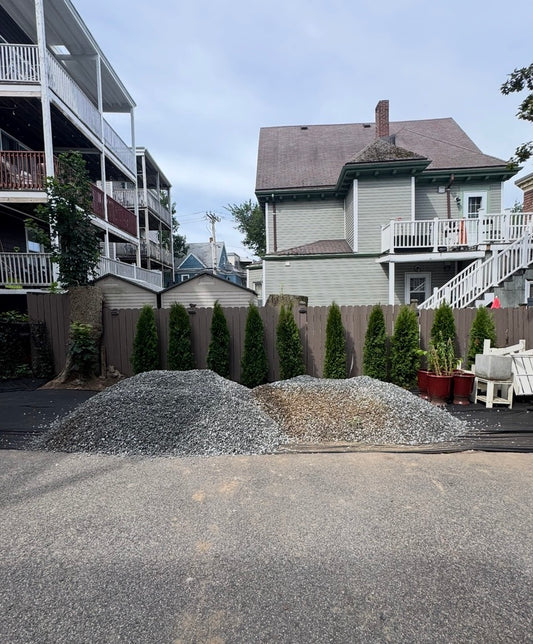
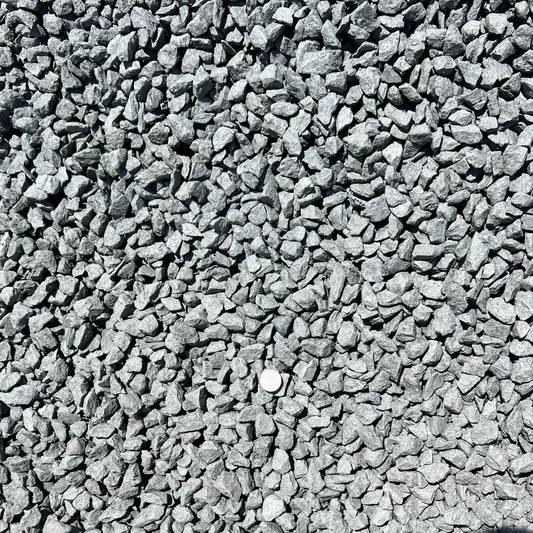
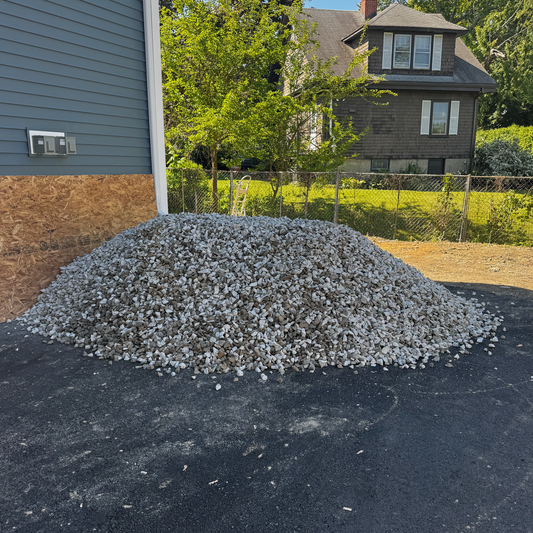
For this review, we set two side-by-side 3x6 foot test sections in a Medford backyard — Salem Street neighborhood, typical clay-loam subsoil. Both sections had the same compacted 1-1/2" crushed stone sub-base (4 inches deep). Both used the same 12x12 concrete pavers. The only variable: the 1-inch setting bed under the pavers.
- Section A: Mason sand bedding
- Section B: Coarse (concrete) sand bedding
After bedding and laying pavers, we walked both sections for 6 weeks. Here's what we found.
The Side-by-Side Comparison
| Property | Mason Sand | Coarse Sand |
|---|---|---|
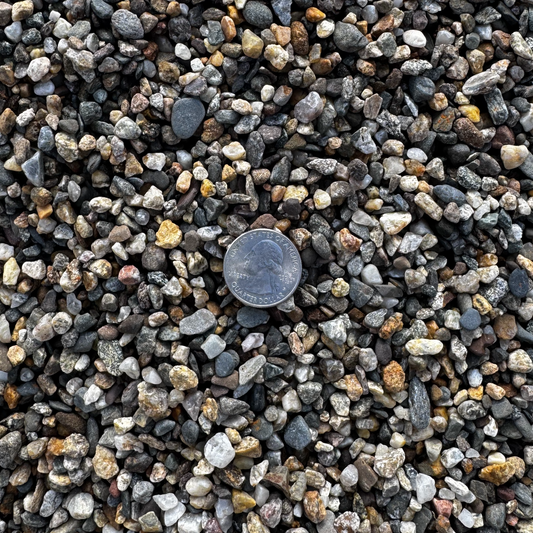
| Particle size | 0.075–0.5 mm | 0.5–2.0 mm |
| Particle shape | Rounded | Angular |
| Compaction | Tight, smooth | Looser, more drainage |
| Paver seating | Even, controlled | Uneven, micro-shifts |
| Washout in storm | Low | Higher |
| Best use | Bedding layer | Base / drainage layer |
| Joint sand | Yes (with polymeric) | No |
The full sand-specs answered: What's the Difference Between Mason Sand and Bank Run Sand? A Worcester Buyer's Q&A. For paver-bed specs at a contractor level, the ICPI (Interlocking Concrete Pavement Institute) is the industry authority.
Why Mason Sand Wins for the Bedding Layer
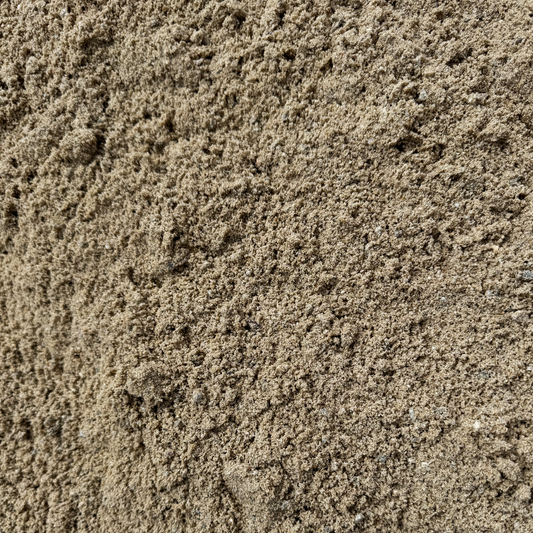
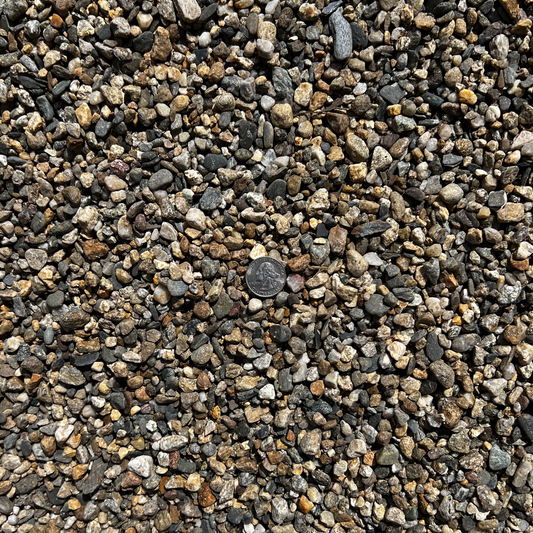
Mason sand's particles are smaller and rounder. When you screed it to 1 inch and lay a paver on top, the sand particles pack uniformly under the paver's bottom face. The paver seats with even contact across its full bottom surface — no rocking, no tilt.
Walk on the paver, and the load distributes evenly into the sand. Walk on it 1,000 times, and the surface stays level.
In our Medford test, Section A (mason sand) maintained level surface through 6 weeks, 4 thunderstorms, and a high-pressure-hose wash test. The pavers stayed in place. The setting bed didn't pump water out during the storms.
Why Coarse Sand Loses for the Bedding Layer
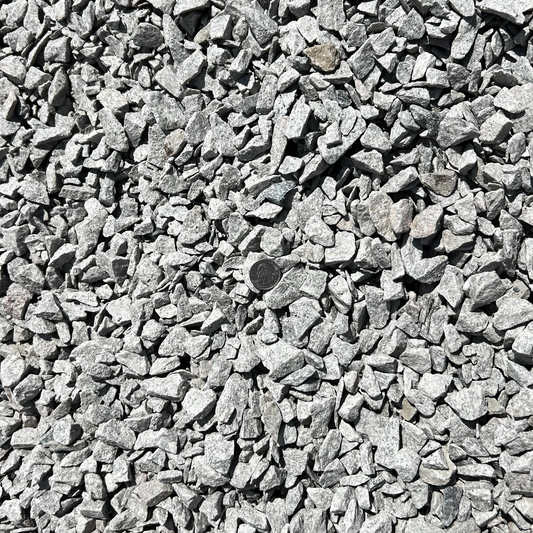
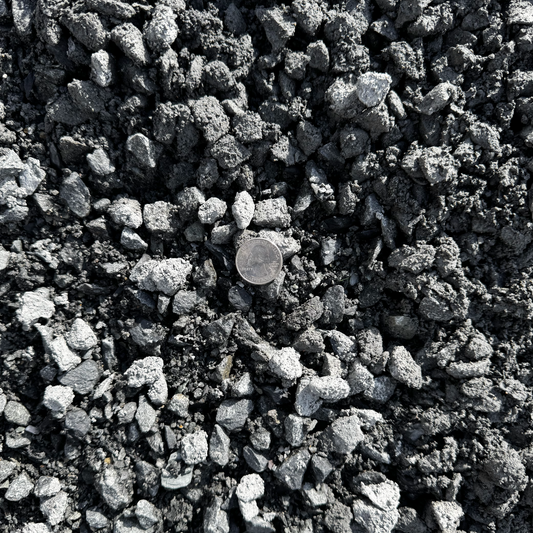
Coarse sand's particles are larger and angular. When you screed it and lay a paver on top, only the high points of the sand make contact with the paver bottom. That creates point loads under the paver instead of even distribution.
Walk on it, and the sand particles compact unevenly under the load. Walk on it 1,000 times, and the surface develops micro-tilt. By week 3 in our test, Section B (coarse sand) had visible joint gaps and a 1/8" tilt across the worst pavers.
Worse: coarse sand's larger particles wash out faster from joint sand in storms. Section B lost about 30% of its joint sand after 6 weeks.
Why Coarse Sand Wins for the Base / Drainage Layer
The flip side: coarse sand drains fast. Where mason sand holds moisture, coarse sand lets it through. That makes coarse sand ideal for:
- The drainage layer under a French drain (see How to Build a French Drain in a Plymouth County Yard)
- The base layer under a heavy walkway in clay soil — coarse sand as the bottom 2 inches, mason sand as the 1-inch setting bed on top
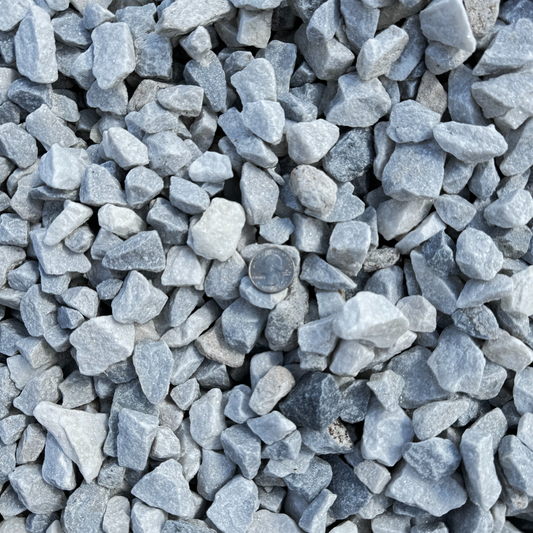
- Stone-dust alternative for paver sub-base in well-drained areas
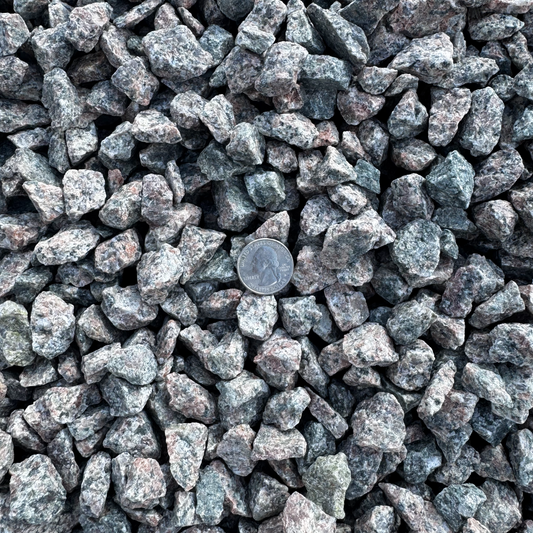
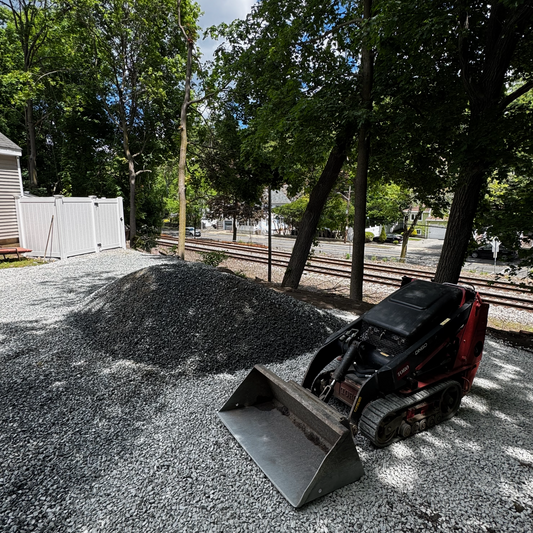
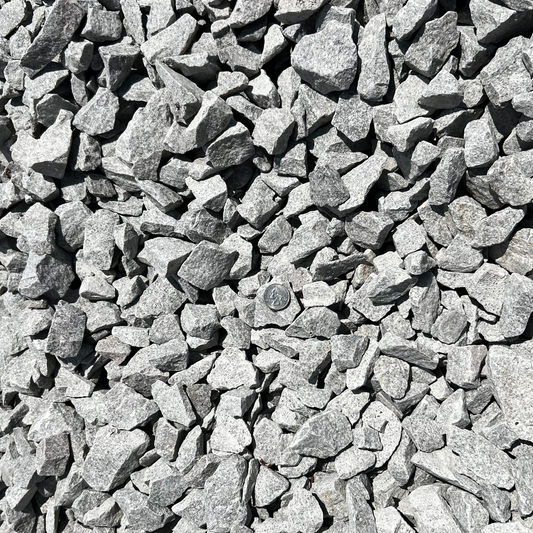
For Medford's clay-loam yards, a layered approach works best: compacted 1-1/2" crushed stone (4 inches), coarse sand or stone dust (2 inches), mason sand (1 inch). That's a 7-inch total stack-up — overkill for a residential walkway but exactly right for a high-traffic patio.
Browse the patio walkway base collection for both sand types and the crushed-stone base materials. For the Memorial Day BBQ-ready patio version, see 5 Backyard Setup Ideas for an Arlington Memorial Day BBQ.
The Joint Sand Question
After paver set, joints get filled with sand. The choices:
- Plain mason sand — cheapest, but washes out in storms; needs refilling every 2–3 years
- Polymeric mason sand — slightly more expensive, but binds with water to a stable joint that resists washout for 5+ years
For a Medford walkway that gets storm runoff, polymeric is worth the premium. Sweep into joints dry, mist with water, let cure. See How to Refresh a Cambridge Brick Walkway After a Holiday Weekend for the polymeric sand technique.
Real-World Pricing in Medford
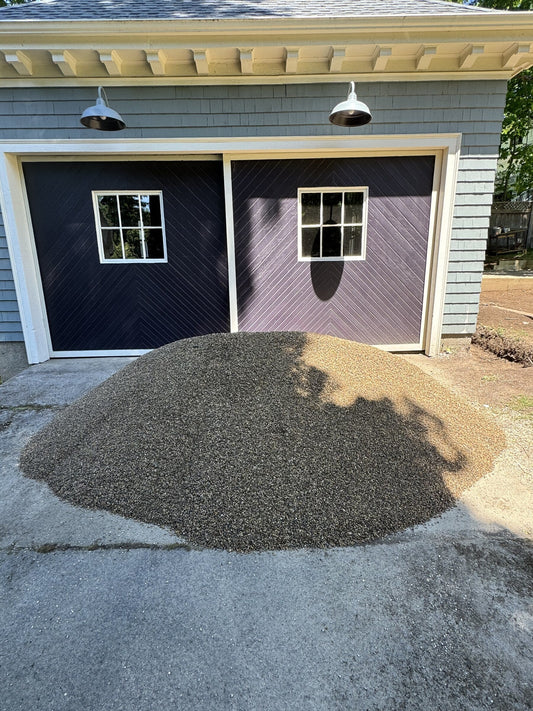
Bulk pricing per cubic yard, delivered to Medford in May 2026:
- Mason sand: about $52/yard
- Coarse (concrete) sand: about $45/yard
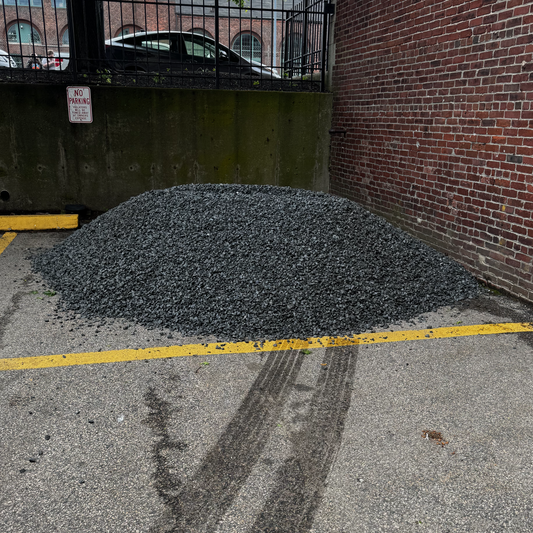
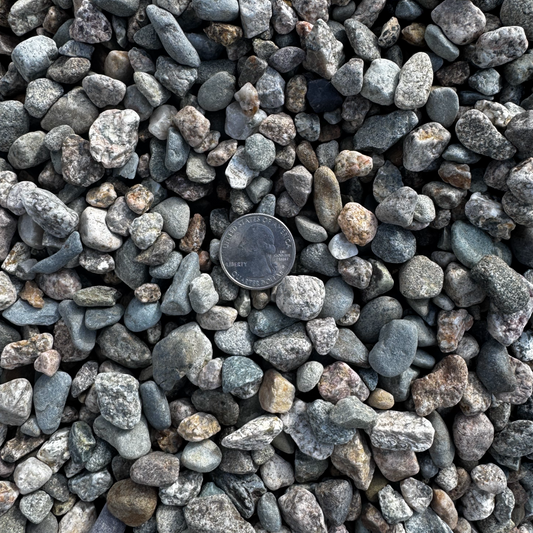
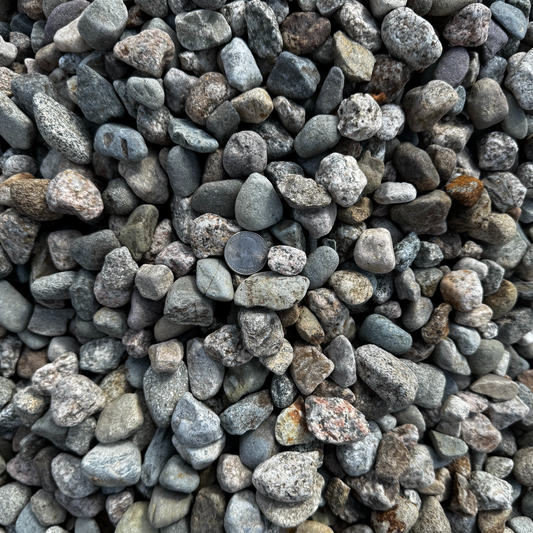
- 1-1/2" crushed stone sub-base: about $48/yard
For a typical 3x10 walkway with the layered approach (4" stone, 2" coarse sand, 1" mason sand): roughly 1.2 yards of stone + 0.6 yards of coarse sand + 0.3 yards of mason sand = about $115 in material. Reasonable for a permanent walkway.
The UMass Extension Landscape program has additional regional guidance on hardscape materials for Massachusetts conditions.
Common Medford Walkway Mistakes
Using mason sand as the only base layer. Mason sand drains slowly. In clay-soil Medford yards, water perches under the bed and pumps out joints. Use a coarse-sand or crushed-stone sub-base below mason sand.
Skipping the polymeric joint sand. Plain sand washes out. Polymeric isn't optional for a walkway exposed to storm runoff.
Setting pavers directly on clay. No sand bed = no level surface and no drainage. Always set on at least 4 inches of compacted base + 1 inch of mason sand.
For drainage-side stone picks, see Pea Stone vs River Stone for a Norwell Dry Bed. For the broader sand difference, What's the Difference Between Mason Sand and Bank Run Sand? covers the Worcester-area version of this question.
What This Means for You
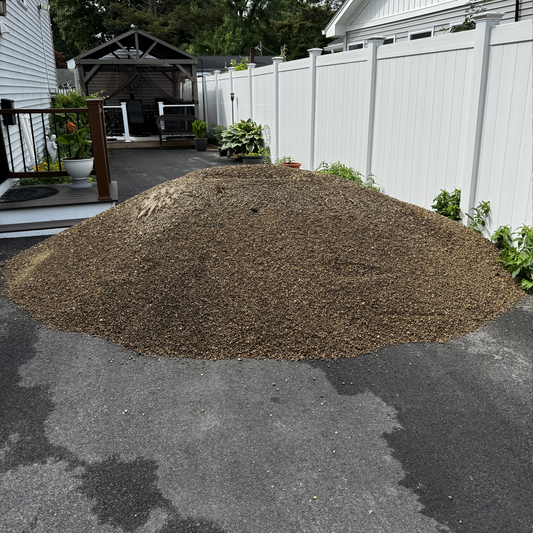
For a Medford walkway: mason sand for the 1-inch setting bed, coarse sand or crushed stone for the base. Order both through the Medford landscape supply routes — Ottr delivers both products by the cubic yard.