Quick Answer
To refresh a Cambridge brick walkway after a holiday weekend: sweep debris, pull any visible weeds from joints, sweep polymeric joint sand into the gaps, mist with water to activate, brush off the brick surfaces, let cure 24 hours. Total job for a 4x20 foot walkway: 2 hours, $30 in materials. The walkway reads as new and joints stay locked against the next 3–5 years of weed pressure.
The Cambridge Brick Walkway Reality
Cambridge brick walkways — Cambridgeport, Inman Square, Mid-Cambridge, North Cambridge — have been at it since the 1800s. Most settle, shift, and lose joint sand over the years. After a holiday weekend with extra foot traffic, the joint gaps become more obvious.
Polymeric sand is the modern solution. Sweep into the joints, mist with water, it binds into a flexible solid. Resists weed germination for 3–5 years, won't wash out in storms.
For the sand-comparison background, see Ottr Mason Sand vs Coarse Sand for a Medford Walkway Set Test. For the new walkway build, see How to Build a Walking Path in Marshfield with Bluestone or Pavers.
Materials
For a typical 4x20 foot Cambridge brick walkway (80 sq ft):
- 1 bag polymeric joint sand ($25, covers 80–100 sq ft depending on joint width)
- Optional: white vinegar in a spray bottle for moss/weed pre-treatment
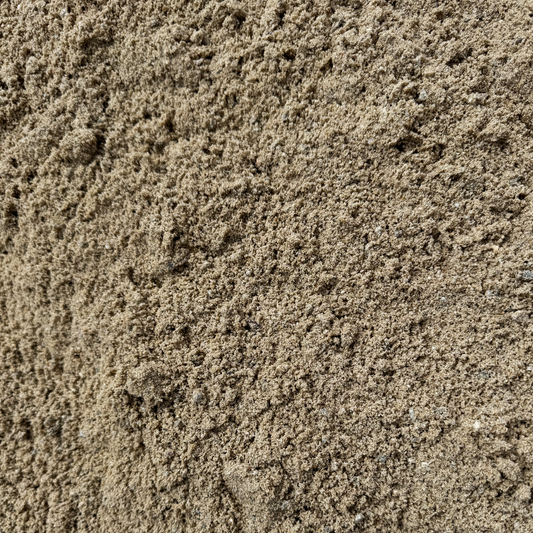
- Optional: mason sand for re-bedding any shifted bricks
That's it. Tools you likely have.
Browse the patio walkway base collection for polymeric sand, mason sand, and base materials. The ICPI has the authoritative spec on polymeric joint sand application.
Step 1: Clear the Walkway (15 min)
Sweep the walkway thoroughly. Remove leaves, debris, loose joint sand at the surface. Use a leaf blower if you have one — faster than sweeping for surface clearing.
Step 2: Pull Visible Weeds (15 min)
Joint weeds in Cambridge walkways are typically common purslane, crabgrass, or moss. Pull by hand, using a putty knife or joint-cleaning tool to lift the roots from between bricks.
For moss in shaded sections, spray with white vinegar and wait an hour. The vinegar kills surface moss; rinse with hose before applying joint sand.
Step 3: Sweep Out Old Joint Sand (15 min)
Use a stiff push broom or a joint cleaner tool to scrape out the top 1/4 inch of old joint sand. You want the joints clean and slightly recessed, ready to receive fresh polymeric sand.
If joints are deeper than 1/4 inch (sometimes the case on long-neglected walkways), fill the bottom with mason sand to within 1/4 inch of the surface, then proceed.
Step 4: Pour and Sweep Polymeric Sand (20 min)
Open the polymeric sand bag at the start of the walkway. Pour a small pile every 4 feet. Use the stiff push broom to sweep the sand into the joints — work it from multiple angles to ensure full joint penetration.
Critical: Sweep until the joints are visibly filled and the brick surface has no loose sand on top. Polymeric sand left on the brick surface will harden into a film when wetted.
For tight joints (1/4" or less), you may need to compact with a rubber mallet — tap the sand-filled joints to settle the polymeric down.
Step 5: Brush Off the Brick Surface (10 min)
Use a clean, dry broom to sweep all loose polymeric sand off the brick surface. Look at the surface from a low angle — any film of sand on top will lock in place when wetted.
Confirm joints are still flush after sweeping. Re-sweep if joints have settled below brick level.
Step 6: Mist With Water (5 min)
Set the hose to a fine mist. Wet the entire walkway evenly. Avoid streams or jets — they'll wash polymeric sand out of joints.
The polymeric activates with water — you'll see it become slightly cloudy, then translucent, as the binder reacts. The whole process takes about 5 minutes.
If you have a sprayer wand attachment with a "shower" setting, that works well.
Step 7: Cure 24 Hours (Done)
Leave the walkway alone for 24 hours. Don't walk on it. Don't park on it. Don't water it.
After 24 hours, the polymeric sand is set into a flexible solid. The walkway is ready for normal use.
For the broader maintenance question of walkways at scale, see How to Build a Walking Path in Marshfield with Bluestone or Pavers and Bagged vs Bulk Mulch for Cambridge Homeowners for related bulk-vs-bag tradeoffs.
Cambridge Brick Walkway Special Considerations
Old mortar joints. Some Cambridge walkways have mortared joints from the 1900s. Polymeric sand isn't a fix for crumbling mortar — that requires re-pointing with a proper mortar mix. The polymeric is for sand-set walkways.
Shifted bricks. If a brick has tilted significantly, lift it, re-bed with 1/2 inch of fresh mason sand, set back in place. Then apply polymeric to surrounding joints.
Brick edge against grass. Cambridge walkways often have lawn creeping over the brick edge. Edge with a half-moon edger before applying polymeric sand. See How to Refresh Bed Edges in a Hyde Park Yard Before Memorial Day for the technique.
Tree roots. If bricks are lifted by tree roots, the fix is more involved — lift, regrade, possibly add base material. The UMass Extension Landscape program has guidance on dealing with tree-root walkway damage.
Common Cambridge Walkway Mistakes
Skipping the brush-off step. Polymeric sand left on bricks hardens into haze that won't come off without acid washing.
Using regular play sand instead of polymeric. Washes out in the next rain.
Misting too heavy. A heavy spray washes sand out of joints. Fine mist only.
Not letting it cure. Walking on it at hour 8 disrupts the setting. Wait 24.
For the broader brick-vs-paver question, see How to Build a Walking Path in Marshfield with Bluestone or Pavers.
What This Means for You
2 hours, $25–30, Cambridge brick walkway locked in for 3–5 years. Order polymeric sand through the Cambridge landscape supply routes — Ottr stocks the standard 50-lb bags.
For the June project pipeline that often follows post-Memorial-Day refreshes, see June Demand Forecast for Plymouth County Landscape Contractors.