Quick Answer
To refresh bed edges in a Hyde Park yard before Memorial Day: walk each bed line with a half-moon edger, push straight down 3 inches every 6 inches, flick excess soil into the bed, rake the bed-side edge to a clean cut line, top up mulch to 2 inches. Total job for a 100-foot total bed perimeter: 2 hours. The yard reads crisp from the street and gives Memorial Day visitors a clean front yard to walk past.
Why May 18 Is the Right Monday
In Hyde Park — Cleary Square, Readville, Stony Brook — bed edges started May looking sharp but have softened over six weeks. Lawn grass has crept 1–2 inches into the bed line. Mulch has thinned in spots. The yard reads as maintained, but not maintained-recently.
Memorial Day weekend visitors arrive Friday. Refreshing edges Monday gives the rest of the week for any follow-up work (mulch delivery, weed pull, container planting) without rushing. The work is straightforward; the visual payoff is substantial.
For the broader Memorial Day prep stack, see 5 Backyard Setup Ideas for an Arlington Memorial Day BBQ and Memorial Day Weekend Crew Schedule: A Brockton Contractor's Playbook.
Materials
For a typical Hyde Park front yard with 100 ft total bed perimeter (front foundation + island bed + side):
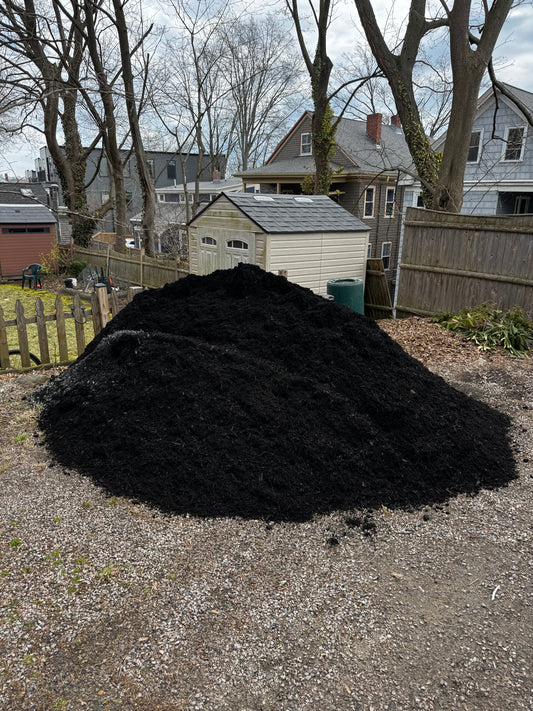
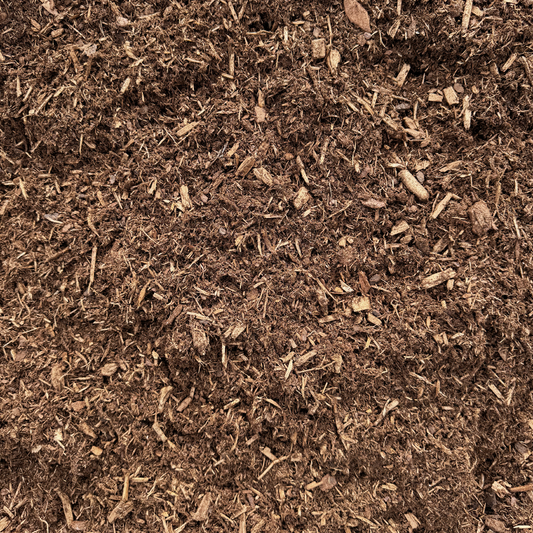
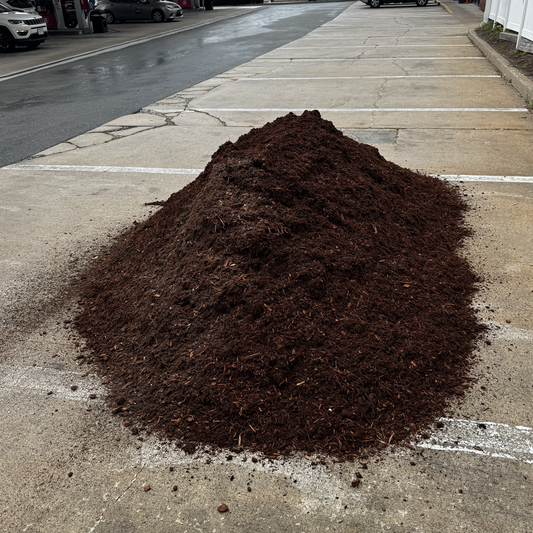
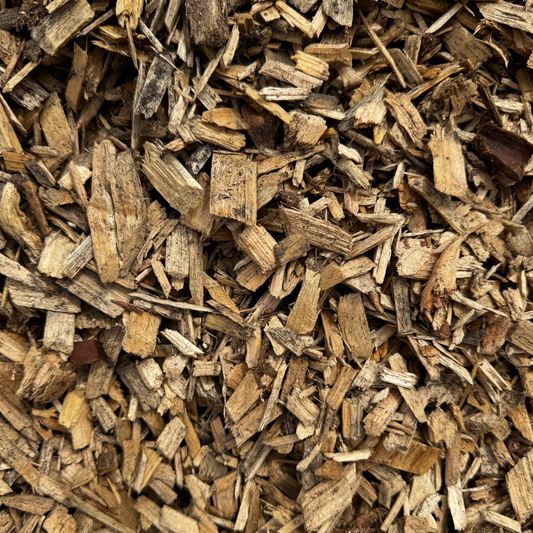
- 2–3 cubic feet hardwood mulch — top-up only, not full replace
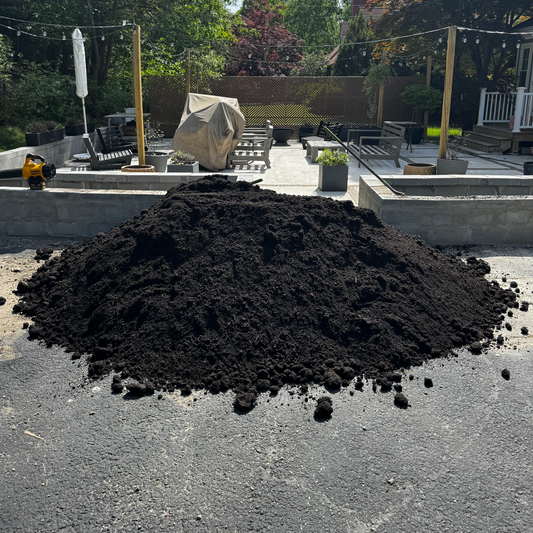
- 1 cubic foot screened compost — optional, for spots where soil is visible below the mulch line
That's it. The work is mostly labor; the materials are inexpensive.
Browse the mulch bed refresh collection for top-up bags. For the edger tool question, see The Edger Question: Which Tool Actually Works on Waltham Lawn-Bed Lines.
Step 1: Walk and Mark (10 min)
Coffee in hand, walk each bed perimeter. Identify:
- Where lawn grass has crept into the bed (most common — happens in the high-mow-traffic spots)
- Where the bed edge has eroded outward (less common; usually downhill from a gutter or sprinkler)
- Where mulch has thinned — visible soil under the mulch line
- Tree-ring edges — these need separate attention
Spray-flag the worst spots so you know where to focus.
Step 2: Edge the Line (60 min for 100 ft)
Hold the half-moon edger vertical at the bed line. Push straight down 3 inches into the soil, lever the handle 30 degrees toward the bed to flick the cut soil-and-root chunk into the bed.
Move 6 inches along the line and repeat. The result: a clean vertical cut at the bed edge, a small windrow of soil-and-root chunks an inch into the bed.
The technique: - Vertical push, not angled — angled cuts produce sloppy lines that don't last - 3 inches deep, every 6 inches along the line - Lever toward the bed, never toward the lawn - 60 minutes per 100 ft is the right pace; faster means sloppy
For the ergonomic / time-and-motion side of this work, see The Edger Question: Which Tool Actually Works on Waltham Lawn-Bed Lines — the half-moon edger is the right tool 9 times out of 10.
Step 3: Rake the Bed-Side (15 min)
Walk the bed perimeter with a garden rake. Pull the soil-and-root windrow from the edging into the bed, mixed with existing mulch. The result: a clean drop from bed level (slightly higher) down to lawn level (lower), with no debris on the lawn.
For tree-ring edges, use the same technique scaled down: 3-inch deep cut around the tree, 18 inches off the trunk. The ISA / Trees Are Good program has the authoritative guidance on tree-ring sizing and depth.
Step 4: Top Up Mulch (30 min)
Walk the perimeter with a wheelbarrow of fresh mulch. In spots where mulch thinned during the edging process, drop a handful and rake to a uniform 2-inch depth.
Don't pile mulch against the new edge. The mulch should sit 1 inch below the lawn-side edge of the cut — that visible vertical edge is the design feature. Mulch piled to the top defeats the look.
For the broader two-inch rule, see The Two-Inch Mulch Rule for MA Beds. For tree-ring depths specifically, see How to Mulch a Newly Planted Tree in Winchester.
Step 5: Sweep the Lawn (5 min)
Take a stiff push broom and sweep any mulch or soil debris off the lawn back into the bed. The lawn-side of the new edge should be clean — no spill, no mess. This is the finish move that separates a contractor-quality refresh from a homeowner DIY look.
Step 6: Walk and Verify (5 min)
Walk to the street and look at the yard. The edges should read sharp from 30 feet away. If a section still looks soft, return to it for a 2-minute touch-up.
Common Hyde Park Edge-Refresh Mistakes
Angled cuts. Look sharp from above but soft from the street. Vertical cuts only.
Skipping the rake step. Leaves debris on the lawn line. Always rake into the bed, not toward the lawn.
Too-thick mulch top-up. Burying the new edge. Top up to 2 inches max, not 3.
Working when soil is wet. Soggy soil tears instead of cutting cleanly. Edge on a dry day, ideally 24 hours after the last rain.
For the UMass Extension Landscape program's regional May-task calendar, edges are a recurring late-spring item — done twice a season (mid-May and early September), the bed line stays crisp year-round.
Pre-Memorial Day Companion Tasks
This is one of three Memorial Day-prep tasks across the week:
- Monday (today): Refresh edges (this article)
- Wednesday: Mulch top-up where visible soil remains
- Friday: Sweep walkways, refresh containers, last walk-through
For the Memorial Day eve final touches, see 5 Memorial Day Eve Yard Touches for a Newton Garden Party. For the holiday note itself, see Memorial Day 2026: A Plymouth County Outdoor-Living Outlook.
What This Means for You
2 hours, $15 in mulch, and Hyde Park yards read sharp for the holiday weekend. Order top-up mulch through the Hyde Park landscape supply routes — Ottr delivers small-bag mulch for top-ups in 3-day windows in May.