Quick Answer
Five right-now lawn jobs for Quincy: walk the yard and flag damage, clear winter debris, light surface rake (no hard dethatching yet), edge along walkways and beds, and place orders for compost, loam, and seed before April supply tightens. Skip: mowing, fertilizing, mulching, and aerating. Soil is still 38–42°F. The aggressive work waits two weeks.
Why "Light" Is the Word for March 21
Quincy soil temps right now run about 40°F. Cool-season grass roots — Kentucky bluegrass, fine fescue, perennial ryegrass — don't actively grow until the top 4 inches hits 50°F, which usually arrives in Quincy the first week of April. Push hard now and you damage crowns that are still dormant.
The five tasks below are paced for what the lawn can actually use this weekend. The heavy moves — dethatching, aerating, fertilizing, mulching — come in two to three weeks. The UMass Turf Program publishes the regional timing data behind these calls.
#1 — Walk the Yard With Garden Flags
Spend 20 minutes walking every Squantum, Wollaston, North Quincy, or Houghs Neck yard with a handful of garden flags or wooden stakes.
Flag: - Salt damage stripes at curb edges (yellow-brown band 6–18" from the road) - Plow tear-outs at driveway aprons - Bare patches from snow mold or last summer's drought stress - Heaved perennials in adjacent beds - Low spots that pooled water all winter
Photo each flagged spot. You're building a punch list for April 12–25 when conditions stabilize. For salt-stripe diagnosis specifically, does rock salt really kill Newton lawns? walks through what the damage actually looks like in March vs. April.
#2 — Clear Winter Debris (Light Touch)
Pick up branches, twigs, blown-in trash, broken planter shards. Pull anything heavy off the lawn — items that sat all winter created compaction circles that need air.
Do not rake hard yet. The grass crowns are still soft and breakable. A light pass with a leaf rake, lifting matted leaves where they're suffocating crowns, is fine. A dethatching rake or power dethatcher is too aggressive for March 21. Wait until temps stabilize — see how to dethatch and aerate a tired Newton lawn for the proper window.
#3 — Edge Walkways and Beds
The single most visible spring improvement is sharp edges. Pull a half-moon edger or a sharp spade along every walkway, driveway, and bed line. Take out the previous year's grass creep — usually 1–2 inches of overgrowth.
Edging is fair game in cold soil. You're cutting through dormant rhizomes, not stressing live grass. The result reads "the lawn is being cared for" three weeks before any fertilizer or seed has hit the ground.
#4 — Place Material Orders for Mid-April
Supply lines tighten the first week of April. Order this weekend, take delivery in two to three weeks:
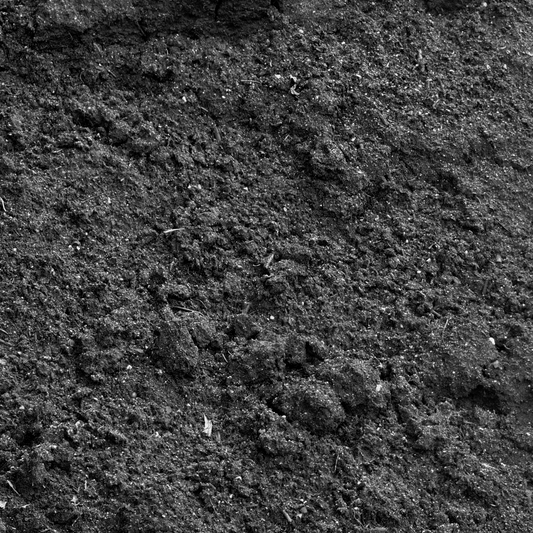
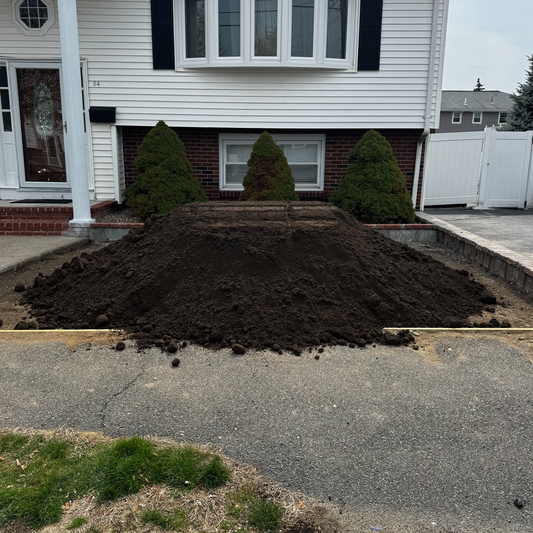
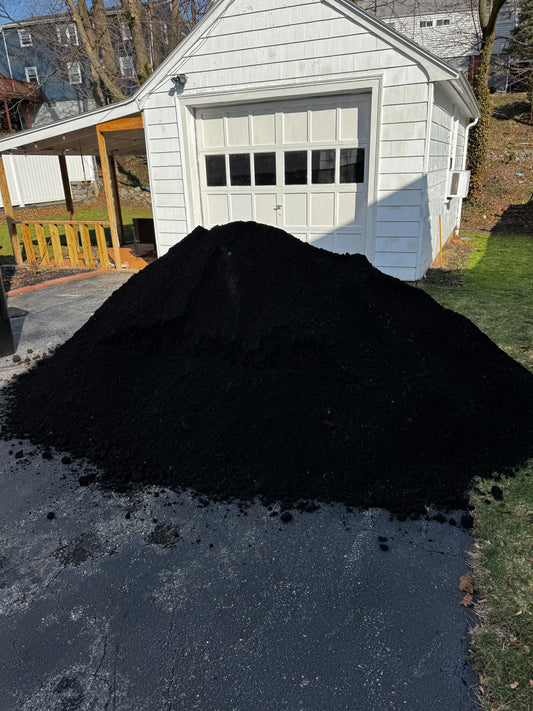
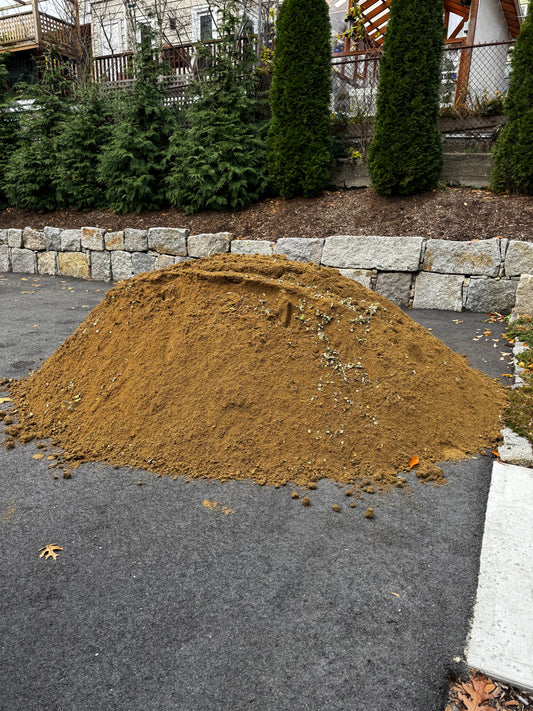
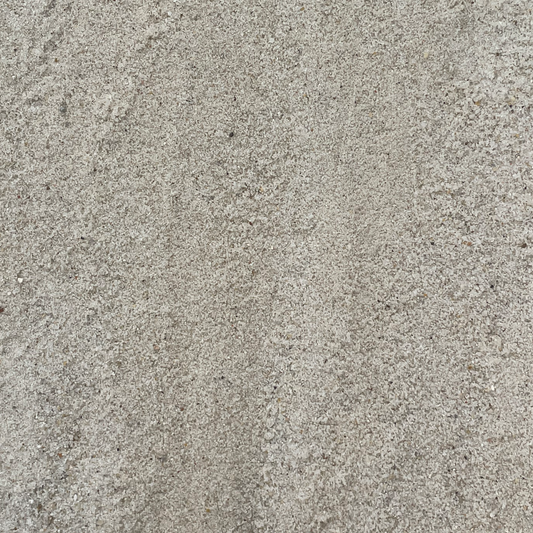
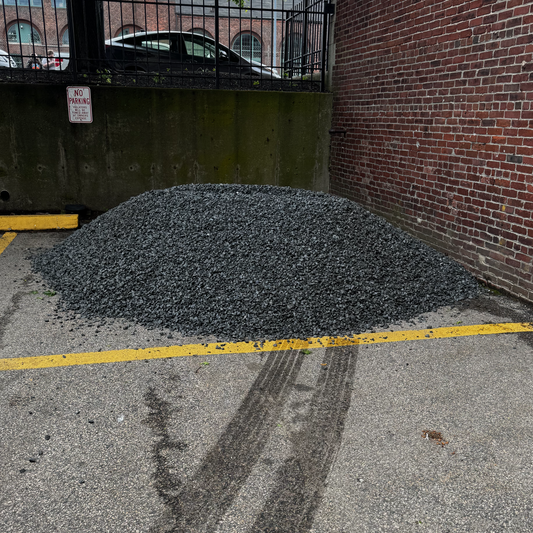
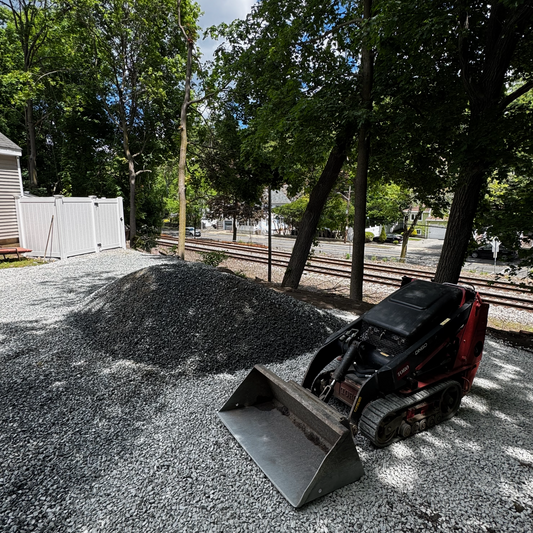
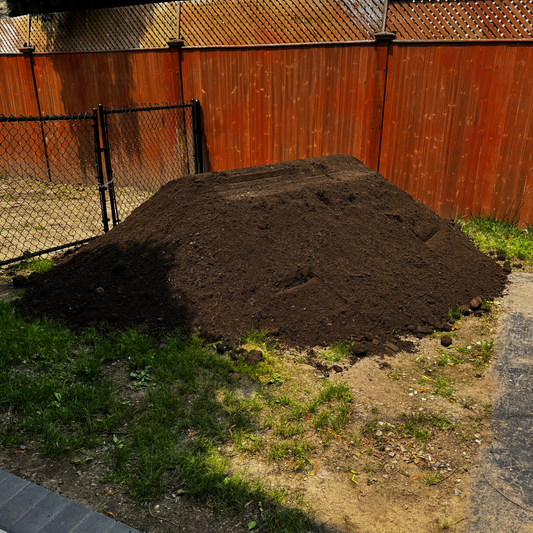
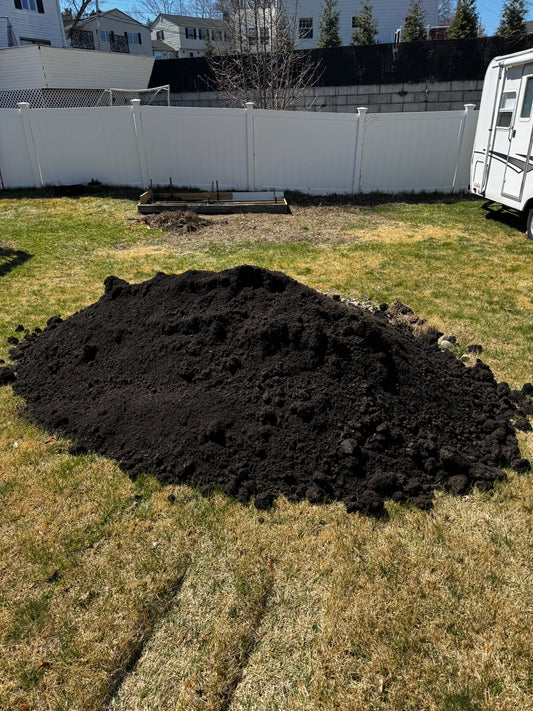
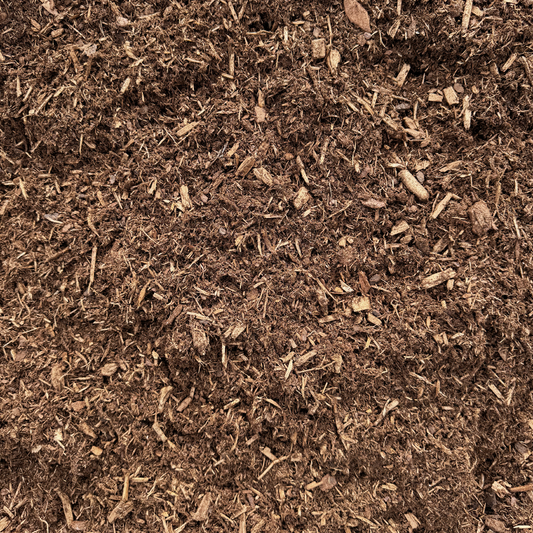
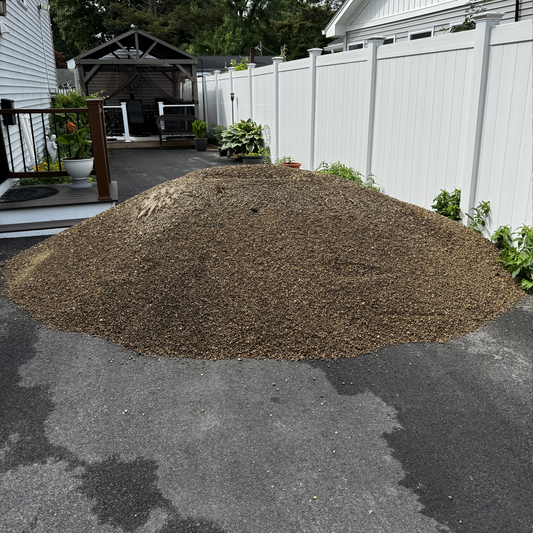
- Screened loam for low-spot fill and top-dressing — see top-dressing a Waltham lawn with loam. For Quincy lawns, plan 0.5–1 cubic yard per 1,000 sq ft of lawn.
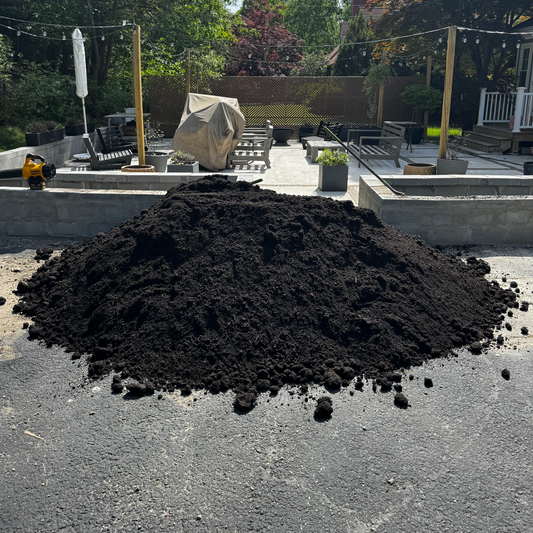
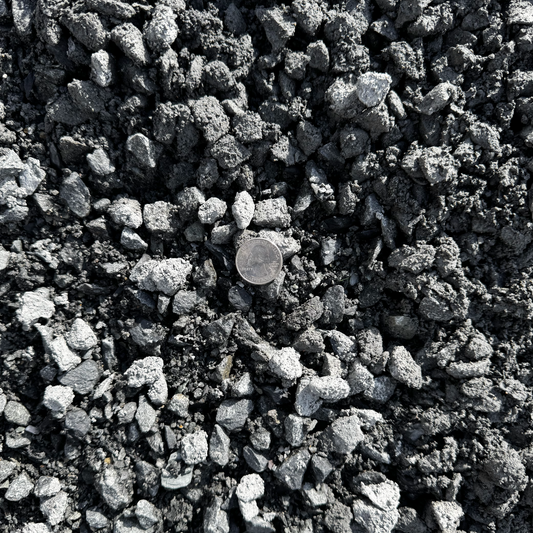
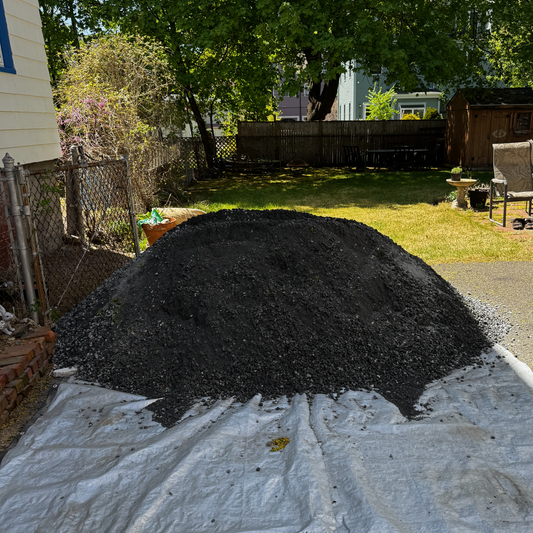
- Bulk compost for spring top-dress and bed prep.
- Grass seed mix matched to your sun/shade conditions — order through any local supplier; bulk landscape suppliers don't typically stock seed.
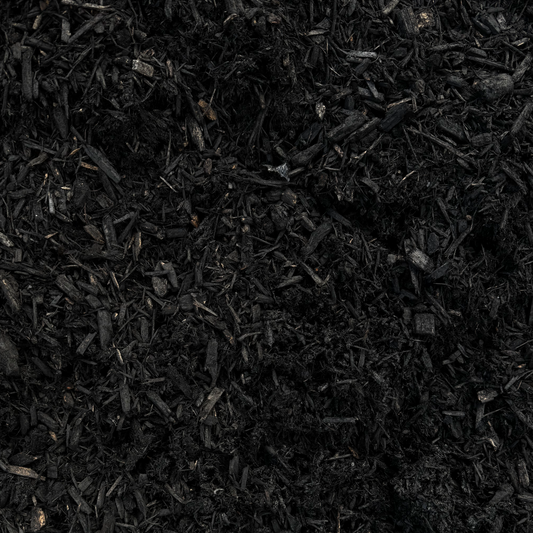
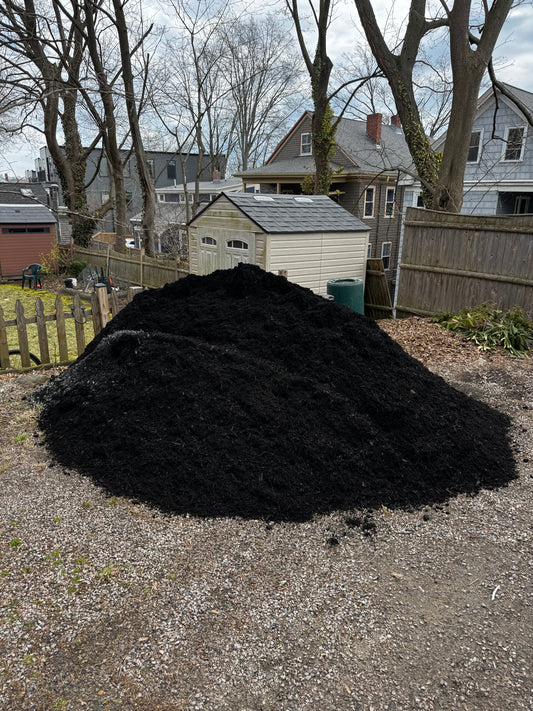
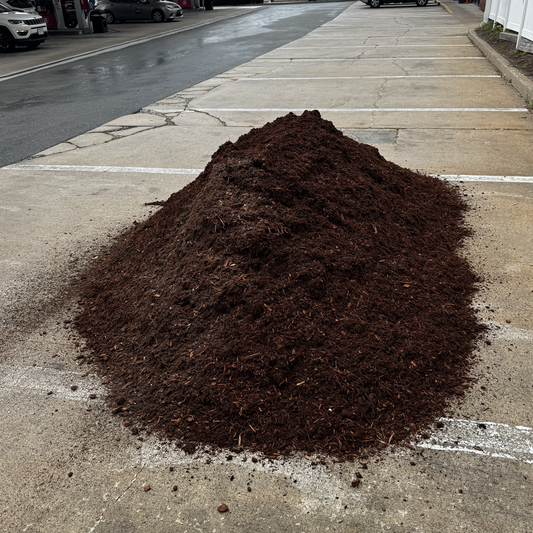
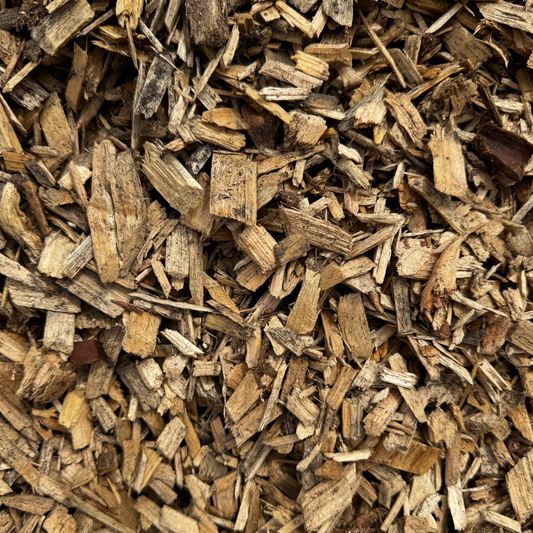
- Mulch for beds — order delivery for the second weekend of April.
The full lineup is in the lawn leveling & repair collection. Booking delivery this weekend locks the rate and gets you a slot before the April rush.
#5 — Take a Soil Sample
Pull a soil-test sample from the lawn this weekend and mail it Monday. UMass turnaround is 7–10 business days — your numbers come back the first week of April, exactly when you need them for fertilizer and amendment timing.
The UMass Soil and Plant Nutrient Testing Lab charges $20 for the standard test. Sample 6–10 spots across the lawn, mix in a clean bucket, dry overnight, mail one cup. The full protocol works from anywhere in MA — see how to get a UMass Extension soil test done from Worcester County for the step-by-step.
What NOT to Do This Weekend
- Don't mow. Grass isn't growing. Mowing tears crowns.
- Don't fertilize. Cold soil = runoff. Wait until April 5+.
- Don't apply pre-emergent. Soil temps are below the activation threshold; you'll waste the application. The window opens late March in coastal Quincy and early-to-mid April further inland.
- Don't seed. Seed germinates at 50°F+ — you'll get patchy results before April. Reseeding bare patches happens after April 15. See how to reseed a bare spot where the snow plow tore out a Medford lawn for the technique when the time comes.
- Don't aerate. Soil is still too wet — aerator tines compress instead of pulling clean cores.
The Quincy Two-Week Calendar
- March 21 (today): Walk, flag, light debris, edge, order materials, mail soil test.
- March 28–29: Continue light cleanup if weekend permits.
- April 4–5: Soil test back. First fertilizer if pH is right.
- April 11–12: Heavy raking, dethatching if needed, top-dress with loam.
- April 18–19: Reseed bare patches. First mow at 3.5–4" height.
For Cornell-side lawn-care science (the East Coast peer reference for UMass), the Cornell Turfgrass program publishes complementary timing data that matches Massachusetts conditions.
The short version: walk, flag, edge, order, sample. Heavy work in two weeks.