Quick Answer
Five late-January moves that pay off across a Dispatch Office: walk the property and photograph problem spots, finish the soil test before the lab backlog, sketch the spring bed plan, pre-book bulk mulch and loam delivery, and tune up tools before the cold breaks. Two hours total. Each one removes a March-weekend job that otherwise compounds into the May rush.
Why January, Not March
Dispatch Offices — Ashmont triple-deckers, Pope's Hill capes, Savin Hill three-deckers, Adams Corner singles — all face the same March bottleneck. Soil-testing labs are backed up. Bulk delivery slots are booked. Garden centers are out of the seed varieties you wanted. Every task you push from January to March costs you a weekend and a 10–20% premium.
The five tasks below are the ones that compound the most. Knock them out before February 1 and the spring runs different.
#1 — Walk the Yard and Photograph Problem Spots
The single highest-leverage 30-minute task in late January is a slow walk around the property with your phone camera. You're documenting:
- Bare spots in the lawn (visible through any thin snow cover)
- Salt damage along driveway and street edges (not yet visible — but mark the salted zones)
- Drainage failures — where snow melts last, where ice puddles, where downspouts dump
- Storm damage — broken fence panels, leaning posts, lifted patio pavers, frost-heaved walkway stones
- Pruning candidates — dead branches, crossed limbs, deer-rubbed shrubs
Photograph each one with location context (the house in the frame, the neighbor's fence, the curb). By March, the snow is gone, your perception resets, and you forget what looked bad in January. The photos are the punch list.
#2 — Pull and Send Your Soil Sample Now
The UMass Soil and Plant Nutrient Testing Lab processes thousands of homeowner samples in March. Turnaround in February is 5–7 business days. By April, it's 3 weeks.
The January sample procedure:
- Wait for a non-frozen day or pick a south-facing bed that's thawed.
- Use a trowel to pull 4–6 small samples from a 4-inch depth across the area you care about (lawn, vegetable bed, foundation bed).
- Mix in a clean plastic container; let air-dry overnight.
- Bag, label, mail with the UMass form.
Results back in early February tell you exactly what amendments to order with your spring bulk loam and compost drop — pH correction, organic matter, specific nutrient deficiencies. Skipping this step is what makes a $300 lawn renovation into a $300 disappointment.
#3 — Sketch the Spring Bed Plan
Sit at the kitchen table with the photos from Task #1 and a notebook. Sketch what you want to do:
- New beds — where, what shape, what plants
- Existing beds — refresh mulch (yes/no), edge re-cut, rotate annuals, add perennials
- Lawn — full overseed, spot-patch, or aerate-and-topdress
- Hardscape — any patio, walkway, or wall on the spring list
For the sketching workflow without CAD software, see How to Sketch a Garden Plan in a January Notebook (No CAD Required). The same notebook plan tells you what bulk material volumes to order in February.
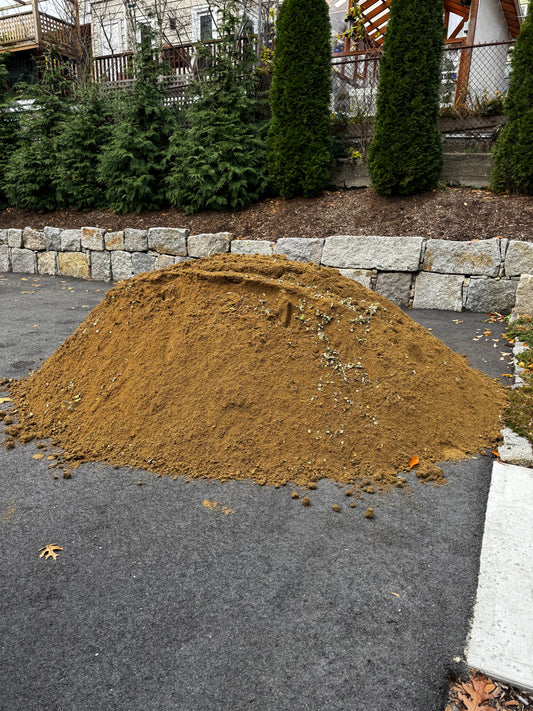
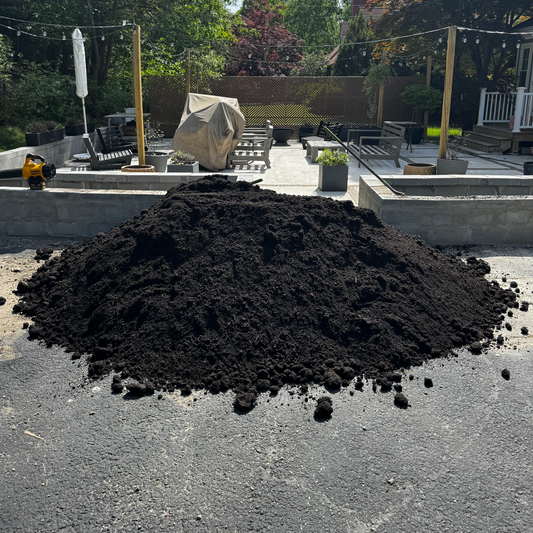
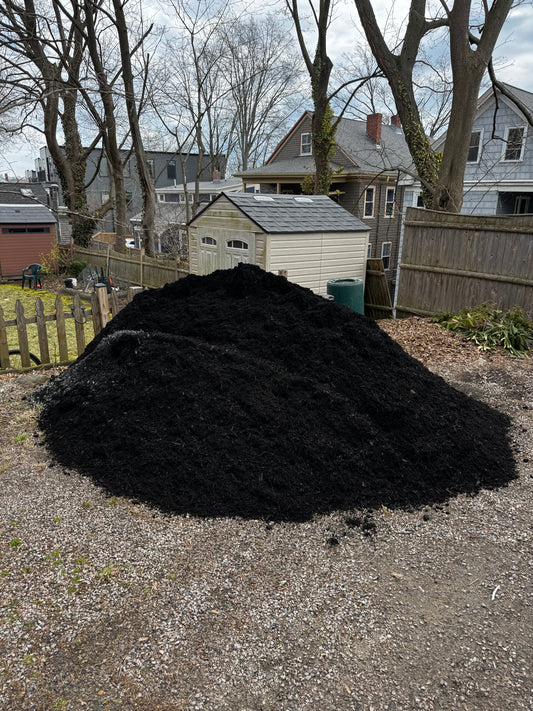
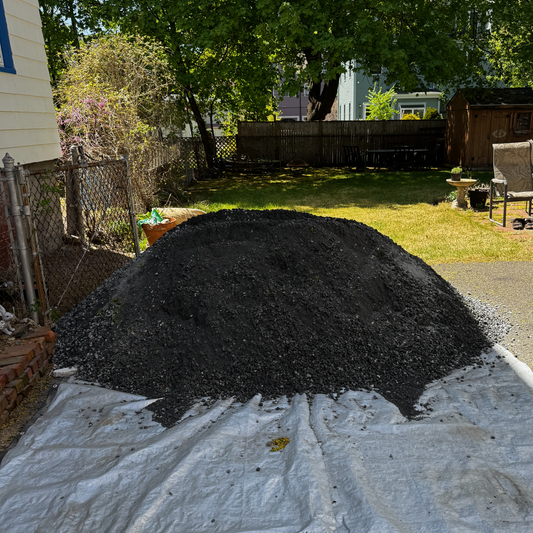
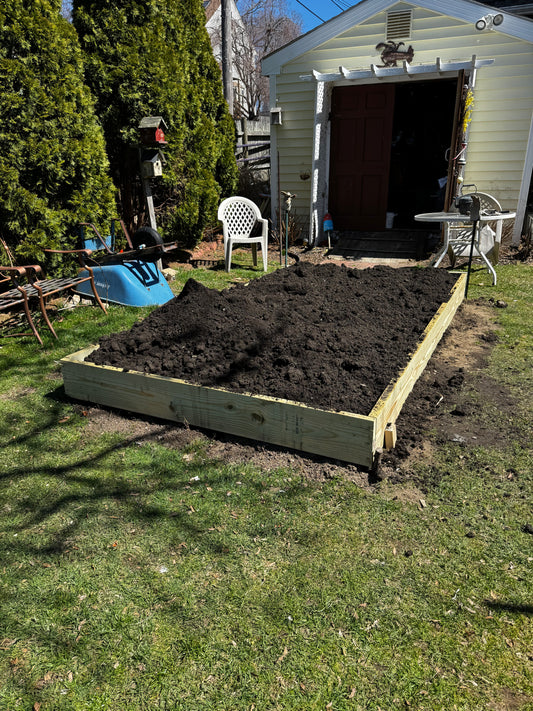
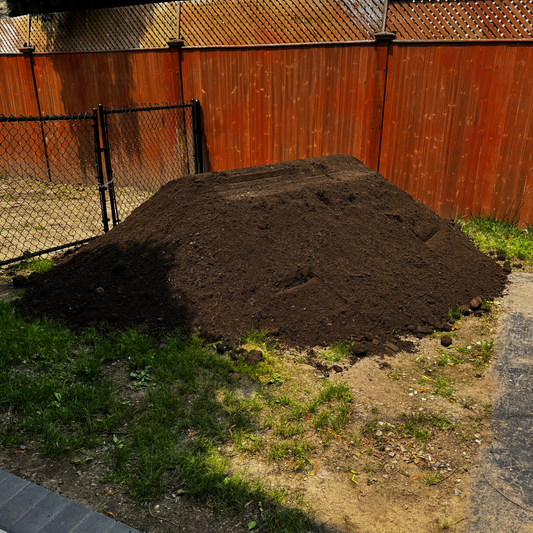
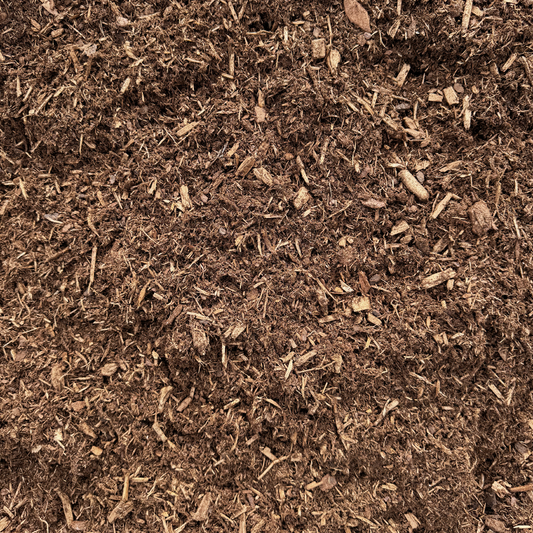
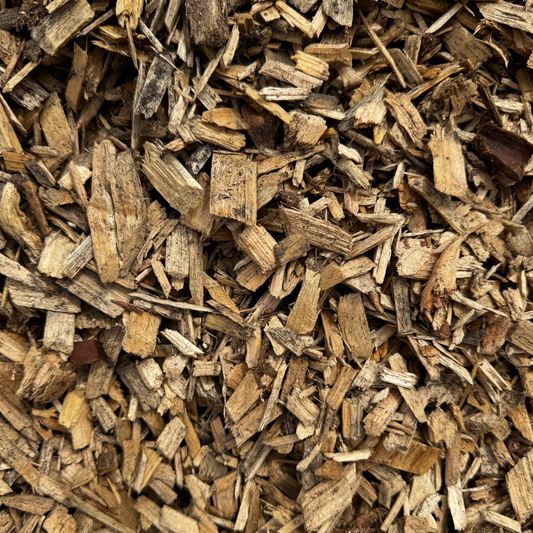
This is when most Dorchester homeowners realize they're going to need Mulch Bed Refresh yardage, Lawn Leveling and Repair loam, or Plant Establishment compost — and when locking in the order beats the spring rush.
#4 — Pre-Book the Bulk Material Drop
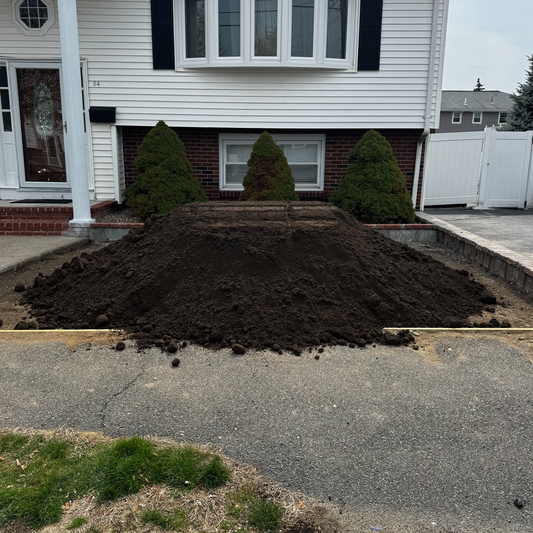
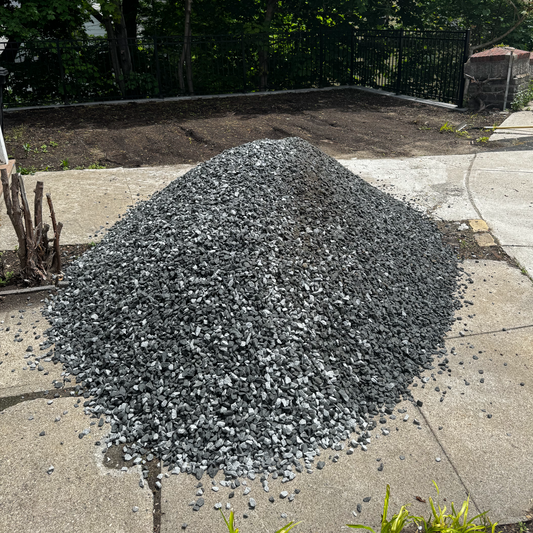
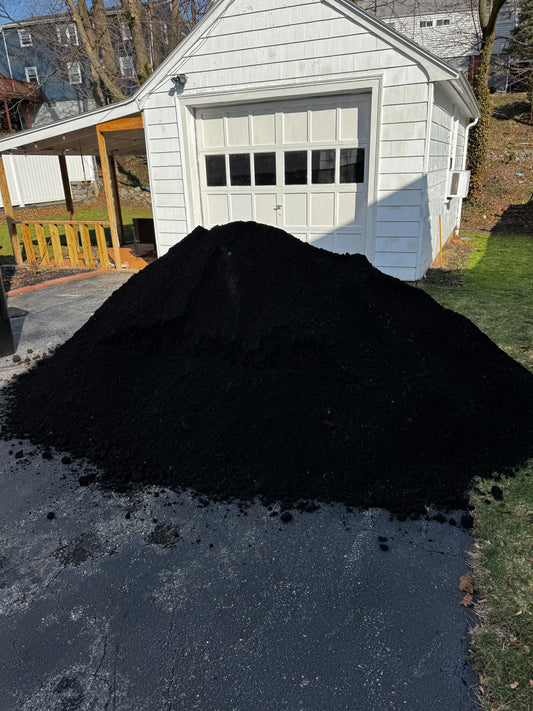
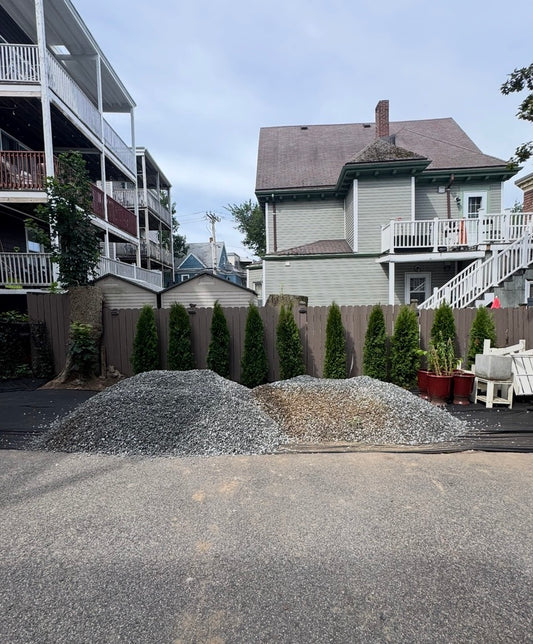
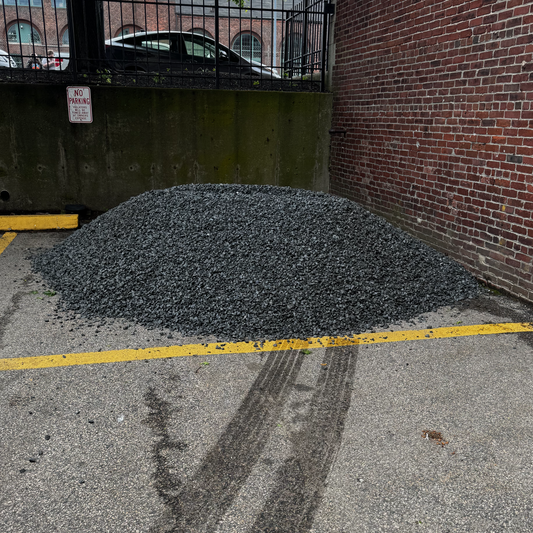
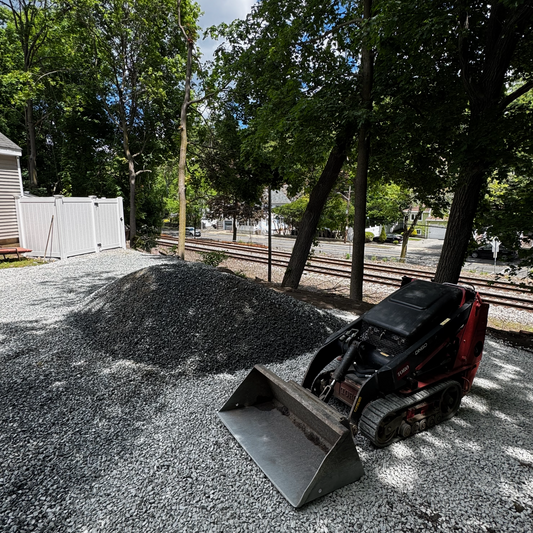
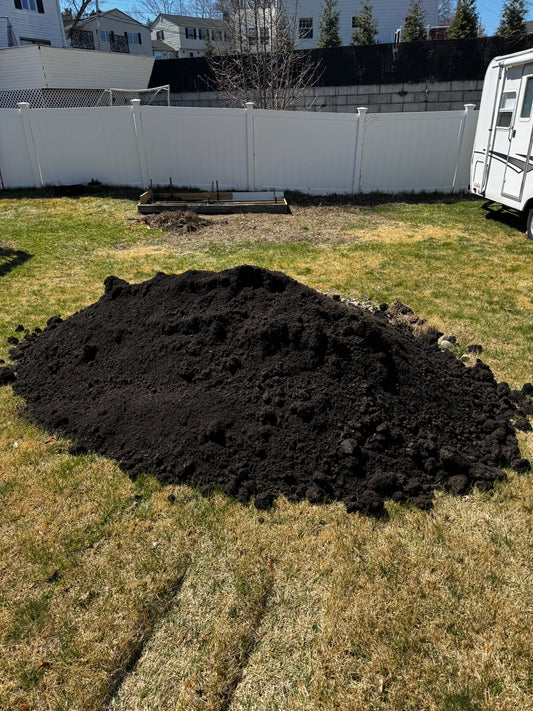
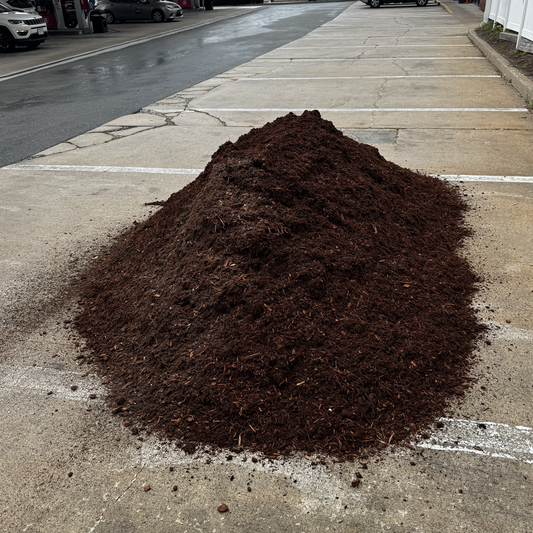
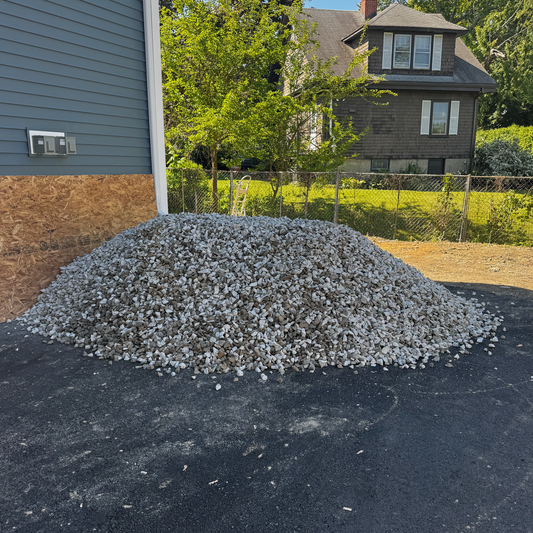
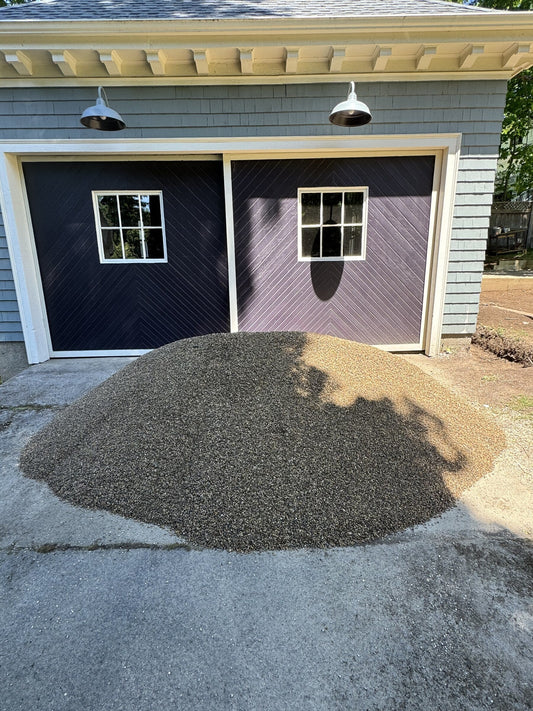
Dorchester delivery slots fill fast. The streets are tight, the alleys tighter, and the 14-yard hauling truck needs scheduled access — usually a confirmed driveway or curb spot, neighbor coordination if it's a triple-decker, and sometimes a Boston parking permit for street drops.
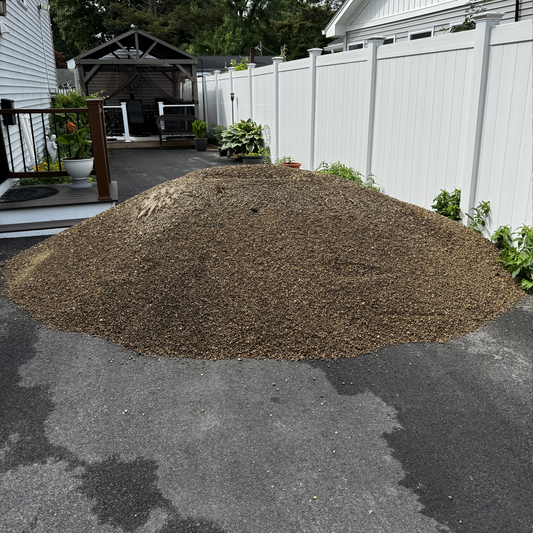
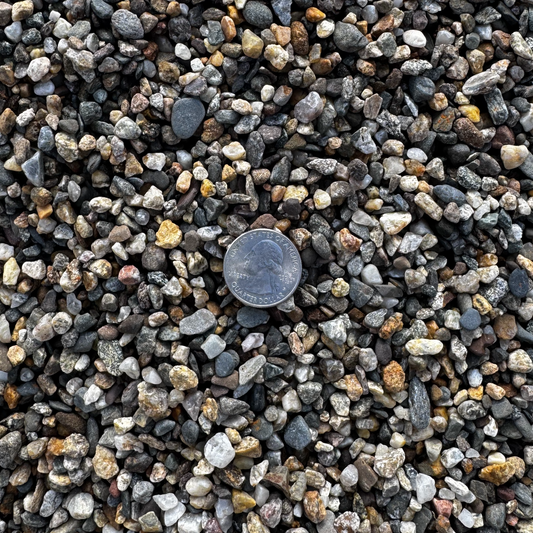
In January, dispatch is open and flexible. Pick a delivery week (typically late March for cool-season work, mid-April for mulch, May for hardscape stone) and lock the slot. The pricing is January's, the slot is yours, and the spring chaos doesn't touch you.
For neighbor-shared drops on the same block — common in Ashmont and Savin Hill — the trucking cost splits. The Quincy budget-stretch playbook covers the same neighbor-share logic that works equally well in Dorchester.
#5 — Tune Up Tools Before the Cold Breaks
The fifth task is the one most Dorchester homeowners skip and regret: a Saturday in the garage with shovels, pruners, and the wheelbarrow.
The short list:
- Sharpen shovel and spade edges with a 10-inch mill file
- Oil wood handles with boiled linseed oil
- Pump wheelbarrow tires before the rim seats freeze
- Sharpen and oil bypass pruners and loppers for dormant pruning in February
The full procedure for cold-garage tool maintenance in a Boston neighborhood is in Cold-Weather Maintenance for Wheelbarrows, Shovels, and Hand Tools in a Mattapan Garage. The Mattapan playbook applies identically to Dorchester.
What to Skip in Late January
Not everything is worth doing now:
- Don't prune anything except clearly dead wood. Dormant pruning of fruit trees, hydrangeas, and roses runs February through early March — 4–6 weeks before bud break. Late January is still too early on most.
- Don't seed. Soil temperature is far below germination threshold. April 15 is the earliest reliable seeding date in Dorchester.
- Don't lay mulch. Mulch on frozen ground is a waste of yardage and creates moisture problems when it thaws. Wait until soil is workable in April.
Calendar Forward
By February 1, the February Outlook for Middlesex County covers the next pivot — winter pruning windows, fruit-tree work, and second-stage spring prep. By March 1 in Boston, the actual outdoor work begins.
For broader regional landscape guidance, the UMass Extension Landscape program is the Massachusetts authority. For wildlife-friendly considerations on January yard work in Dorchester — leaving stems for overwintering insects, brush piles for birds — Mass Audubon maintains the regional reference for native habitat practices.
Two hours, one Saturday, five tasks. The Dispatch Offices that finish January with this list checked off run a calmer March than the yards that don't.