Quick Answer
Five April compost mistakes Belmont gardeners make repeatedly: using immature compost, over-applying it, working it in too deep, ignoring pH, and skipping the soil test entirely. Mature compost from a quality source applied at 1-2 inches and worked into the top 4 inches works in 90% of Belmont garden situations. Anything more, anything deeper, anything raw - and the bed underperforms or fails outright.
Why Belmont's Compost Window Is April 1-15
Belmont yards - Belmont Center, Cushing Square, the homes off Pleasant Street and Concord Avenue - hit workable soil temperatures in the first week of April. Garden beds need amendment work done before tomato and pepper planting in mid-May. The April 1-15 window is the sweet spot.
In that two-week window, five mistakes cost Belmont gardeners more than any others. Avoid them and the bed performs.
1. Using Immature Compost
The mistake: Buying or using "fresh" compost that's still actively decomposing. Symptoms: ammonia smell, recognizable food scraps or whole leaves, sharp chemical odor, hot to the touch.
Why it fails: Immature compost ties up soil nitrogen as it finishes decomposing. Plants growing in immature-compost-amended beds yellow and stunt. The compost steals nitrogen instead of providing it.
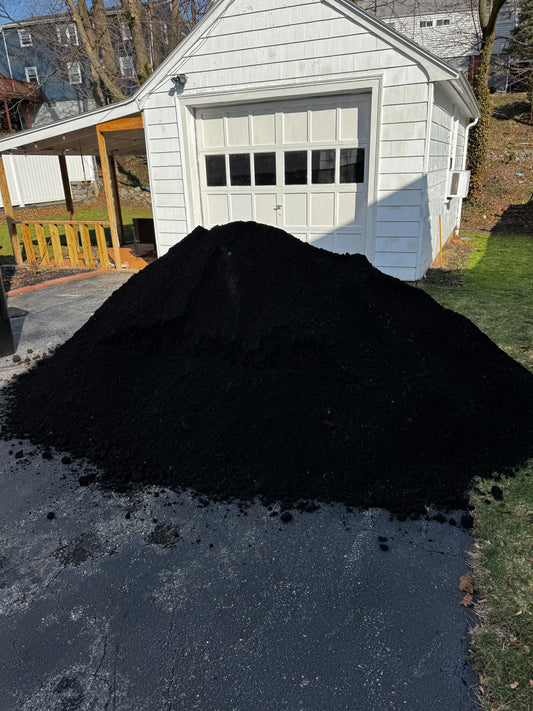
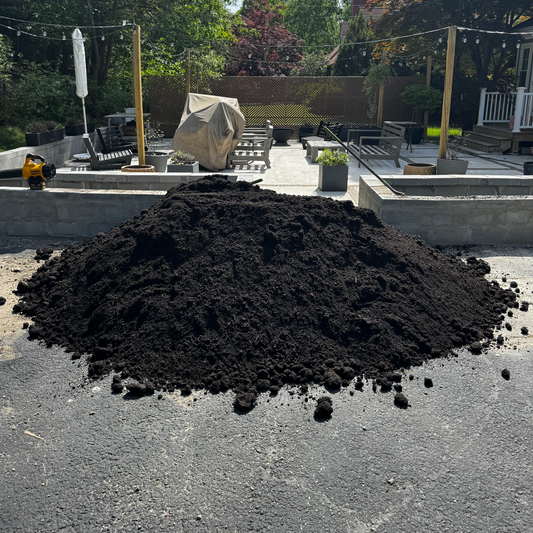
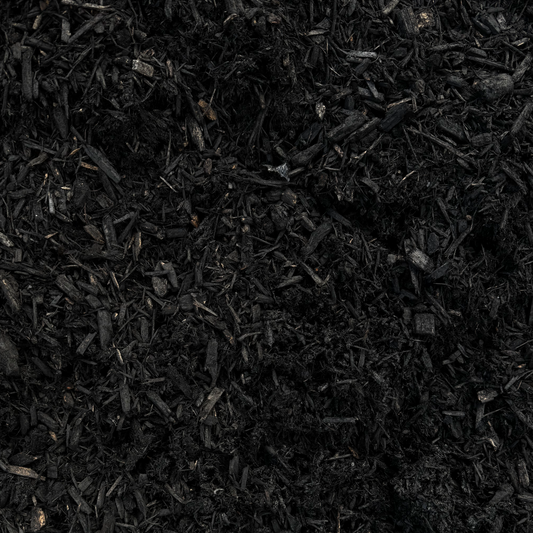
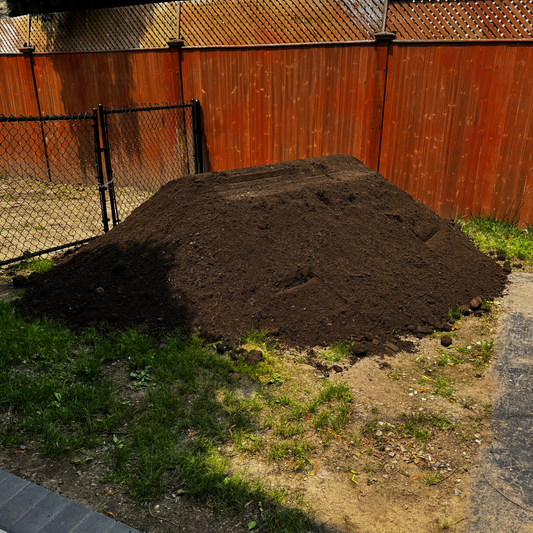
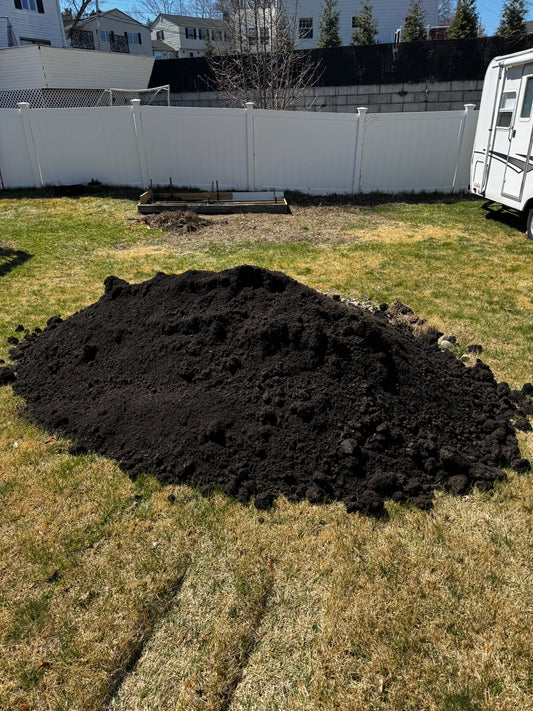
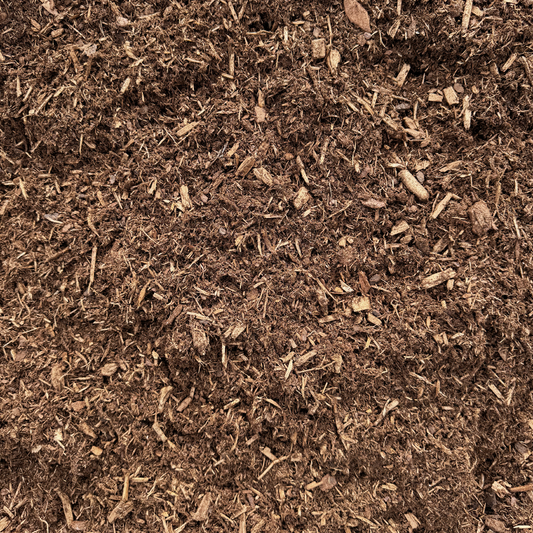
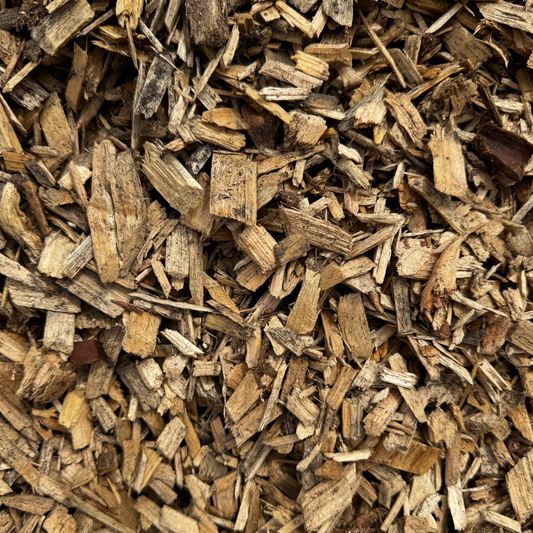
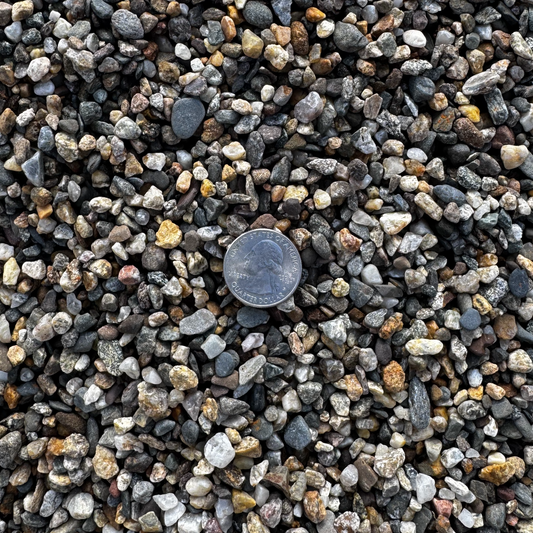
The fix: Use only mature compost. Visual check: dark brown to nearly black, crumbly texture, no recognizable inputs, faintly sweet earthy smell. Smell-test: if you smell ammonia, sharp chemicals, or sourness, the compost isn't ready.
The US Composting Council Seal of Testing Assurance (STA) is the regional standard for mature, pathogen-free compost. Ottr Compost is sourced from STA-compatible regional suppliers.
For the broader Hyde Park year-one performance review, Ottr Compost for Hyde Park Vegetable Beds: Year-One Notes covers what mature compost should look and smell like at delivery.
2. Over-Applying
The mistake: Spreading 4-6 inches of compost "to really feed the bed."
Why it fails: Three problems:
- Volume loss: A 6-inch compost layer drops to 3-4 inches by August as the organic matter continues to break down. Beds slump.
- Water retention extreme: Heavy compost layers hold so much moisture that root rot starts in mid-July.
- Nutrient excess: Especially with vegetable-heavy compost, plants get too much nitrogen and produce leaves at the expense of fruit.
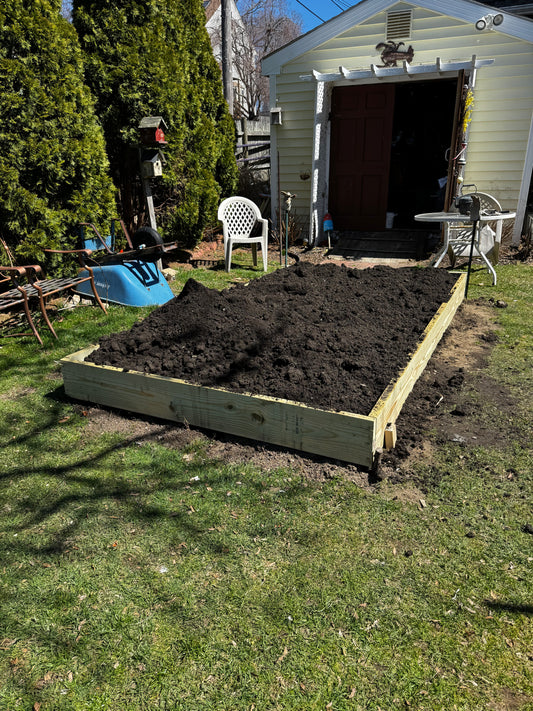
The fix: Apply 1-2 inches of compost, not 4-6. For established beds, 1 inch top-dress in April is enough. For new bed builds, 2-3 inches mixed into the top 6 inches with topsoil or screened loam.
The math for a 100 sq ft Belmont bed at 2 inches: 100 x 2 / 324 = 0.62 cubic yards (round to 0.75).
For the broader yardage formula, How Many Cubic Yards of Mulch for a Lexington 200 sq ft Bed? covers the calculation.
3. Working It In Too Deep
The mistake: Tilling compost down to 12 inches "to feed the deep roots."
Why it fails: Most vegetable and ornamental root activity happens in the top 6 inches. Working compost deeper:
- Disrupts soil microbiology in the deeper layers (which doesn't recover for 2-3 years).
- Creates a "fluff layer" 8-12 inches down that holds water and rots crowns.
- Wastes the compost - roots aren't there.
The fix: Work compost into the top 4-6 inches only. Use a garden fork or broadfork, not a rototiller. Hand-fork preserves soil structure and limits the depth of disturbance.
For the broader bed-build technique, How to Build a Cedar Raised Bed in a Hingham Backyard covers the layered approach that ports to Belmont.
4. Ignoring pH
The mistake: Adding compost without knowing the bed's existing pH.
Why it fails: Compost itself is roughly pH-neutral (6.0-7.5 depending on inputs), but it doesn't fix pH problems. A bed at pH 5.5 (too acidic) needs lime. A bed at pH 7.8 (too alkaline) needs sulfur. Compost adds nutrients and organic matter but doesn't shift pH meaningfully.
The fix: Soil test first. The UMass Soil and Plant Nutrient Testing Lab sells a $20 mailer kit that returns pH and nutrient levels in 2-3 weeks.
For Belmont vegetable beds, target pH 6.0-6.8. For Belmont blueberries (if you have them), target pH 4.5-5.5.
If pH is wrong, apply lime or sulfur in March, then add compost in April after pH starts adjusting.
For the related Worcester County test reference, the 2026 Worcester County UMass soil test walk-through covers the mailer process.
5. Skipping the Soil Test Entirely
The mistake: Adding compost based on bag instructions and gut feel, with no measurement of what's already in the soil.
Why it fails: Belmont soil varies sharply yard-to-yard. The Concord Avenue clay-loam pattern needs different amendments than the sandy fill near McLean Hospital. Without a test, you're guessing - and the wrong amendment underperforms or harms the bed.
The fix: $20 soil test once every 3 years. The single highest-leverage decision in any Belmont garden.
For the broader clay-amendment reference, Top 5 Soil Amendments for Heavy MA Clay covers the full amendment-selection logic that depends on soil test results.
The Belmont April Schedule
For a typical Belmont garden bed:
- April 1: Pull soil samples, ship to UMass.
- April 1-7: Hand-rake debris, weed bed.
- April 7: Test results back. Apply lime/sulfur if needed.
- April 8-15: Apply 1-2 inches mature compost. Work into top 4-6 inches with garden fork.
- April 15-30: Wait. Plant after May 15 (last frost).
For the broader first-spring-day reference, 5 First-Day-of-Spring Tasks for Bridgewater Lawns covers the setup tasks that pair with bed amendment.
Application Rate Reference
| Bed condition | Compost rate | Volume per 100 sq ft |
|---|---|---|
| Established bed, top-dress | 1 in | 0.31 cu yd |
| Established bed, work in | 1-2 in | 0.31-0.62 cu yd |
| New bed, work in | 2-3 in | 0.62-0.93 cu yd |
| Lawn renovation top-dress | 0.25 in | 0.08 cu yd |
| Severely compacted bed | 2 in compost + 1 in sand | 0.93 cu yd |
Browse the raised-garden-bed-materials collection for current pricing on Ottr Compost and the Belmont landscape supply route for delivery scheduling.
When to Skip Compost Entirely This Year
- Bed is at organic matter > 8% per soil test. Compost is overkill.
- Bed underperformed in 2024 due to root rot. Compost worsens the issue.
- You added compost in fall. Skip the spring application; let the fall amendment integrate.
For the broader regional reference on compost quality and application, the US Composting Council is the authoritative source.
The short version: mature compost only, 1-2 inches, top 4-6 inches, with a soil test backing the decision. Belmont gardens reward restraint and measurement over volume and guesswork.