Quick Answer
The first day of spring in Bridgewater is March 20 - and the right five lawn tasks are: submit a UMass soil test, hand-rake winter debris, scout salt damage at the curb, plan overseeding seed mixes, and order top-dressing materials. Don't power-rake yet (soil is still too soft), don't apply fertilizer yet (root growth hasn't started), and don't reseed yet (soil temperature is still under 50F). The first-day-of-spring tasks are setup, not execution.
Why First-Day-of-Spring Matters in Bridgewater
Bridgewater lawns - across the older neighborhoods near the State University, the larger lots out toward the Town River, and the newer subdivisions off Route 18 - sit on a mix of clay loam and sandy loam. Soil temperature on March 20 typically reads 38-44F at 4-inch depth. Grass roots aren't actively growing yet. The lawn looks dormant because it is.
The window for the first-day tasks: March 20 - April 5. After April 5, soil warms enough to start the actual work (overseeding, top-dressing, repair). Before March 20, conditions are too cold and wet for productive work.
1. Submit a UMass Soil Test
The single most valuable first-day task. The UMass Soil and Plant Nutrient Testing Lab sells a $20 mailer kit. Pull samples from 6-8 spots across the lawn, mix in a clean bucket, and ship.
Results return in 2-3 weeks - exactly when you'll need them to decide on lime, fertilizer, and overseeding rate. The test reads:
- pH (cool-season grasses want 6.0-6.8)
- Nutrients: P, K, Ca, Mg
- Organic matter percent
- Lead, in urban soils
Bridgewater lawns near older homes (pre-1978) should specifically request the lead screen. Older paint chips in the soil are common.
For the broader regional reference, the 2026 Worcester County UMass soil-test walk-through covers the mailer process step-by-step.
2. Hand-Rake Winter Debris
Walk the lawn with a leaf rake. Pull off:
- Matted oak leaves still pinned in low spots.
- Branches and twigs.
- Pine cones and seed pods.
- Vole-damage debris - dead grass clumps where voles tunneled under the snow.
Hand-rake only. Power rake (dethatcher) blades pull live crowns from soft soil and damage the lawn. Save power-raking for early-to-mid April when soil firms up.
For vole damage repair specifically, 5 Vole-Damage Repair Tips for Scituate Lawns This February covers the diagnostic and repair sequence.
3. Scout Salt Damage at the Curb
Bridgewater curb-edge lawns - especially along Pleasant Street, Bedford Street, and the State University-area roads - show salt damage by March 20. Walk the curb and mark damaged spots with garden flags.
Three signs:
- Straw-yellow stripe 6-18 inches from the road edge.
- Bare patches where turf died entirely.
- Salt-pellet residue on bare soil during dry days.
Don't reseed yet. Soil temperatures need to clear 50F first. But mark the spots now so you know what seed volume to order.
For the diagnostic walk-through, How to Diagnose Salt Damage on a Belmont Lawn covers the visual checklist.
4. Plan Overseeding Seed Mixes
Bridgewater's cool-season lawn mix is typically Kentucky bluegrass + tall fescue + perennial ryegrass. The right blend for spring overseeding depends on what's there now and what failed over winter:
- Heavy bluegrass lawn that browned out: seed with a high-percentage tall fescue mix (more drought-tolerant).
- Mixed lawn with thin spots: seed with a 50/30/20 fescue/bluegrass/ryegrass mix.
- Newer lawn (under 5 years): seed with the same mix that's already there for visual consistency.
For the broader seed-mix comparison, Top 5 Cool-Season Grass Picks for Brookline Spring Repair covers the regional options.
Plan the seed order now; place it after April 5 when the soil warms.
5. Order Top-Dressing Materials
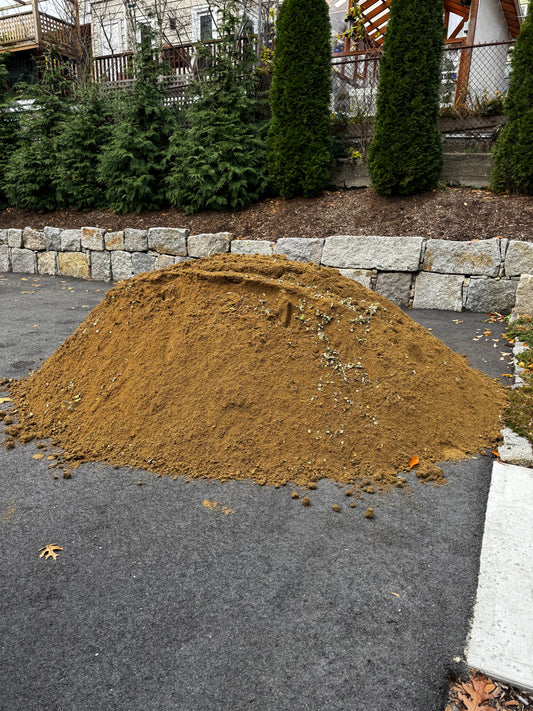
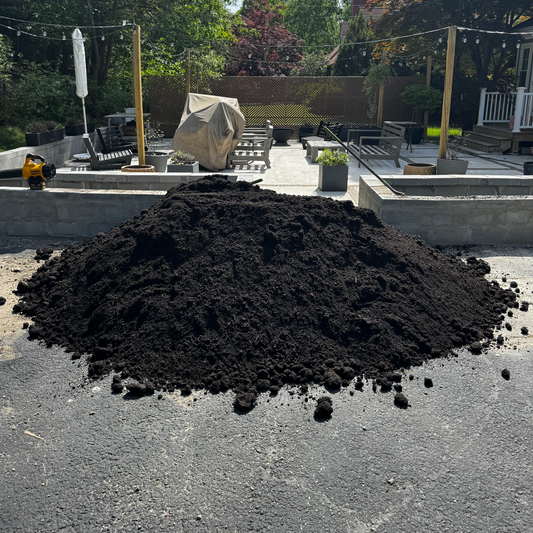
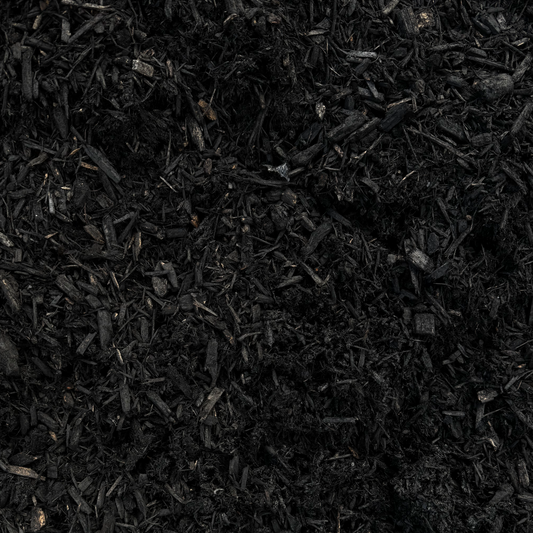
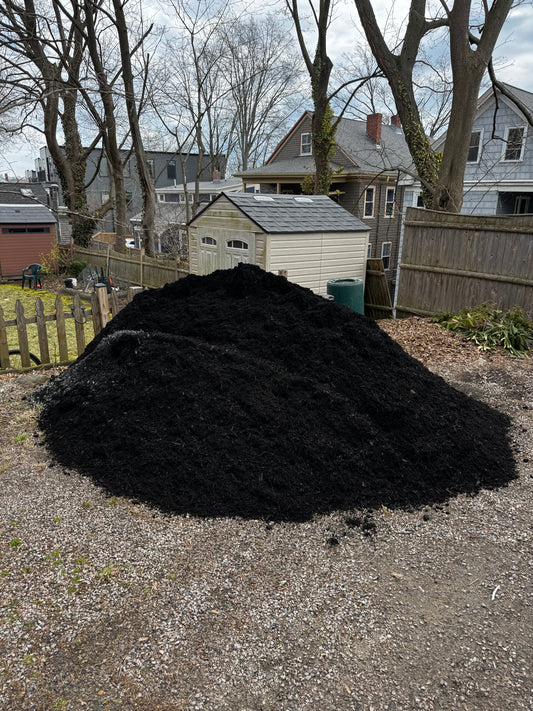
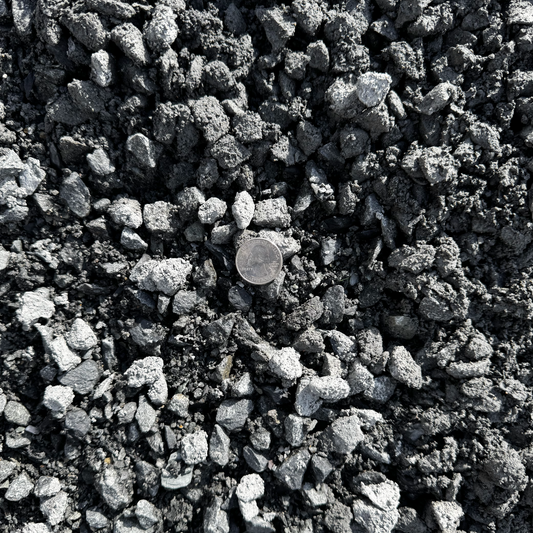
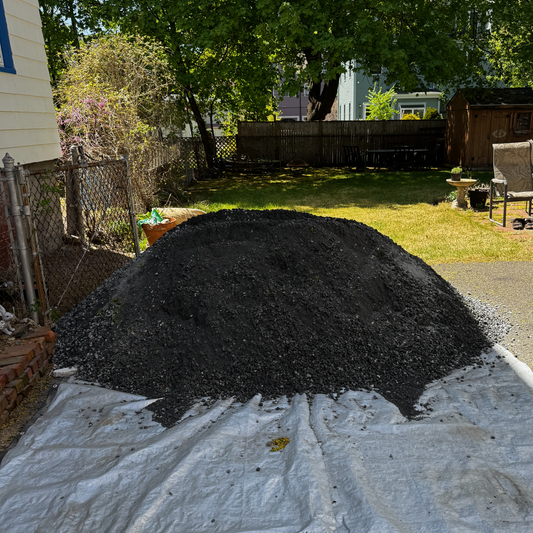
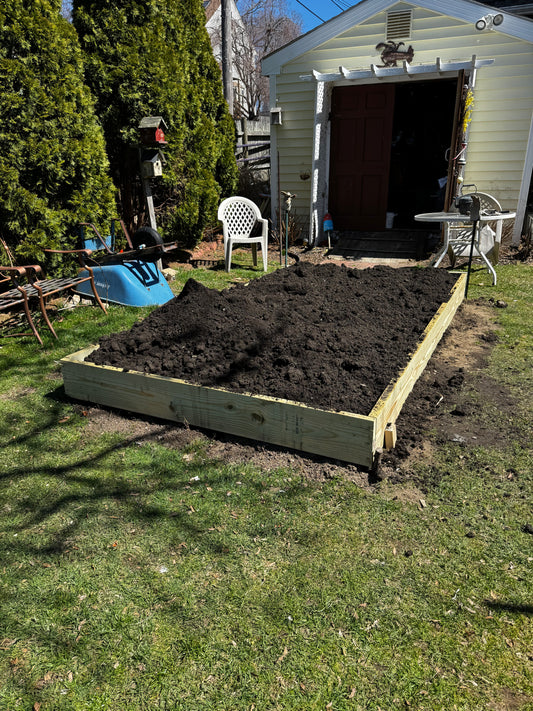
For Bridgewater lawns, three top-dressing materials matter:
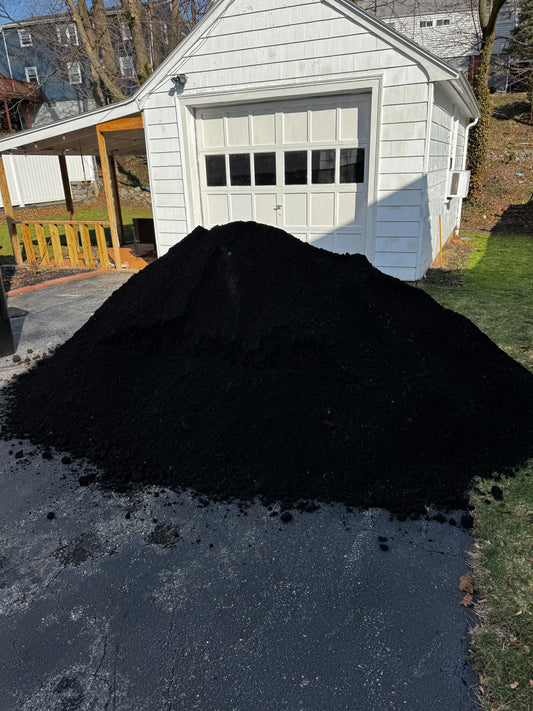
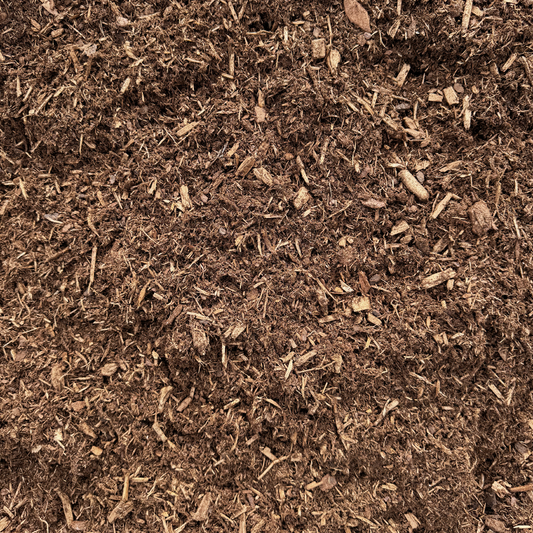
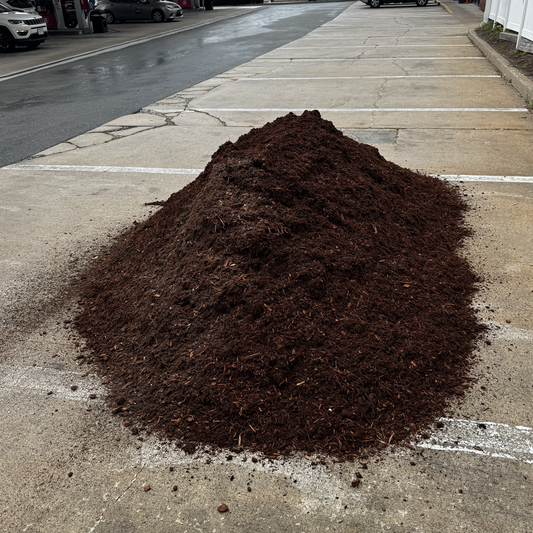
- Compost (1/4-1/2 inch top-dress over reseeded areas)
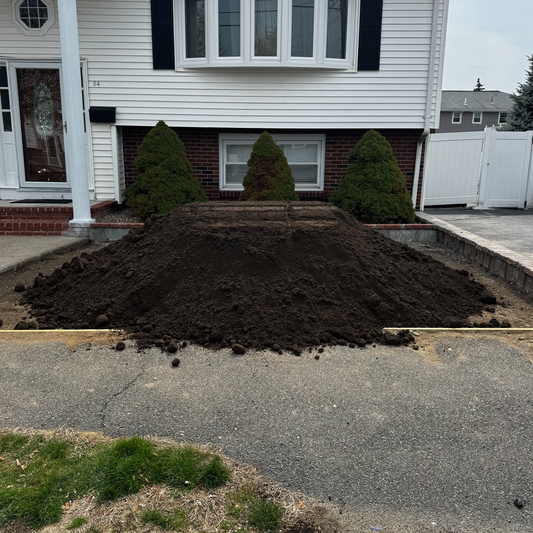
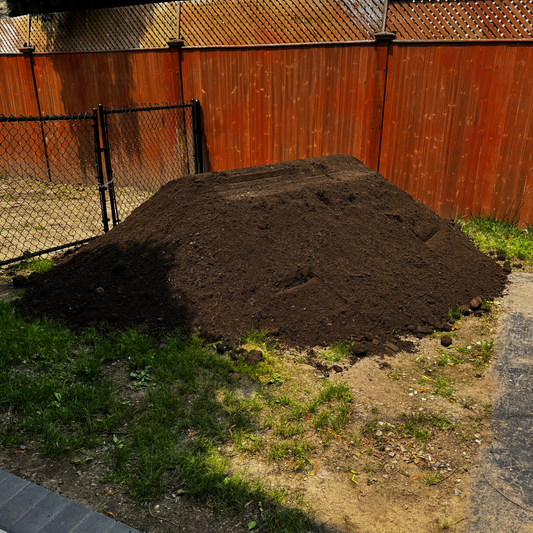
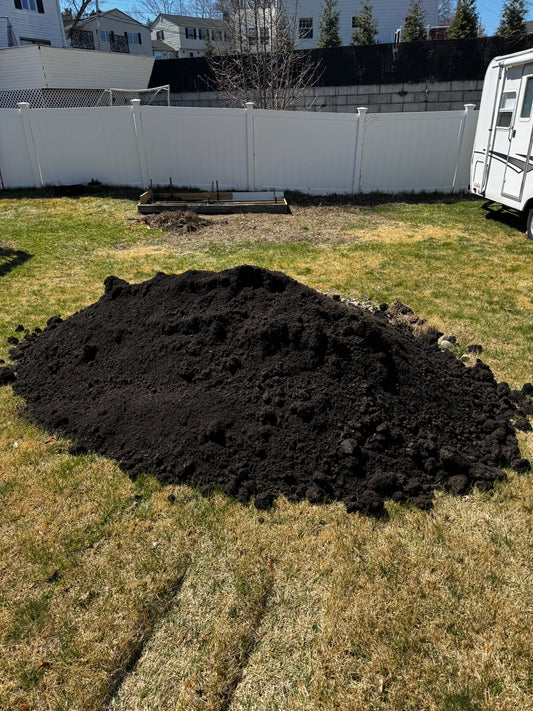
- Screened loam (1/2-1 inch over bare patches before seeding)
- Sand-and-compost mix (3:1 sand-to-compost for level low spots)
Calculate volumes using the formula: (square feet x inches deep) / 324 = cubic yards. For a 1,000 sq ft Bridgewater lawn with about 200 sq ft of damaged area at 1/2 inch top-dress:
200 x 0.5 / 324 = 0.31 cubic yards of compost (round to 0.5).
For the broader yardage math reference, the 2026 Quincy mulch yardage walk-through covers the formula in detail.
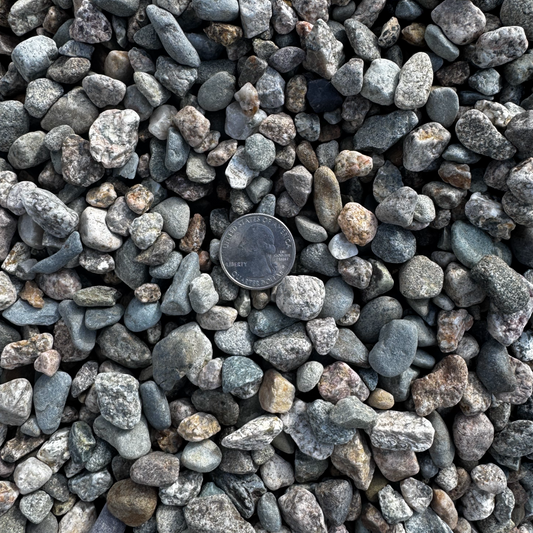
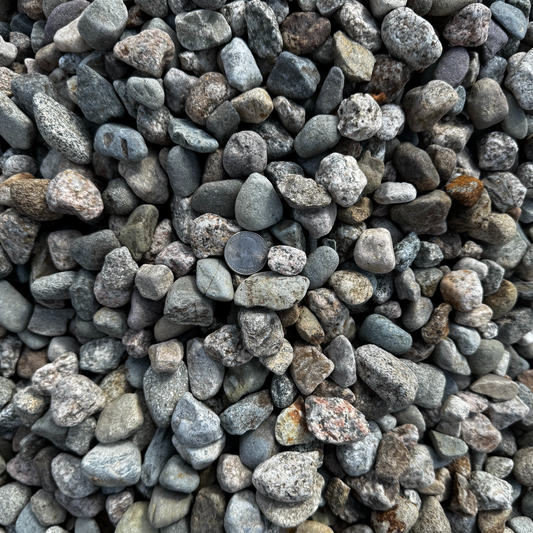
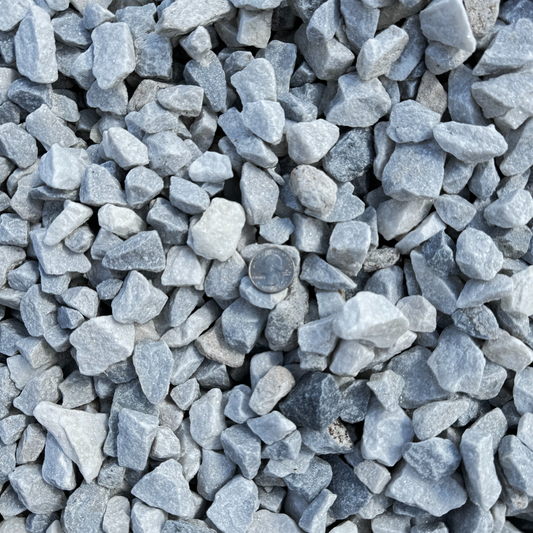
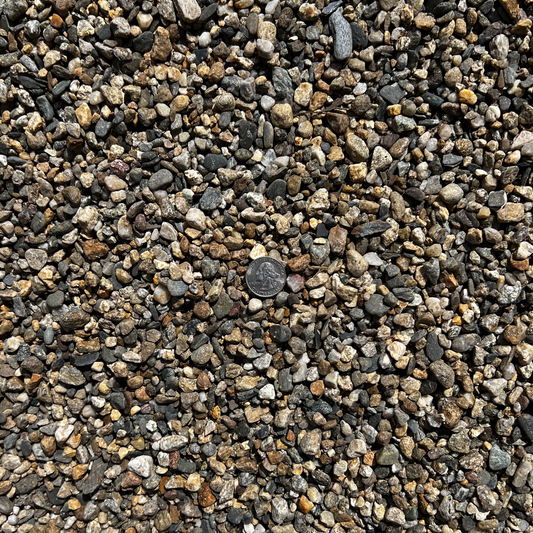
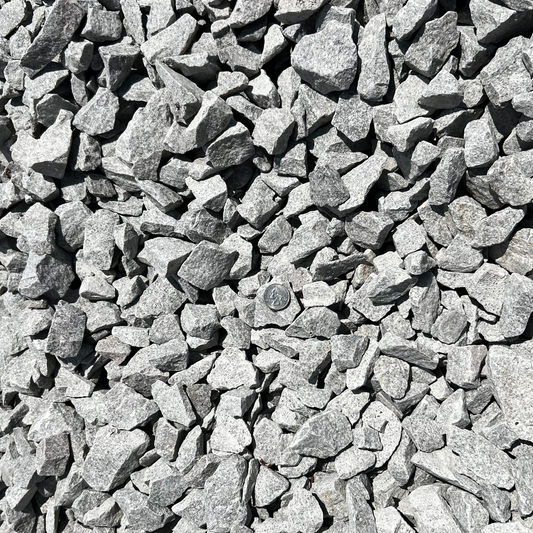
Browse the lawn-leveling-repair collection for current top-dressing materials and the Bridgewater landscape supply route for delivery scheduling.
What NOT to Do on First-Day-of-Spring
- Don't power-rake. Soil too soft.
- Don't apply fertilizer. Roots not active.
- Don't apply pre-emergent. Soil under 50F means crabgrass hasn't germinated; pre-emergent is wasted.
- Don't seed bare patches. Soil too cold for germination.
- Don't mow. Grass hasn't grown.
The Bridgewater First-Week-of-Spring Schedule
| Day | Task | Time |
|---|---|---|
| March 20 | Pull soil samples, ship to UMass | 30 min |
| March 21 | Hand-rake debris | 90 min |
| March 22 | Salt damage scout, flag spots | 30 min |
| March 23 | Plan seed mix, order top-dress materials | 30 min |
| March 24-31 | Wait for soil to warm | - |
| April 1-7 | Apply lime if soil test came back; start overseed prep | varies |
For the broader regional turf reference, the UMass Extension Turf Program is the authoritative source on cool-season lawn management.
When Bridgewater Conditions Vary
Some Bridgewater lawns need adjusted timing:
- Bridgewater State University-area lots: older soil, often more compacted. Add aeration to the April plan.
- Newer subdivisions off Route 18: newer soil, often higher in fill content. Soil test results matter more.
- Lots near Town River: wetter soil, slower spring warm-up. Push tasks 1 week later than the standard calendar.
The short version: five first-day tasks - test, rake, scout, plan, order. No execution work yet. Bridgewater lawns reward the homeowner who sets up in March and executes in April.