Quick Answer
The five amendments that actually fix heavy MA clay are mature compost, coarse sand, gypsum, leaf mold, and mineral-rich screened loam. Apply in this order: 2-3 inches of compost worked into the top 6 inches of soil, 1 inch of coarse sand if drainage is severe, gypsum at 40 lb per 1,000 sq ft for compaction relief, and a 1-inch top-dress of leaf mold or screened loam to finish. Skip peat moss (acidifies, doesn't fix structure) and skip wood ash (raises pH too fast).
Why MA Clay Is the Way It Is
Massachusetts clay - particularly the dense, gray-blue clay across Plymouth, Bristol, and Worcester counties - is glacial in origin. It compacts under foot traffic and equipment, drains slowly, swells when wet, and cracks when dry. The fix isn't to "loosen" the clay (impossible at scale) - it's to add structure that the clay particles can bind to.
Five amendments that work, in order of priority.
1. Mature Compost
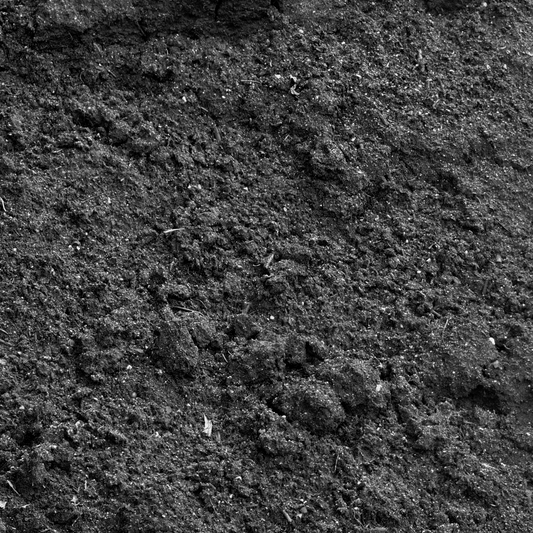
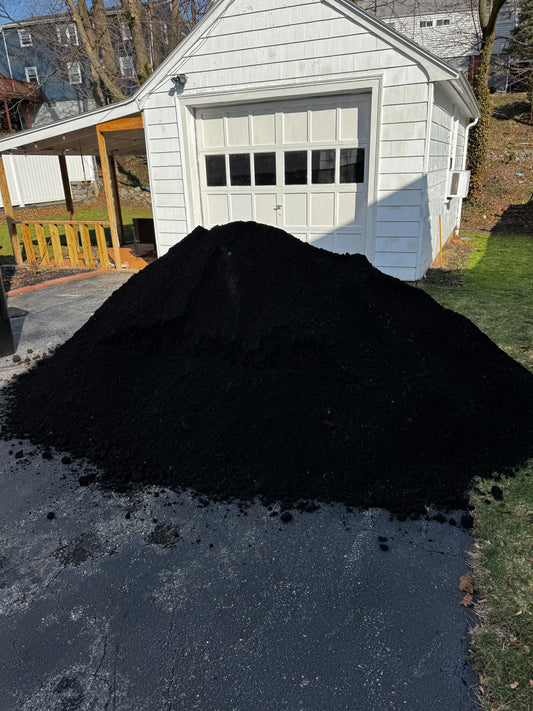
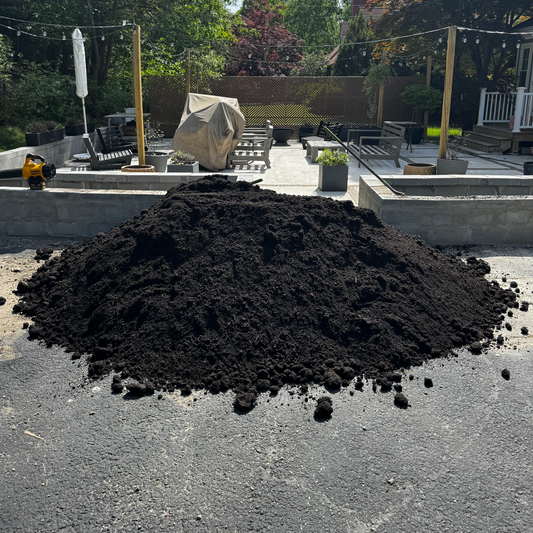
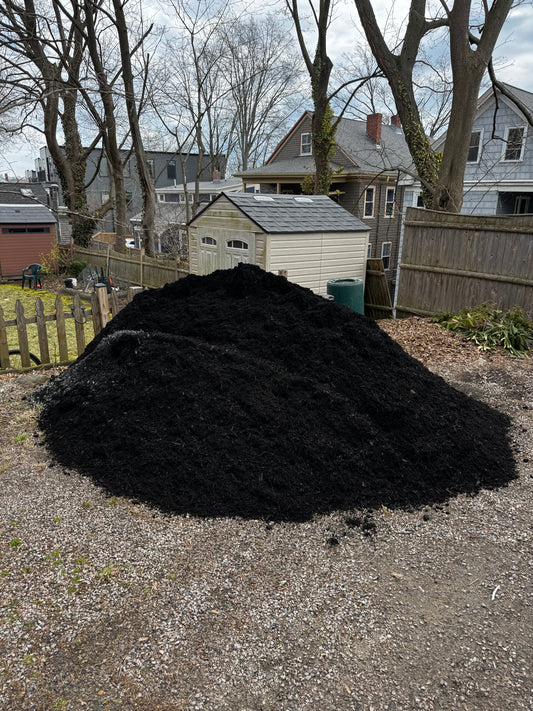
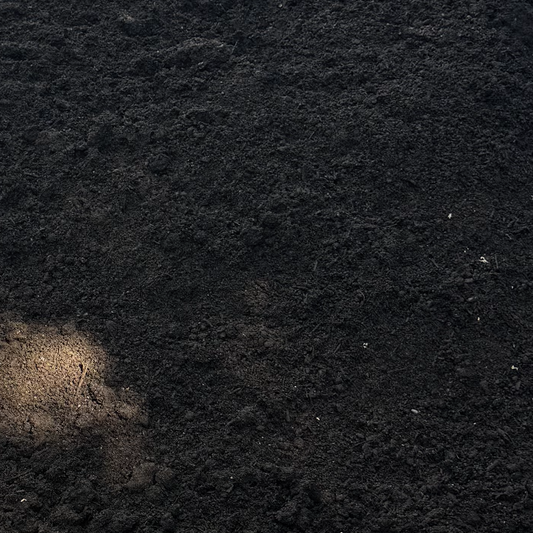
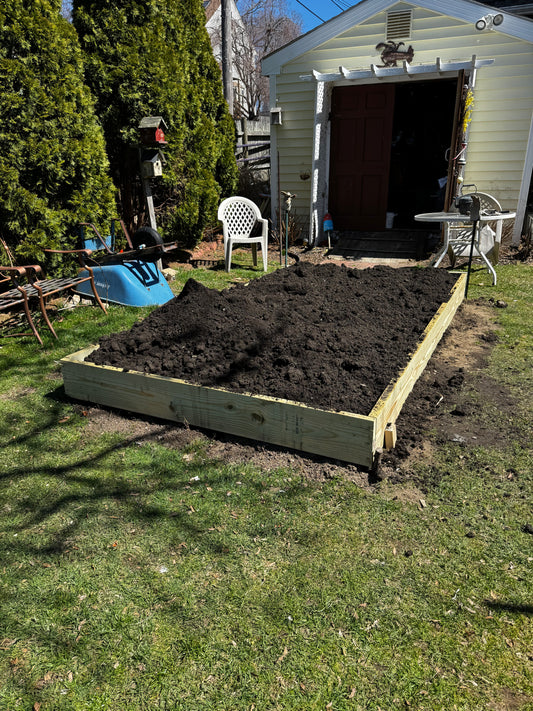
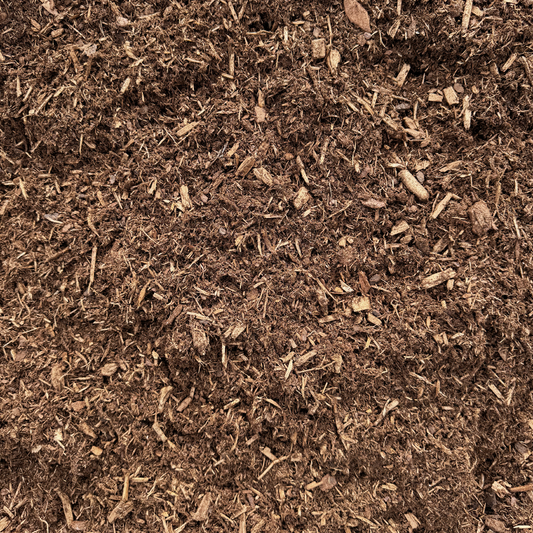
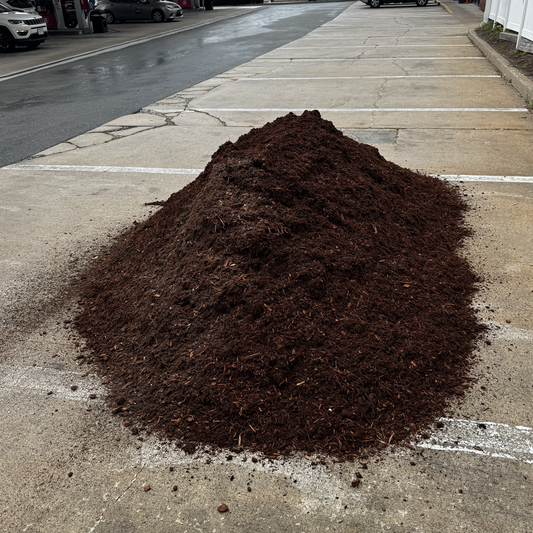
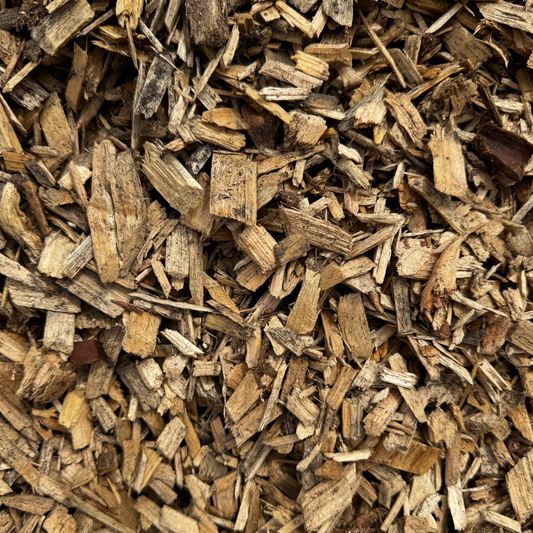
The single most important amendment. Compost adds organic matter, feeds soil microbes, and creates the granular structure that clay needs to drain. Apply 2-3 inches and work into the top 6 inches of soil with a garden fork or broadfork.
Application rate: 2-3 cubic feet per 100 sq ft (one cubic yard covers 100 sq ft at 3 inches).
Best timing: March 15 - April 15 for spring beds; late September for fall renovation.
Where to buy: Browse the raised-garden-bed-materials collection for Ottr's bulk Compost product. Bulk is significantly cheaper than bagged for orders over 1 cubic yard.
Cautions: Use mature compost only. Hot/raw compost burns roots and ties up nitrogen.
For the broader compost-vs-topsoil decision, Compost or Topsoil for a Quincy Garden? A Plain-English Choice covers when each is right.
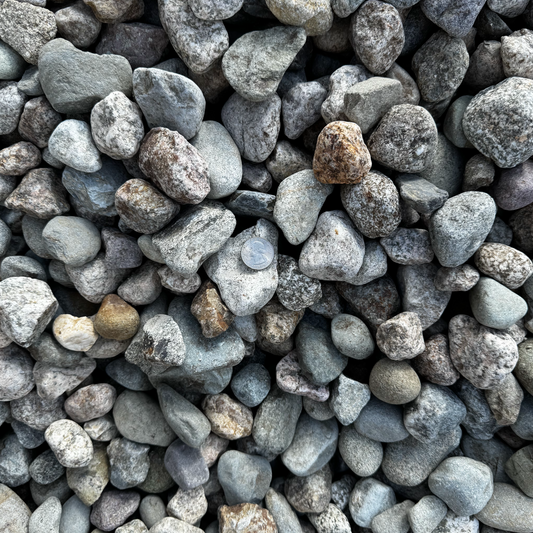
2. Coarse Sand (Concrete Sand or Mason Sand)
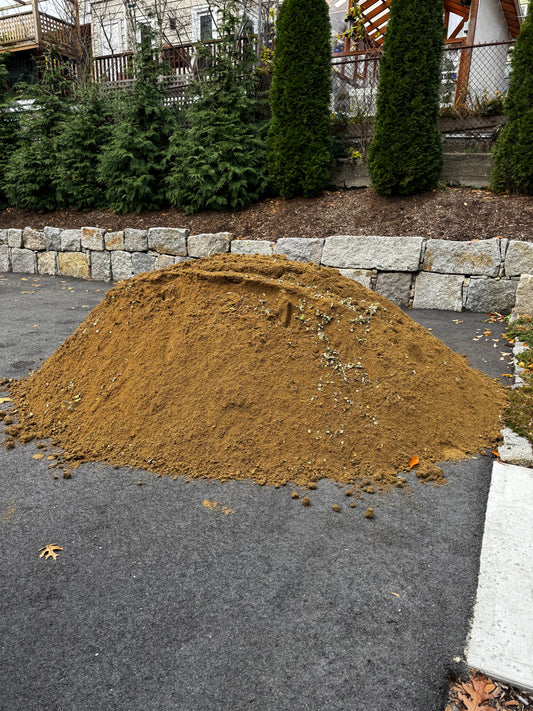
Use only if drainage is severe. Sand alone doesn't fix clay - it can actually make things worse if applied at low rates by creating a concrete-like mix. The rule: if you use sand, use a lot, and use coarse grades.
Application rate: 1 inch worked into the top 4-6 inches alongside compost. Below that ratio, skip sand.
Best timing: Same as compost - March to April or late September.
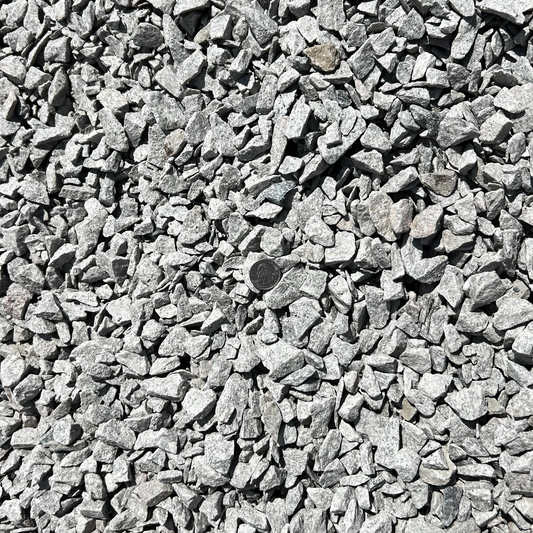
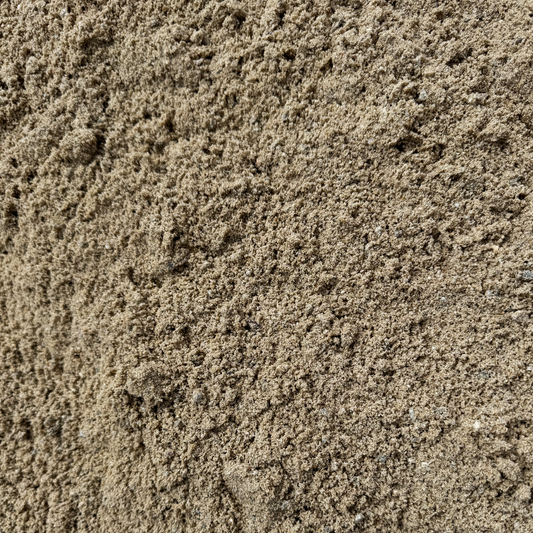
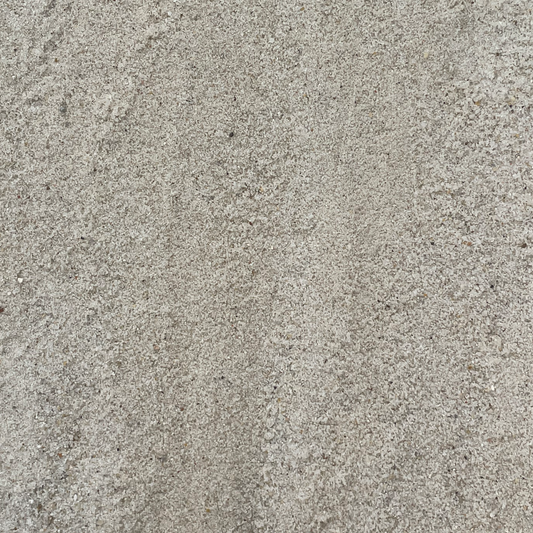
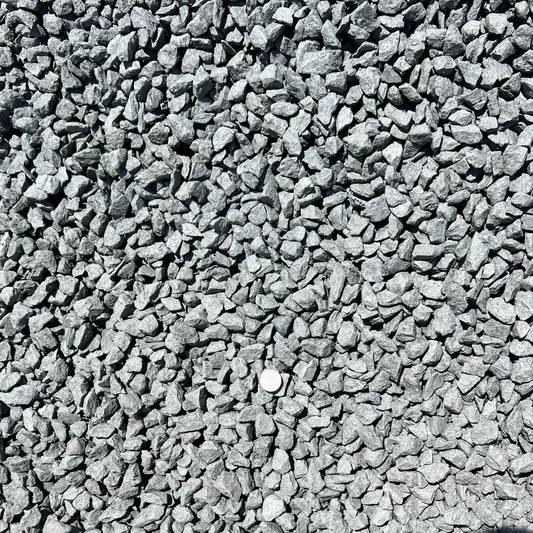
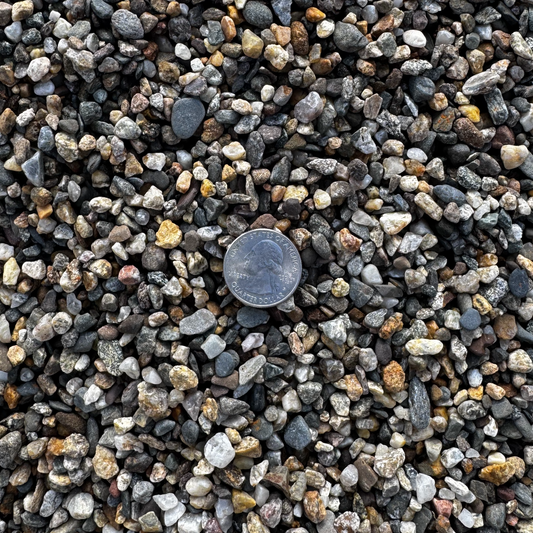
Best product: Mason Sand or Concrete Sand from the bulk yard. Skip "play sand" or fine sand - both compact rather than aerate.
Cautions: Sand is a structural amendment, not a nutrient amendment. Always pair with compost.
3. Gypsum (Calcium Sulfate)
The compaction reliever. Gypsum doesn't change pH (unlike lime). It works by displacing sodium ions in compacted clay, which lets the clay particles separate slightly and drain better.
Application rate: 40-50 lb per 1,000 sq ft, broadcast and watered in.
Best timing: Apply in early March, when soil is still moist and freeze-thaw cycles help work it in.
Where to buy: Garden centers and big-box hardware stores stock pelletized gypsum. Ottr does not stock gypsum - it's a small-volume product you'll buy in 40-lb bags from Home Depot or Mahoney's.
Cautions: Test soil pH first. If pH is already above 7.0, skip gypsum and use compost only.
For the soil-test reference, the UMass Soil and Plant Nutrient Testing Lab is the authoritative regional source. The mailer kit is $20 and turns around in 2-3 weeks.
4. Leaf Mold
The slow-and-steady amendment. Leaf mold (well-rotted leaves) builds soil structure faster than compost in clay because the carbon-to-nitrogen ratio matches what clay-bound microbes need. Most homeowners can make leaf mold from last fall's leaves - shred them with a mower in October, pile them, and they're usable by the following March.
Application rate: 1-2 inch top-dress, worked lightly into the top 2 inches.
Best timing: Top-dress in March or in fall.
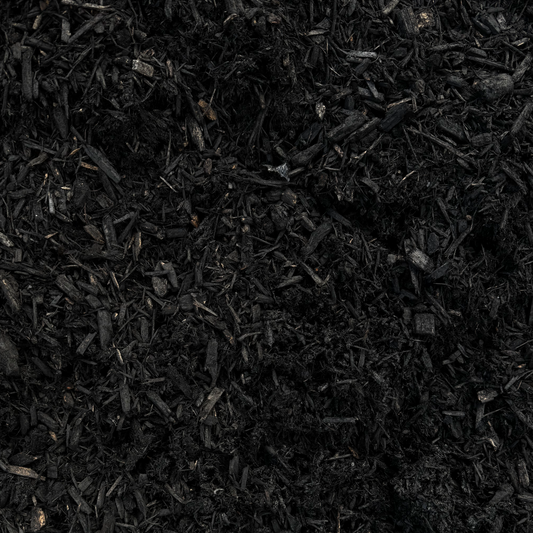
Best product: Homemade is best. If buying, screened compost from a high-leaf-content source works similarly. The Ottr Compost product is leaf-and-yard-waste based.
Cautions: Don't use partially decomposed leaves - they tie up nitrogen.
5. Mineral-Rich Screened Loam
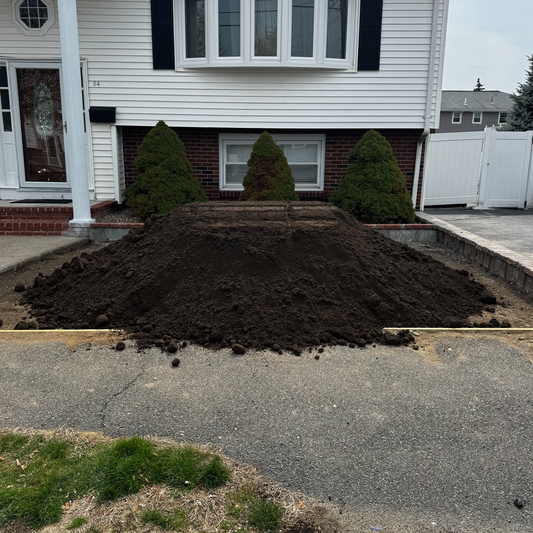
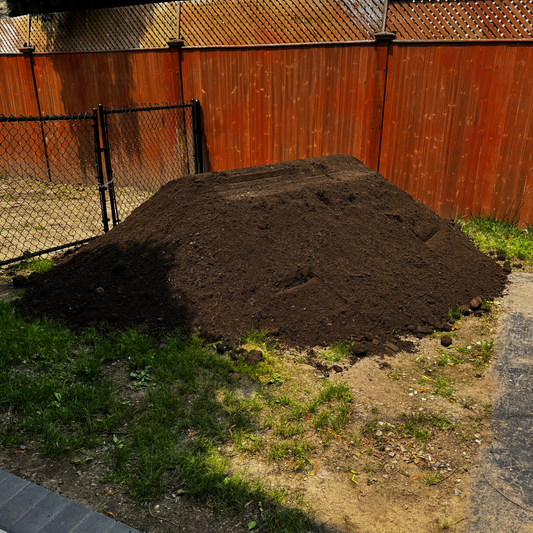
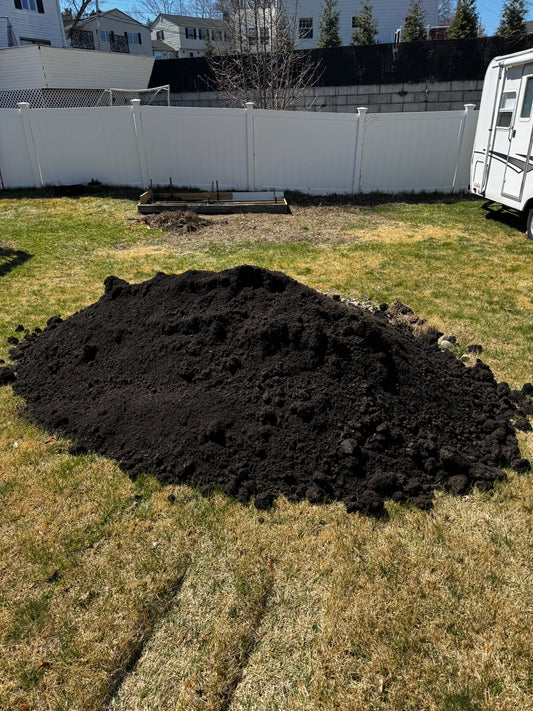
For severe clay where you're starting over. When clay is too compacted for amendments to fix in one season, the right move is to remove the top 4 inches and replace with screened loam mixed with compost. This is bed renovation, not amendment.
Application rate: 4 inches of screened loam (mixed 75/25 with compost) over the existing clay subsoil.
Best timing: Spring or fall. Avoid mid-summer (the clay below dries out and pulls moisture from the new layer).
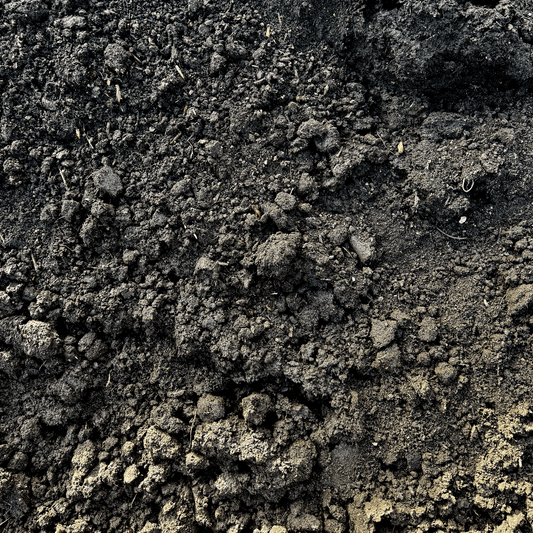
Best product: Topsoil Loam 1/2-inch Screened or Super Loam for the clay-renovation case.
Cautions: This is the expensive option. Use only when amendments alone won't fix the bed.
For the broader top-dressing technique, the Lexington 200 sq ft mulch math walkthrough covers the bed-prep timing that pairs with soil amendment.
Application Order Across One Season
For a 200 sq ft Massachusetts bed with severe clay:
- March 1-15: Apply gypsum (8 lb for 200 sq ft). Water in.
- March 15-31: Spread 2-3 inches of compost. Work into top 6 inches with garden fork.
- April 1-15: Top-dress with 1 inch leaf mold or screened compost. Don't disturb the worked-in layer below.
- April 15-30: Plant. Mulch over the surface at 2 inches.
Compare to a clay-renovation case (severe compaction):
- March 1-15: Remove top 4 inches of clay (use as fill elsewhere).
- March 15-31: Spread 3 inches of screened loam mixed 75/25 with compost.
- April 1-15: Top-dress 1 inch leaf mold.
- April 15-30: Plant.
Skip These Common "Fixes" for MA Clay
- Peat moss. Acidifies soil, doesn't fix structure. MA clay is already mildly acidic.
- Wood ash. Raises pH too fast, kills the microbes you're trying to feed.
- Coffee grounds in volume. Acidify soil, attract pests.
- "Soil conditioner" liquid products. Most are surfactants - they don't add structural matter.
- Fine sand or play sand. Compacts rather than aerates.
For the contractor-side perspective on bed renovation pricing across South Shore towns, the 2026 Hingham pave-vs-gravel walk-through covers the broader decision tree on whether to amend or replace.
For the regional authoritative reference, UMass Extension Landscape, Nursery & Urban Forestry has the most thorough soil management guidance for MA clay conditions.
The Five Amendments Ranked by Cost
- Leaf mold (homemade - free)
- Gypsum (40-lb bag, ~$15)
- Compost (bulk, per cubic yard)
- Coarse sand (bulk, per cubic yard)
- Screened loam (bulk, per cubic yard) - most expensive
The short version: compost first, gypsum if compacted, sand only if drainage is severe, leaf mold to finish, screened loam only if you're starting over. Five amendments, applied in order, fix MA clay across one season.