Quick Answer
For a Medford driveway, match ice melt chemistry to the next 24 hours' forecast low and to where the driveway meets the lawn. Treated rock salt handles 15-32 degrees F (most Medford January nights). Calcium chloride is the cold-snap pick down to -25 degrees F. Salt-sand 20/80 protects the lawn-edge strip on West Medford and Glenwood lots. Pure mason sand goes against flower beds and old brick. The four-step decision below takes 15 minutes.
Why Medford Driveways Are Their Own Situation
Medford sits inside the Boston metro warm zone but right next to the Mystic River wetlands. Driveways here run shorter than Worcester County but with denser lawn-adjacent strips (Medford lots average smaller than the regional median) and a lot of pre-1990 concrete walkways. The Mystic River watershed adds a runoff-sensitivity layer - chloride concentrates fast in urban watersheds. Match products to zones; don't dump rock salt edge to edge.
Quick Comparison Table
| Product | Effective to | Best Zone | Notes |
|---|---|---|---|
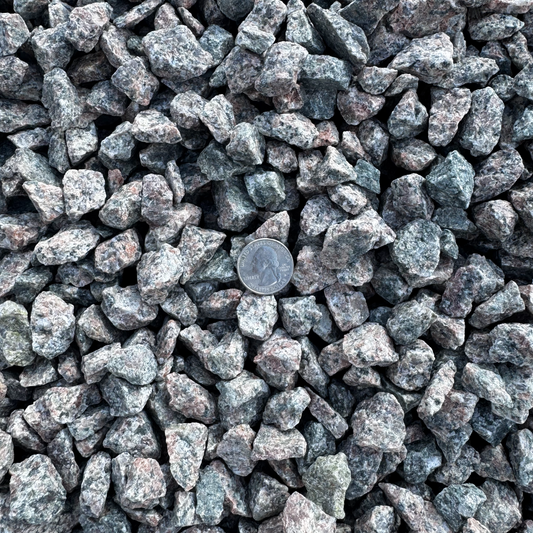
| Treated Rock Salt | 15 degrees F | Central drive | Fastest onset for typical Medford storms |
| Calcium Chloride | -25 degrees F | Cold-snap pre-treat | Reserve for sub-15 degree F nights |
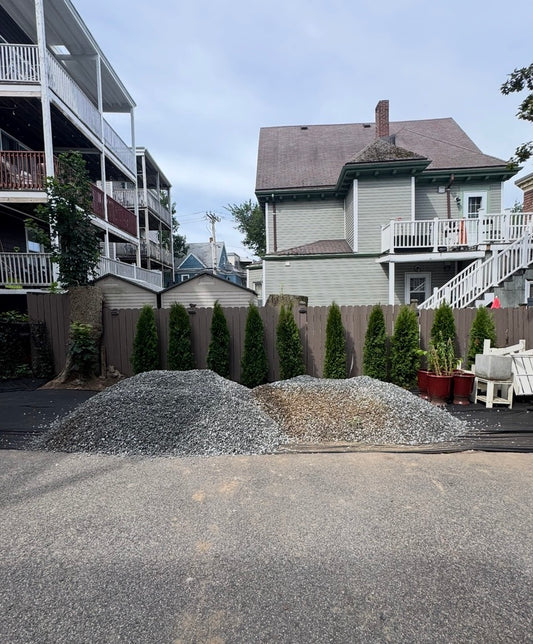
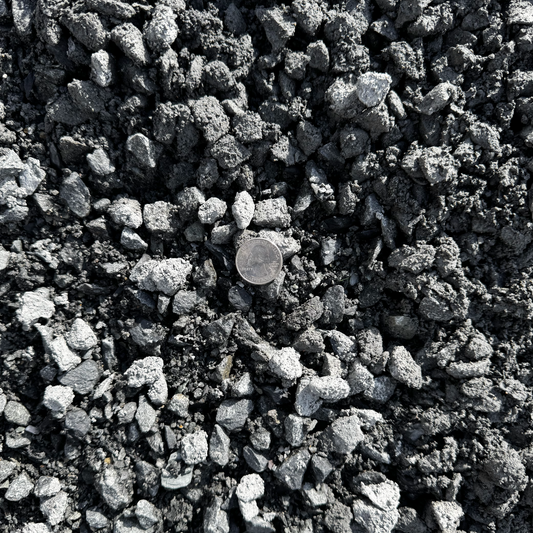
| Salt-Sand 20/80 | 0 degrees F (traction) | Lawn-adjacent strip | One-fifth the chloride load |
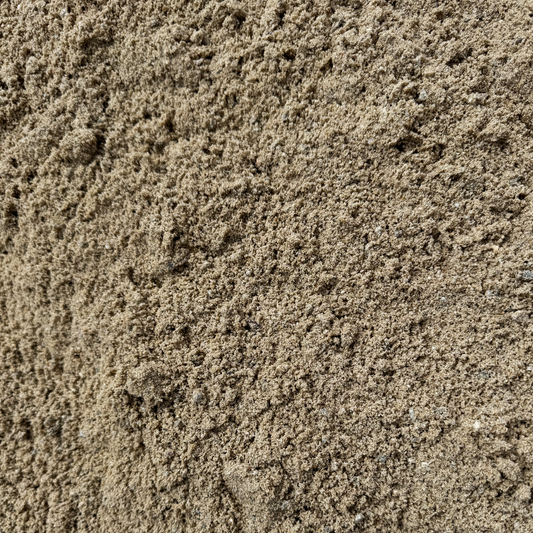
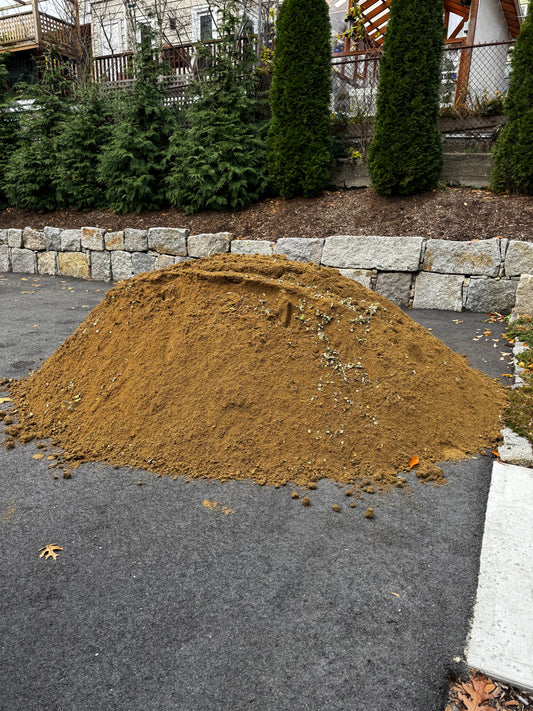
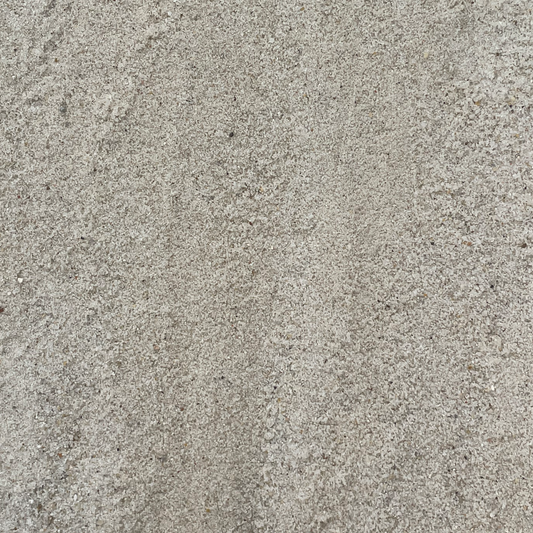
| Mason Sand | Any (no melt) | Bed and old-brick edge | Sweep up in spring |
Step 1 - Read the Forecast Low
Pull the next 24-hour forecast low for Medford (the city sits between Boston Logan's microclimate and the Mystic Lakes basin - check the closest station). The low determines chemistry:
- Above 20 degrees F: treated rock salt alone.
- 10-20 degrees F: rock salt plus a reserve bag of calcium chloride.
- Below 10 degrees F: lead with calcium chloride, especially for pre-treatment.
Step 2 - Map the Driveway
Most Medford driveways break into three zones:
- Central drive - main wheel paths.
- Lawn-edge strip - the 18-24 inches between asphalt and turf along the front yard.
- Stoop / brick walk - the path to the door, often pre-1990 masonry.
Mark them with chalk or garden flags before the first storm.
Step 3 - Match Chemistry to Zone
- Central drive: Treated rock salt. Knocks 4-8 inches loose at typical Medford temps.
- Lawn-edge strip: Salt-Sand 20/80. Protects the curb-edge turf. See Apply Ice Melt the Right Way: 5 Tips for Plymouth County Sidewalks for the application logic - same in Medford.
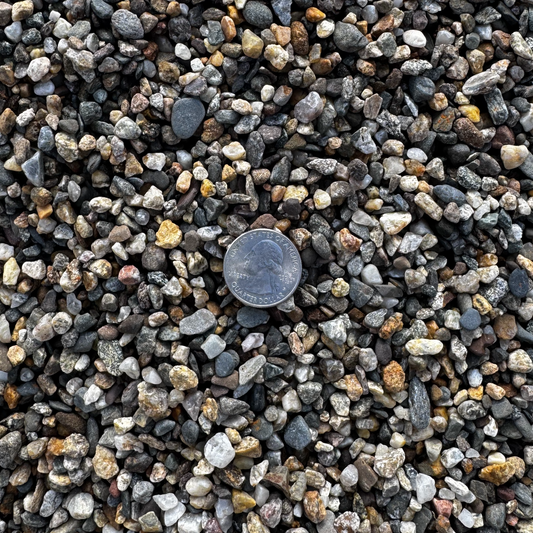
- Stoop / brick walk: Pure mason sand for the last 18 inches before the masonry. Older Medford brick walks scale fast under chloride; sand keeps traction without the damage.
- Sub-15 degree F night: Pre-treat the central drive with calcium chloride 4-8 hours before forecast snow.
For the full chemistry chart and pricing context, see How to Read an Ice Melt Label Step by Step.
Step 4 - Apply at the Right Rate
Per EPA Smart Salting and UMass Extension:
- Snow removal: 1/4 to 1/2 pound per square foot.
- Pre-treatment: 1-2 ounces per square foot.
A typical Medford two-car driveway is roughly 500-600 square feet. One 50-pound bag covers two to three full melting applications. Apply with a hand-broadcast spreader, not a scoop.
Where to Buy
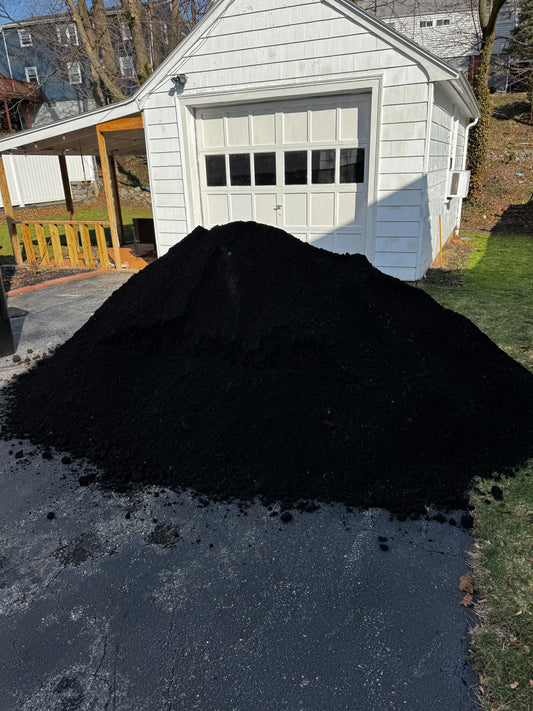
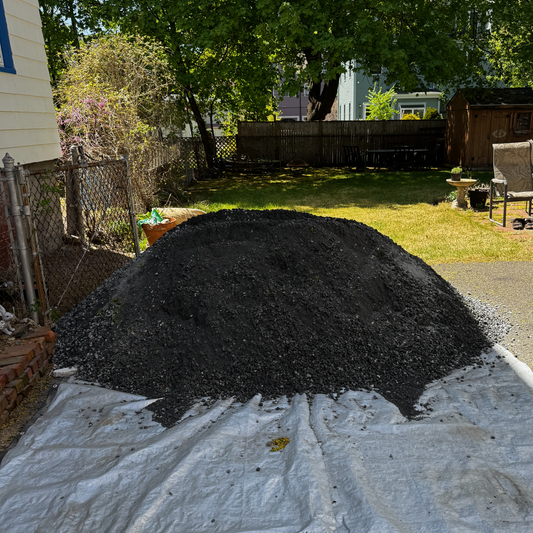
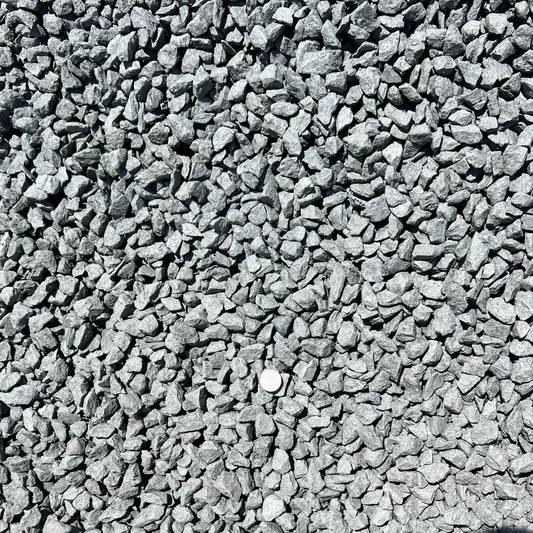
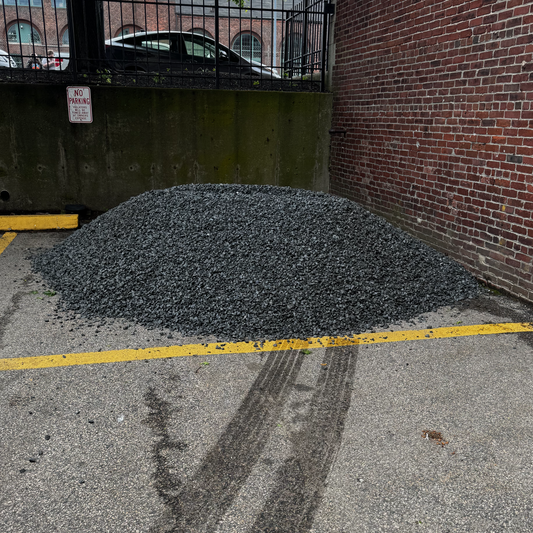
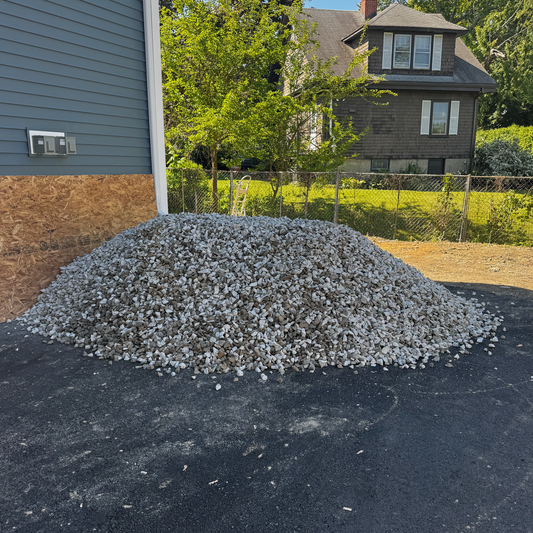
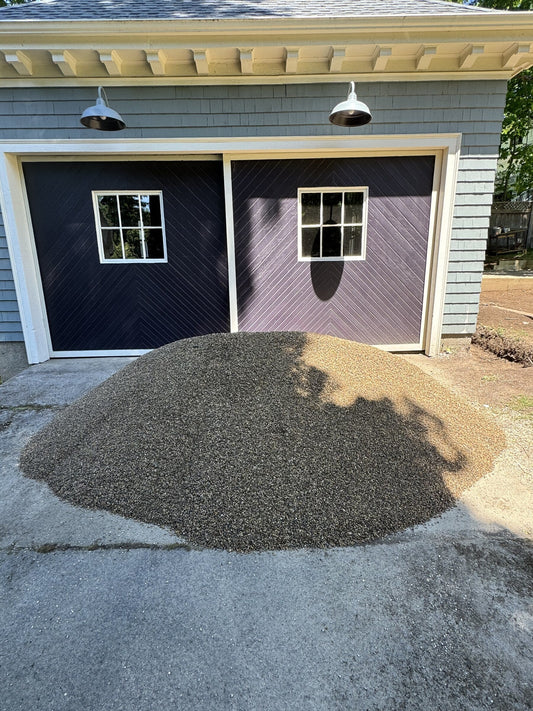
Snow & Ice Management collection carries treated rock salt, untreated rock salt, salt-sand 50/50, and salt-sand 20/80 by the cubic yard. Bulk runs roughly half the per-pound cost of bagged.
For Medford-specific delivery scheduling and pickups, see the Medford landscape supply collection for full local product availability.
For broader Suffolk-and-Middlesex comparison, the 2026 follow-up: 5 Ice Melts Compared for Suffolk County Driveways walks through the same product matchup applied to Boston, Chelsea, and Revere - highly relevant to Medford.
For runoff and over-application impact in the Mystic River watershed, the EPA Smart Salting program is the authoritative source. UMass Extension's Landscape, Nursery & Urban Forestry program covers turf-edge protection.