Quick Answer
The five sidewalk-ice-melt habits that separate Plymouth County yards that stay green from yards that need April patch work: pre-treat 4-8 hours before forecast snow at 1-2 oz per sq ft, use a hand-broadcast spreader instead of scooping, switch to salt-sand 20/80 in the last 18 inches before the lawn, shovel first then spot-treat ice patches, and sweep up residual salt during a thaw. Together they cut chloride use by 30-50% and protect the curb-edge turf in Plymouth, Kingston, Halifax, and Hanover.
#1 - Pre-Treat Before the Snow Arrives
Pre-treatment uses 1-2 ounces per square foot of ice melt on dry pavement, applied 4-8 hours before forecast snow. The chemistry stays in place, and when snow lands, the bottom layer melts on contact instead of bonding to the concrete.
The win in Plymouth County: shovels glide cleaner the next morning, plows scrape closer to the surface, and you spread less salt afterward. Skip pre-treatment if a forecast calls for 12+ inches - the plow sweeps it off before it does any work.
#2 - Use a Hand-Broadcast Spreader, Not a Scoop
Scooping ice melt straight from the bag onto the sidewalk dumps 3-5x recommended rates in localized piles. The piles damage concrete, kill grass, and don't melt faster - chloride doesn't work in clumps. A $25 hand-broadcast spreader meters out a quarter to half pound per square foot evenly across the walk.
For label-reading and the right rate per chemistry, see How to Read an Ice Melt Label Step by Step.
#3 - Salt-Sand 20/80 in the Last 18 Inches Before Lawn
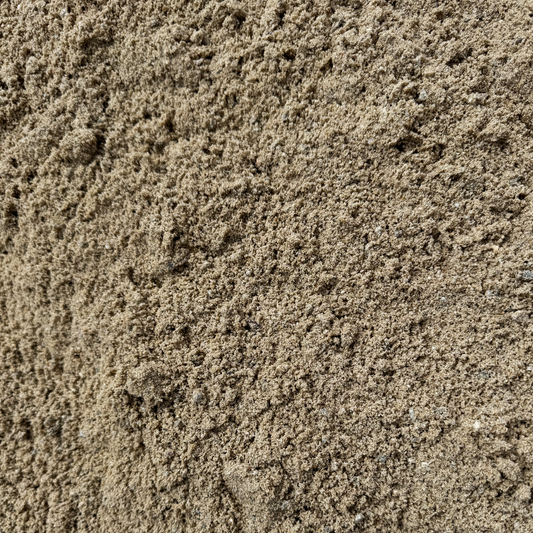
The damage band on a Plymouth County lawn is 6-18 inches in from the curb every April. Switch to Salt-Sand 20/80 (20% salt, 80% mason sand) for the strip closest to grass and beds. One-fifth the chloride load, full traction. UMass Extension turf research shows soil sodium above 4 mmhos/cm electrical conductivity starts killing cool-season grasses; that level is easy to reach with straight rock salt at the curb.
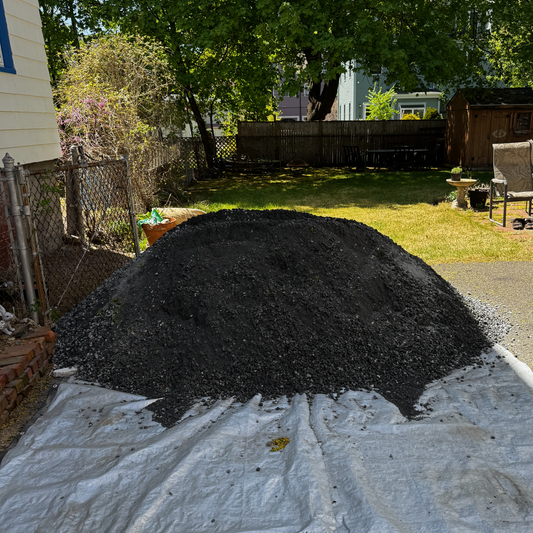
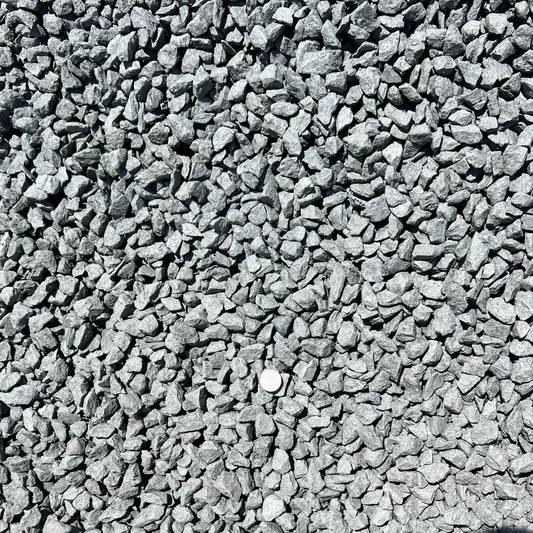
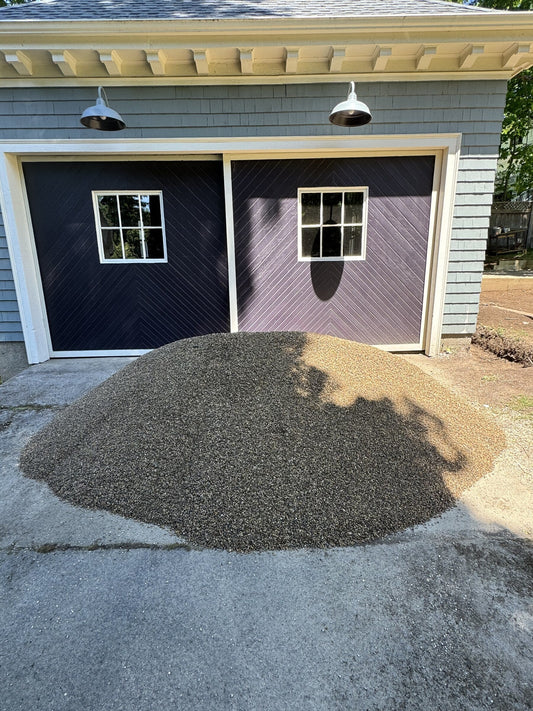
Bulk salt-sand 20/80 is in the Snow & Ice Management collection by the cubic yard. For a deeper look at indoor planning while you're outside salting, see Top 5 Vegetables to Start Indoors This Month in Hyde Park.
#4 - Shovel First, Then Spot-Treat Ice
Ice melt's job is to melt bonded ice, not loose snow. Shovel the walk to bare concrete, then spot-treat the icy patches that didn't lift. You'll use 60-70% less product and won't waste chloride melting snow you could have moved with a shovel.
Hierarchy:
- Shovel snow off.
- Identify ice patches (usually shaded sections, low spots, drip lines).
- Apply 1/4 lb per square foot to the ice only.
- Wait 15-30 minutes; chip the loosened ice with a flat-blade shovel.
#5 - Sweep Up Residual Salt During a Thaw
When mid-winter temps climb above 40 degrees F, the residual salt on dry pavement dissolves into runoff. Sweeping the walk before that thaw recaptures usable salt for the next storm and prevents chloride from running off into Plymouth's coastal wetlands.
Sweep into a 5-gallon bucket. Re-spread on a future storm. Free salt and a cleaner watershed - the South Shore towns sit directly on Cape Cod Bay and the Plymouth-Carver aquifer.
The Plymouth County Stack
A typical Plymouth, Kingston, or Halifax homeowner using all five habits:
- Pre-treats 4-6 storms a season.
- Switches the lawn-edge strip to salt-sand 20/80.
- Spreads with a hand-broadcast tool.
- Shovels first, treats ice second.
- Sweeps during thaws.
Annual chloride use drops from ~150 pounds to ~70-90 pounds. Lawn-edge damage in April becomes a thin yellow line instead of a bare strip. Net seasonal cost: lower.
For the 2026 follow-up on indoor seed starting in Somerville, see how the same households use January for garden planning while they're inside between storms.
For broader application standards and runoff impact, UMass Extension's Landscape, Nursery & Urban Forestry program is the most authoritative MA source.