Quick Answer
Five perennials that bloom reliably their first year in Norfolk County: Coreopsis 'Moonbeam' (lemon-yellow daisies all summer), Salvia 'May Night' (deep-purple spikes May through July), Black-eyed Susan 'Goldsturm' (classic gold daisies July through October), Catmint 'Walker's Low' (lavender-blue spikes May through frost), and Daylily 'Stella d'Oro' (repeat-blooming gold trumpets May through September). All planted now in Norfolk County yards bloom within 6 weeks.
The Year-One Bloom Reality
Most perennials follow the rule "first year sleep, second year creep, third year leap." They establish roots in year one and don't bloom much. Beginner gardeners get discouraged.
The five plants below break that rule. They bloom in their first growing season — sometimes within 4 weeks of planting. Across Norfolk County — Brookline, Newton, Dedham, Wellesley, Needham, Norwood, Sharon — these are the perennials that make a new bed look established by July.
For the broader native-pollinator angle, see Native Pollinator Plants for a Norfolk Yard. For drought-tolerant picks for a south-facing exposure, see 5 Drought-Tolerant Perennials for a Belmont South-Facing Bed.
How to Plant for Year-One Success
All five share the same planting requirements:
- Hole depth: match the nursery pot depth, no deeper
- Hole width: twice the pot diameter
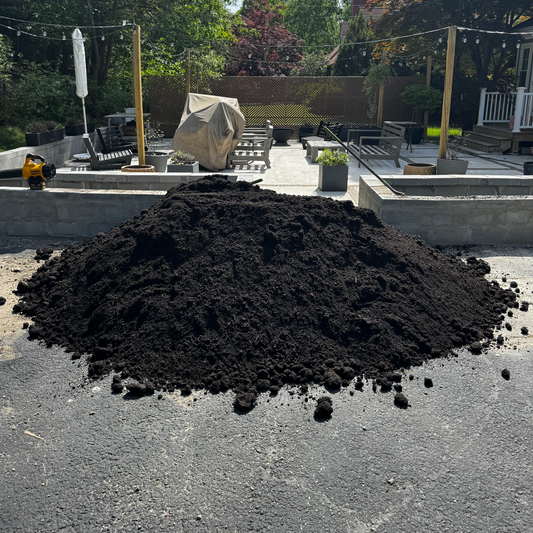
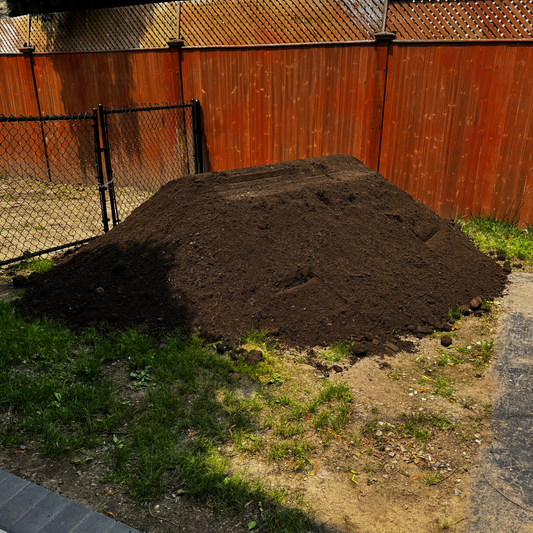
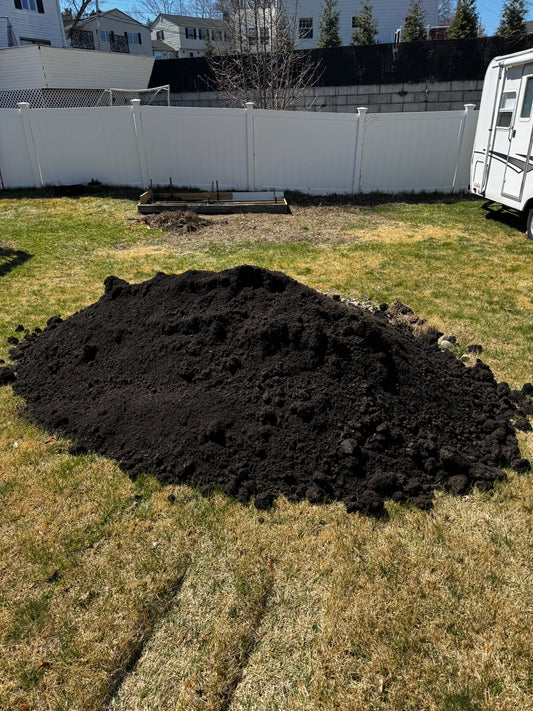
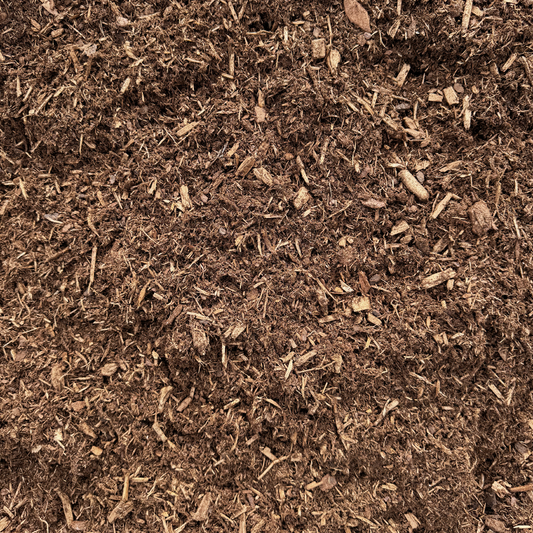
- Soil: screened loam + 1/3 screened compost backfill
- Water: deep watering at planting, then 1" per week for 6 weeks
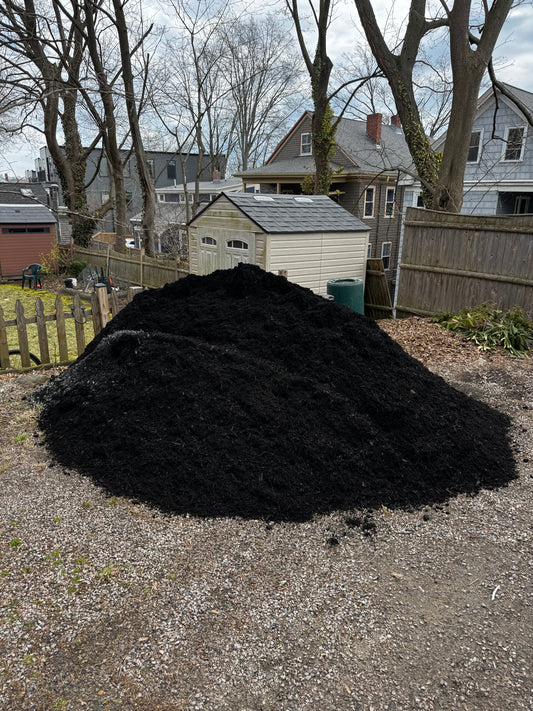
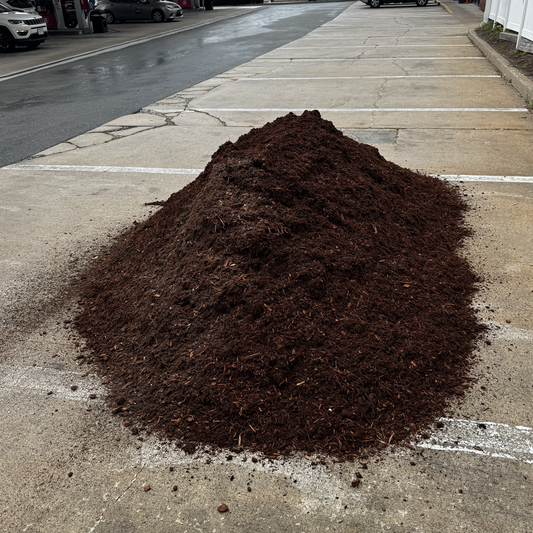
- Mulch: 2 inches around (not touching) the crown
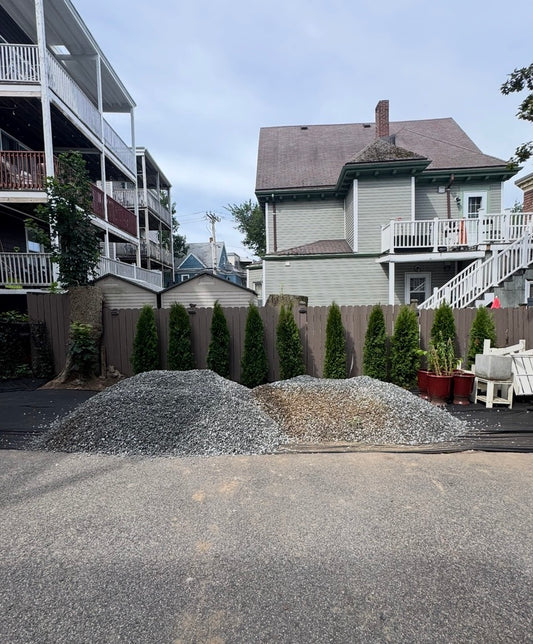
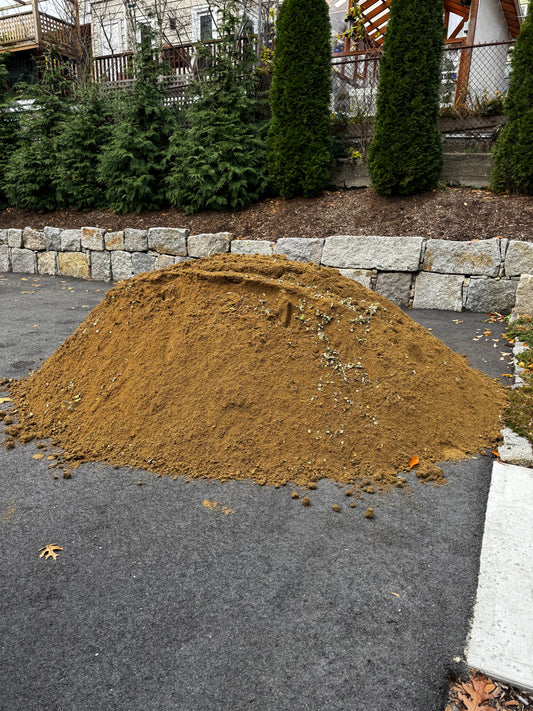
Browse the plant establishment and tree planting collection for loam, compost, and mulch in bag or small-volume bulk.
For watering math through the first 6 weeks, see How Often Should I Water New Plantings in May? A Middlesex County Q&A. The same schedule applies to Norfolk County.
1. Coreopsis 'Moonbeam' (Lemon-Yellow Daisies, May–October)
The reliable workhorse. 18–24" tall, 18" wide, full sun. Soft lemon-yellow daisies bloom continuously from late May through hard frost.
Why year-one bloom: Coreopsis is genetically programmed to flower on the year's new growth. Plant a 1-gallon nursery pot in May, and you'll have flowers by mid-June.
Norfolk County placement: Front-of-border, full-sun edges, anywhere you need a long-running yellow accent. Pairs with salvia and catmint for a classic cottage-style mix.
2. Salvia 'May Night' (Deep-Purple Spikes, May–July)
The Proven Winners staple. 18" tall, 18" wide, full sun. Deep-violet flower spikes bloom from late May through mid-July.
Why year-one bloom: Salvia 'May Night' (a nepetoides x sylvestris cross) is bred for first-year flowering. The 2018 Perennial Plant Association Plant of the Year for good reason.
Norfolk County placement: Mid-border in full-sun beds. Cut back spent spikes for a second bloom in August. Hummingbirds love it.
For native salvia alternatives, the Native Plant Trust lists Salvia lyrata as a MA native option that performs similarly.
3. Black-eyed Susan 'Goldsturm' (Gold Daisies, July–October)
The Massachusetts classic. 24–30" tall, 24" wide, full sun. Bright gold daisies with dark centers bloom July through hard frost.
Why year-one bloom: 'Goldsturm' is a vegetatively-propagated cultivar that's mature at sale — 1-gallon pots have full root systems and flower the first season.
Norfolk County placement: Mid-to-back border, full sun. Naturalizes — spreads via rhizomes and seed. Combines well with ornamental grasses for late-summer interest.
For MA Audubon's bird-friendly garden guidance, Black-eyed Susan is on the recommended list for goldfinches who eat the late-season seed heads.
4. Catmint 'Walker's Low' (Lavender-Blue Spikes, May–October)
The all-summer flowering ground cover. 24–30" tall, 36" wide, full sun. Lavender-blue spikes bloom from late May through frost with one mid-summer shear.
Why year-one bloom: Walker's Low is a sterile hybrid bred for continuous flowering. No deadheading required — just one shear in mid-July to refresh.
Norfolk County placement: Front-of-border, full sun, mass plantings. Loves heat and drought. Bees and butterflies cover it from May through September.
For the catmint mass-planting look at scale, see the natives piece linked above.
5. Daylily 'Stella d'Oro' (Gold Trumpets, May–September)
The repeat-bloomer. 12" tall, 18" wide, full to partial sun. Gold trumpet flowers in flushes from May through September.
Why year-one bloom: 'Stella d'Oro' is the original reblooming daylily, bred specifically for season-long flowering. 1-gallon nursery pots bloom within 3 weeks of planting.
Norfolk County placement: Front-of-border, mass plantings, slope plantings. Very low maintenance — deadhead spent flowers if you want it tidy; otherwise leave it.
For the tomato-staking technique that scales to heavy daylily clumps, see How to Stake Tomatoes and Heavy Annuals in a Quincy Backyard — daylilies in fertile soil sometimes flop and benefit from a hidden ring stake.
The Mass-Planting Formula for a New Norfolk Border
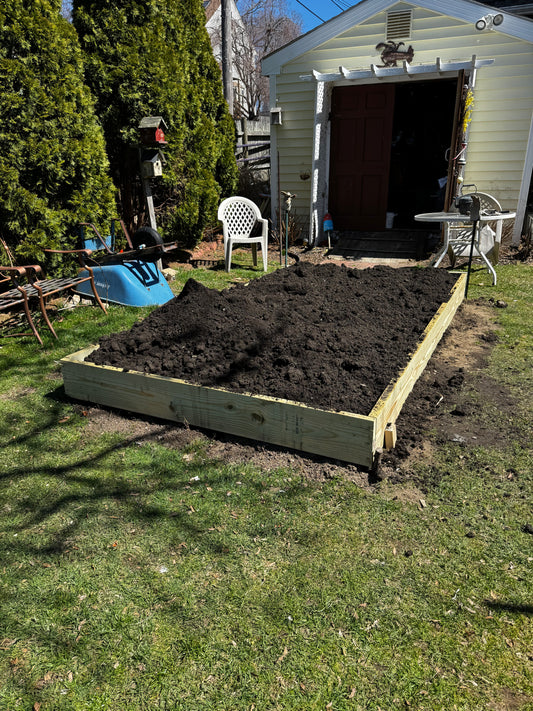
For a fresh 8x4 foot perennial border:
- 3 Coreopsis 'Moonbeam' at the front
- 3 Catmint 'Walker's Low' behind the coreopsis
- 3 Salvia 'May Night' in the middle
- 3 Daylily 'Stella d'Oro' scattered
- 3 Black-eyed Susan 'Goldsturm' at the back
15 plants, 32 square feet, blooms from late May through hard frost. Total job: 2 hours, one cubic foot of compost, and a 1.5 cubic-foot bag of mulch.
For Mother's Day gift framing of a year-one perennial garden, see Happy Mother's Day from Ottr Landscape Supply — a planted border with the five above is one of the best garden gifts available.
What This Means for You
Five plants, year-one bloom, Norfolk County conditions. Order through the Norfolk County landscape supply routes — Ottr delivers compost, mulch, and screened loam for the bed prep in small quantities.