Quick Answer
Five drought-tolerant perennials for a Belmont south-facing bed: Russian Sage (silver foliage, lavender-blue spikes, 4 ft tall), Sedum 'Autumn Joy' (succulent foliage, pink-bronze flower heads), Lavender 'Munstead' (English lavender hardy to MA, fragrant purple spikes), Yarrow 'Moonshine' (ferny foliage, pale-yellow flat flower clusters), and Butterfly Weed (native orange Asclepias, pollinator anchor). All survive Belmont summer heat with watering only every 7–10 days once established.
The Belmont South-Facing Bed Reality
A Belmont south-facing bed — Pleasant Street, Trapelo Road, the hill neighborhoods — bakes from 10 a.m. to 6 p.m. May through September. Standard perennials (hostas, astilbe, coral bells) wilt by July and look terrible by August. The bed needs plants that thrive in dry, hot conditions.
The five below are tested in eastern MA, drought-tolerant once established (after the first season), and bloom in succession from May through frost. None require staking. All have low water needs in mid-summer.
For the year-one-bloom angle for new beds, see 5 Perennials That Bloom Reliably Year One in Norfolk County. For the partial-shade alternative, see Native Pollinator Plants for a Norfolk Yard.
How to Plant a Drought-Tolerant Bed
All five share planting requirements:
- Full sun — minimum 6 hours direct
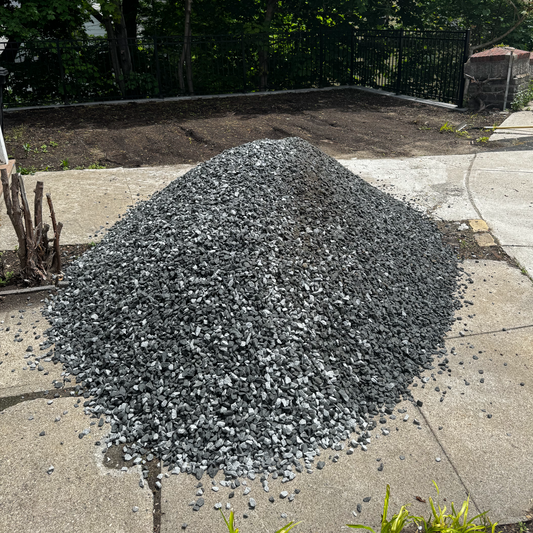
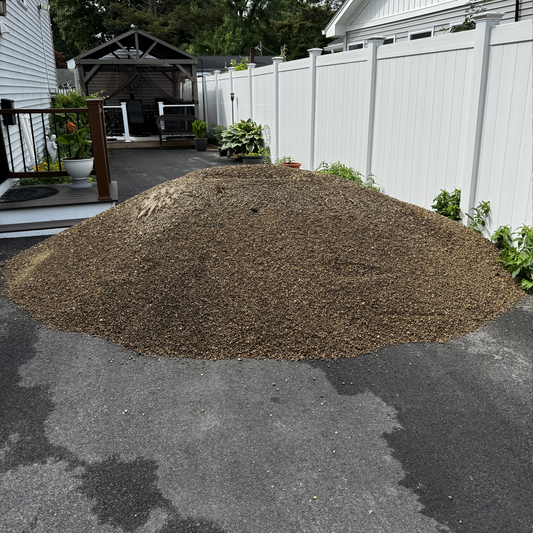
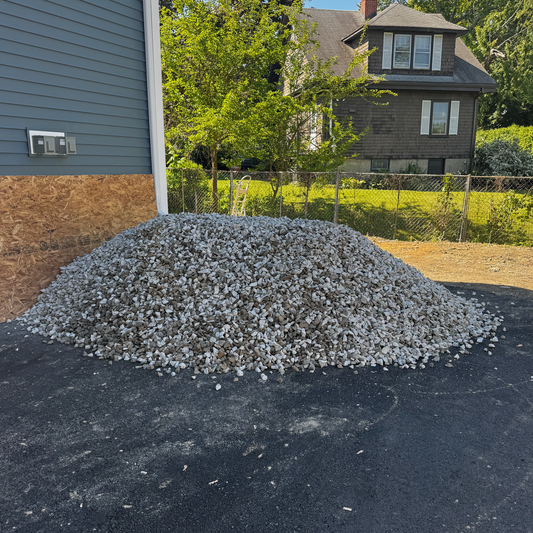
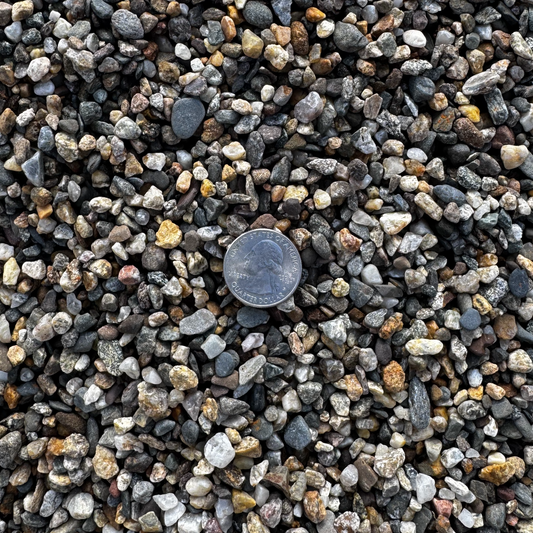
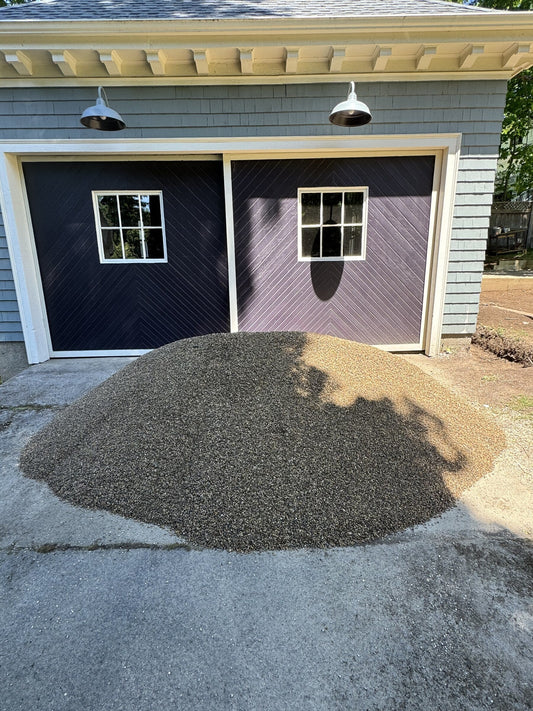
- Well-drained soil — amend Belmont's clay-loam with 1/3 coarse sand or pea stone at planting
- No supplemental watering after year one — water deeply at planting and weekly for the first season; then they survive on rainfall
- No mulch piled against stems — 2 inches around, open ring at the crown
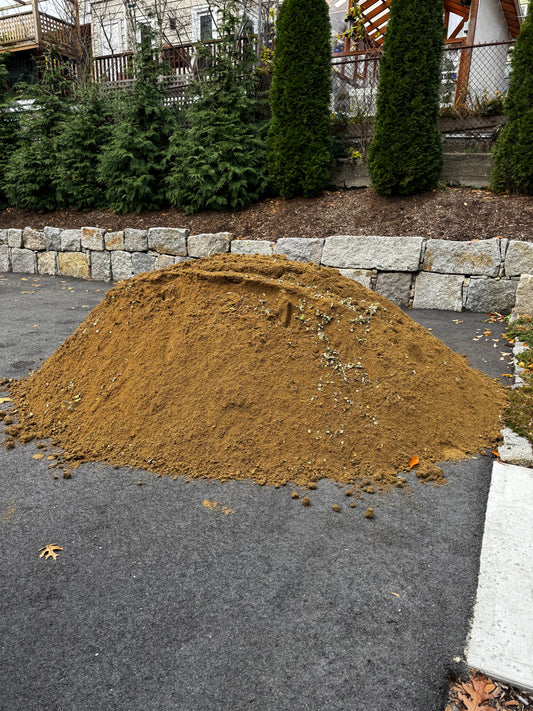
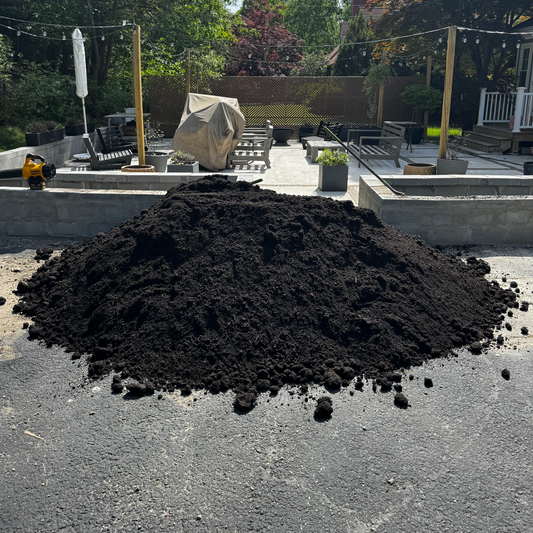
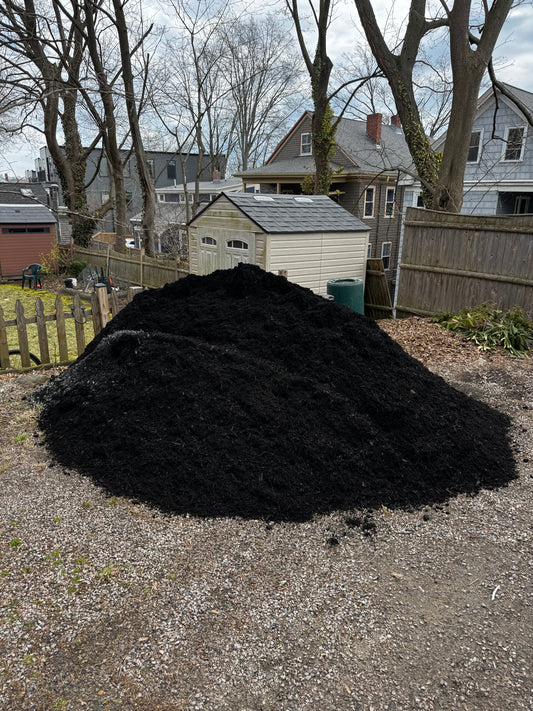
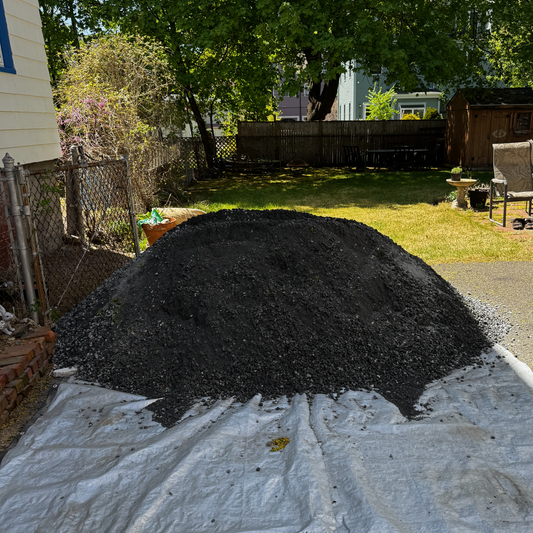
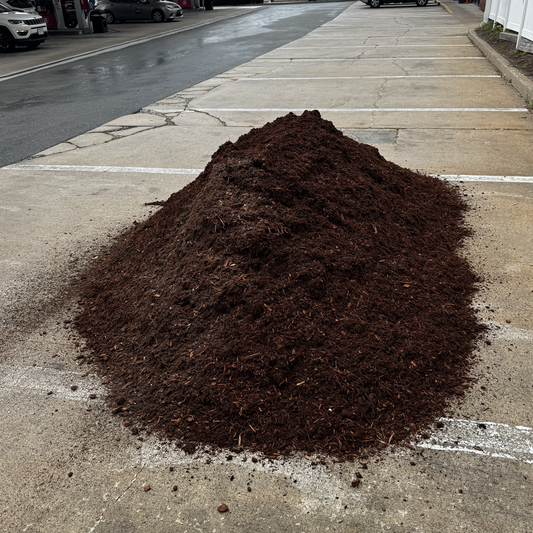
Browse the plant establishment collection for compost, coarse sand, and mulch. For Belmont's clay-loam soils, the Native Plant Trust "Go Botany" plant database confirms hardiness and exposure preferences.
1. Russian Sage (Perovskia atriplicifolia)
The architectural star. 4 ft tall, 3 ft wide, full sun. Silver-grey foliage, lavender-blue flower spikes from July through September.
Why drought-tolerant: Russian sage evolved on dry steppe; deep root system; minimal leaf surface for water loss.
Belmont placement: Back-of-border anchor. Plant 3 in a triangle for a visual cluster. Cut back to 6 inches in early spring. Pairs with ornamental grasses and rudbeckia for late-summer interest.
2. Sedum 'Autumn Joy'
The reliable backbone. 24" tall, 18" wide, full sun. Succulent grey-green foliage from May; pink flower heads in August, bronzing through October.
Why drought-tolerant: Sedum stores water in succulent leaves; drought-evolved on rocky soils.
Belmont placement: Mid-border anchor. Mass-plant in groups of 3–5. Don't deadhead — the dried flower heads stand through winter and look beautiful with frost. Cut back to 4 inches in early spring.
3. Lavender 'Munstead' (English Lavender, MA-Hardy)
The fragrance plant. 18" tall, 18" wide, full sun. Silver foliage, lavender spikes from late June through July.
Why drought-tolerant: Mediterranean origin; needs dry feet (root rot from over-watering is the #1 lavender killer).
Belmont placement: Front-of-border, full sun, sharp drainage. Amend Belmont clay with pea stone or coarse sand at planting. Prune back by 1/3 in early spring; never cut into old wood.
For pairing with herb pots, see 5 Container-Garden Combos for a Brookline Front Porch in May.
4. Yarrow 'Moonshine'
The wildflower-pretty pick. 24" tall, 18" wide, full sun. Ferny grey-green foliage, pale-yellow flat-topped flowers from June through September.
Why drought-tolerant: Yarrow is a native of dry meadows; spreads via shallow rhizomes; drought-deepens roots once established.
Belmont placement: Mid-border, mass plantings. 'Moonshine' is a non-aggressive hybrid (won't take over the bed like some yarrow species). Deadhead spent flowers for repeat bloom. The MA Audubon lists yarrow as a beneficial-insect attractor.
5. Butterfly Weed (Asclepias tuberosa)
The native pollinator anchor. 24" tall, 18" wide, full sun. Bright orange flat-topped flower clusters June through August.
Why drought-tolerant: Native MA prairie plant; deep taproot; minimal leaf area.
Belmont placement: Mid-border, full sun, scattered through the bed (3–5 plants). Host plant for monarch butterflies — they lay eggs only on milkweed-family plants. Don't move once planted; the taproot is deep and transplant-shock is high.
For the broader native-pollinator picture, see Native Pollinator Plants for a Norfolk Yard.
The Mass-Planting Formula for a 10x4 South-Facing Belmont Bed
For 40 sq ft of full-sun, drought-tolerant garden:
- 3 Russian Sage at the back
- 5 Sedum 'Autumn Joy' mid-border
- 3 Lavender 'Munstead' at the front (sharp drainage required)
- 5 Yarrow 'Moonshine' scattered mid-border
- 3 Butterfly Weed scattered (don't move them later)
19 plants total. Plant on a Sunday in May; water deeply once a week for year one; back off to rainfall-only in year two. By July of year two, the bed is in full mid-summer bloom and needs almost no attention.
For watering year-one before drought-tolerance kicks in, see How Often Should I Water New Plantings in May? A Middlesex County Q&A. For drip irrigation that automates year-one watering, see How to Set Up a Drip-Irrigation Run for Watertown Foundation Beds.
Memorial Day Eve Garden Party Pairings
For the Belmont yard hosting a Memorial Day eve garden party, the five above are mid-bloom and pair well with annual containers. See 5 Memorial Day Eve Yard Touches for a Newton Garden Party for the hosting-prep version.
What This Means for You
Five plants, one south-facing Belmont bed, almost no watering after year one. Order soil amendments through the Belmont landscape supply routes — Ottr delivers coarse sand, pea stone (for lavender drainage), compost, and mulch in small bag sizes.