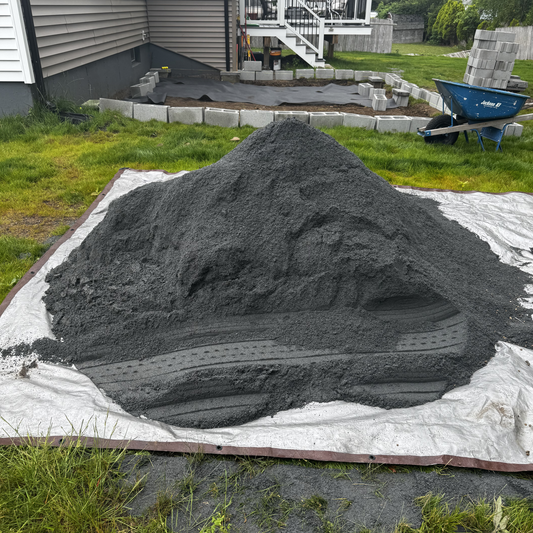
East Boston winters come in off the harbor. Wind across Logan and Constitution Beach drives cold into the streets around Orient Heights, Jeffries Point, and Eagle Hill, and a wet snow can freeze hard by morning. Row houses and triple-deckers front narrow sidewalks with little room to store anything, while shops and restaurants along Meridian Street and Bennington Street need entrances safe from opening to close. The right material for each spot is the difference between a clear walk and wasted salt. This Q&A covers all five bulk winter materials Ottr delivers and when each one makes sense.
Which ice melt should an East Boston homeowner use?
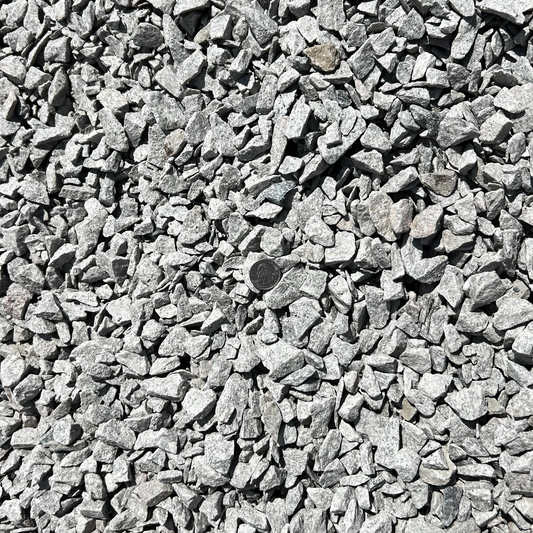
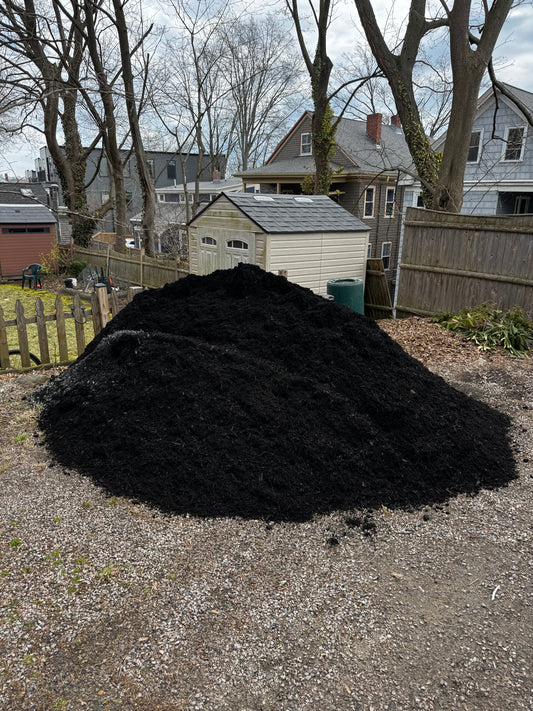
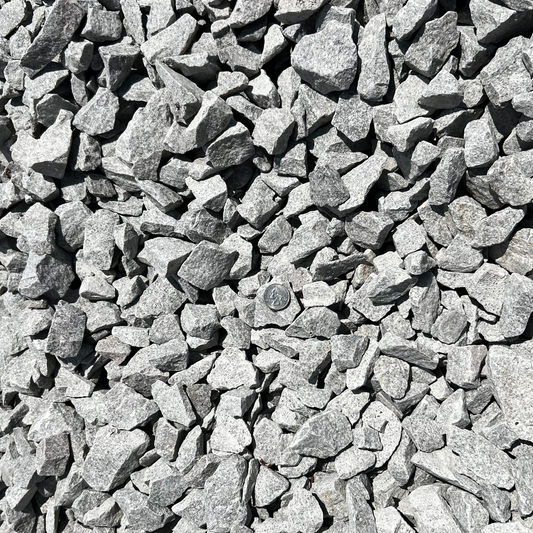
For most row house and triple-decker sidewalks, Rock Salt (Untreated) is the starting point. It is straight sodium chloride with no additives, also called halite, road salt, or white salt. It works well above roughly 20°F, and many harbor-side storms land in that range. A typical 600 sq ft residential driveway or walkway area uses roughly 25–40 lbs per storm, and about a half-ton stockpiled covers most homeowners through a normal winter.
If your steps face north or sit in shade all day, keep some traction material too. Salt slows down as it gets colder, and shaded stoops refreeze first.
When is treated rock salt worth it?
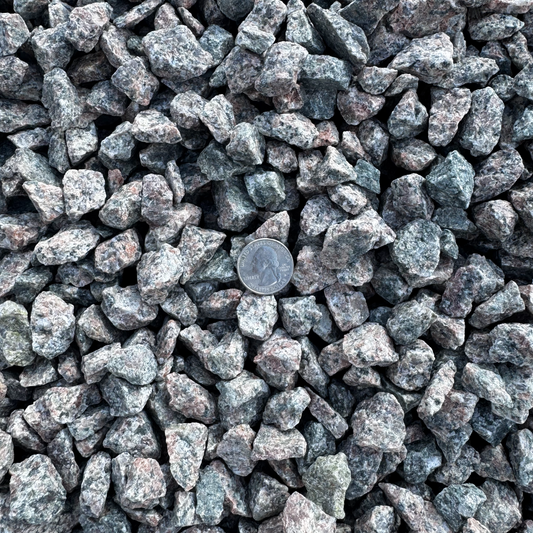
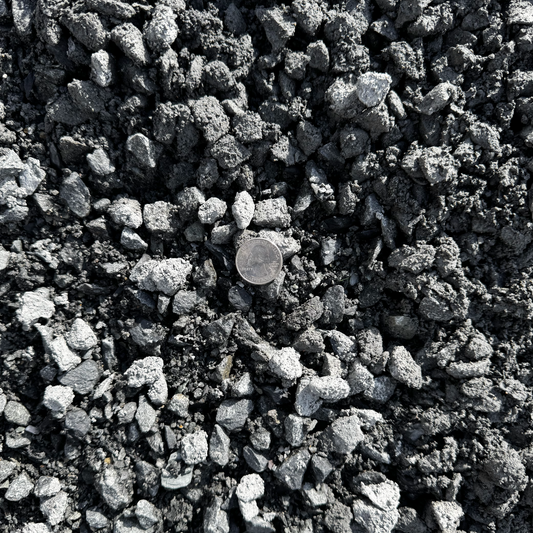
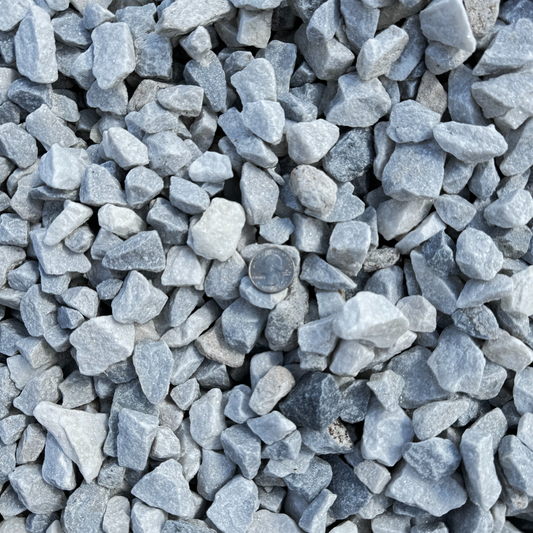
Rock Salt (Treated) is sodium chloride pre-coated with magnesium chloride, and it keeps melting down to roughly -15°F. Untreated salt loses effectiveness below 20°F and essentially stops below about 15°F, so treated salt is the material for cold snaps, harbor-wind nights, and business entrances that cannot wait for a thaw. The blue-green tint shows where it has been spread, which helps when more than one person handles the walk.
A 10,000 sq ft lot uses about 0.3 tons per application. The magnesium chloride coating attracts water, so covered storage matters even more than with plain salt. Treated salt tends to sell out first in deep-cold years, so stockpile it early.
Should an East Boston business use salt or salt and sand?
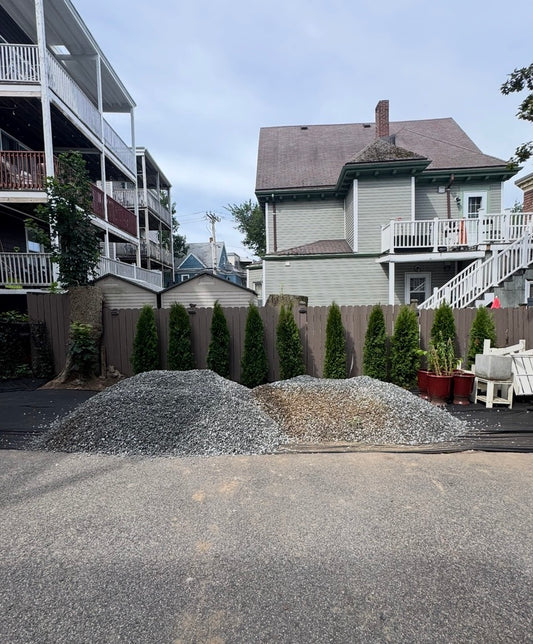
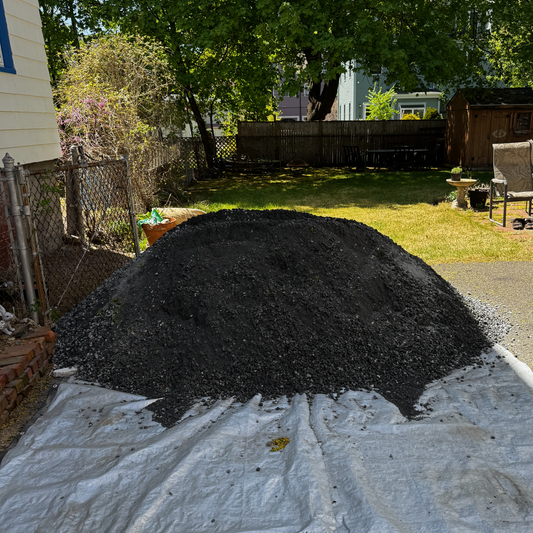
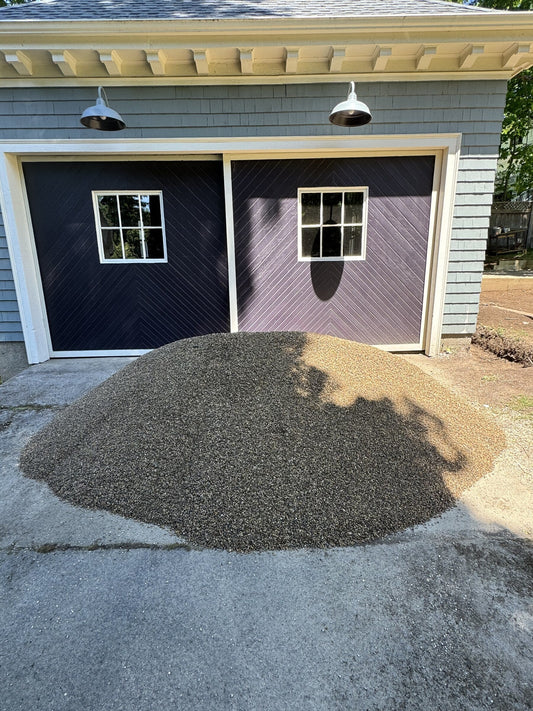
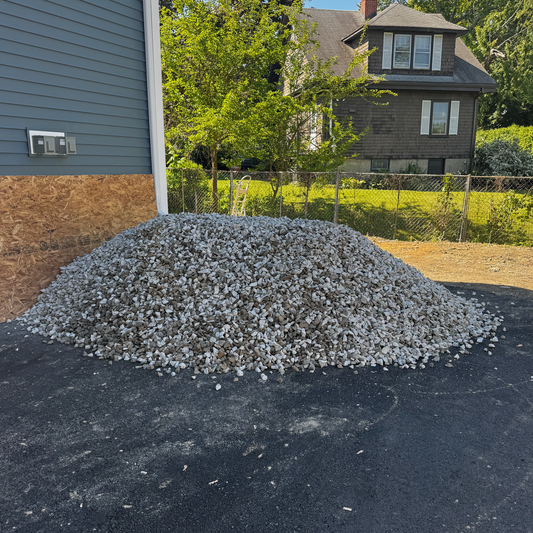
It depends on the surface. Salt & Sand 50/50 is half rock salt and half coarse sand by volume, about 2,600 lbs per cubic yard. It gives melt plus traction, and many owners treat it as the one bin that handles most storms. That suits parking areas behind storefronts, wide sidewalks, and loading zones. A 10,000 sq ft lot uses about 1–1.5 cubic yards per storm, and a season commonly runs 6–12 yards.
For a single storefront on Meridian or Bennington with a short stretch of sidewalk and a step at the door, treated salt at the entrance plus untreated salt on the walk is often simpler than stocking sand. Sand tracks inside, which matters for restaurants and retail floors.
Which material is best for steps, ramps, and hills?
Salt & Sand 20/80 is 20 parts rock salt to 80 parts coarse sand by volume, about 2,500 lbs per cubic yard. It is traction-first with a light melt, built for ramps, accessible paths, steep stoops, and the hills that climb toward Eagle Hill and Orient Heights. Plan roughly 1.5–2 cubic yards per application on a 10,000 sq ft area, and 5–10 yards stockpiled for a typical small commercial property. The sand stays on the surface, so plan a spring sweep.
When should you use only Coarse Sand?
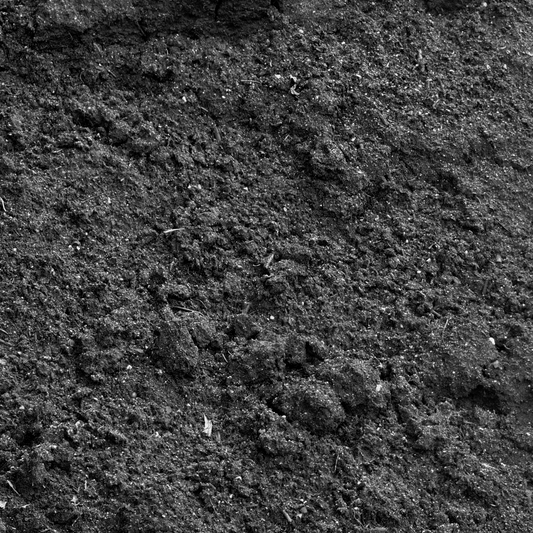
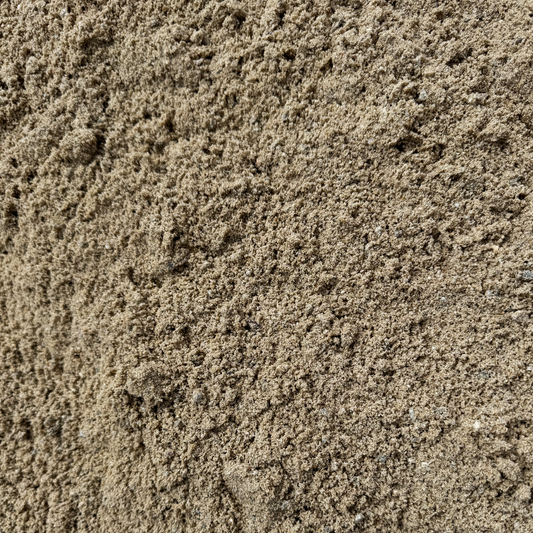
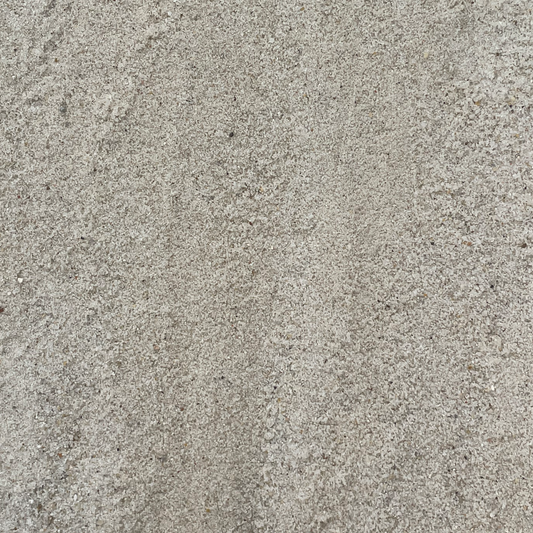
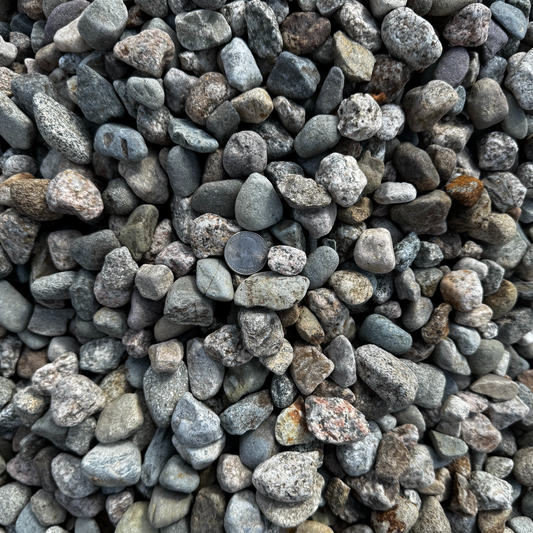
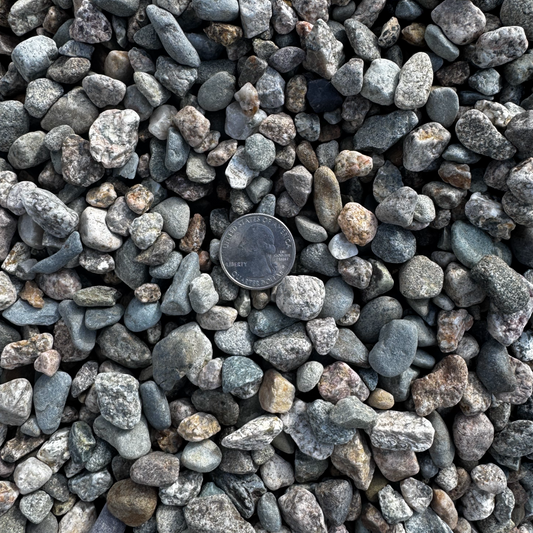
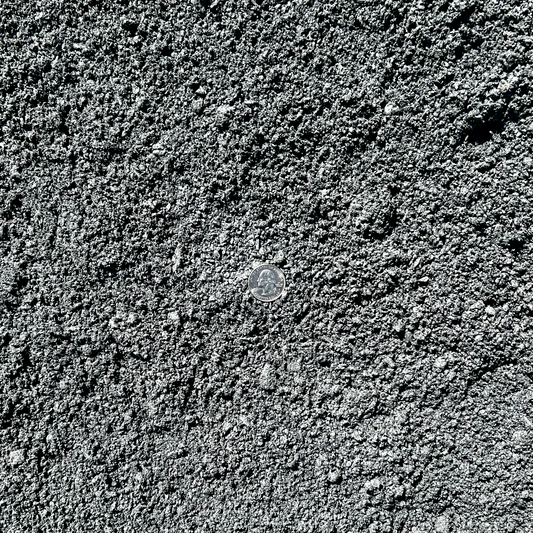
Coarse Sand is washed, coarse-grain sand that gives traction at any temperature with no melt. Use it on concrete poured within the last year, where chloride salts should be avoided that first winter. Use it next to tree pits, planters, and small front gardens, where salt in spring runoff can burn plants. It also blends with rock salt if you want a custom mix. About 1–2 cubic yards stockpiled covers winter traction for a typical 50 ft driveway. Browse the sand collection for details.
How do the five East Boston winter materials compare?
| Material | Works down to | Best use in East Boston |
|---|---|---|
| Rock Salt (Untreated) | About 20°F, stops near 15°F | Row house sidewalks on mild storm days |
| Rock Salt (Treated) | About -15°F | Business entrances, cold snaps, shaded steps |
| Salt & Sand 50/50 | Salt portion near 20°F; sand any temperature | Lots, loading zones, wide sidewalks |
| Salt & Sand 20/80 | Light melt; sand any temperature | Ramps, hills, steep stoops |
| Coarse Sand | No melt; traction at any temperature | New concrete, tree pits, planters |
Where do you store bulk salt with no yard?
Storage is the real East Boston challenge. Keep salt dry, covered, and off the ground on a pad or pallet, away from storm drains and plantings. A lidded bin by the back stairs, or a tarp over a small pile against a wall, works for small amounts. Salt absorbs moisture and can clump, but clumped salt still works once broken up. Keeping it away from drains matters near the harbor; the EPA Southeast New England Program covers how road salt reaches local water.
How do bulk deliveries work on narrow East Boston streets?
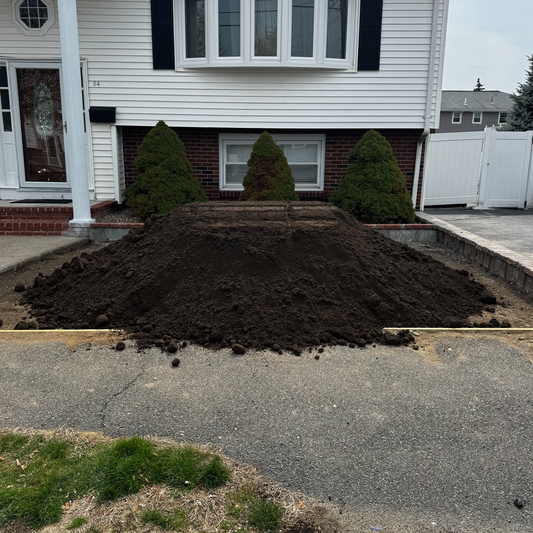
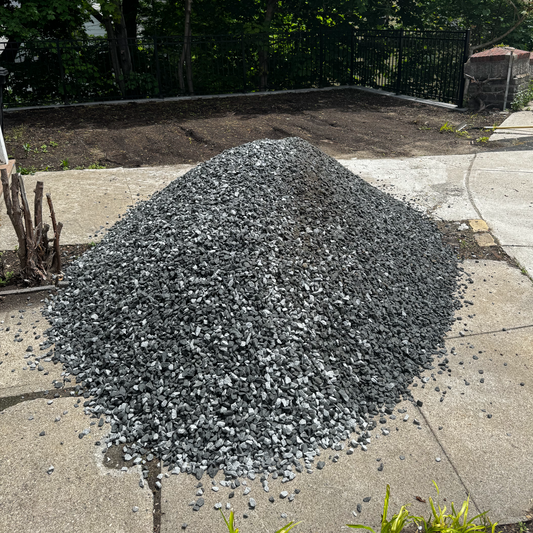
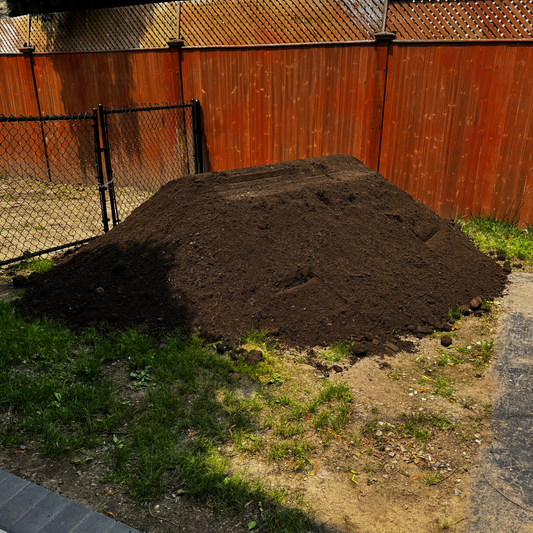
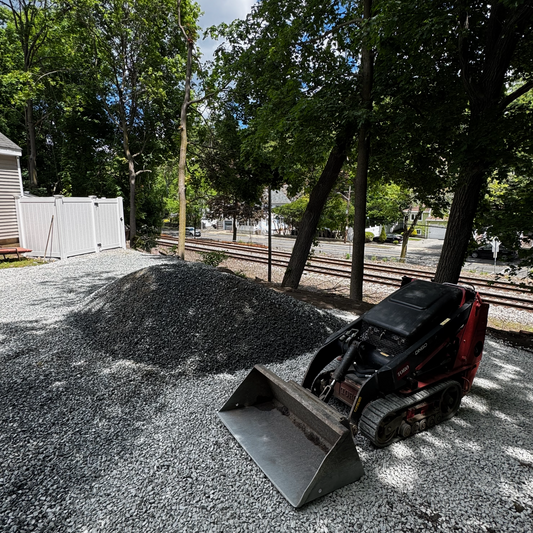
The minimum order is 1 cubic yard. Salt and salt-sand loads carry up to 6 cubic yards, and each material is its own load with its own delivery fee. Pricing is on each product page, and the delivery fee for your ZIP shows at checkout. Drops are curbside or on the driveway by default. The truck needs about 13.5 feet of overhead clearance and 10 feet of width, and it cannot dump over fences, so mention tight streets or low wires when you order. Ottr delivers only and does not spread or plow. Contractor accounts can set up recurring winter orders through sales@ottrsupply.com.
Boston expects sidewalks cleared after a storm; check the city's current snow removal rules. For a broader plan, read our Suffolk County snow and ice management guide or the treated vs. untreated salt comparison. Shop the full salt and ice melt collection or visit our East Boston delivery page.
Frequently asked questions
Is rock salt safe for dogs?
It can irritate paws. Wipe paws after walks.
Will salt hurt my front garden?
Spring runoff can burn edges. Shovel first, spread lightly, and use sand near plants.
When should I order winter salt?
September or October, ahead of the first-storm rush.
Does clumped salt still work?
Yes. Break it up and spread as usual.
Have a question about a winter order? Call or text (617) 645-0987.