Truro lots sit on some of the sandiest ground in Massachusetts. Drives wind through pitch pine and scrub oak off Route 6 and the back roads toward the bay and the ocean side, and many were built by spreading a little gravel straight onto native sand. Clean sand drains well but has nothing to bind it, so tires push it aside and ruts deepen with every rain. Fixing them in late September matters, because a rut that holds water in fall becomes a rut full of ice in January.
Why do sandy Truro driveways rut so fast?
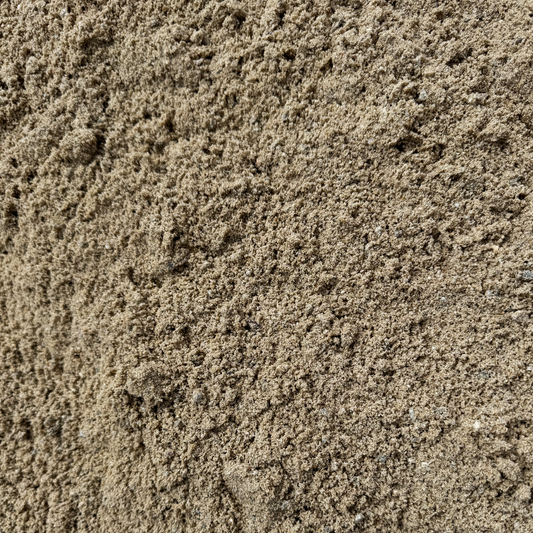
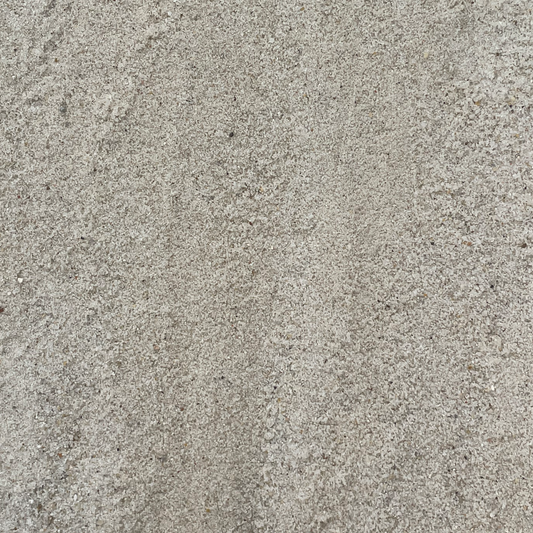
Ruts form when the surface cannot carry a tire's weight. Native Cape sand is mostly round, uniform grains with very few fines, so it shifts under load instead of packing tight. Rounded stone such as pea stone behaves the same way and migrates without edging. What a sandy drive needs is a material with fines, which fill the gaps between angular pieces and compact into a firm layer.
Which gravel fixes ruts over sand?
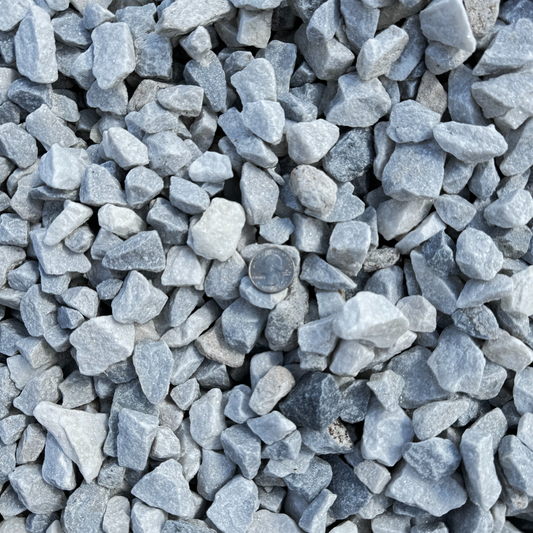
| Material | Fines? | Role on a Truro drive |
|---|---|---|
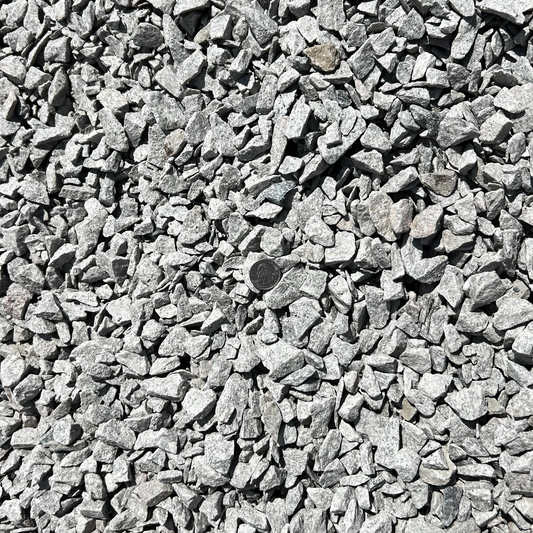
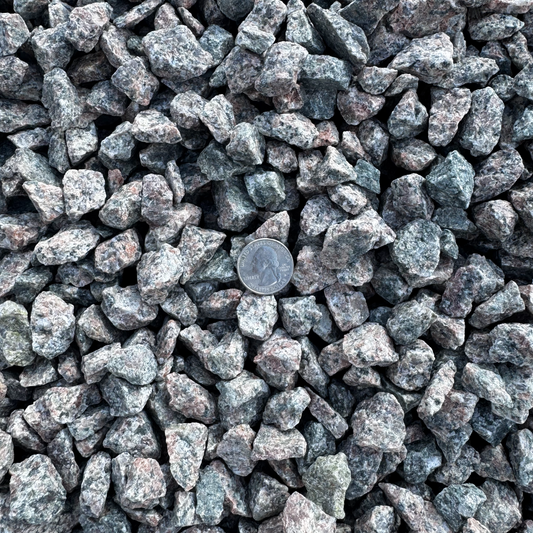
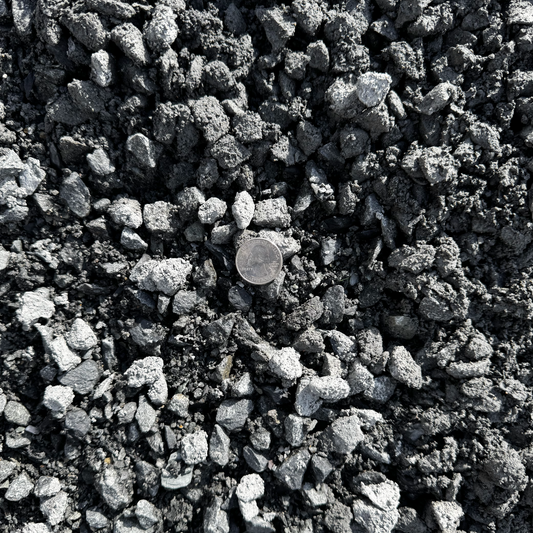
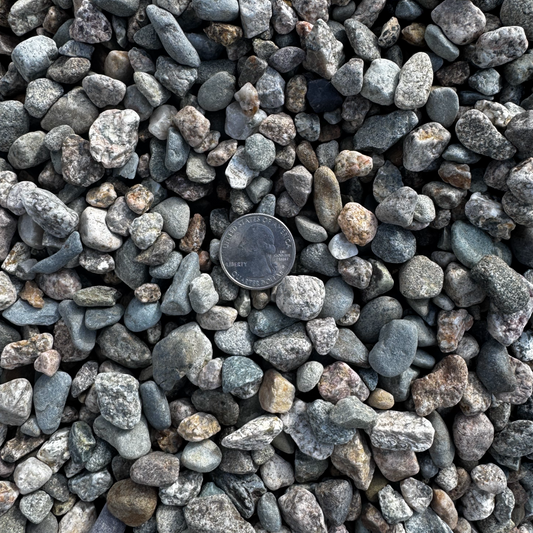
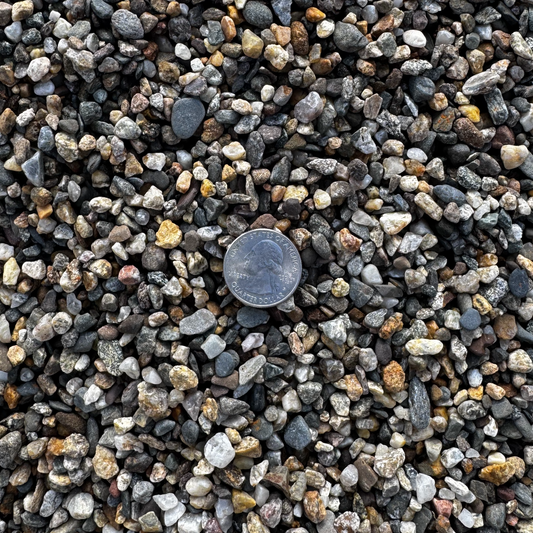
| Dense Pack ¾" to minus | Yes | Rut fill and wearing course; compacts hard |
| #610 Stone | Yes | Dense-graded base for deeper rebuilds |
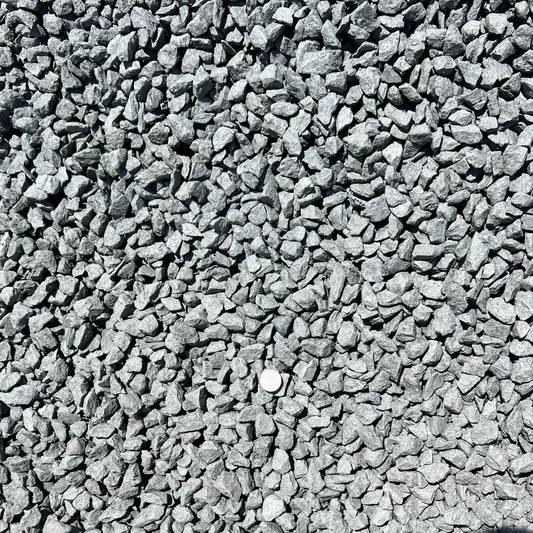
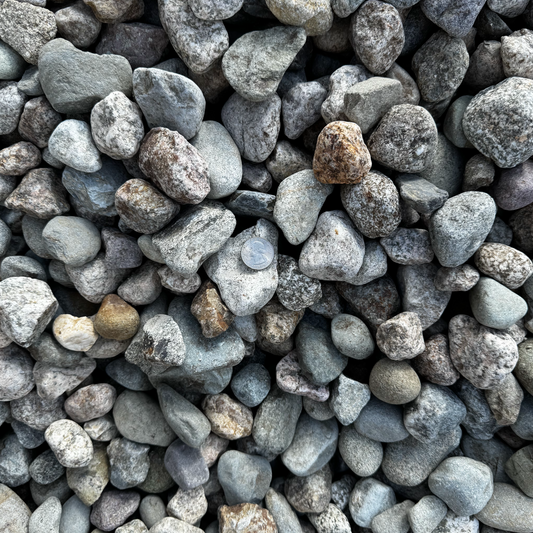
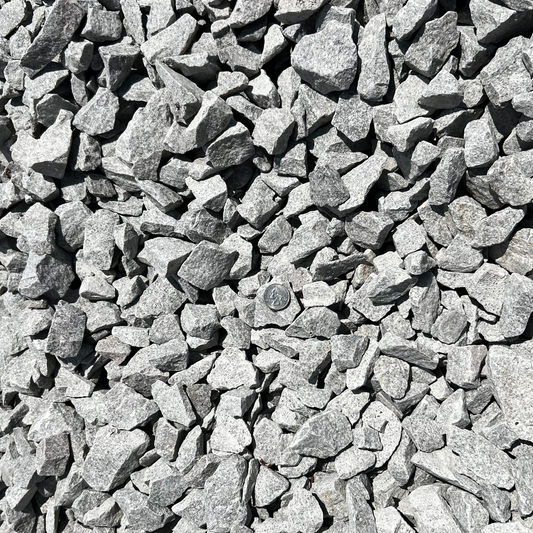
| #57 Stone | No | Drainage only; not a driving surface over sand |
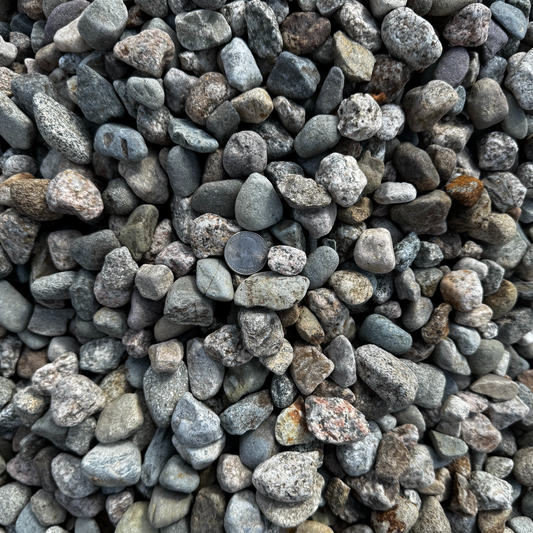
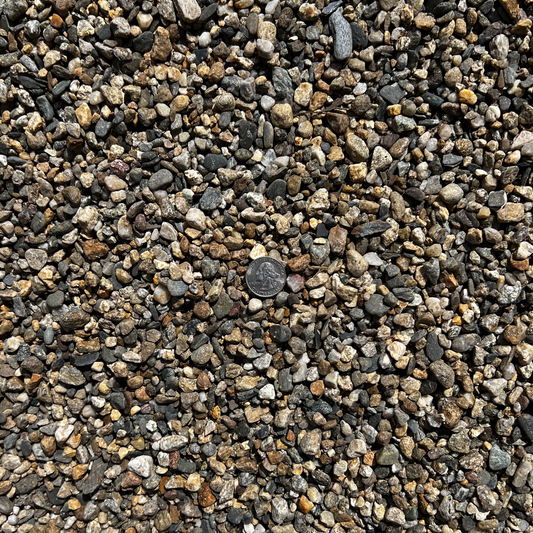
| Riverbed ⅜" Pea Stone | No | Decorative; rolls and ruts on sandy drives |
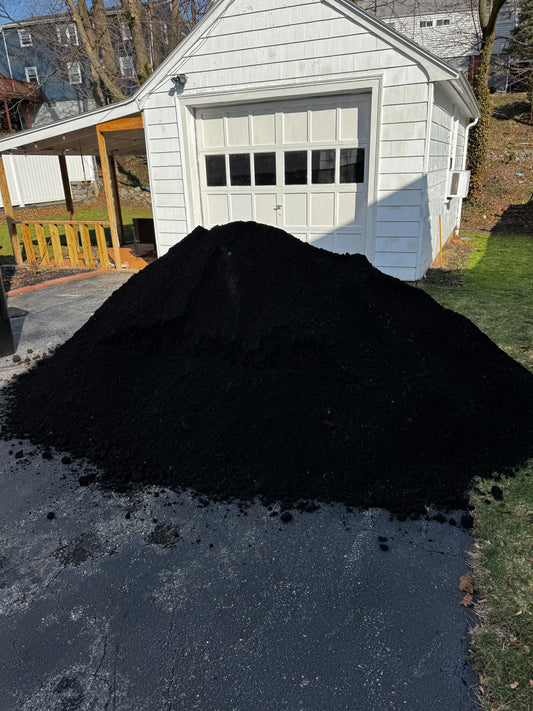
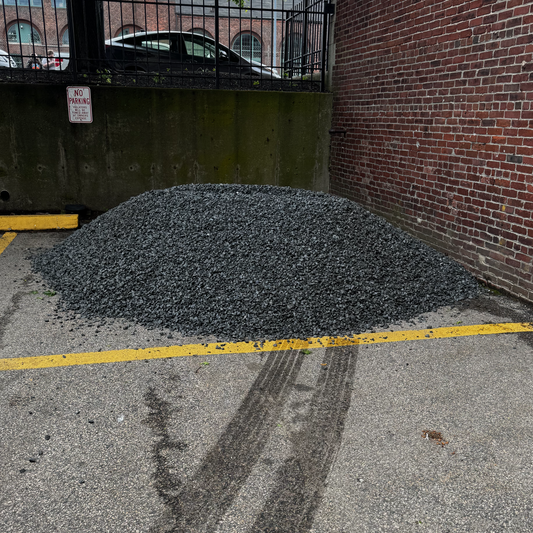
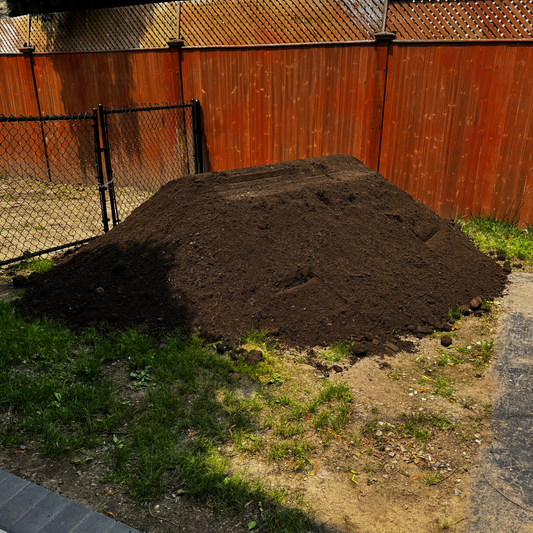
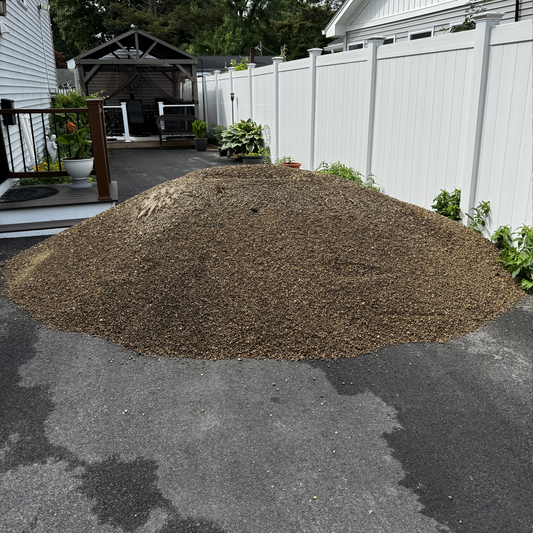
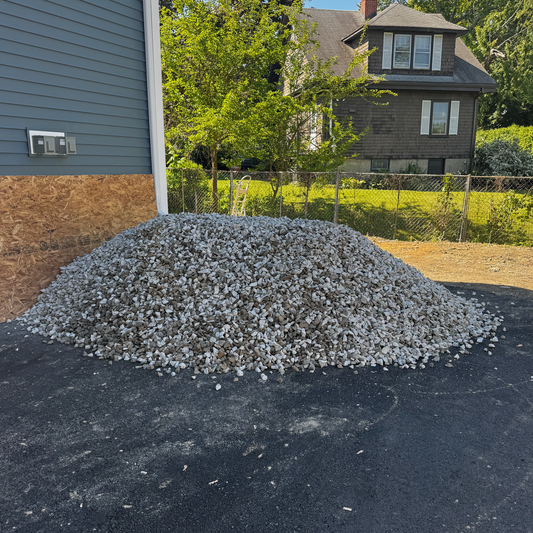
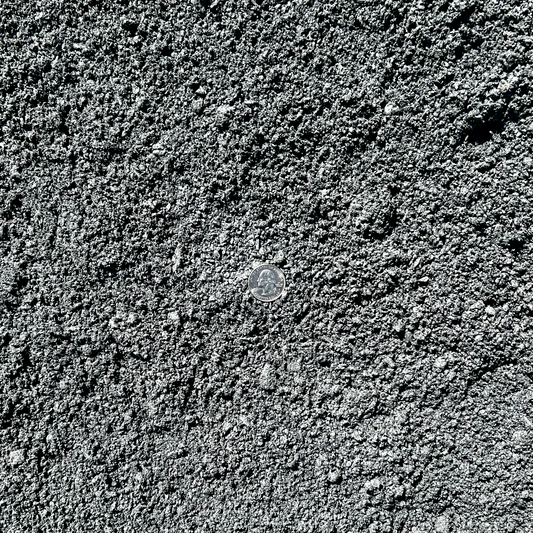
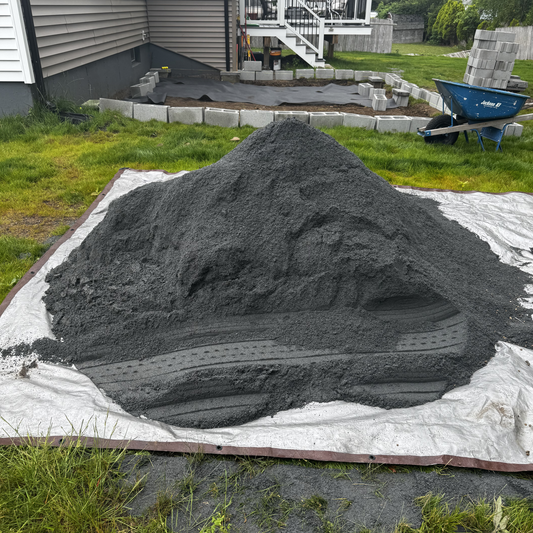
For most Outer Cape drives, Dense Pack is the answer. It fills ruts, locks together under a plate compactor or repeated driving, and gives a surface that sheds water. Browse the dense pack and base gravel collection for base options.
How much Dense Pack does a Truro driveway need?
Use square feet × depth in inches ÷ 324 = cubic yards.
- Spot repair: two ruts, each 40 ft long, 1.5 ft wide, and 3 inches deep, is 120 sq ft at 3 inches, or about 1.1 cubic yards.
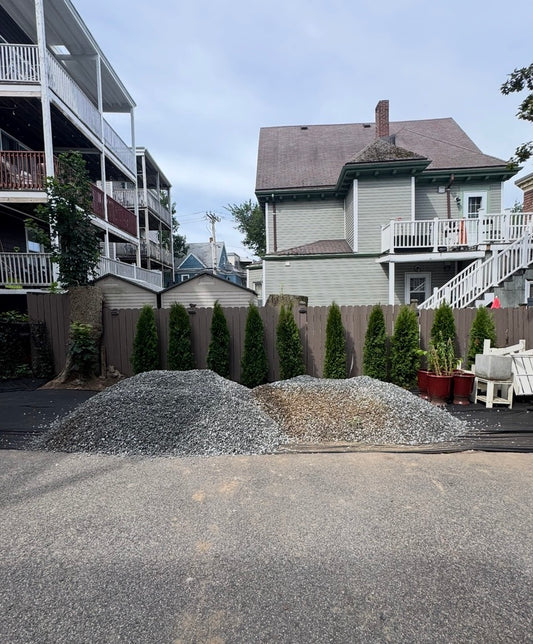
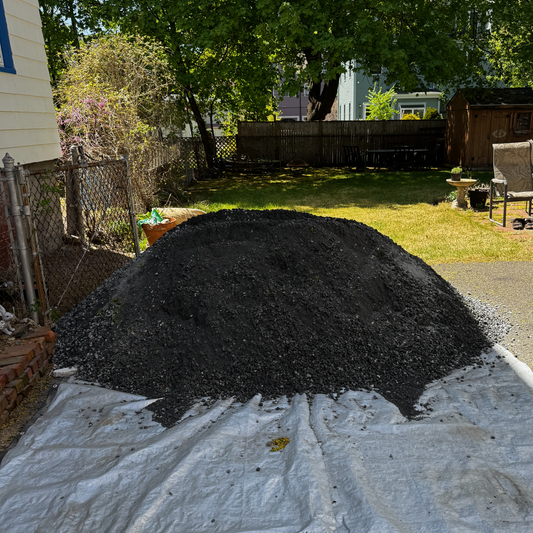
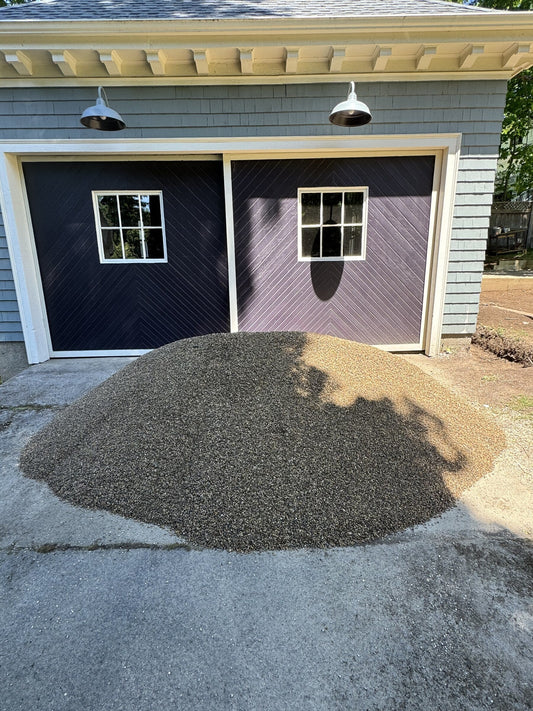
- Full wearing course: a 10 ft by 60 ft drive at 3 inches is 600 sq ft, or about 5.6 cubic yards, which fits in a single 6-yard load.
- Full rebuild: if the drive is mostly loose sand, plan a 4–6 inch compacted base with a 2–4 inch top coat. That is usually two or more loads.
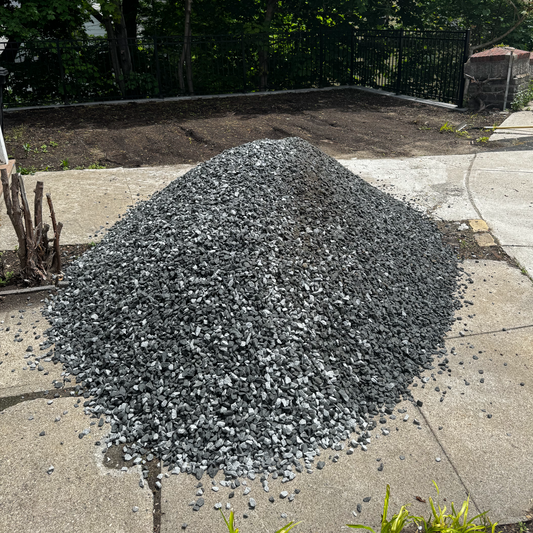
Stone and gravel loads carry up to 6 cubic yards, and each material is its own load with its own delivery fee. Pricing is on each product page, and the delivery fee for your ZIP shows at checkout.
What is the step-by-step fix?
- Rake or shovel out the loose sand in each rut down to firmer ground.
- Add Dense Pack in lifts of about 2 inches.
- Wet each lift lightly and compact it with a plate compactor or a hand tamper.
- Overfill slightly, then finish with a gentle crown so water runs to the sides.
- Where water collects at a low edge, cut a shallow swale so it drains into sand instead of across the drive.
For more on driveway repair, see common driveway fixes. If you are also planting along a sandy drive, our guide to building soil on the Outer Cape covers amending beds. UMass Extension's landscape program has more on managing sandy sites.
Can the truck reach a narrow Truro lane?
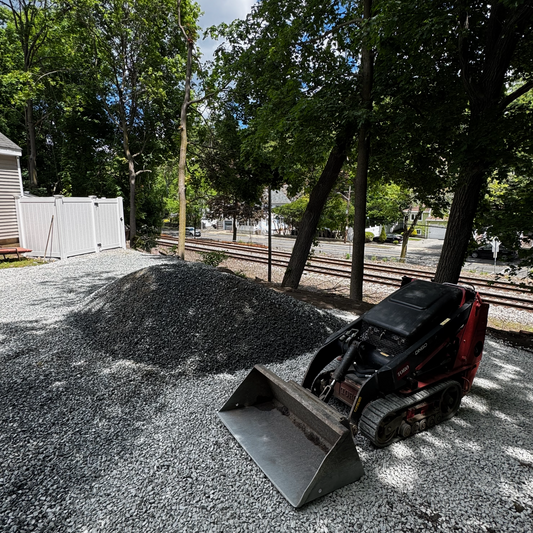
The truck needs about 13.5 feet of overhead clearance and 10 feet of width, so low pine limbs and tight lanes matter. Drops are on the driveway or curbside by default, and the truck cannot dump over fences. Pick a firm, level drop spot and mention soft shoulders when you order. See our Truro delivery page and the full driveway gravel collection.
Frequently asked questions
Can I just add more pea stone?
It will rut again. Rounded stone with no fines does not lock together over sand.
Do I need a plate compactor?
It gives the best result. For small spot repairs, a hand tamper and a few weeks of driving can work.
Is it too late in the season?
No. Base work is easiest before the wet weeks of late fall, and Ottr delivers year-round.
Questions about your driveway order? Call or text (617) 645-0987.