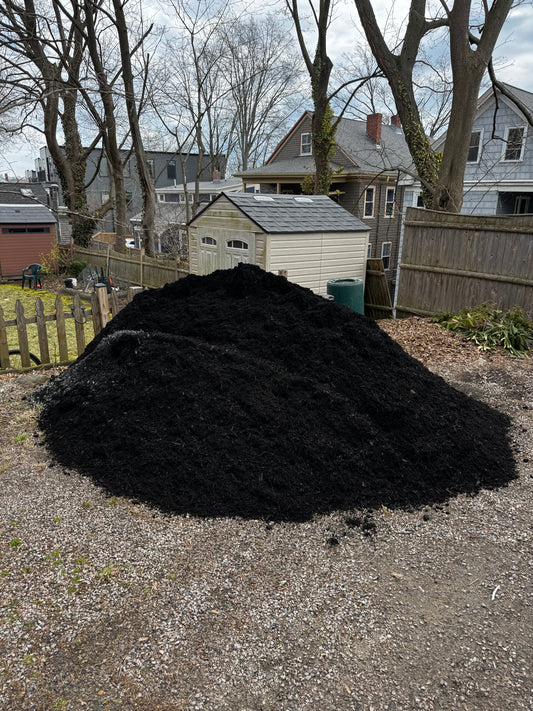
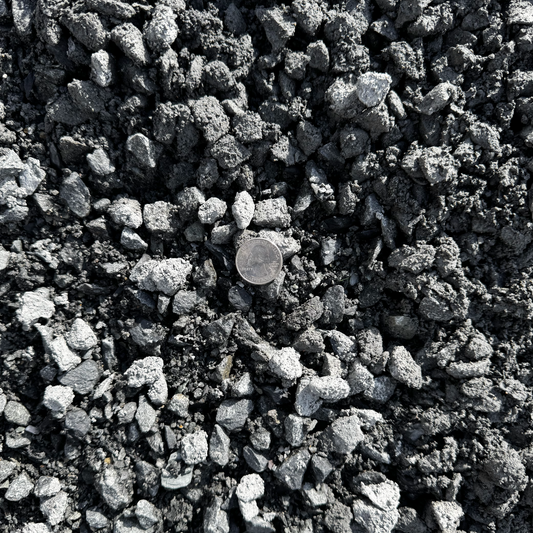
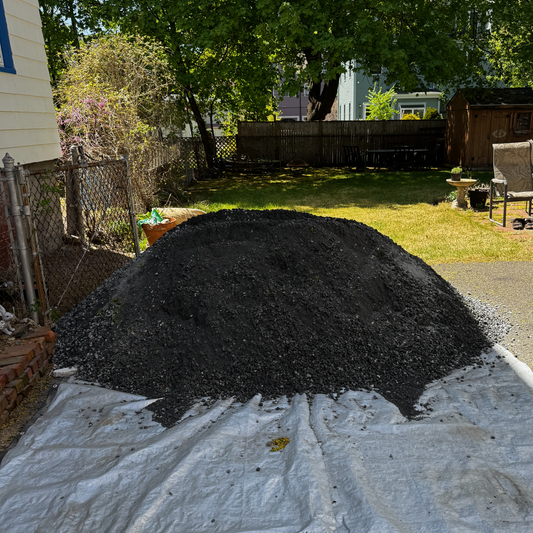
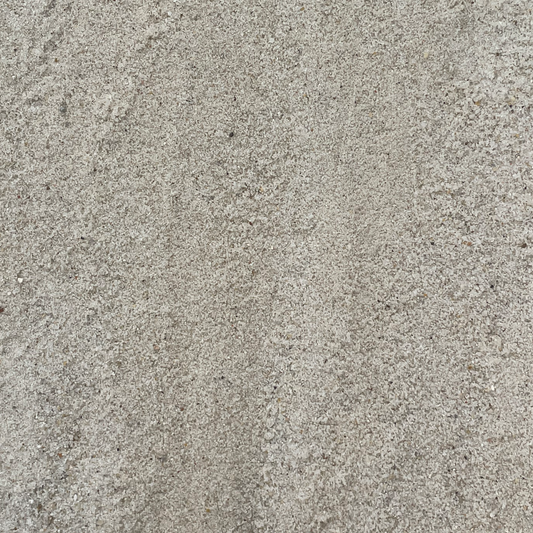
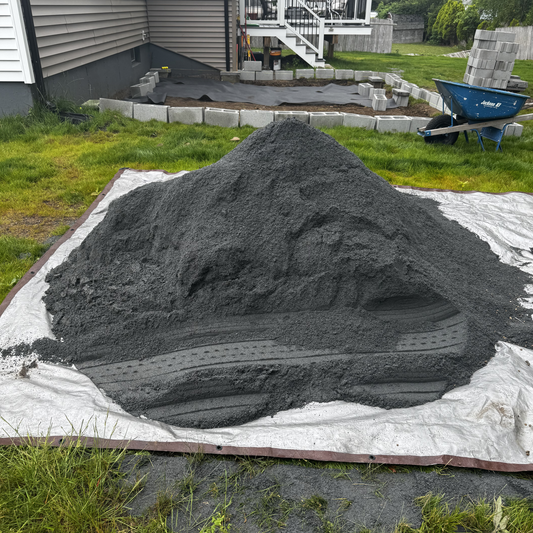
Tewksbury has a lot of long gravel and reclaimed-surface driveways, especially on the larger lots out toward the Shawsheen and along the roads near the Andover line. The soils run from sandy to heavy, and low spots hold water. A flat or rutted driveway in November becomes frozen puddles by January. A dry late-September weekend is the time to fix it.
1. Restore the crown so Tewksbury rain and meltwater run off
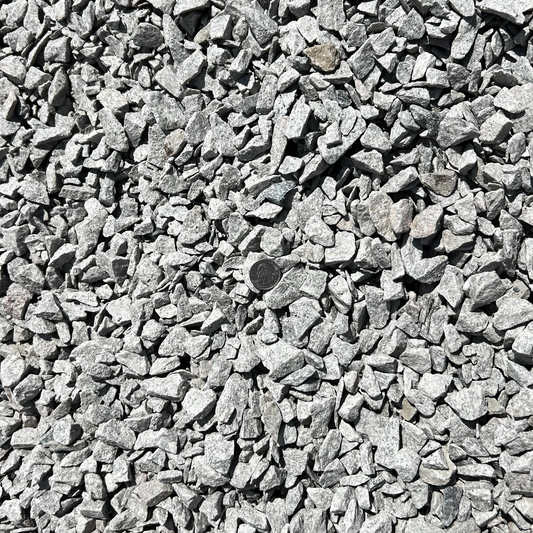
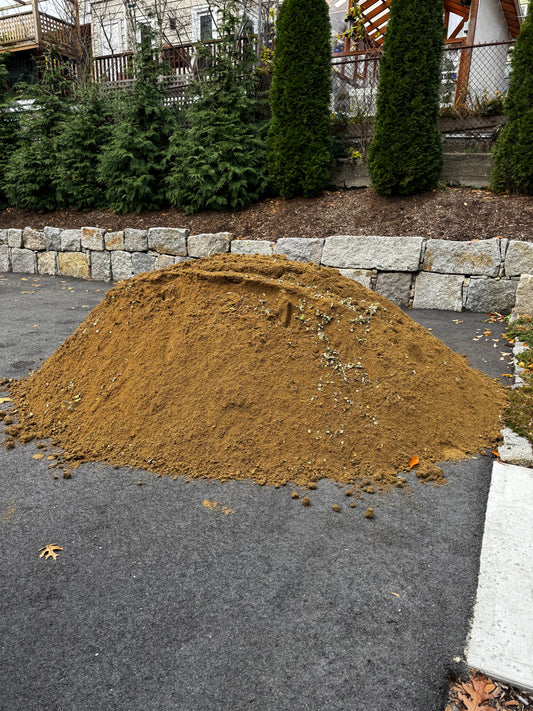
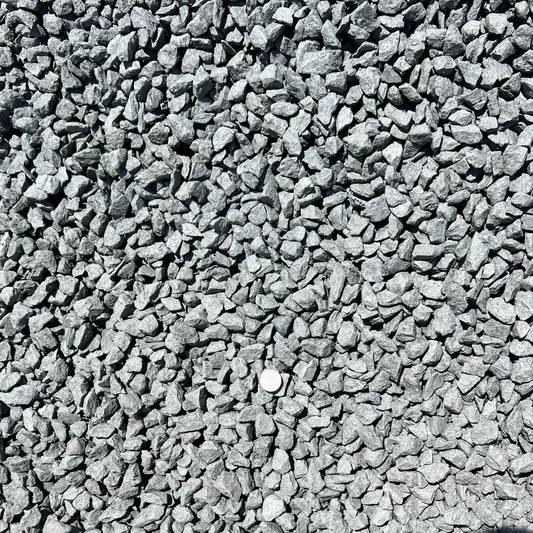
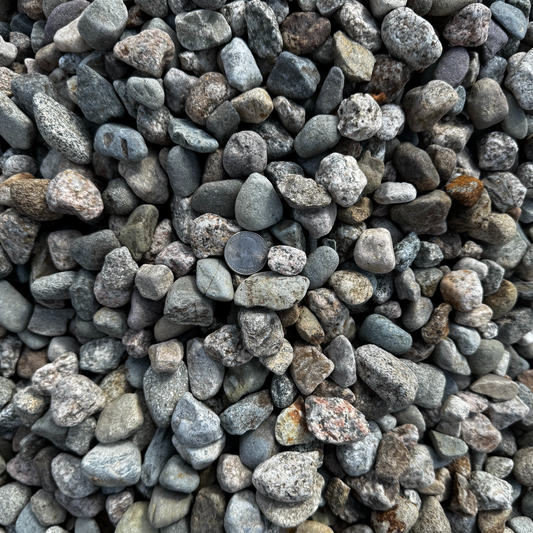
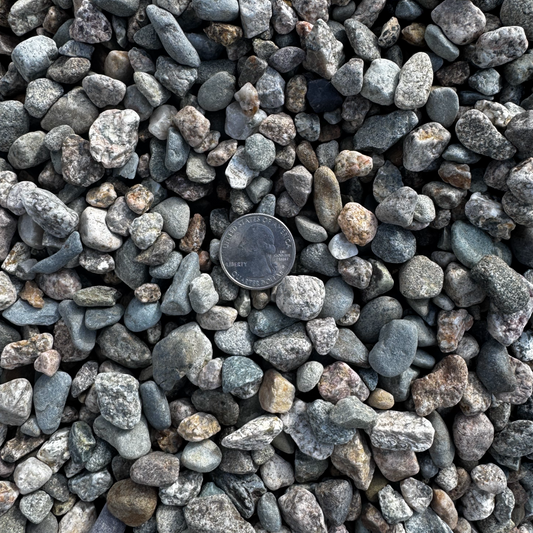
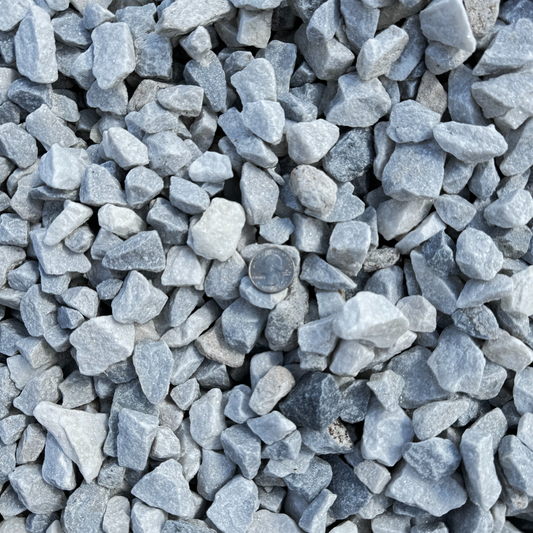
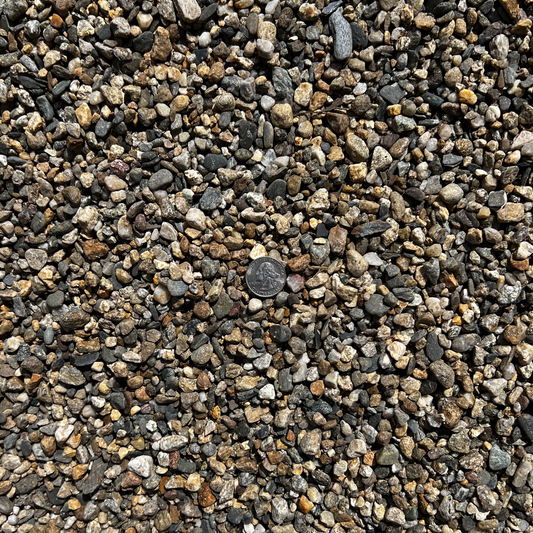
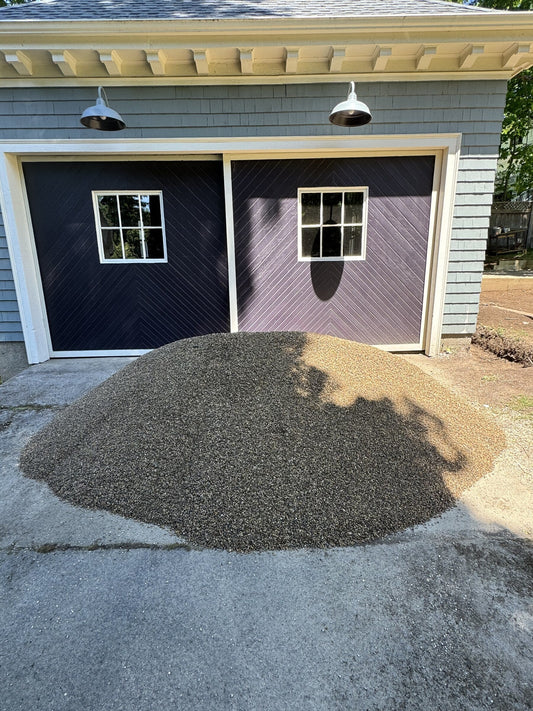
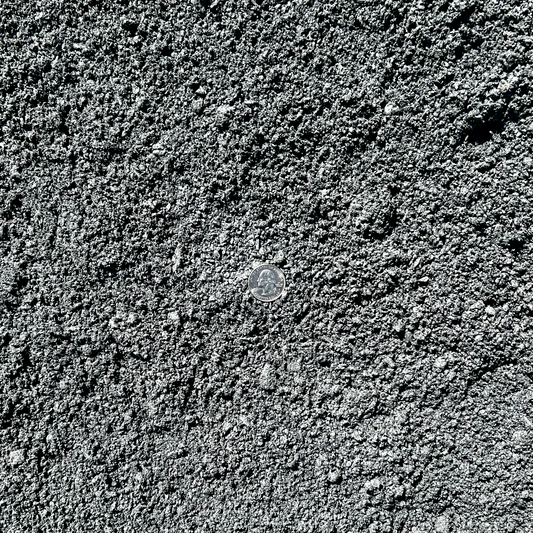
A gravel driveway should be higher in the center than at the edges, roughly a quarter inch of fall per foot of width. Tires push stone outward over time. Rake material from the shoulders back toward the center, then compact it. Where you are short on stone, add Dense Pack ¾" to minus, which keeps its fines and locks together under a plate compactor. Without a crown, meltwater sits on the surface and freezes.
2. Cut out and fill potholes properly
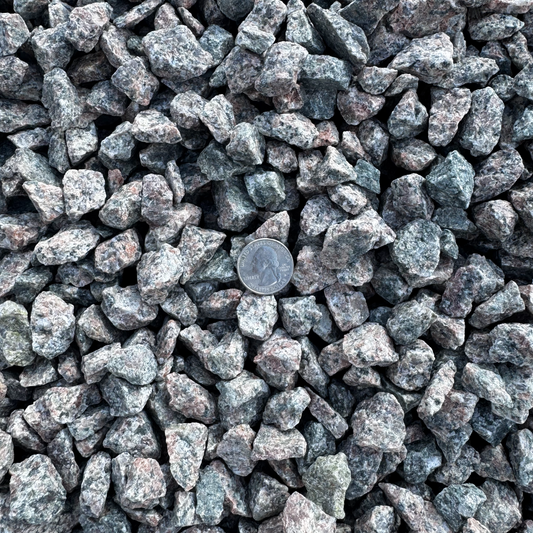
Dumping loose stone into a pothole lasts about two storms. Square the hole off with a shovel down to firm material, remove any mud, and fill in lifts of 2 to 3 inches, compacting each one. Overfill slightly so traffic tamps it level. Our guide to fixing driveway potholes in Brockton walks through the process step by step. Dense-graded material such as Dense Pack or #610 stone works because the fines fill the voids between the larger pieces.
3. Rebuild soft or crumbling edges
Edges fail first because they get less compaction and more water. If the shoulder is soft or sunk, dig out the wet material, add base from the dense pack base gravel collection, and compact it flush with the driveway surface. Firm edges also mean less gravel thrown onto the lawn.
4. Add a fresh wearing course
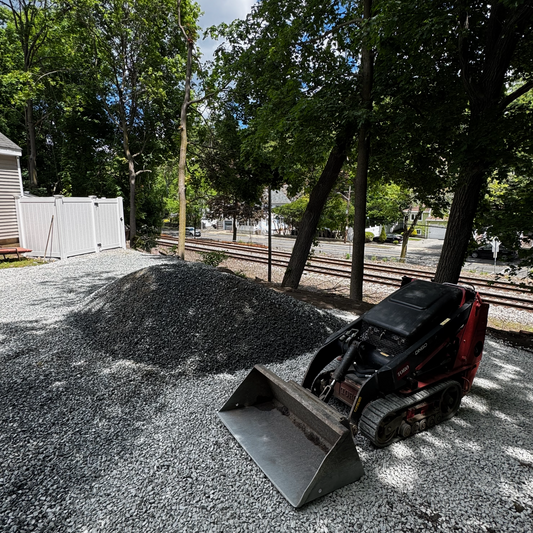
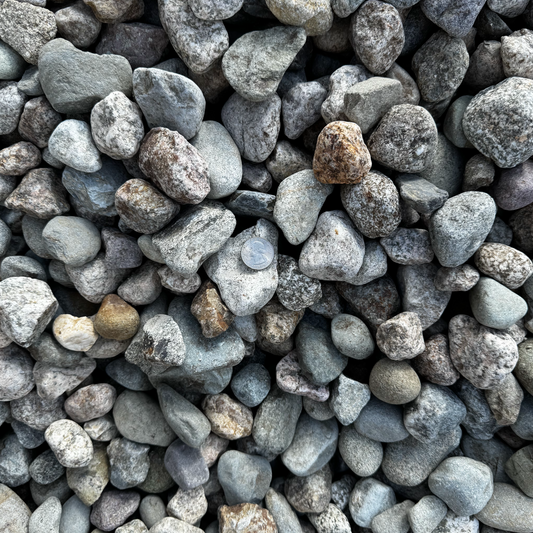
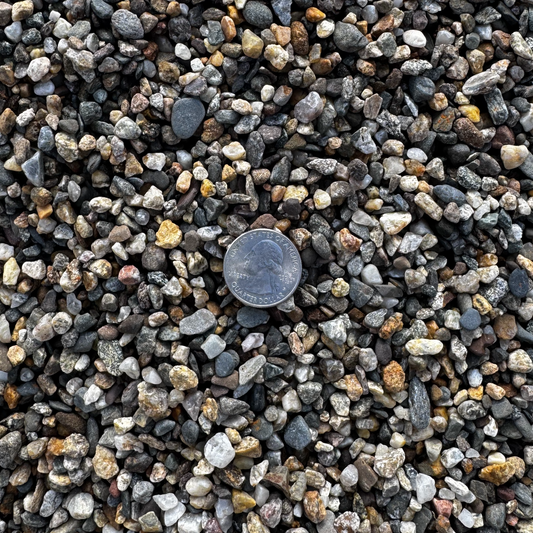
If the surface is thin or you can see the base poking through, a new top coat of 2 to 4 inches over the existing compacted base will carry you through winter. Browse driveway gravel options for the top layer. Use the formula square feet × depth in inches ÷ 324 = cubic yards.
| Driveway size | Area | 2" top coat | 3" top coat | 4" top coat |
|---|---|---|---|---|
| 10 ft × 40 ft | 400 sq ft | ~2.5 yd | ~3.7 yd | ~4.9 yd |
| 12 ft × 60 ft | 720 sq ft | ~4.4 yd | ~6.7 yd | ~8.9 yd |
| 12 ft × 100 ft | 1,200 sq ft | ~7.4 yd | ~11.1 yd | ~14.8 yd |
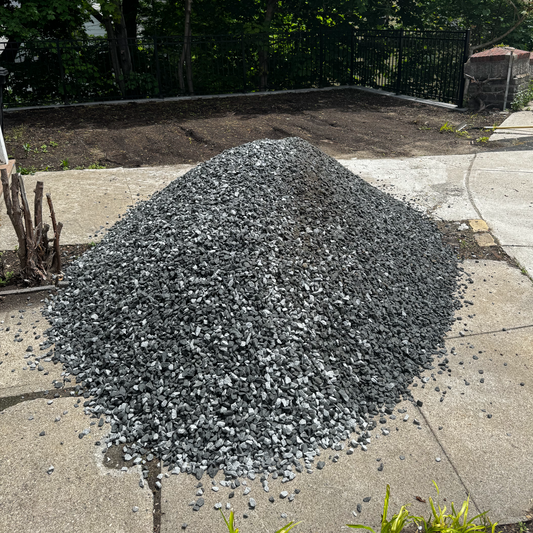
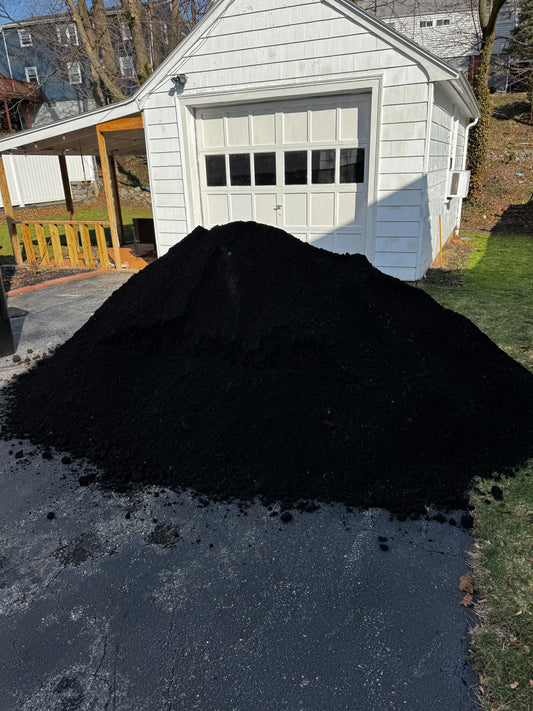
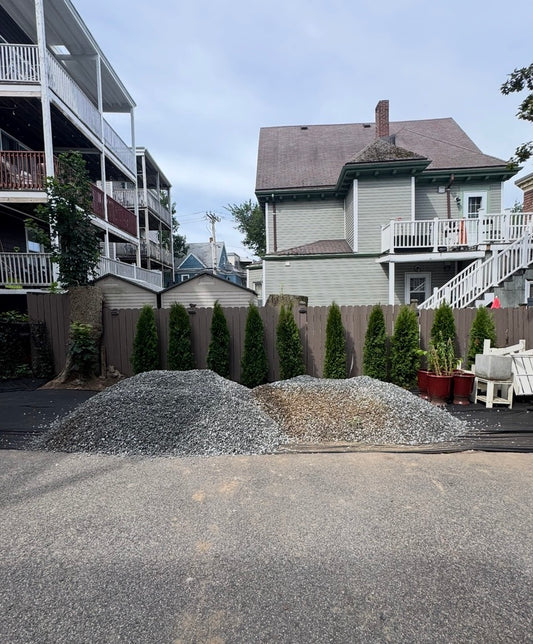
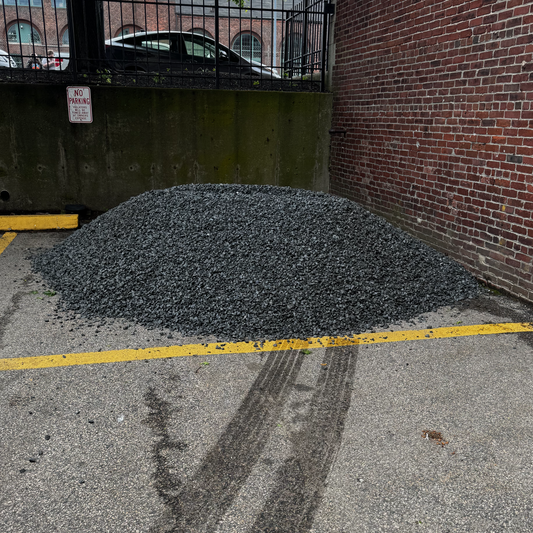
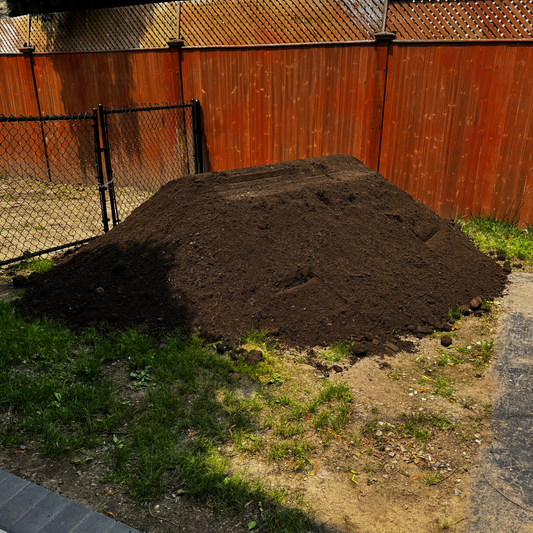
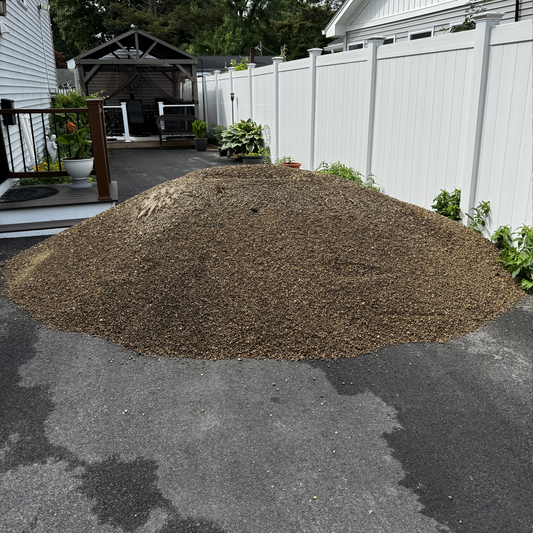
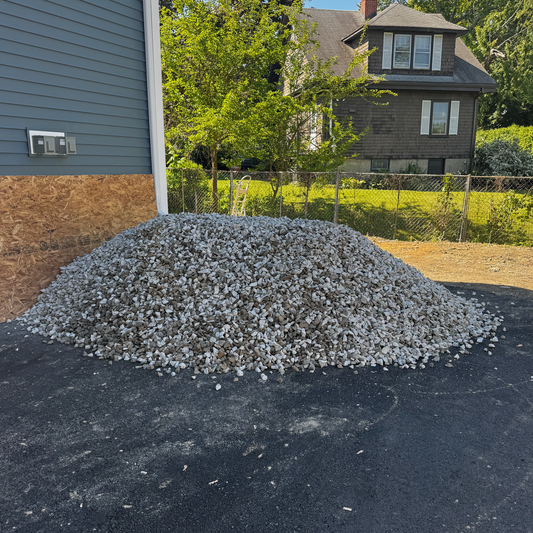
Stone and gravel deliver up to 6 cubic yards per load, so larger driveways may need more than one load. Each material is its own load with its own delivery fee. The landscape material calculator will run your exact numbers.
5. Stake the edges before the first plow
Once the surface is graded and compacted, drive reflective snow stakes along both sides every 15 to 20 feet, and at every curve and culvert. Whoever plows, you or a contractor, needs to see where the gravel ends after the first foot of snow. Ask your plow operator to raise the blade slightly or use skid shoes on gravel so it rides on the surface instead of scraping it. Keeping an eye on the NWS Boston forecast helps you finish compaction during a dry stretch.
Getting material to a Tewksbury driveway
The truck needs about 13.5 feet of overhead clearance and 10 feet of width, so check for low branches and wires over the drive. Drops are in the driveway or curbside by default. See the Tewksbury delivery page for everything we bring to town. Pricing is on each product page, and the delivery fee for your ZIP shows at checkout.
Tewksbury gravel driveway FAQ
Can I regrade a gravel driveway in October?
Yes, as long as the base is not saturated. Compaction works best when the material is damp, not wet.
Should I use #57 stone on my driveway surface?
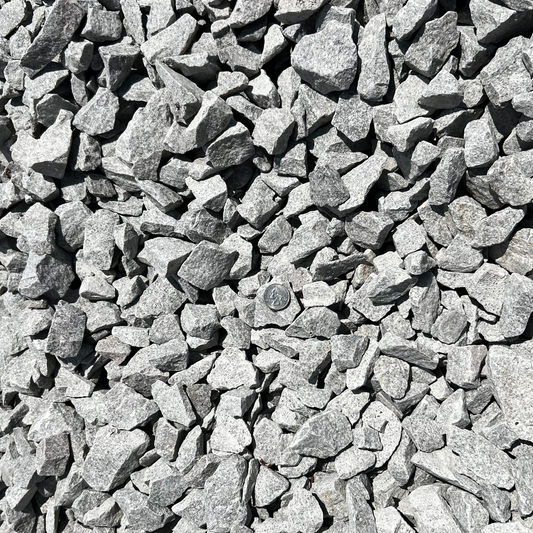
No. #57 is clean drainage stone with no fines, so it stays loose. Use a dense-graded material for the base and repairs.
Do you spread the gravel?
No. Ottr delivers only. The load is dumped in one pile for you or your contractor to spread.
Have a question before you order? Call or text (617) 645-0987.