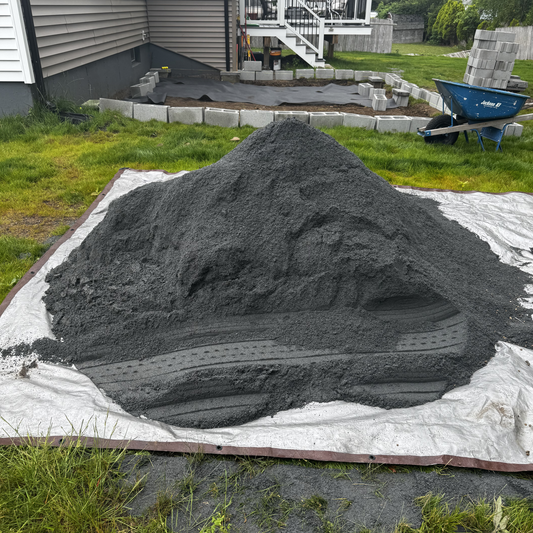
Quincy winters are not one climate. A driveway on Squantum or Houghs Neck takes the full wind off Quincy Bay, while a shaded drive tucked against the granite hills of West Quincy can hold ice long after the sun hits Wollaston Beach. Open coastal spots dry out and refreeze overnight; shaded slopes never really warm up. That is why the treated-or-untreated question has a different answer depending on which street you live on.
What is the difference between treated and untreated rock salt?
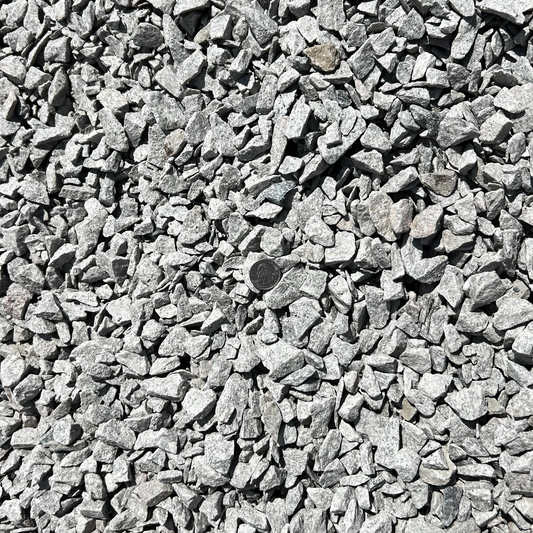
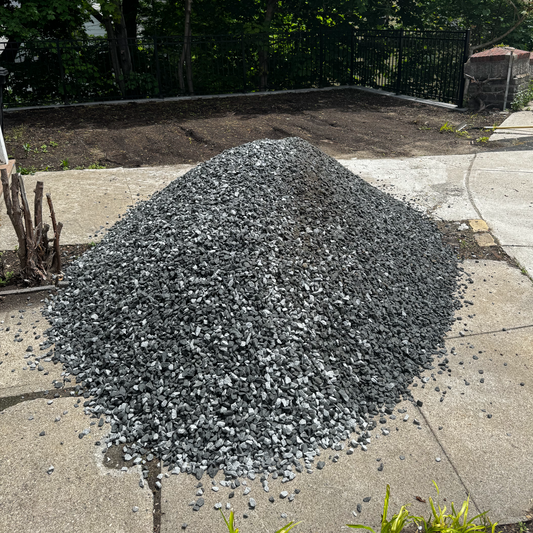
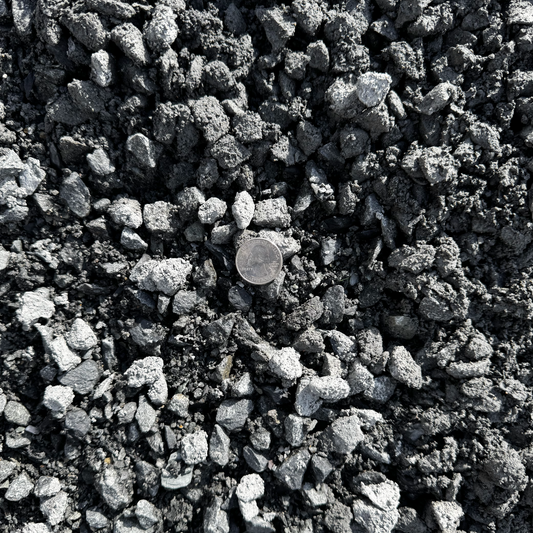
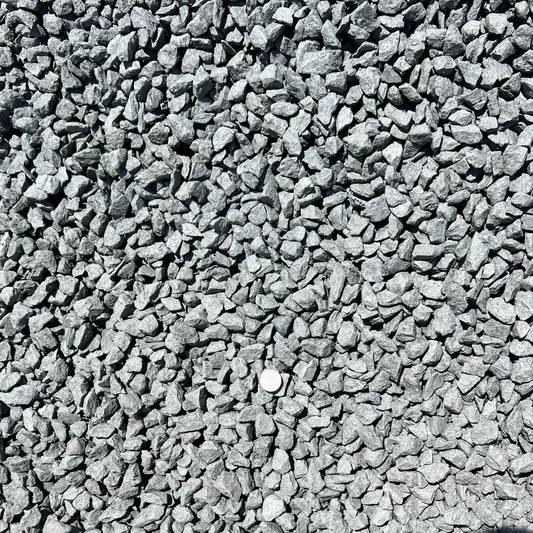
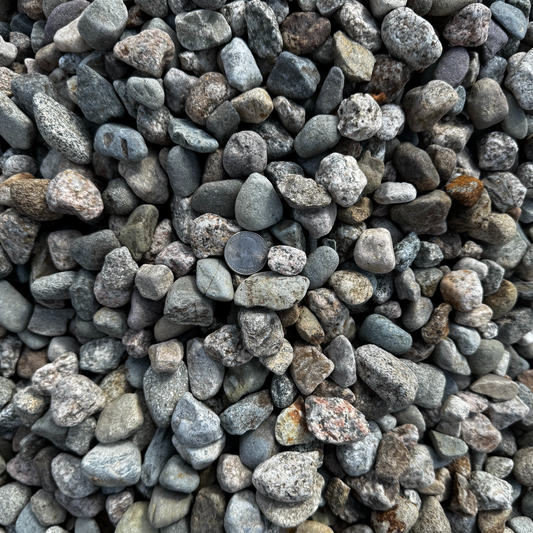
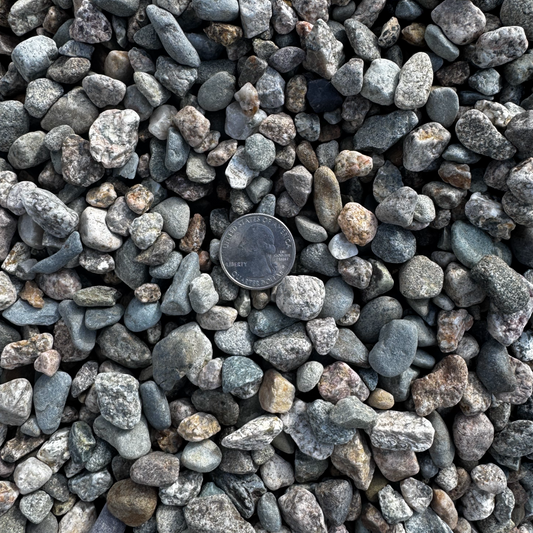
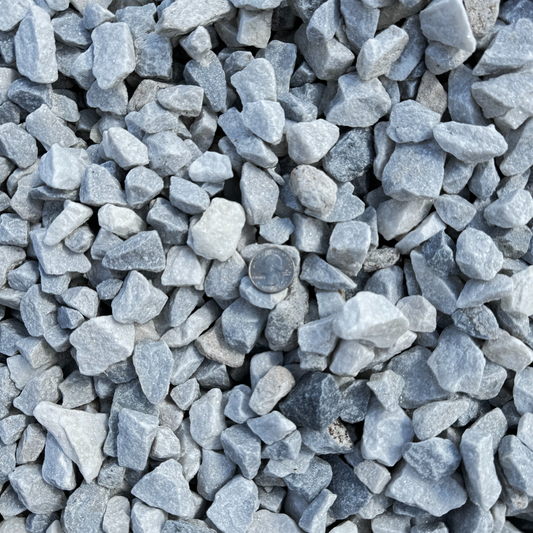
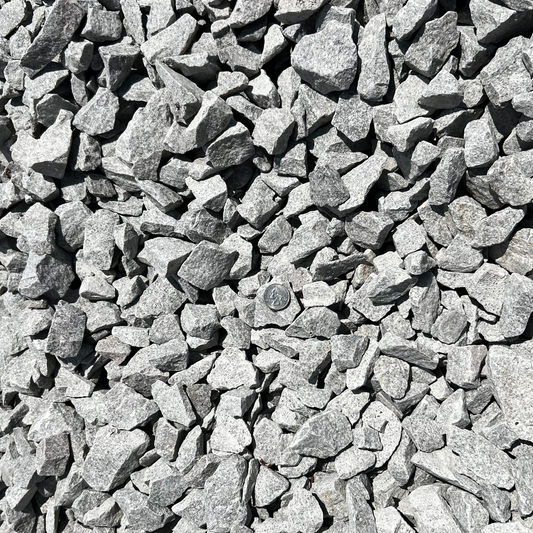
Rock Salt (Untreated) is straight sodium chloride with no additives, also called halite, road salt, or white salt. Rock Salt (Treated) is the same sodium chloride pre-coated with magnesium chloride, which extends its working range into much colder weather and gives it a blue-green tint so you can see where it has been spread. For how these two stack up against other common ice melts, see our ice melt comparison for Suffolk County.
How do treated and untreated salt compare on a Quincy driveway?
| Untreated rock salt | Treated rock salt | |
|---|---|---|
| Composition | Sodium chloride, no additives | Sodium chloride coated with magnesium chloride |
| Works well down to | About 20°F; essentially stops below about 15°F | About -15°F |
| Visibility | White, hard to see once spread | Blue-green tint shows coverage |
| Storage | Stores indefinitely if dry; clumps can be broken up | Coating draws moisture, so cover is essential |
| Best fit | Routine storms, sunny drives, flat surfaces | Cold snaps, shaded slopes, entrances, steps |
For current pricing on either, check each product page. The delivery fee for your ZIP appears at checkout.
How much salt does a Quincy driveway need for the winter?
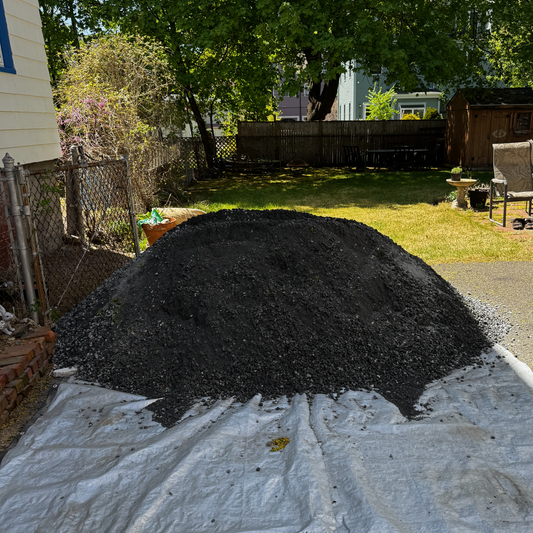
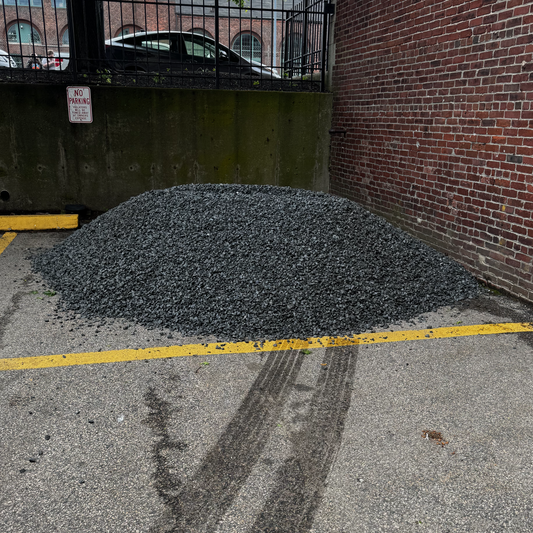
A typical 600 sq ft residential driveway uses roughly 25–40 lbs of rock salt per storm. About a half-ton stockpiled covers most homeowners through a normal winter. The minimum order is 1 cubic yard, and salt runs up to 6 cubic yards per load. Each material is its own load with its own delivery fee, so if you want both treated and untreated on hand, plan them as two loads.
When should you skip salt and use sand instead?
- New concrete. Avoid chloride salts on concrete poured within the last year. Use coarse sand for traction that first winter. Older intact concrete is generally fine.
- Steep drives. On the hills off Quarry Street or Forbes Hill, traction often matters more than melt. Salt & Sand 20/80 or straight coarse sand gives grip without relying on temperature.
- Lawn edges. Salt that migrates in spring runoff can burn turf and beds. Shovel first, spread lightly, and keep a clear strip along the grass.
If you have a dog, wipe paws after walks; rock salt can irritate them. Runoff near Town River and the bay is another reason to spread lightly, a regional concern the EPA Southeast New England Program follows.
Which should a Quincy homeowner pick?
Verdict: pick untreated rock salt if your driveway is mostly flat, gets afternoon sun, and you shovel before you spread. It handles the bulk of coastal Massachusetts storms. Pick treated rock salt if your driveway faces north, sits in the shade of a hill or house, takes direct wind off the water, or serves someone for whom a fall is a serious risk. If you live on a steep grade, pair either one with coarse sand. Treated salt tends to sell out first in deep-cold years, so if it is your pick, stockpile early. Whichever you choose, order in September or October so it is covered and dry before the first storm. Ordering early keeps you out of the first-storm rush.
See every option in our winter salt and ice melt collection, and Quincy delivery details on the Quincy delivery page.
Quincy rock salt FAQ
Can I store treated salt in the garage?
Yes, if it is dry. Keep it off the floor on a pallet or in a bin, away from drains.
Does untreated salt go bad?
No. It stores indefinitely if kept dry. If it clumps, break it up and it still works.
Do you spread the salt?
No. Ottr delivers only, curbside or on the driveway.
Not sure which salt fits your driveway? Call or text (617) 645-0987.