Quick Answer
Shredded leaves are the most underused soil amendment in Lexington yards. The five highest-value uses: perennial bed mulch (1–2 inches), leaf mold ingredient (12-month decompose), raised-bed top-dress (1 inch), lawn return via mulch-mowing (free fertility), and overwinter row cover for vegetable beds (insulation + soil-building). Done right, they replace $200–$400 of bagged amendments per year.
Why Lexington Yards Are Leaf-Rich
Lexington's mature canopy — sugar maple, red maple, white oak, beech — drops a lot of high-quality leaves. Most of it goes to the curb. Capturing even half of one yard's leaf drop produces enough shredded material to handle the year's mulch and amendment needs for an average garden.
For the shredding setup, see 5 Ways to Shred Leaves in an Arlington Yard. For the leaf mold detail, see What Is Leaf Mold, and Why Should Wellesley Gardeners Make It?.
#1 — Perennial Bed Mulch (1–2 inches)
Shredded leaves on perennial beds:
- Insulate roots from freeze-thaw heave
- Suppress overwintering weeds
- Decompose in place to feed soil organic matter
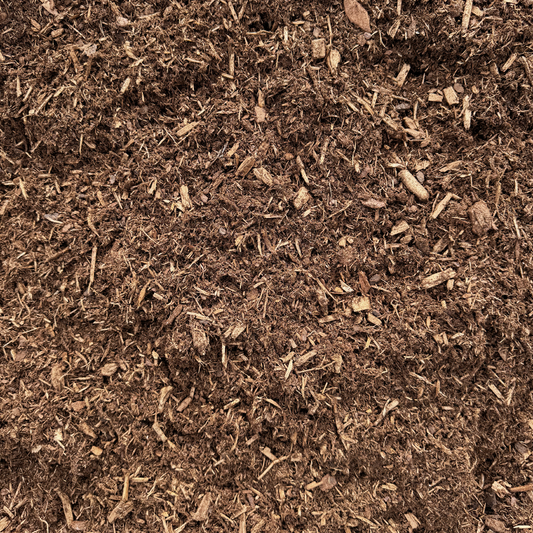
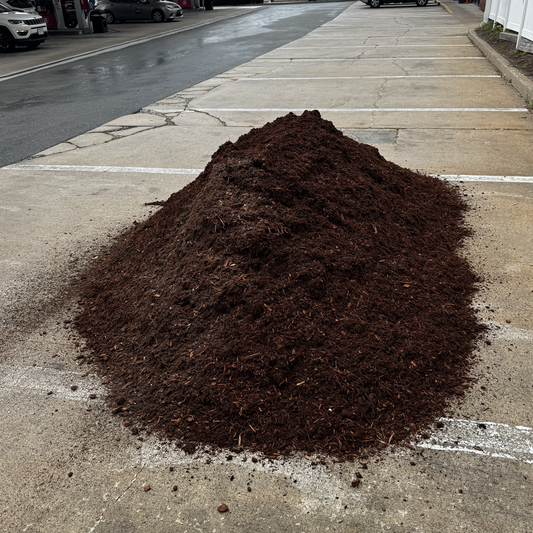
- Cost $0 vs. $50–$80 per yard for bulk hardwood mulch
Application: 1–2 inch layer across the bed, holding back 2 inches from plant crowns. One quarter-acre Lexington yard produces enough leaves to mulch every perennial bed on the property.
Note: Shredded leaves break down faster than hardwood mulch (one season vs. 2–3 seasons), so you re-mulch beds annually. That's the trade-off — free, but more frequent.
#2 — Leaf Mold Ingredient
Shredded leaves alone, in a 3x3 wire bin, become leaf mold in 12–24 months. Leaf mold is the structural soil amendment that beats peat moss, holds 300–500% its weight in water, and builds soil microbial life.
A bin started in October 2025 produces finished leaf mold by October 2026 — exactly in time for next fall's bed top-dress. See How to Compost Leaves in a Cambridge Backyard for the variant with active composting.
#3 — Raised-Bed Top-Dress (1 inch annually)
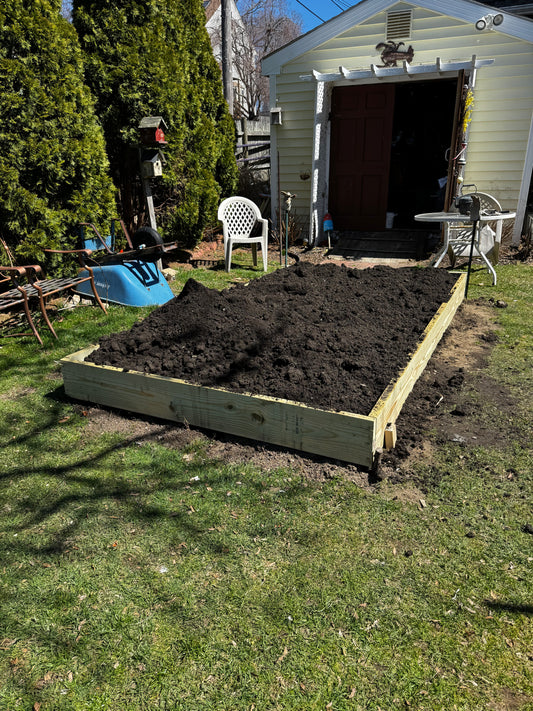
Vegetable raised beds top-dressed with 1 inch of shredded leaves in October:
- Add organic matter to depleted bed soil
- Insulate beds against winter freeze
- Decompose into the top 2" of soil by spring planting
A 4x8 raised bed needs 2.7 cubic feet of shredded leaves for a 1" top-dress. Don't till in — let earthworms and freeze-thaw work it down.
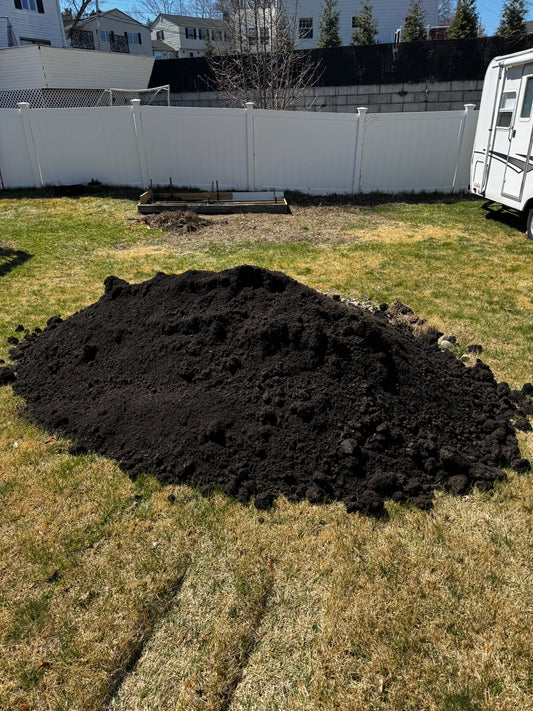
For supplementing with bulk compost or topsoil, browse the mulch bed refresh collection.
#4 — Lawn Return via Mulch-Mowing
The simplest use: don't move leaves at all. Mulch-mow them into the lawn at deck height 3", sharp blade, two passes. Shredded leaf fragments filter to soil level and decompose, returning nitrogen and organic matter to the turf.
A quarter-acre lawn mulch-mowing one season's leaves returns roughly 100–150 lbs of organic matter per 1,000 sq ft to the soil. Cool-season lawns (Lexington's standard KBG/fescue/rye mix) take it up over winter.
The UMass Extension Landscape program has the regional turf research on this practice.
#5 — Overwinter Row Cover for Vegetable Beds
Pile 6–8 inches of shredded leaves over harvested vegetable beds in October–November. The leaves:
- Insulate soil microbes (active soil microbiology = faster spring greenup)
- Prevent erosion from winter rain
- Smother overwintering weed seeds
- Decompose and feed soil by April
In April, rake leaves to one side, plant the bed, then move the leaves back as in-row mulch as plants grow. Same leaves, two-season utility.
What This Means for You
Five uses, one source — your own yard. The compounding effect is significant: a Lexington homeowner who captures and uses leaves over 5 years builds soil organic matter that takes a buyer of bagged amendments 15+ years to match. For supplemental bulk compost and mulch when leaves aren't enough, the full Ottr catalog covers Middlesex County delivery, and Lexington landscape supply has the local routes.