Quick Answer
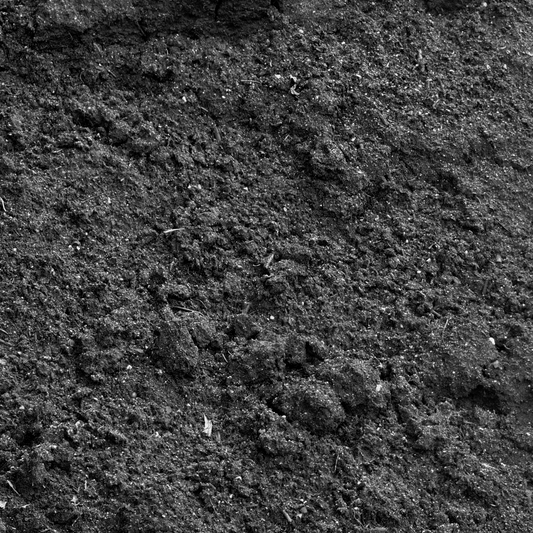
Leaf mold is decomposed leaves — not compost. It's made by piling shredded leaves alone (no nitrogen) and letting fungi break them down over 12–24 months. The result is a dark, crumbly soil conditioner that holds 300–500% its weight in water, dramatically improves soil structure, and is the gold standard for raised-bed garden mixes. Wellesley's mature tree canopy makes it the easiest amendment to make at home — and the most expensive to buy.
Why Wellesley Yards Are Built for Leaf Mold
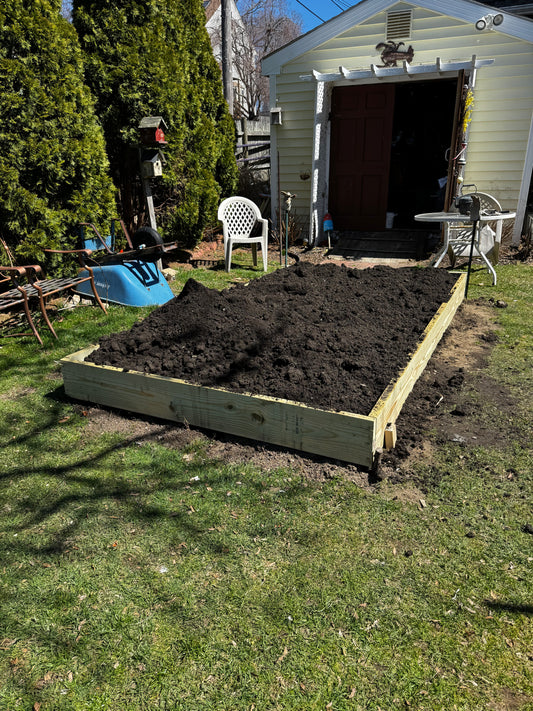
Wellesley has the leaves. Mature oak, maple, beech, and hickory across most neighborhoods (Wellesley Hills, Cliff Estates, Wellesley Farms) drop 40–60 cubic yards of leaves per acre. Most of that ends up at the curb. A single 3x3 bin captures enough to make 4–6 cubic feet of finished leaf mold per year — enough to top-dress a 4x8 raised bed every spring.
For the active-compost variant (with nitrogen, faster), see How to Compost Leaves in a Cambridge Backyard. For shredding setup, see 5 Ways to Shred Leaves in an Arlington Yard.
Q: What's the difference between leaf mold and compost?
A: The biology. Compost is bacterial decomposition — fast, hot (130–150°F), nitrogen-driven. Leaf mold is fungal decomposition — slow, cool, carbon-only. Both end products improve soil. Compost adds more nutrients (NPK). Leaf mold adds more structure, water retention, and microbial habitat.
A garden using both — compost for nutrition, leaf mold for soil structure — outperforms one using either alone.
Q: How long does leaf mold take to finish?
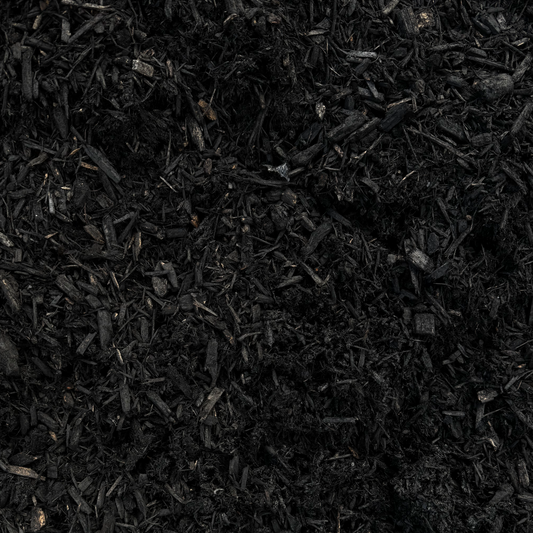
A: 12–24 months. Whole-leaf piles take longer (up to 3 years). Shredded leaves with regular moisture finish in 12 months. Finished leaf mold smells like a forest floor — earthy, faintly sweet, no ammonia.
Q: How do I make leaf mold in a Wellesley backyard?
A: Pile shredded leaves in a wire bin or simple corral and keep moist.
- Bin or corral — 3x3x3 ft wire bin, or four wood pallets corralled with cable ties
- Shred the leaves with a mulching mower (run them through a pile)
- Pile the shredded leaves to fill the bin (settles 50% in the first month)
- Water to wrung-sponge dampness when piling
- Turn at 6 months (optional but speeds finish)
- Harvest in 12–24 months from the bottom
That's it. No nitrogen, no compost-tea, no rotation. Patience is the active ingredient.
Q: Why no nitrogen?
A: Because leaf mold isn't compost. Adding nitrogen turns the pile into compost — bacterial, hot, faster. That's a different (also valuable) product. Leaf mold is fungal-driven decomposition, and fungi prefer high-carbon material without nitrogen interference.
The US Composting Council covers the biology in detail.
Q: What kinds of leaves work best for leaf mold?
A: Maple, beech, birch, ash — fast decomposers. Oak, hickory, and beech-leaf are slower (waxier, more lignin) but produce a higher-quality finished product. Pine and spruce needles work but acidify the result — fine for blueberry beds, not ideal for general vegetable garden use.
Avoid: Black walnut (juglone), diseased leaves, glossy magazine paper, anything sprayed with herbicide.
Q: Where do I use leaf mold once it's finished?
A: Anywhere soil structure or water retention matters.
- Raised vegetable beds — top-dress 1" annually, work into the top 4" before planting
- New bed builds — blend 1:1 with topsoil
- Container mix — add 25% to potting soil for water retention
- Mulch under shrubs — 1–2" layer, hold back from stems
A 4x8 raised bed top-dressed with 1" of leaf mold needs about 2.5 cubic feet — exactly what a 3x3 bin produces in a year.
Q: Can I buy leaf mold?
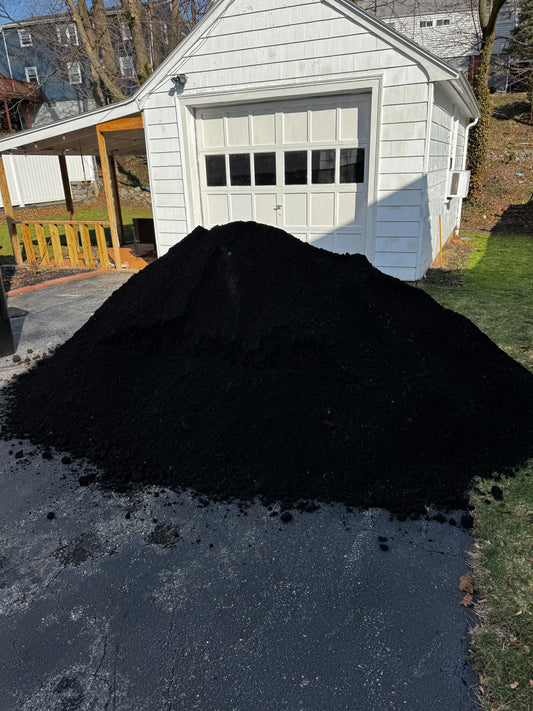
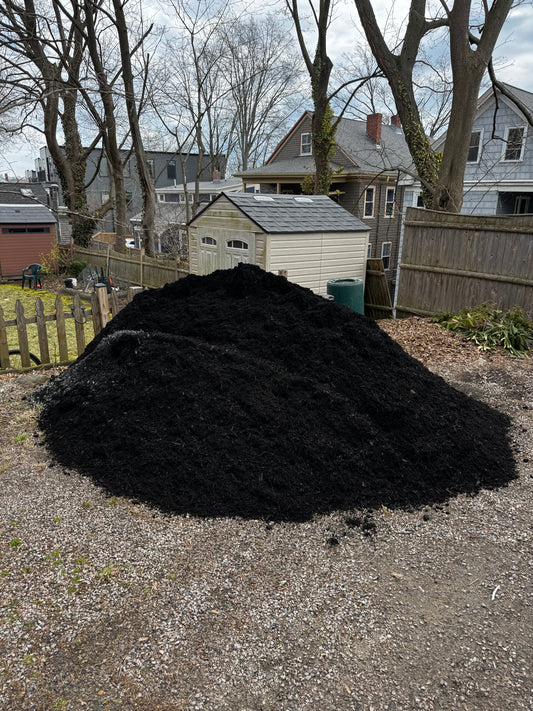
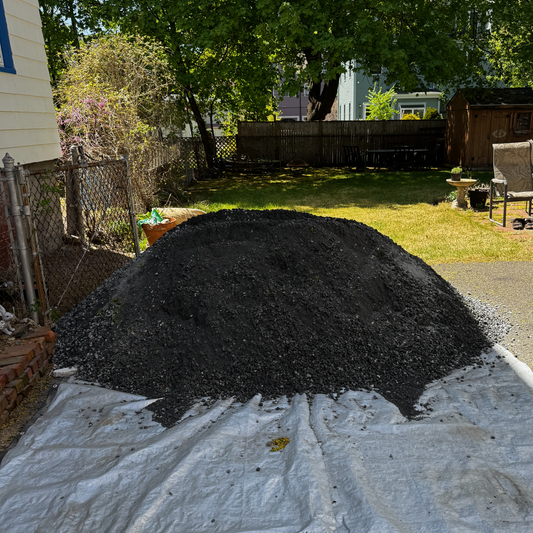
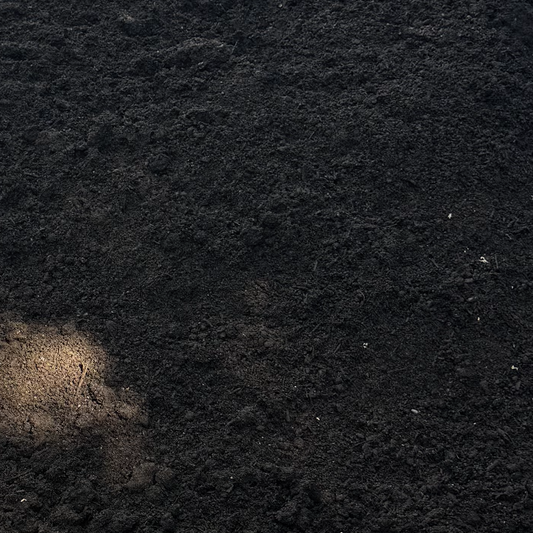
A: Sort of, and at premium prices. Bagged leaf mold runs $8–$15 per cubic foot at garden centers. Bulk leaf mold from specialty composters runs $80–$120 per cubic yard delivered. Compare to the $0 cost of making it from your own leaves — and to bulk compost at much lower per-yard rates. Browse the raised garden bed materials collection for compost and topsoil bulk options.
Q: What if I can't wait 12 months?
A: Use compost in the meantime. Bulk compost is finished in 4–6 months commercially and can go straight into beds. Leaf mold is the long-game amendment — start a pile this fall, use it 12 months from now, and keep one bin always finishing.
Q: How does leaf mold compare to peat moss?
A: Better, and more sustainable. Peat moss has been the standard structural amendment for decades, but harvesting it destroys peat bogs that take centuries to form. Leaf mold matches peat for water retention and soil structure, comes from a renewable annual source, and is free if you have leaves.
Q: Does Ottr deliver compost and topsoil to Wellesley?
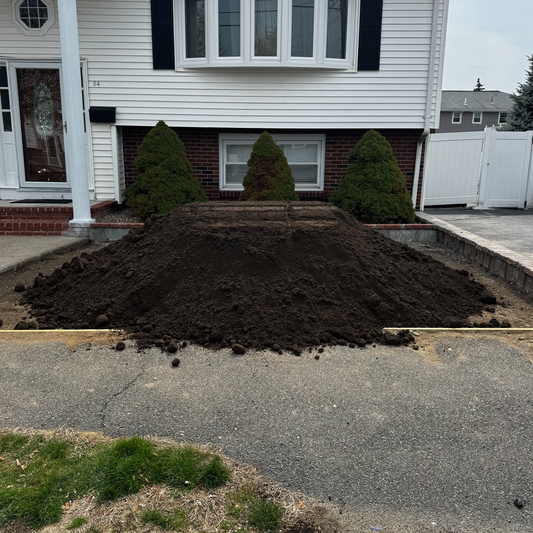
A: Yes. Ottr delivers bulk compost, screened loam, garden soil mix, and bagged products across Norfolk County and the western suburbs. See Wellesley landscape supply for the local routes and the full catalog for current pricing.
The Wellesley Recommendation
Start a leaf mold pile this October. Use the 12-month timeline as background — you'll have finished leaf mold for next October. In the meantime, top-dress beds with bulk compost from Ottr. Run both in parallel and your raised beds get the full benefit: nutrients from compost, structure from leaf mold.