Rockport driveways have a reputation. Many climb straight off the road over granite ledge, curve around outcrops near Pigeon Cove and Land's End, and sit in the path of wind coming off Sandy Bay. Ledge sheds meltwater across the surface instead of soaking it in, so a sunny afternoon thaw can turn into a glazed slope by evening. On that kind of grade, the goal is reliable grip.
Why does a steep Rockport driveway need traction more than melt?
Salt works by turning ice into brine, and plain sodium chloride slows down as temperatures fall toward 20°F and does very little below about 15°F. On a pitched driveway, the gap between spreading and melting is when a car slides. Sand starts working the moment it lands. That is why traction-first material is the core of a steep-drive plan, with salt playing a supporting role.
Coarse Sand, 20/80, or rock salt: which fits which part of the drive?
| Material | What it does | Best spot on a steep drive |
|---|---|---|
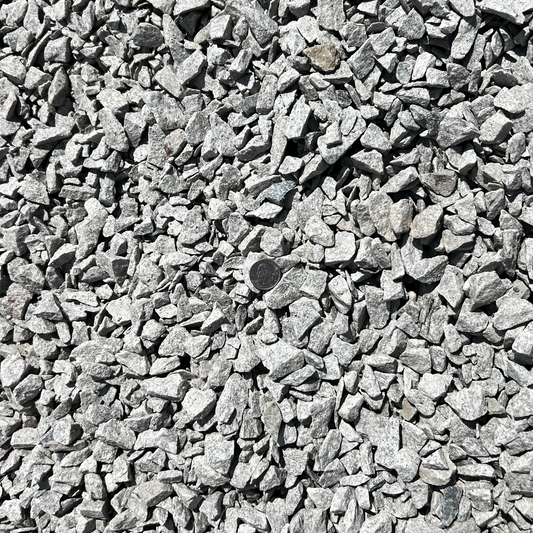
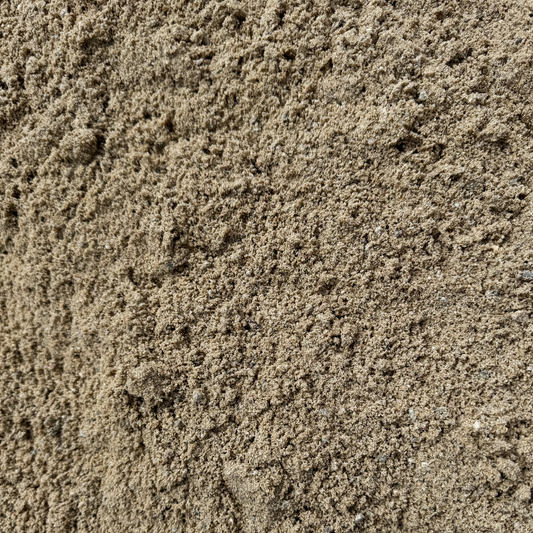
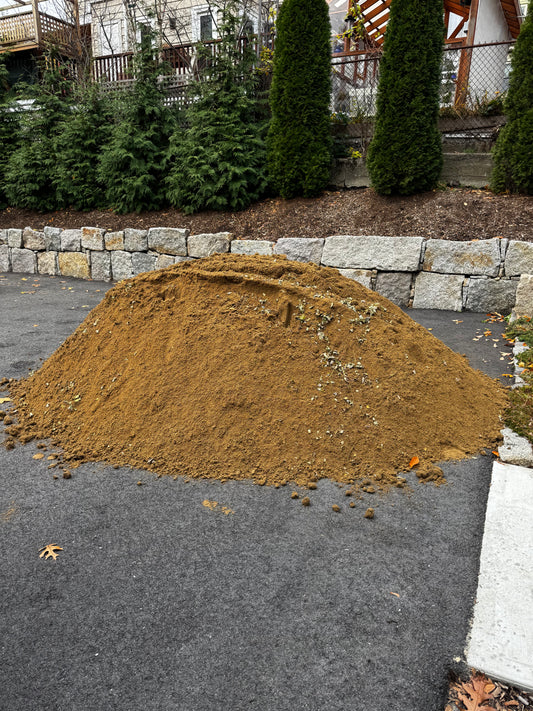
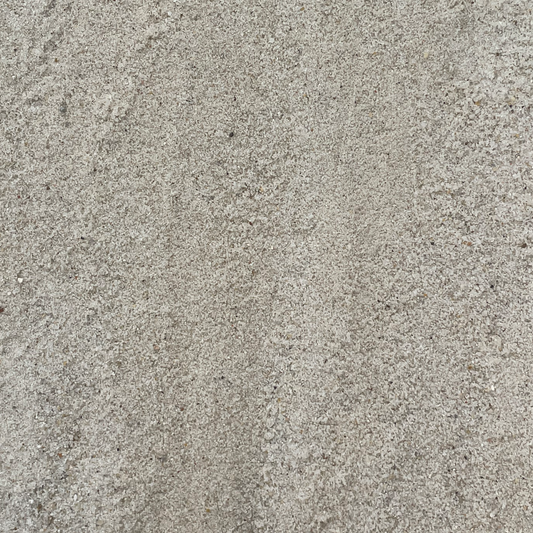
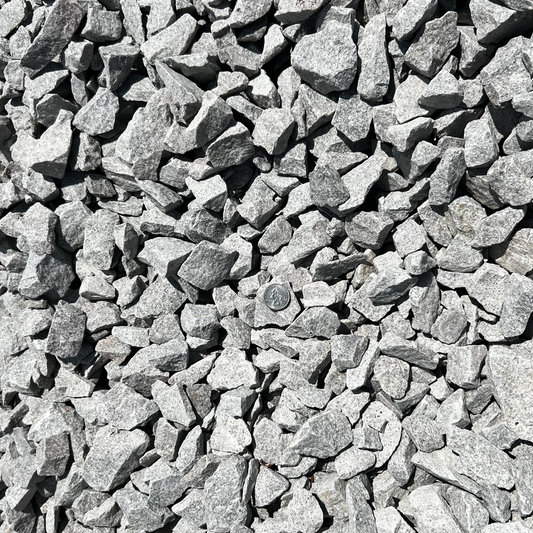
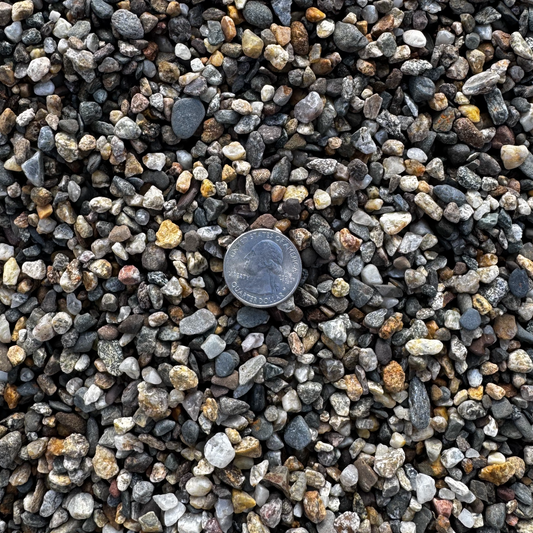
| Coarse Sand | Pure traction, no melt, works at any temperature | The steepest pitch, ledge runoff areas, cold mornings |
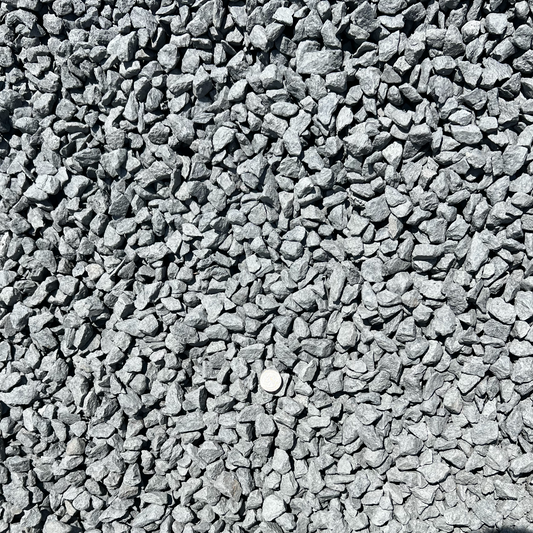
| Salt & Sand 20/80 | Mostly grip with a light melt to break the bond | The full length of the grade on typical storm days |
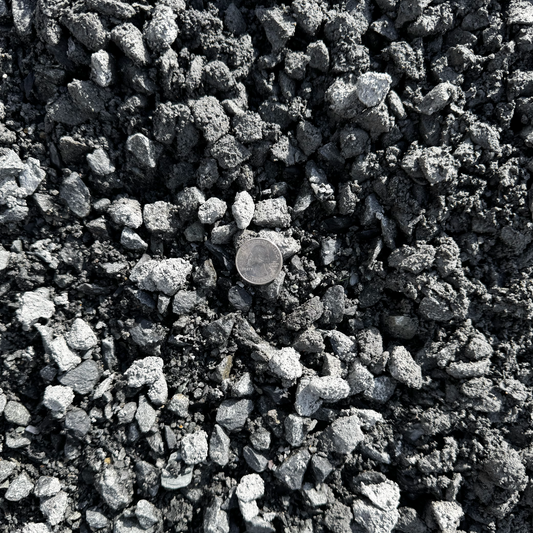
| Rock Salt (Untreated) | Melt only, slows below roughly 20°F | The flat landing and walkway, used sparingly |
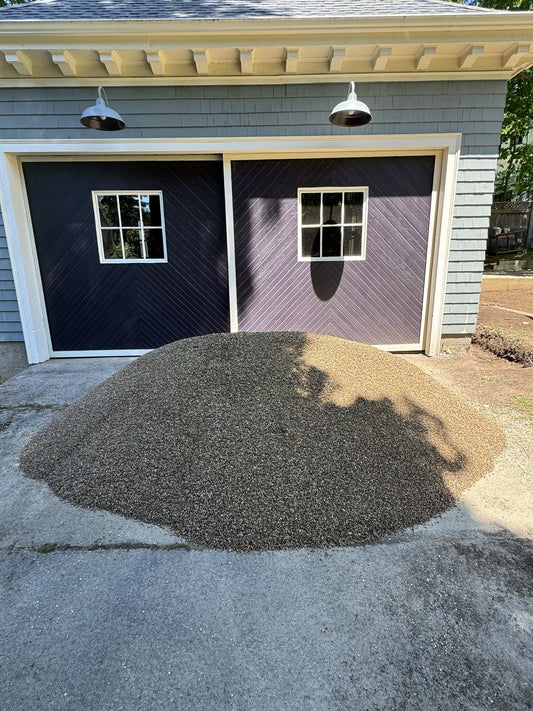
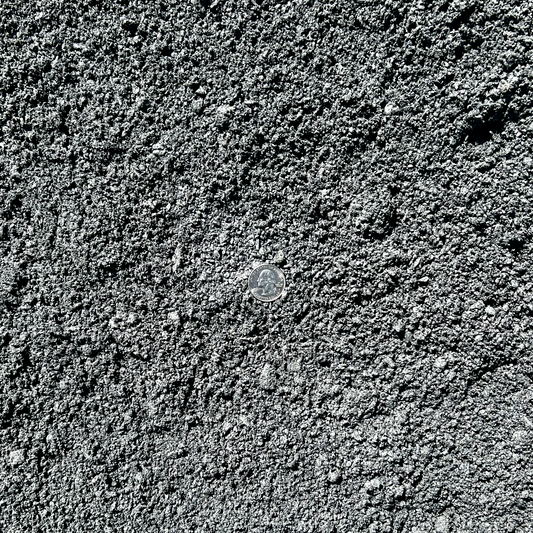
Many Rockport homeowners keep Coarse Sand as the everyday material and switch to 20/80 when they want some melt to help with plow-packed snow. The 20/80 mix is about 500 lbs of salt and 2,000 lbs of sand per cubic yard, so it adds bite without loading the slope with salt.
How much should you stock for a Rockport driveway?
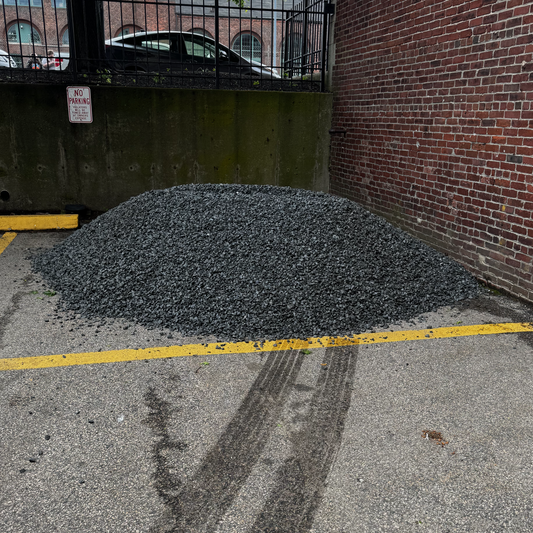
For a typical driveway around 50 feet long, 1–2 cubic yards of Coarse Sand covers a normal winter of traction. A longer or wider drive, or one that also serves a walkway and stairs, leans toward the 2-yard end or a mix of 1 yard sand and 1 yard 20/80. Each material is its own load with its own delivery fee, and the minimum order is 1 cubic yard. Pricing is on each product page, and the delivery fee for your ZIP shows at checkout.
Where should the bin go on a sloped lot?
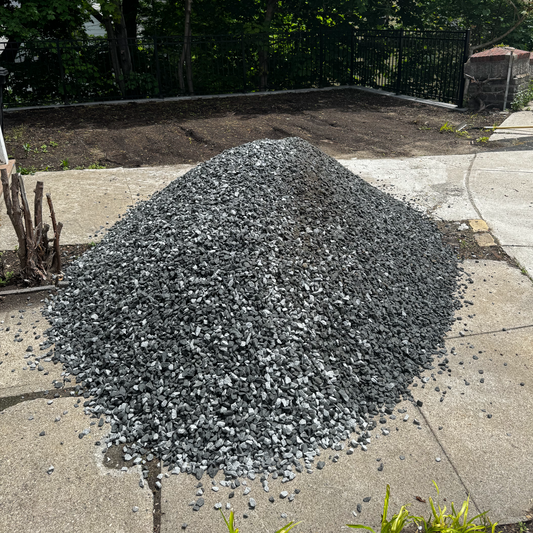
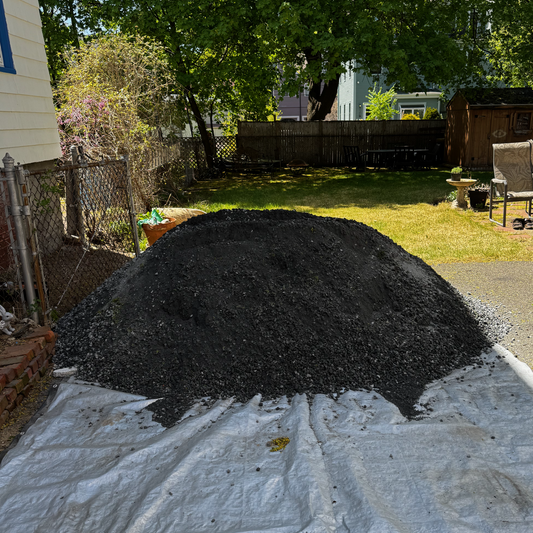
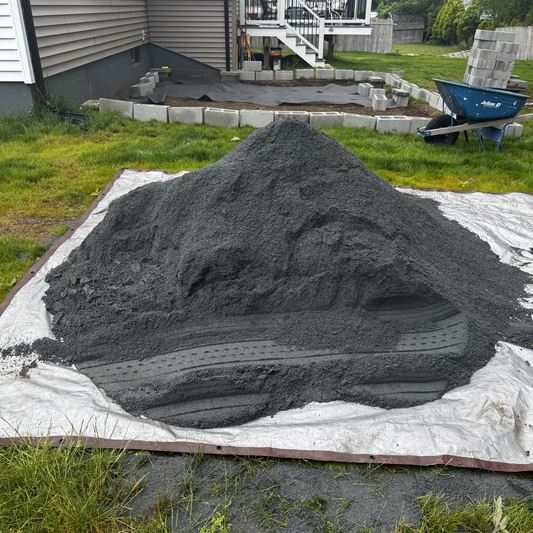
Put it at the top of the grade. You want to start every spread from the high point and work down with gravity on your side, and you do not want to carry a full bucket up an icy slope. A lidded bin or a tarped pile on a pallet, near the garage or the top landing, works well.
- Keep it covered and off the ground so the sand stays loose and the salt in a 20/80 mix does not clump.
- Keep it away from storm drains and planting beds so runoff does not carry salt into them.
Bulk drops are curbside or on the driveway by default, so plan on moving material to the bin by wheelbarrow. The truck needs about 13.5 feet of overhead clearance and 10 feet of width, and it cannot dump over fences. Mention a steep or tight drive when you order.
What is the best spreading routine on a steep drive?
- Shovel or plow first. Sand on top of deep snow just gets buried.
- Start at the top and spread in two wheel tracks down the full grade.
- Go heavier on curves and wherever ledge runoff crosses the drive.
- Reapply after a midday thaw refreezes, which is the most common Rockport failure point.
For more on sand types, see our guide to choosing the right sand, and for salt-sand blends, read signs a salt-sand mix fits your property. National Weather Service Boston posts forecasts for the North Shore that help you time a pre-storm refill. Browse the full salt and ice melt collection or our Rockport delivery page.
Frequently asked questions
Can I use Coarse Sand alone all winter?
Yes. It gives traction at any temperature. It will not melt ice, so shovel well and reapply after thaws.
Will sand damage my driveway?
No, but it stays on the surface. Plan a spring sweep and keep it out of lawn edges.
Is salt safe on new concrete?
Avoid chloride salt on concrete poured within the last year. Use Coarse Sand that first winter.
When should I order?
September or October, before the first-storm rush. Ottr delivers year-round, including winter.
Questions about an order? Call or text (617) 645-0987.