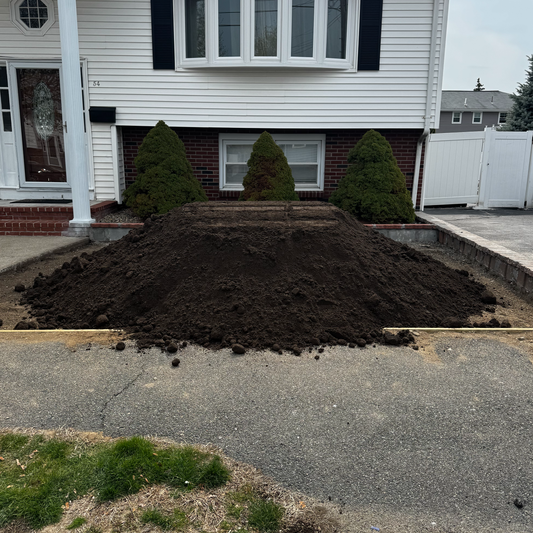
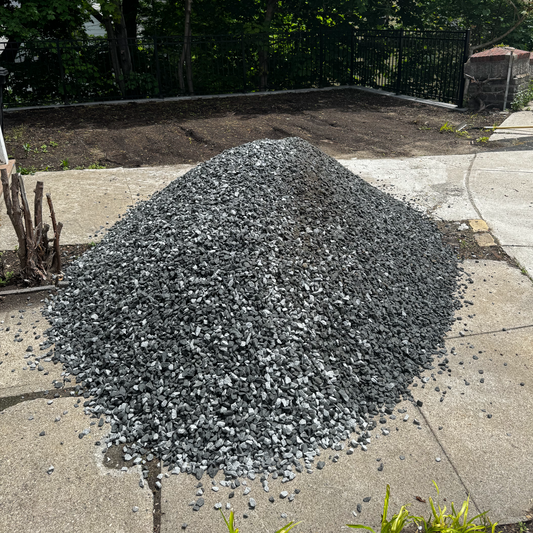
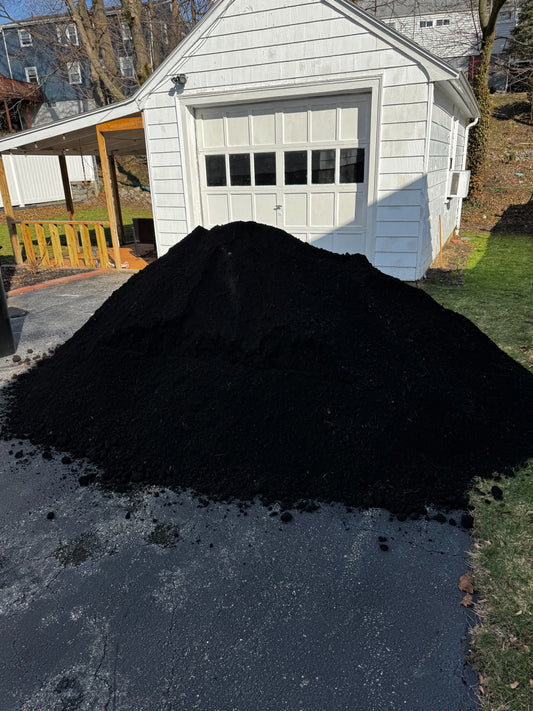
Many Somerset schools, churches, and community halls rely on a custodian and a few volunteers when it snows. Lots near the Taunton River and along County Street pick up wind off the water, and early-morning services and drop-offs mean someone has to treat walks before the plow contractor is even finished. A good station means one main material, clearly labeled, right where it is needed.
What should a Somerset church or school lot stock for winter?
| Material | Role | 10,000 sq ft lot, per storm | Season estimate |
|---|---|---|---|
| Salt & Sand 50/50 | Main material, melt plus traction | ~1 to 1.5 cubic yards | Commonly 6 to 12 cubic yards |
| Rock Salt (Treated) | Cold-snap reserve, entrances and ramps | ~0.3 tons per application | A small reserve, sized to your cold days |
| Salt & Sand 20/80 or Coarse Sand | Slopes, ramps, steps | As needed for grip | A cubic yard or two |
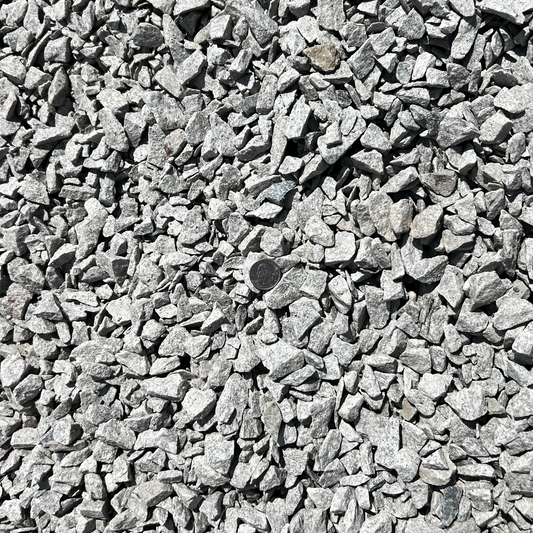
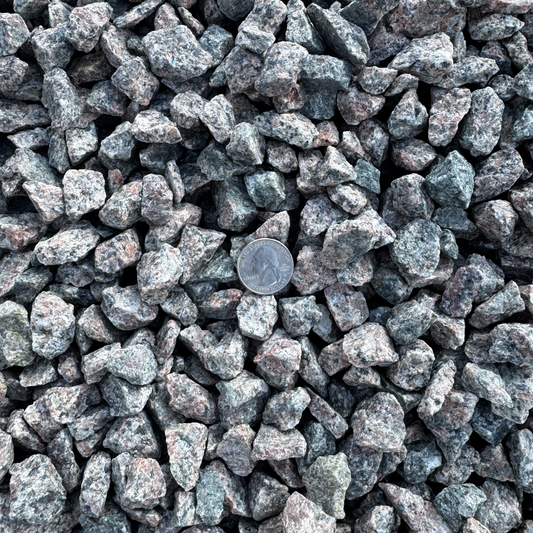
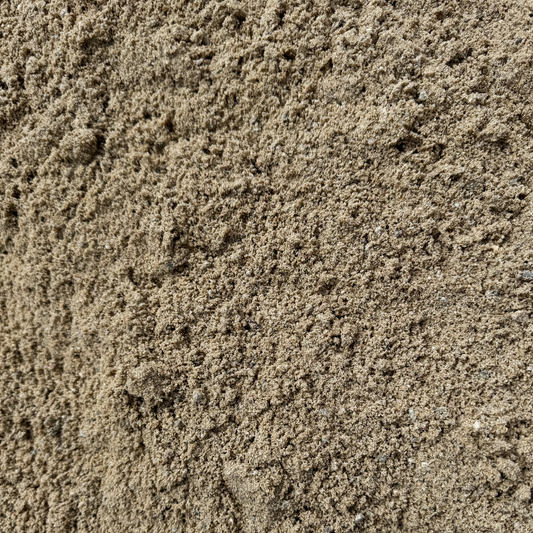
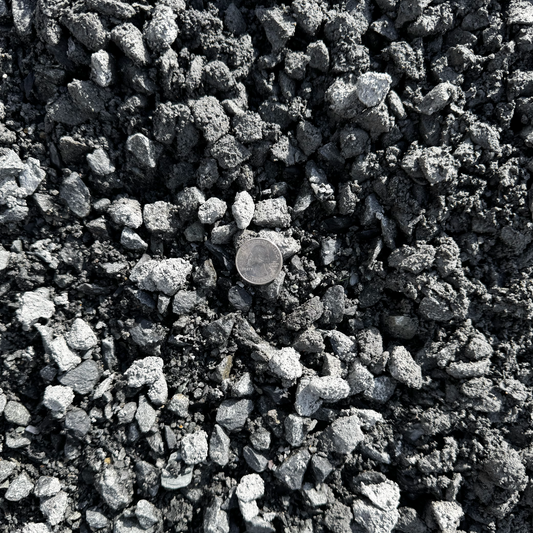
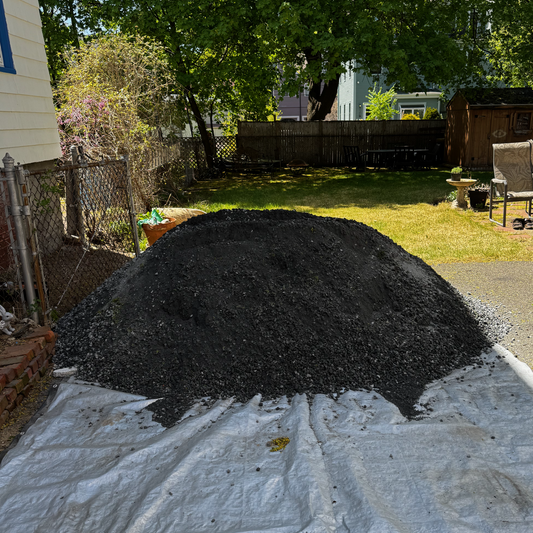
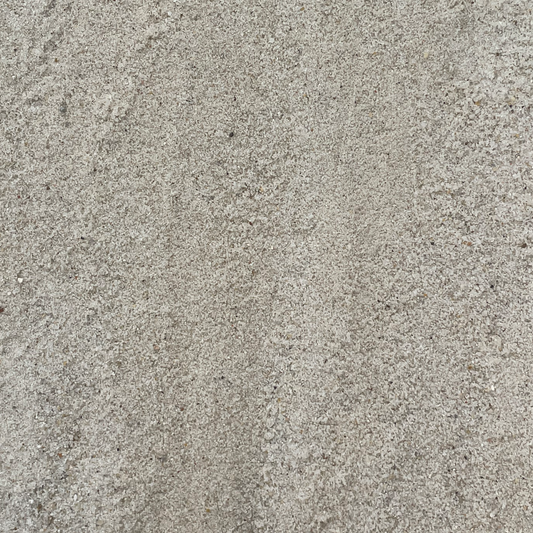
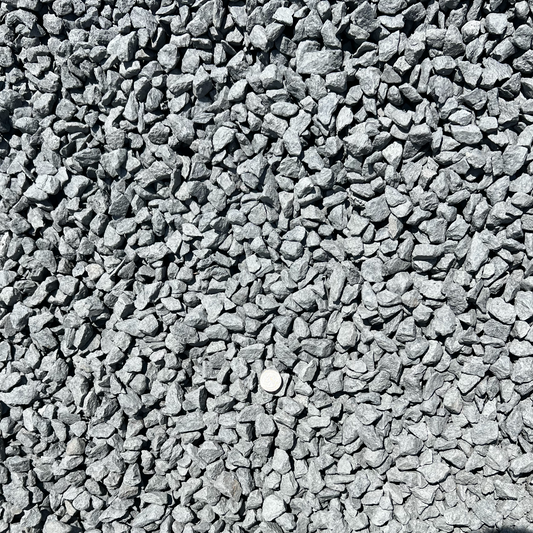
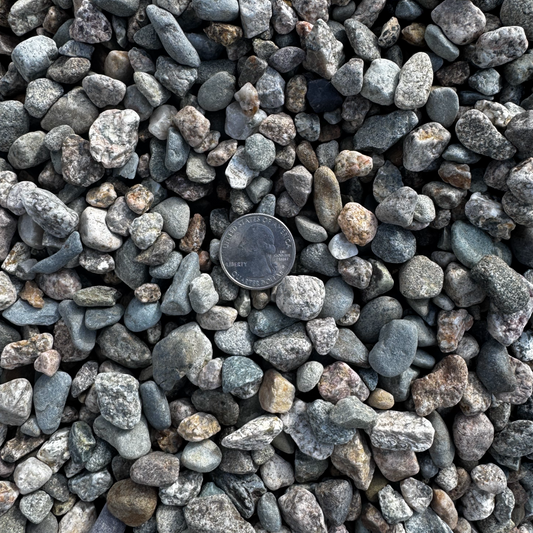
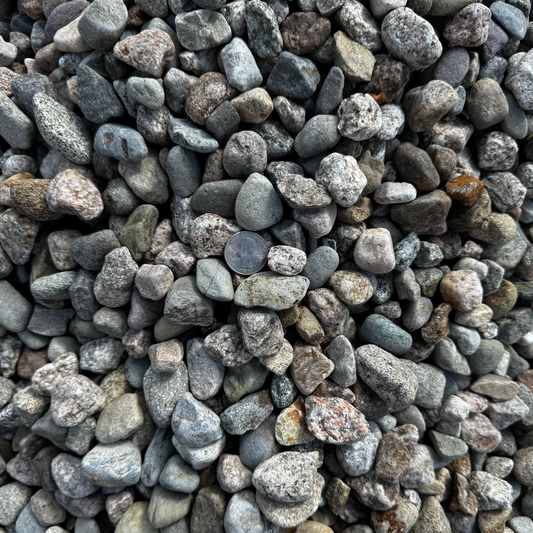
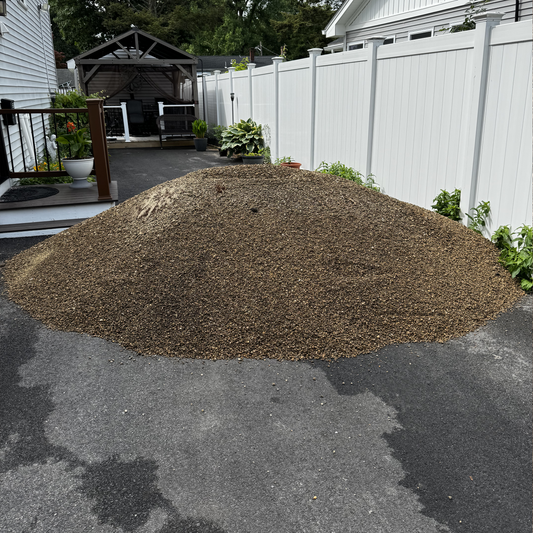
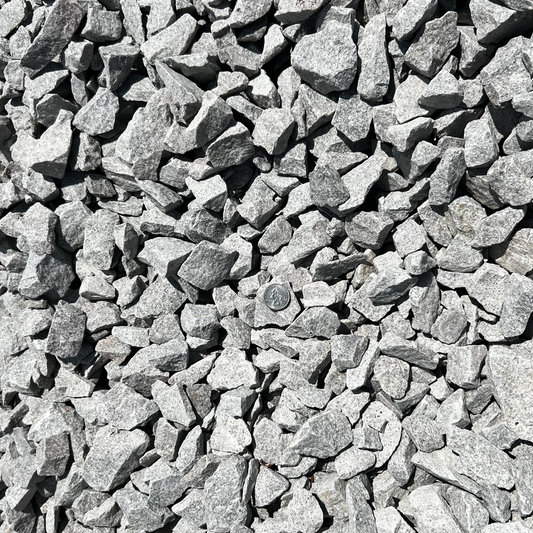
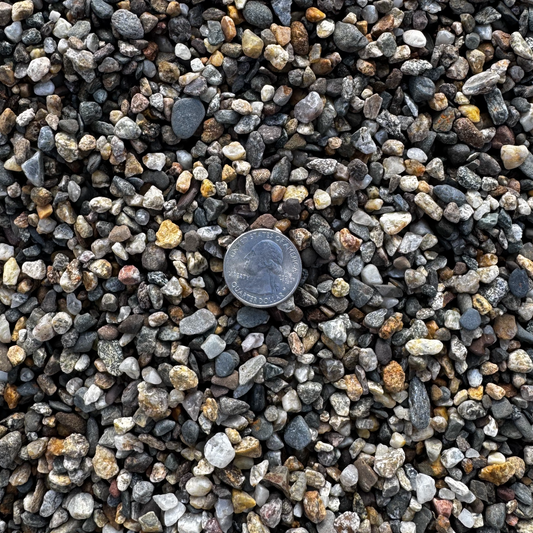
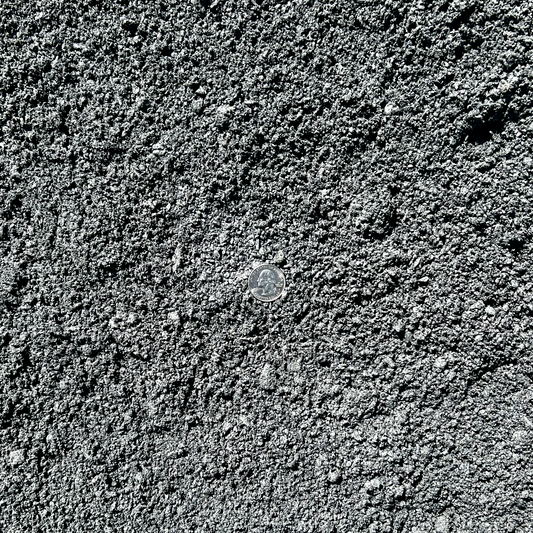
Salt & Sand 50/50 is half rock salt and half coarse sand by volume, roughly 2,600 lbs per cubic yard. It is the "one bin handles most storms" mix, which matters when the people spreading it change week to week. Its salt portion slows below about 20°F, which is why a treated reserve helps. Treated rock salt is pre-coated with magnesium chloride and keeps working down to roughly -15°F. For steeper ramps and paths, sand-heavy mixes from the sand collection or 20/80 give more traction.
How to set up the station, step by step
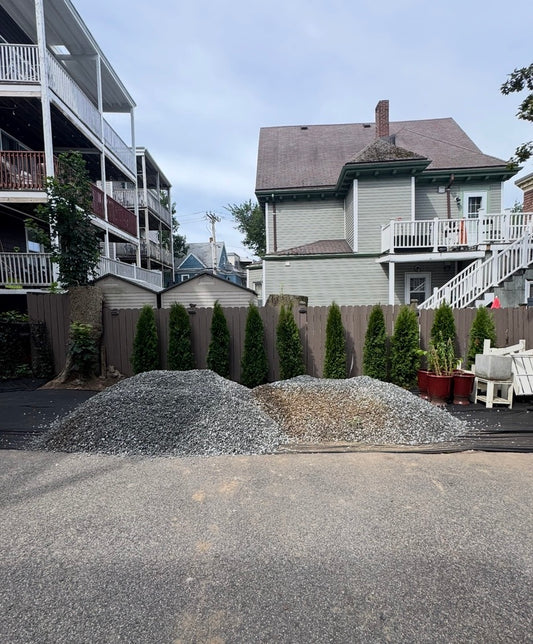
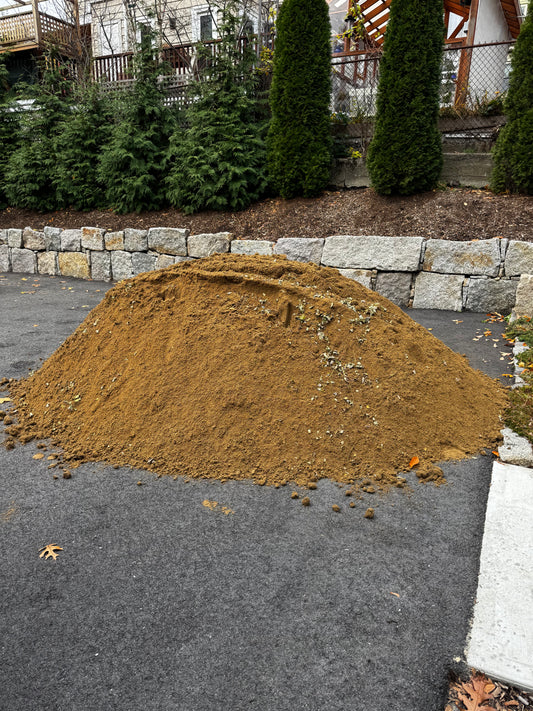
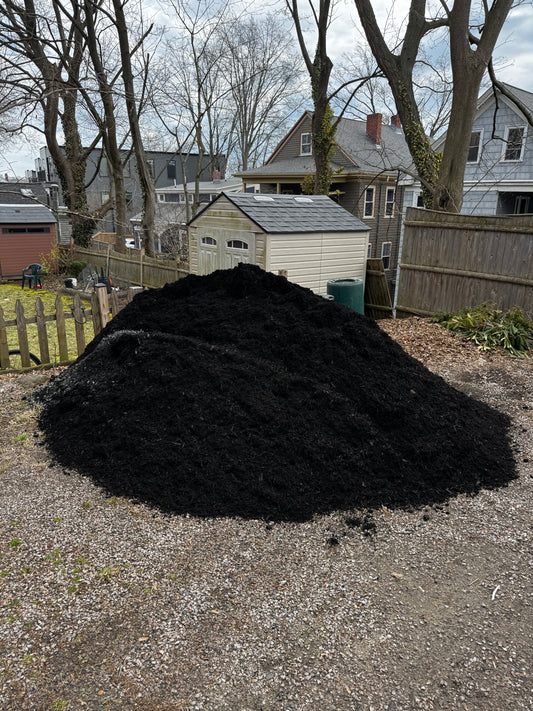
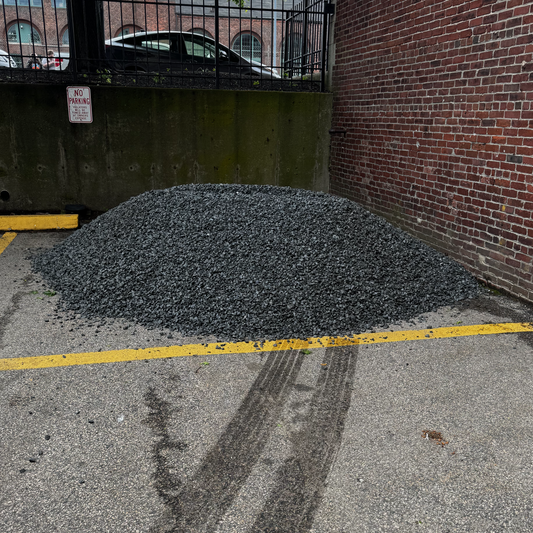
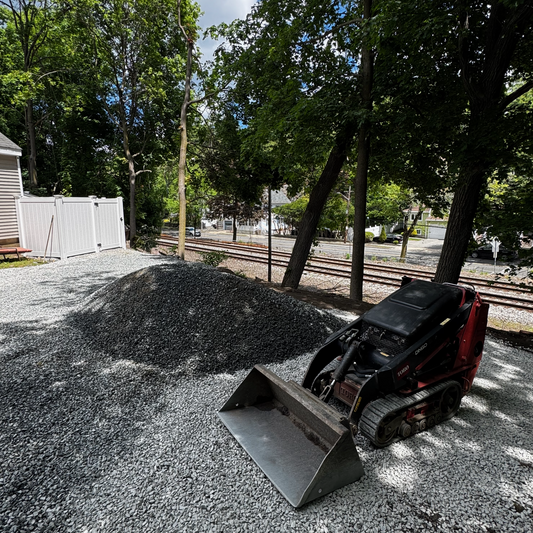
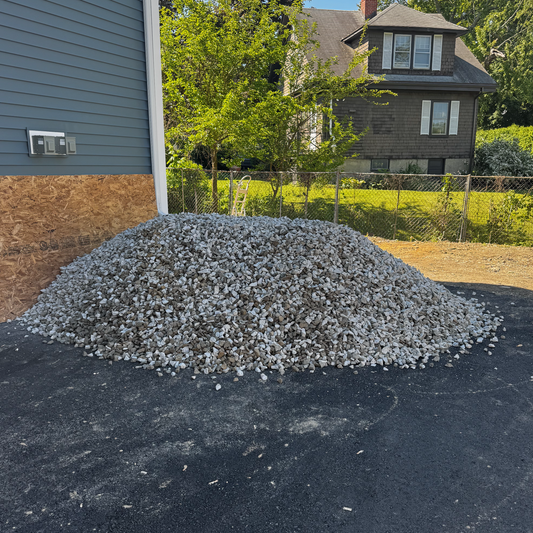
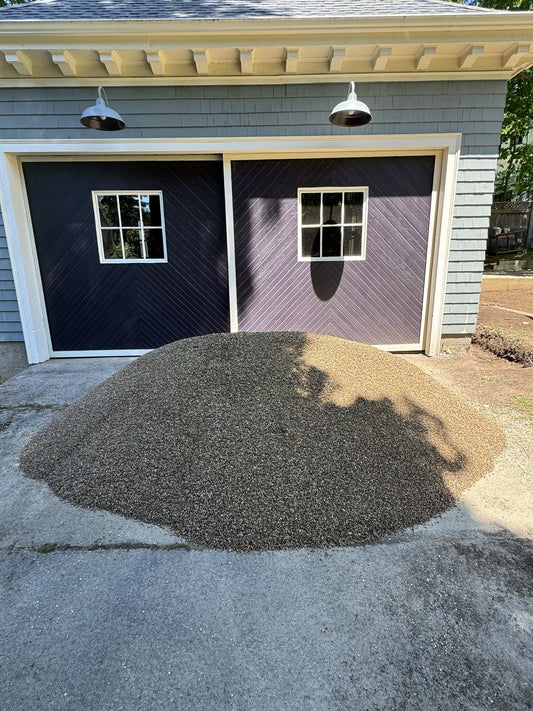
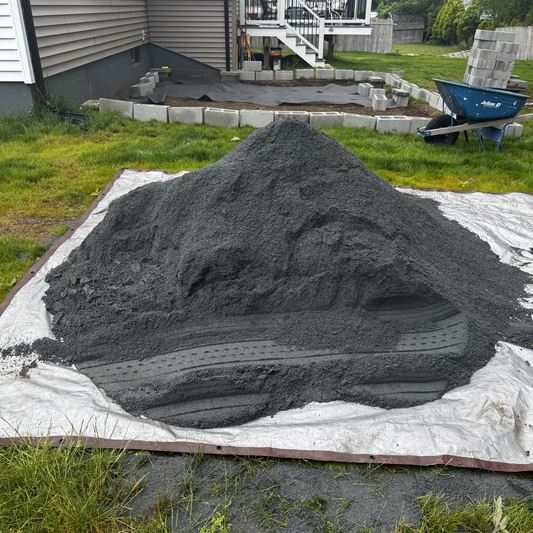
- Pick the stockpile spot. Choose a paved, level corner the truck can reach, with about 10 feet of width and 13.5 feet of overhead clearance. Keep it away from storm drains, plantings, and the building's main doors. Place a pallet or pad and have tarps ready before delivery.
- Order early and in the right loads. Salt and salt-sand deliver up to 6 cubic yards per load. Each material is its own load with its own delivery fee, so 50/50 and treated salt are two loads. Ordering in September or October avoids the first-storm rush.
- Cover the pile immediately. Tarp it, weight the edges, and keep it off the ground. Treated salt attracts water, so covered storage matters even more for that reserve.
- Place bins at every entrance. Put a lidded bin at each door, the accessible ramp, and the drop-off curb. Fill them from the main pile before the season and top off after each storm.
- Add scoops and a hand spreader. A plastic scoop in every bin keeps spreading light. A walk-behind spreader helps cover the lot quickly.
- Post a one-page routine. Clear first, spread light, use treated salt only on deep-cold days, keep material off lawns, and refill the bin when done.
- Plan the spring cleanup. Sand stays on the pavement, so schedule a sweep once the season ends.
How do volunteer crews avoid over-salting?
Over-salting wastes material and sends brine into lawns and storm drains. The EPA Southeast New England Program tracks how salt runoff affects local waterways, including in the Narragansett Bay watershed. Tell volunteers a scattered layer with visible gaps is enough. Our winter salt checklist for Seekonk properties is a good handout to adapt, and the Hyde Park salt-sand bin guide shows bin layouts for smaller sites.
Getting delivery to a Somerset lot
Ottr delivers salt and salt-sand mixes in bulk across the service area, including Somerset. See the Somerset delivery page for local details. Ottr delivers only, so spreading and plowing stay with your crew or contractor. Browse the salt and ice melt collection for product details. Pricing is on each product page, and the delivery fee for your ZIP appears at checkout.
Somerset salt station FAQ
Can we set up recurring winter deliveries?
Accounts can set up recurring winter orders. Email sales@ottrsupply.com or call or text to arrange it.
Can we use salt on a new concrete walkway?
Avoid chloride salt on concrete poured within the last year. Use coarse sand that first winter.
What if the stockpile clumps?
Salt absorbs moisture and can clump. Break it up and it still works.
Questions about a winter order for your lot? Call or text (617) 645-0987.