A Seekonk route usually mixes Route 6 retail plazas, the stretch of 114A near the Rhode Island line, office parks, and residential accounts on hilly side streets. The properties are spread out and there's a lot of square footage, and the first storm always seems to land before everyone has their salt in. This checklist is for getting material sorted out in September, when you can still plan instead of scramble.
1. Have you mapped every Seekonk account by area and surface?
- List every lot, drive, and walkway with approximate square footage.
- Flag slopes, ramps, ADA paths, loading docks, and shaded refreeze spots.
- Note concrete poured in the past year. Use sand for traction there instead of chloride salt that first winter.
- Note turf edges and beds where you'll want a sand-heavy mix to limit spring burn.
2. How much material does each storm take?
Start from the figures on our product pages, then adjust for your own application rates and equipment.
| Material | ~10,000 sq ft per application | Season, commonly |
|---|---|---|
| Treated rock salt | ~0.3 tons | 3–6 tons |
| Salt & Sand 50/50 | ~1–1.5 cubic yards | 6–12 yards |
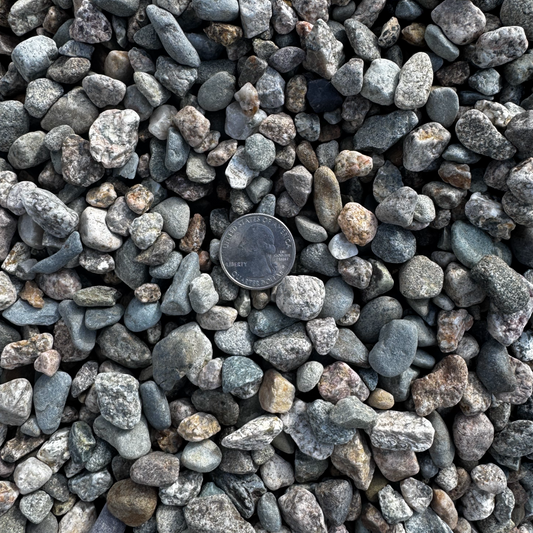
| Salt & Sand 20/80 | ~1.5–2 cubic yards | Stockpile 5–10 yards per small commercial property |
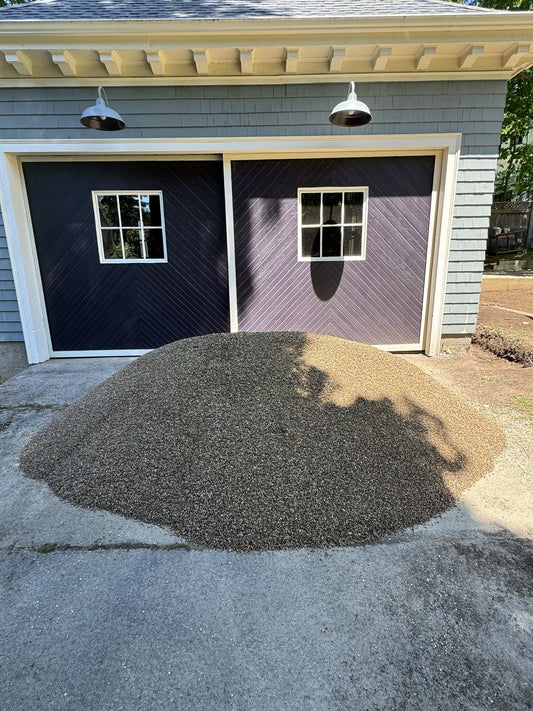
Untreated salt runs about 0.16 tons per application on a ~5,000 sq ft lot. It works well above roughly 20°F and essentially stops below about 15°F. Treated salt keeps working down to roughly -15°F, so it belongs on entrances and anywhere that has to stay clear in a cold snap. Many plow contractors lay in 8–15 yards of 50/50 before the season starts.
3. Stockpile up front or plan refills?
- Full stockpile: Best when you have covered space and accounts that can't wait. Treated salt usually sells out first in a deep-cold year, so stock it early.
- Base stock plus refills: Keep a few storms' worth on hand and reorder as you use it. Remember that every load is capped at 6 cubic yards, and each material is its own load with its own delivery fee. Two materials means two loads.
Contractor accounts can set up recurring winter orders. Email sales@ottrsupply.com or call or text to get one going. Our post on how nor'easters drive salt demand around Boston explains why refills get harder to schedule mid-storm.
4. Is your storage pad ready?
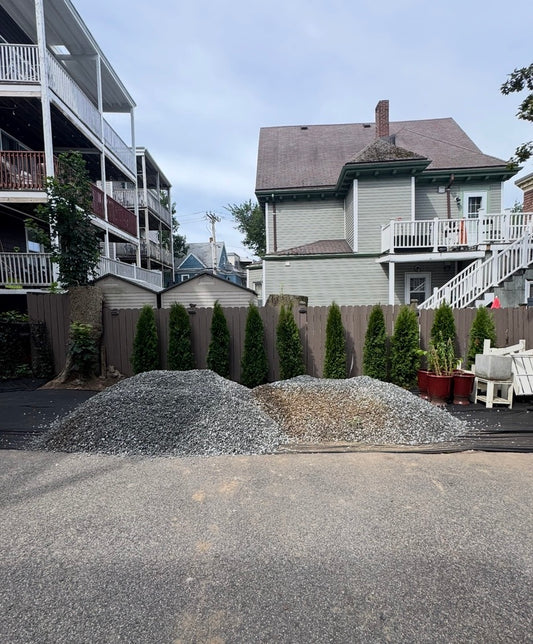
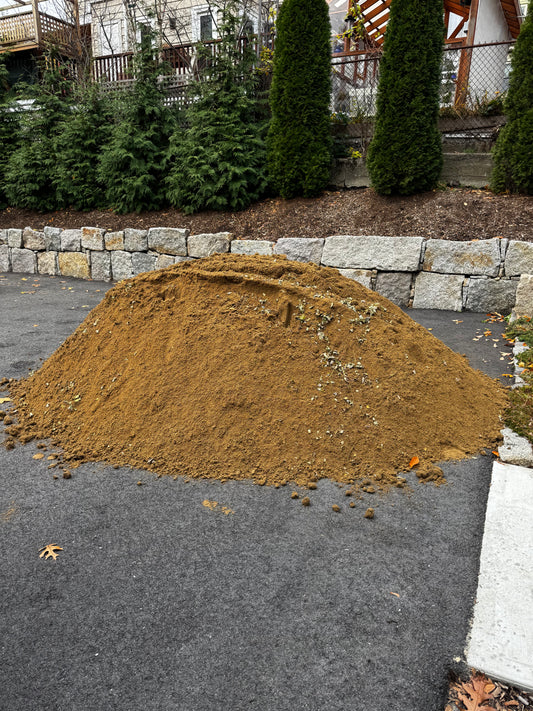
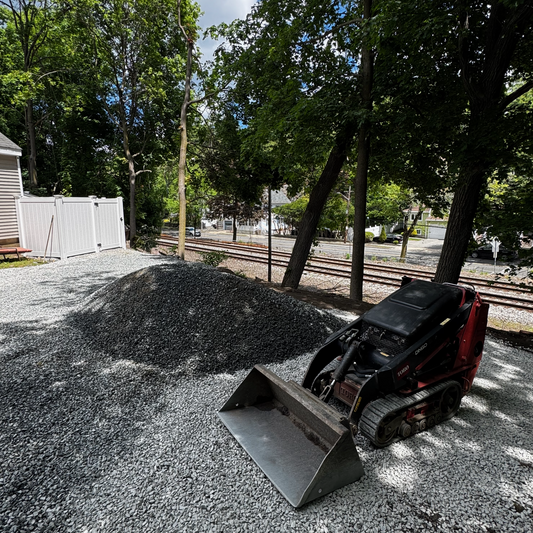
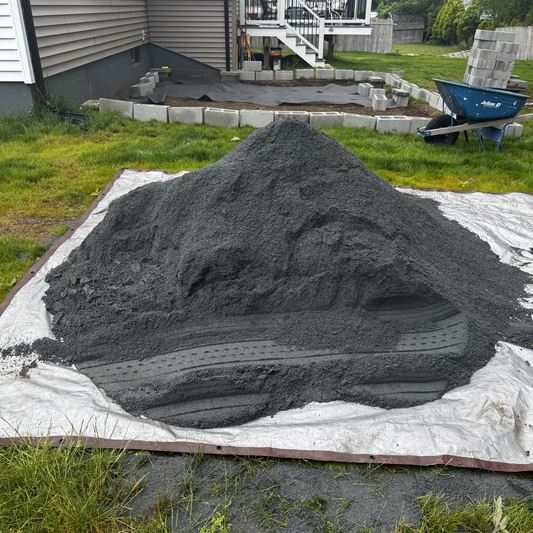
- Use a dry, covered area raised off the ground on a pad, away from storm drains and plantings.
- Store treated salt fully covered. The magnesium chloride coating pulls in moisture.
- Keep enough access for a dump truck: about 13.5 ft of overhead clearance and 10 ft of width. The truck can't dump over a fence or into a bin it can't back up to.
- Clumped salt still works once you break it up.
If your yard or pad base needs work, the Bristol County fall base work guide covers compacted gravel pads.
5. Who is watching the forecast?
Assign someone to track the NWS Boston/Norton forecasts and trigger reorders early. Watch for cold-snap outlooks so you can switch accounts to treated salt before the temperature drops below 20°F.
How do Seekonk contractors order?
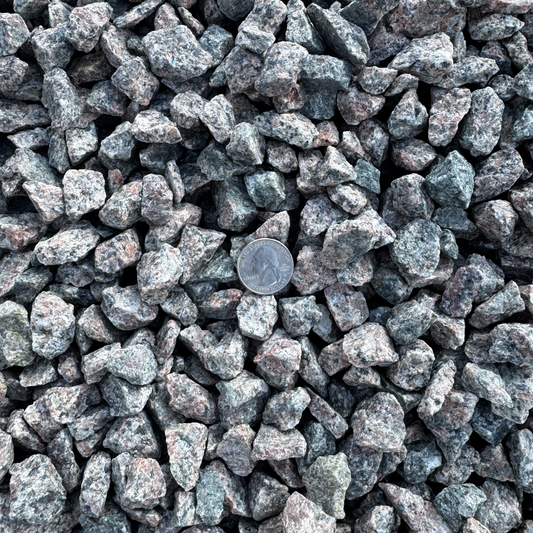
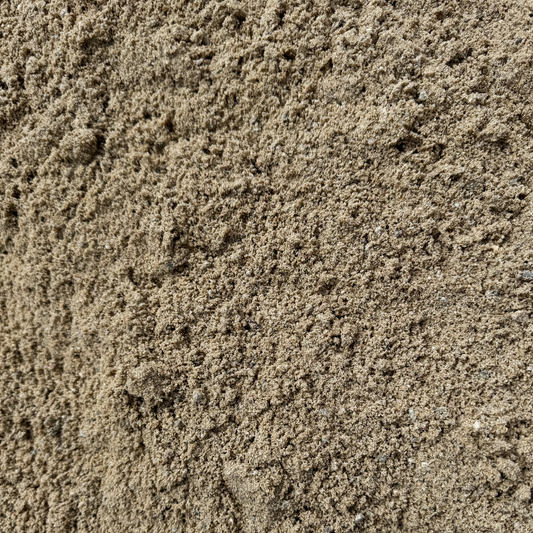
Ottr delivers rock salt and salt-sand mixes in bulk across the service area, year-round. Pricing is on each product page, and the delivery fee for a ZIP appears at checkout. Ordering in September or October helps you avoid the rush after the first storm. Browse the full salt and ice melt collection or the Seekonk landscape supply page.
Frequently asked questions
What is the most you can deliver in one load?
Up to 6 cubic yards of salt or salt-sand per load, with each material as its own load.
Can you set up recurring winter deliveries?
Contractor accounts can set up recurring winter orders through sales@ottrsupply.com or by call or text.
Do you spread or apply salt?
No. Ottr delivers only.
Treated or untreated for commercial lots?
Treated works in deeper cold and suits entrances and commercial lots. Untreated works fine above roughly 20°F.
Want to set up a contractor account? Call or text (617) 645-0987.