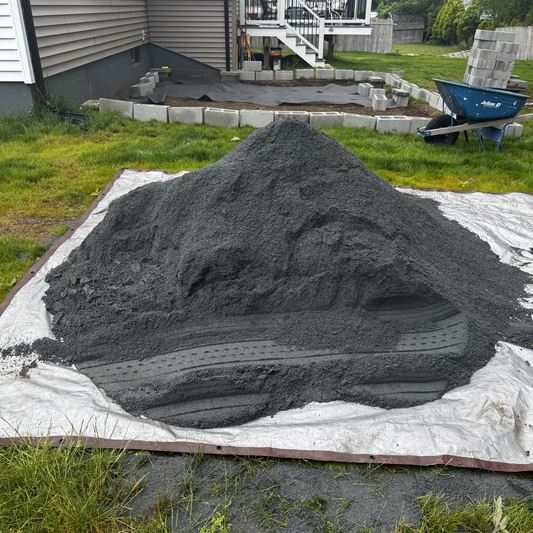
Swampscott driveways take a beating from two directions. Onshore wind off Nahant Bay drives wet snow and freezing spray inland, and many lots off Humphrey Street and up the hill toward Vinnin Square are short, steep, and edged tight against lawn or planting beds. That tempts people to over-salt, and the grass along the driveway pays for it in April. The fix is less salt, placed better.
Why does salt burn the grass along a Swampscott driveway?
Rock salt is sodium chloride. As it melts snow, the brine runs to the lowest point, which on most driveways is the lawn edge. Snow piles concentrate it further. When the ground thaws, that salty water soaks into the root zone and pulls moisture from grass and shrub roots, leaving the familiar brown band in spring.
The EPA's Southeast New England Program tracks how road salt runoff affects local water, and the same principle holds at driveway scale: the less that leaves the pavement, the better.
How much salt does a Swampscott driveway actually need?
| Area | Material | Per storm | Season stockpile |
|---|---|---|---|
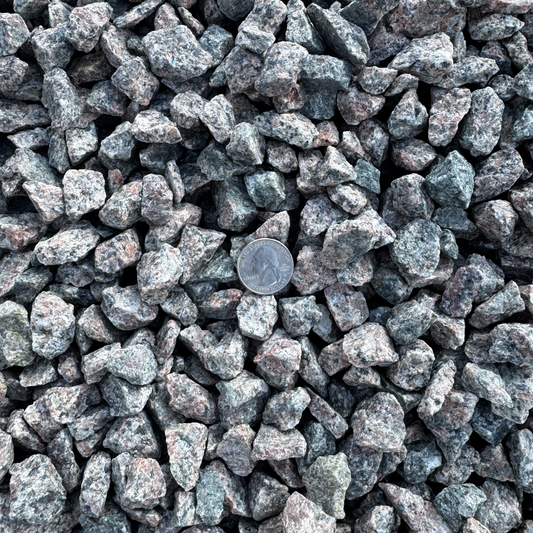
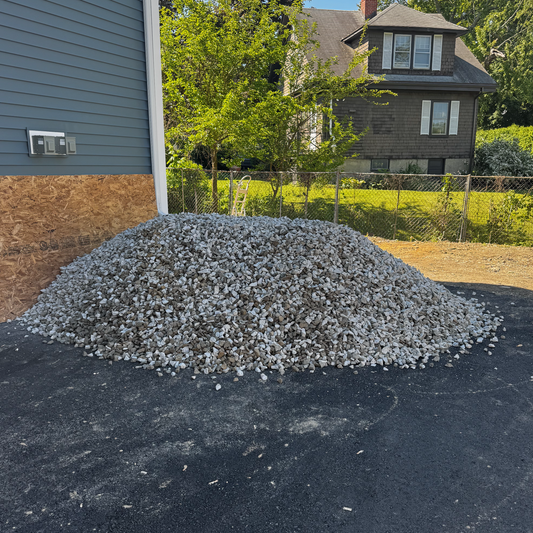
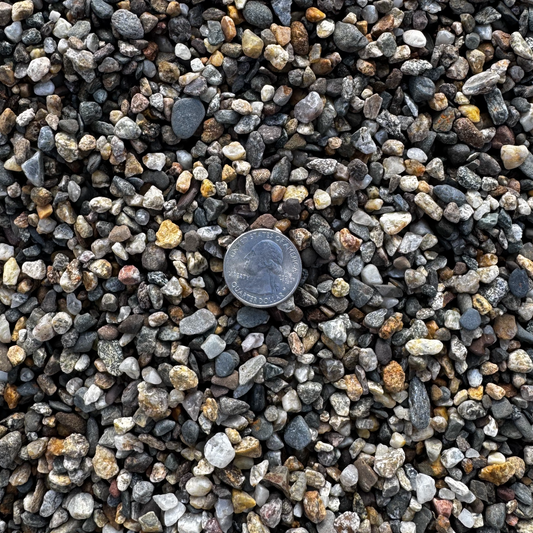
| Typical driveway, ~600 sq ft | Rock Salt (Untreated) | 25 to 40 lbs | About a half-ton covers most homes |
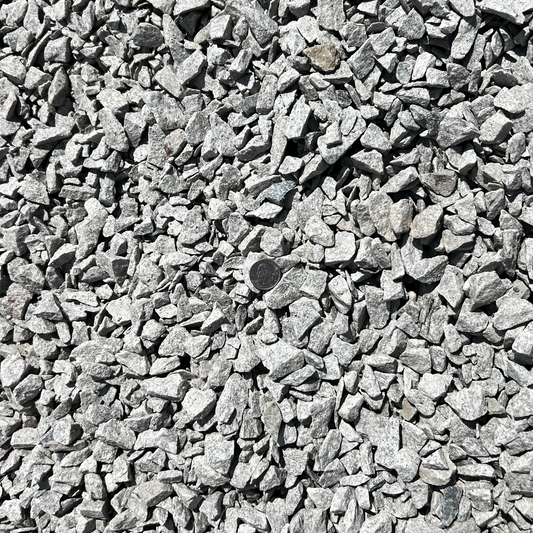
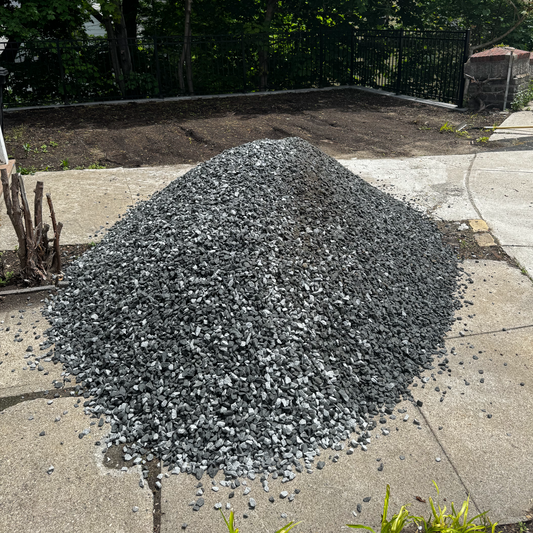
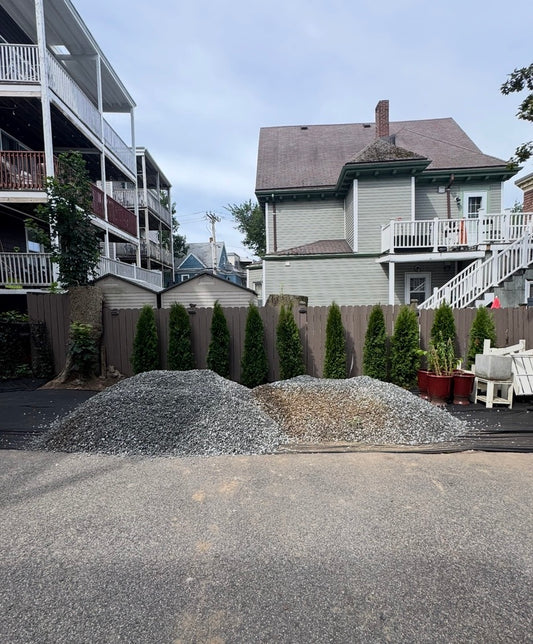
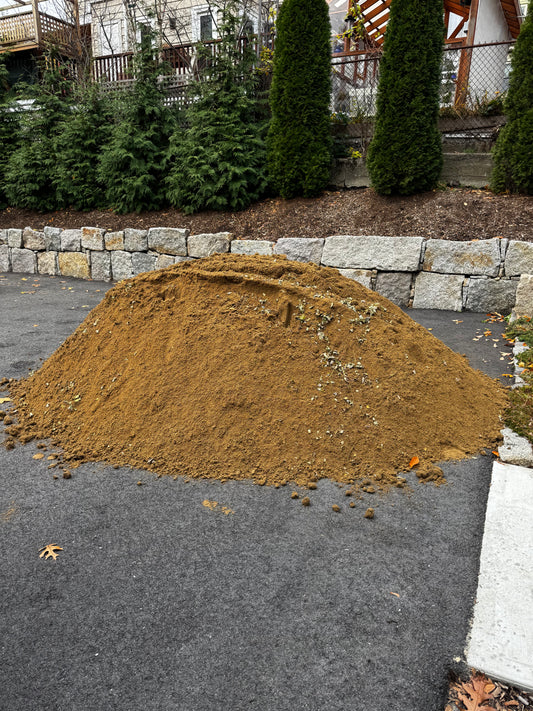
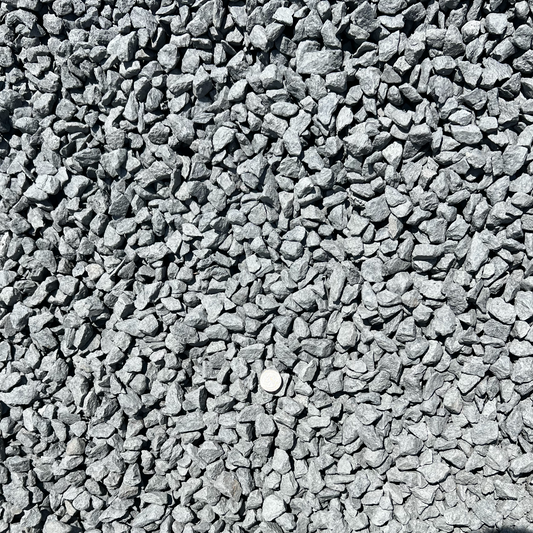
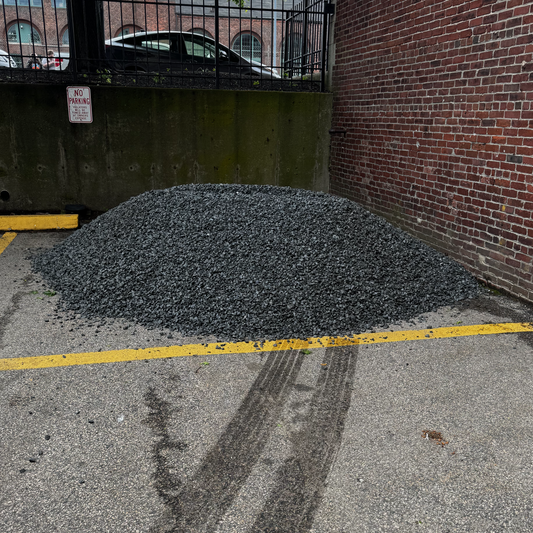
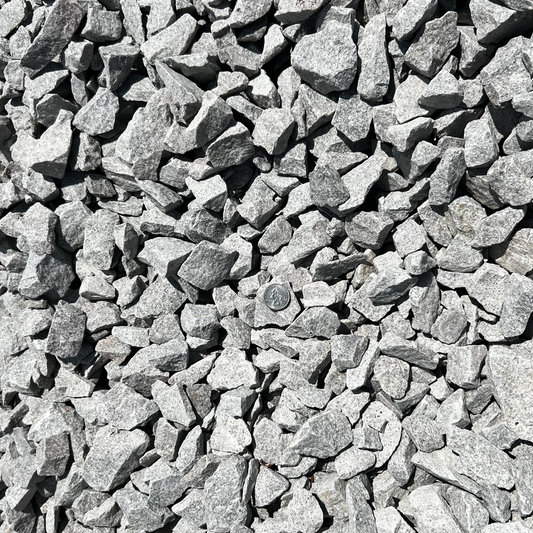
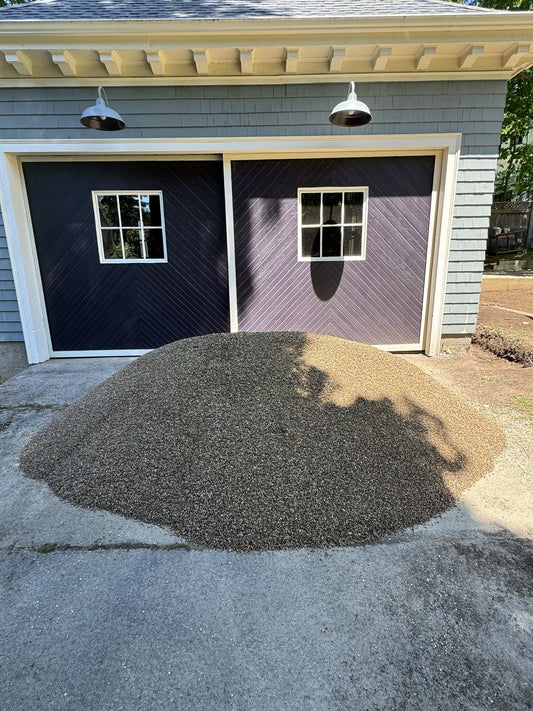
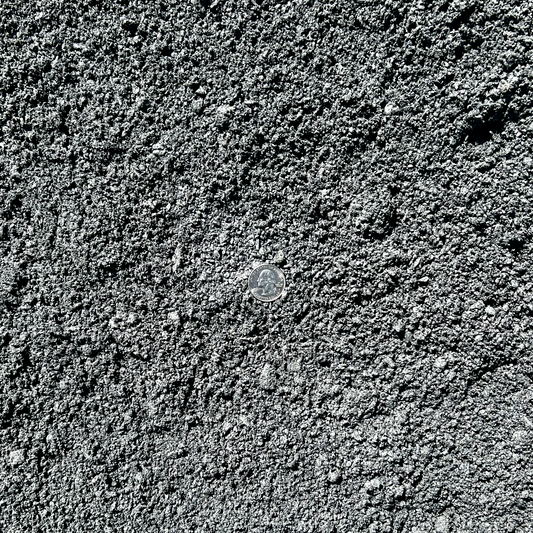
| Strip along lawn or beds | Salt & Sand 20/80 or Coarse Sand | Light scatter for traction | 1 to 2 cubic yards |
| Steep section or walkway steps | Salt & Sand 20/80 | Enough to show grit, not cover | Shared with the strip pile |
A light scatter with visible gaps between grains still undercuts the ice.
Step-by-step: salting a driveway that borders a lawn
- Shovel or plow before you spread. Salt is for the thin layer left behind, not inches of snow.
- Spread lightly down the center. Work the middle of the driveway with a hand spreader or scoop. Untreated rock salt works well above roughly 20°F; below that, it slows down, so do not add more to compensate.
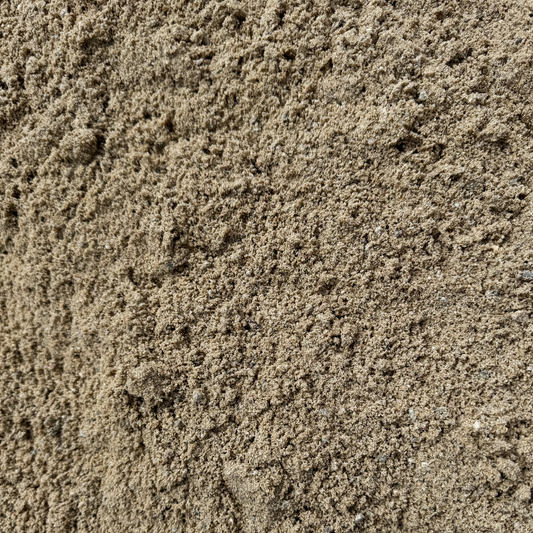
- Keep a salt-free strip along the grass. Leave the outer foot or so untreated. If it needs traction, use Salt & Sand 20/80, which is mostly coarse sand with a light melt, or straight coarse sand.
- Pile snow away from beds. Push plowed snow onto a part of the yard that can tolerate it, not onto shrubs or the strip you are trying to protect.
- Store the stockpile dry and away from turf. Keep salt covered, off the ground on a pad, and away from storm drains and plantings. A tarp and lean-to works for a half-ton.
- Flush the edges in spring. Once the ground thaws, run a hose or sprinkler along the driveway edge for a long, slow soak to push salt below the root zone, then sweep up leftover sand.
How do you repair a Swampscott lawn edge that already burned?
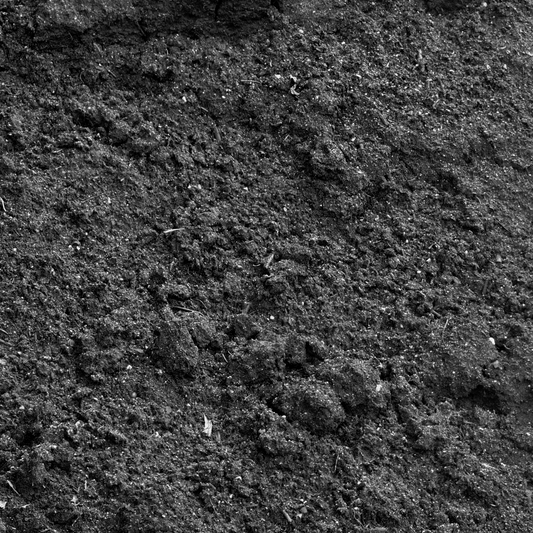
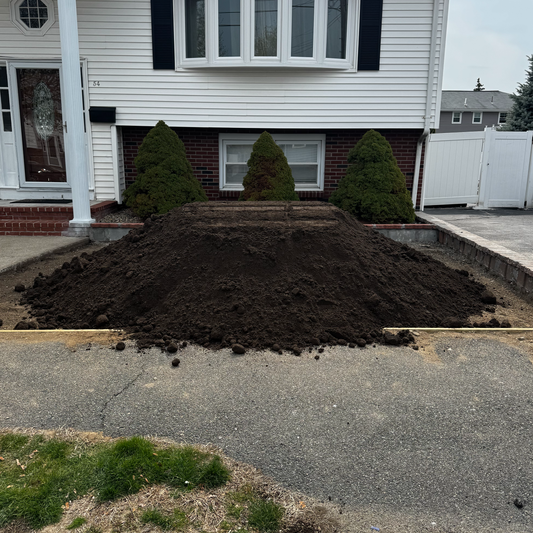
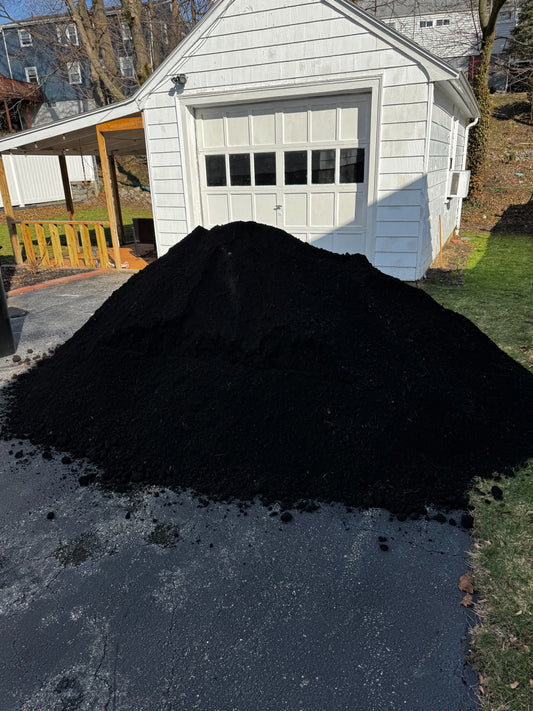
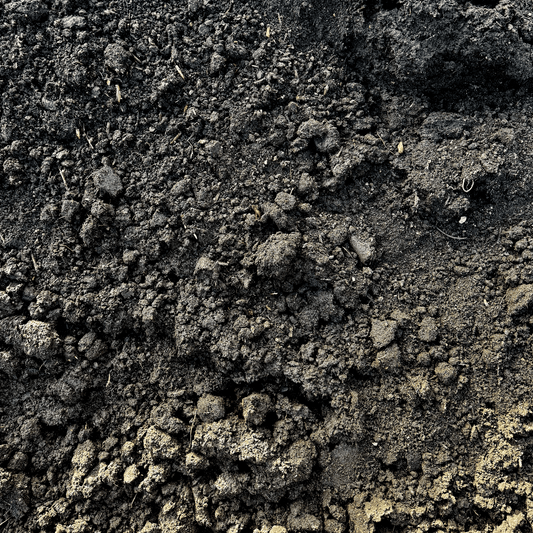
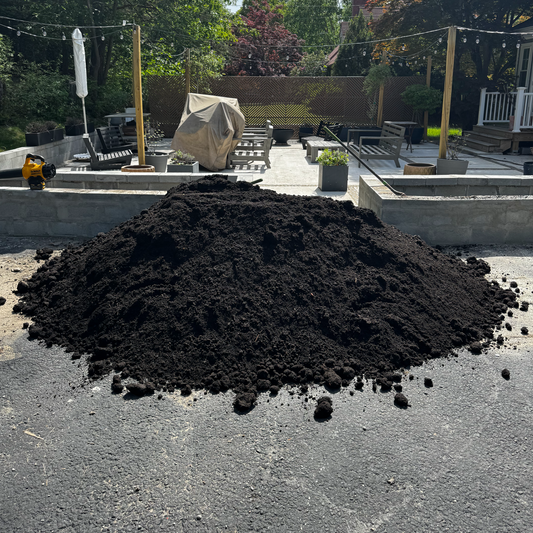
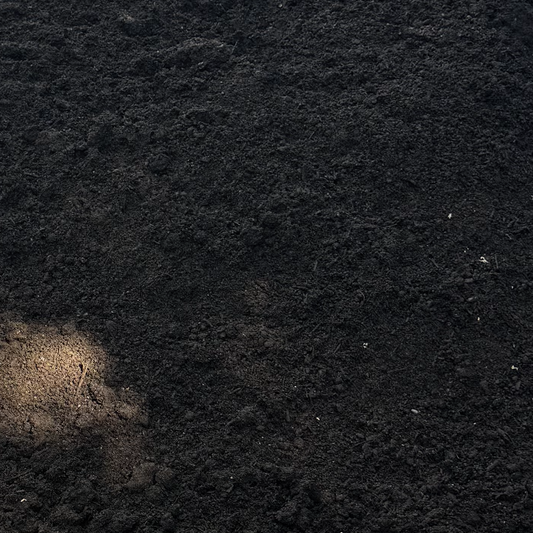
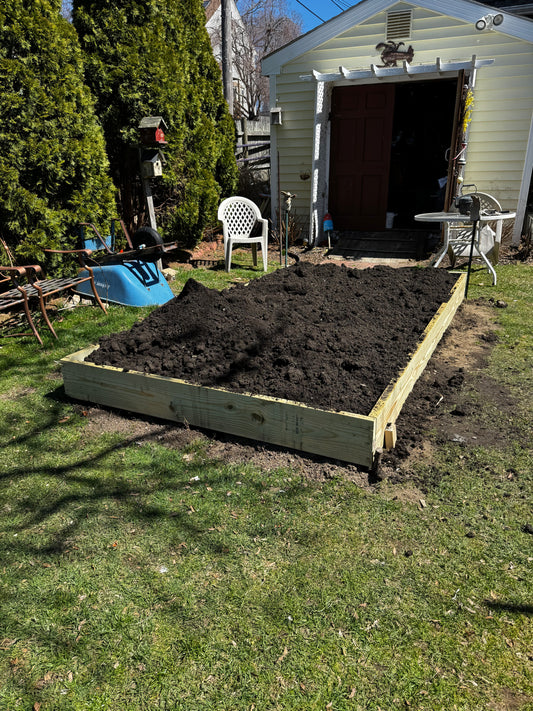
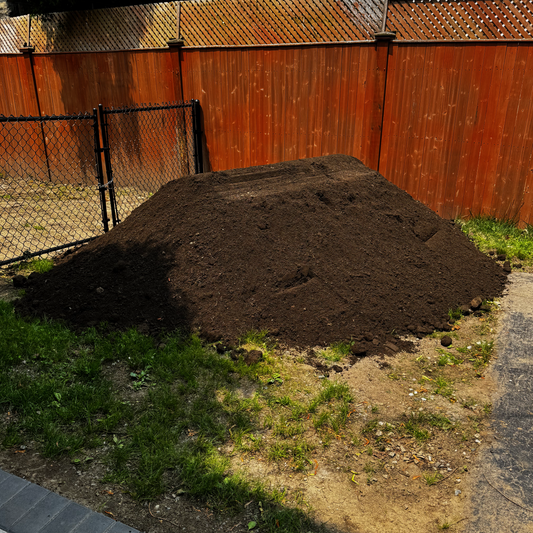
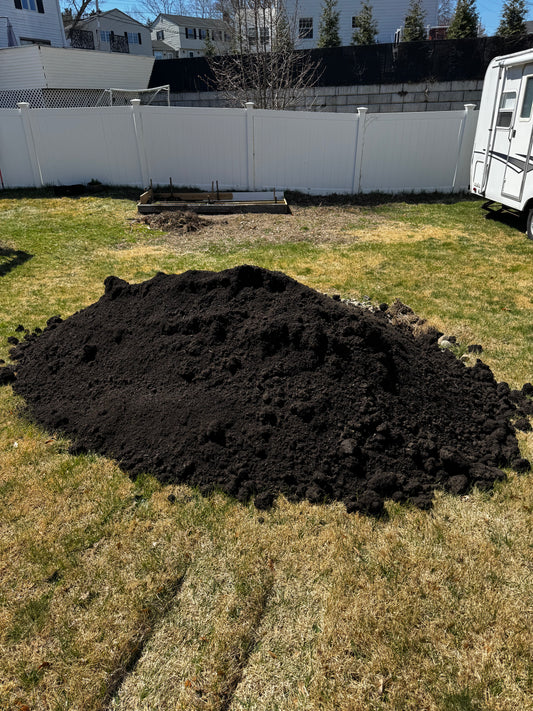
Flush first, then rebuild. Rake out dead grass, top the strip with an inch or two of screened loam from our soil collection, and seed once temperatures allow in spring. Our article on repairing salt damage along Brookline walks covers the timing in more detail, and rock salt and lawns in Newton explains how to read the damage pattern. UMass Turf has more on salt-tolerant lawn care.
When should Swampscott homeowners order winter salt?
September and October. Ordering early avoids the first-storm rush. Ottr delivers rock salt and salt-sand mixes in bulk across the North Shore, with a 1 cubic yard minimum and drops curbside or in the driveway. Each material is its own load with its own delivery fee, so a pile of salt and a pile of 20/80 are two loads. Browse the salt and ice melt collection for product details, or see what else we deliver on the Swampscott delivery page. Pricing is listed on each product page, and the delivery fee for your ZIP appears at checkout.
Swampscott driveway salting FAQ
Is treated or untreated rock salt better near grass?
Both are sodium chloride and both can burn turf. Use less of either and switch to 20/80 or sand at the edge.
Can I use salt on a new concrete apron?
Avoid chloride salts on concrete poured within the last year. Use coarse sand for traction that first winter.
Is rock salt hard on dogs' paws?
It can irritate paws. Wipe your dog's feet after walks and keep the walkway you use most on sand.
What if my salt clumps in storage?
Salt absorbs moisture and can clump. Break it up and it still works.
Questions about a winter order? Call or text (617) 645-0987.