Quick Answer
In Waltham, prune Knockout roses late February through mid-March — cut the entire shrub to 18–24 inches, remove all dead and crossing canes, leave 5–7 strong outward-pointing canes, and top-dress with 1 inch of compost. Knockouts bloom on new wood, so a hard cut now produces bigger flowers and a denser shrub all summer. Use sharp bypass pruners; never anvils. The job runs 20–30 minutes per shrub.
Why Knockouts Get a Hard Prune
Knockout roses bloom on the current season's growth. A hard February cut forces a flush of vigorous new shoots that flower from June through frost. Skip the prune and you get a leggy, overgrown shrub with smaller flowers held high above bare lower canes — the classic neglected Waltham front yard look.
In Waltham, where Knockouts line driveways from Cedarwood to South Street and edge the foundations of triple-deckers and ranches alike, late-winter pruning is the single most important rose-care move of the year.
When to Prune in Waltham
Waltham sits inland in Middlesex County, USDA Zone 6b. The pruning window is February 25 through March 15 in a normal year. Three local cues:
- Forsythia buds visibly swelling but not open
- No more 0°F nights forecast for 10 days
- Soil thawed enough to walk the bed without sinking
If snow is on the ground, prune anyway. Snow doesn't bother the plant; the cut canes sit above the snow line. If the canes are encased in ice, wait a few days for thaw.
Tools You'll Need
- Sharp bypass pruners — for canes up to ½ inch. Anvil pruners crush rose wood; never use them. See the pruner sharpening playbook.
- Loppers — for canes ½ to 1 inch
- Heavy leather gloves — Knockout thorns shred cotton garden gloves
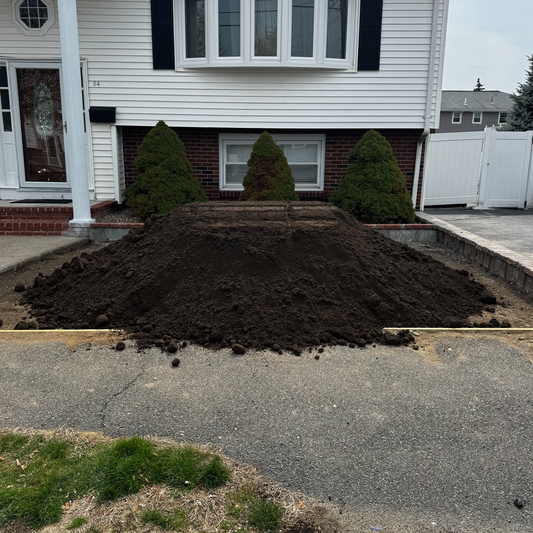
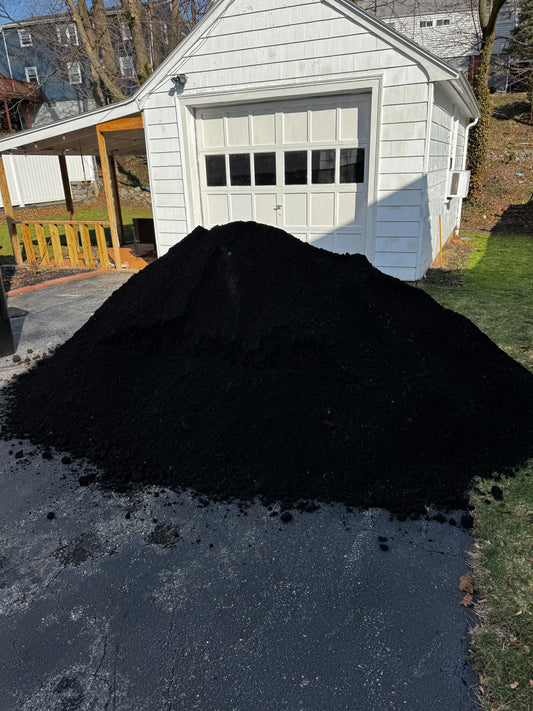
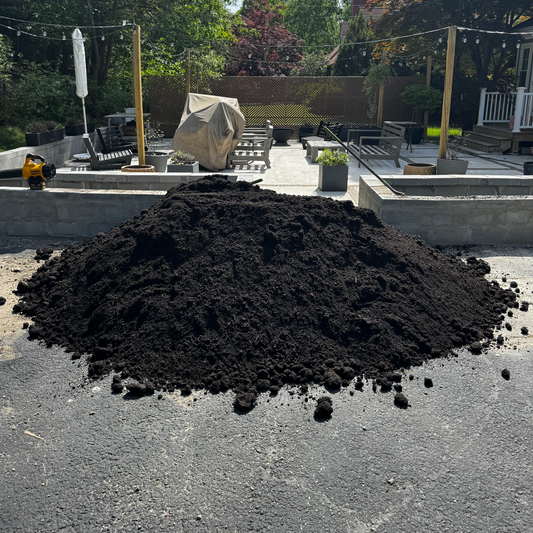
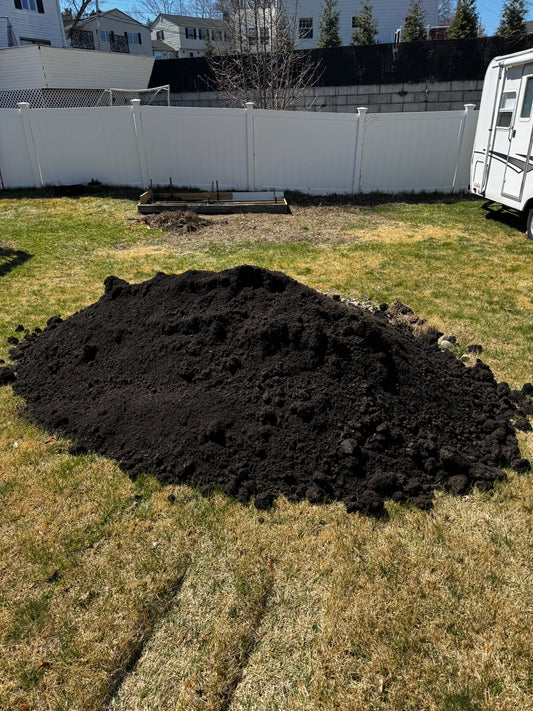
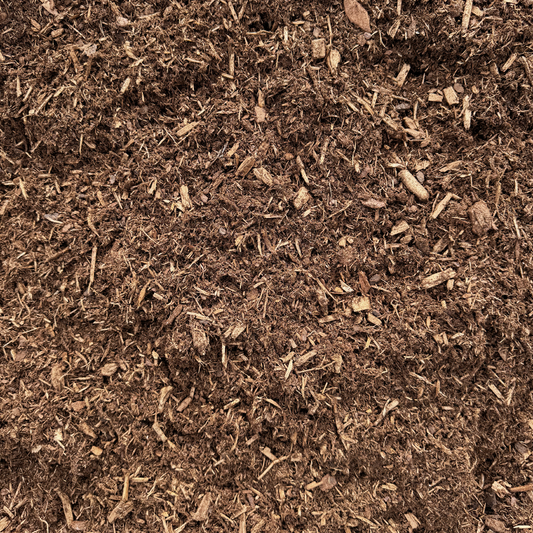
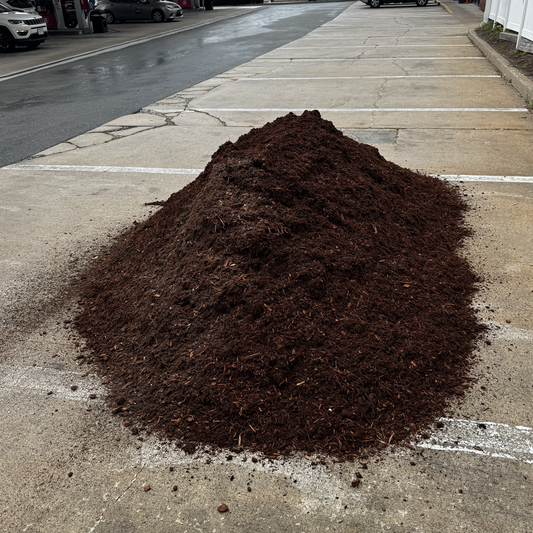
- ¼ cubic yard of compost or Topsoil Loam ½" Screened — covers about three mature shrubs at 1-inch depth
Step 1 — Cut the Whole Bush to 18–24 Inches
Knockouts respond to hard pruning. Cut every cane down to 18–24 inches above the ground. The whole bush. Cut at a 45-degree angle, ¼ inch above an outward-facing bud (a small reddish nub on the cane).
If the shrub is overgrown (4+ feet tall and wide), this single cut takes off most of the plant. That's correct. By July, the shrub will be 4 feet of dense, blooming foliage.
Step 2 — Remove Dead, Weak, and Crossing Canes
After the height cut, look at what remains:
- Dead canes — brown, brittle, no green inside when scratched. Cut to the base.
- Weak canes — anything thinner than a pencil. Cut to the base.
- Crossing canes — any two canes rubbing each other. Cut the weaker one.
- Inward-growing canes — anything pointed back toward the shrub's center. Cut to the base.
You want 5–7 strong, outward-pointing canes remaining on a mature bush. A young shrub may have only 3–4; that's fine.
Step 3 — Disinfect Between Plants
If you're moving from one Knockout to another (or from a diseased shrub to a healthy one), wipe the blade with a 70% rubbing alcohol wipe between plants. Knockouts are mostly disease-resistant, but rose rosette virus has appeared in eastern MA over the last decade. Don't transmit it on dirty pruners.
Step 4 — Top-Dress with Compost
Spread 1 inch of compost in a 24-inch ring around each plant, kept 2 inches off the canes themselves. This feeds the spring flush without the salt burn of synthetic fertilizer applied too early. A quarter cubic yard covers roughly three mature shrubs.
Browse the Plant Establishment & Tree Planting collection for compost sized to small bulk orders, and the Waltham landscape supply page for delivery scheduling.
Step 5 — Clean Up the Bed
Rake out fallen leaves and last year's mulch from under the rose. Rose foliage carries blackspot fungal spores that overwinter on dead leaves; bag and dispose, don't compost. Apply fresh mulch only after the soil warms in April. For neighbor context on pruner sharpening done the same week, see 5 Pruner Sharpening Tips for Roslindale Homeowners. For the parallel vole-damage list useful when you spot lawn damage at the rose-bed edges, see 5 Vole-Damage Repair Tips for Scituate Lawns. The 2026 follow-up on Brockton drainage issues sits at Drainage Issues in Brockton for related late-winter water problems.
What to Expect This Spring
By late April, you'll see new red shoots from each cut. By Memorial Day, the bush will be 18–30 inches and budding. By mid-June, full bloom — and that's the show the February cut produces.
For ongoing rose-care guidance, the American Rose Society has authoritative national resources. Knockouts respond similarly across regions, with Waltham-specific timing being the late-February to mid-March window above.