Quick Answer
In Plymouth, MA, prune smooth hydrangeas (Annabelle) and panicle hydrangeas (Limelight, Bobo) in late February or early March — cut canes back by one-third to one-half above an outward-facing bud, remove all dead wood, and top-dress with 1 inch of compost. Bigleaf hydrangeas (mopheads, lacecaps) are different: don't cut into them now, just remove obvious dead wood. The window in Plymouth opens once nighttime lows stay above 20°F for a week.
Why Late February in Plymouth
Plymouth sits in USDA Zone 7a along the coast, Zone 6b inland toward Carver and Plympton. By late February, the worst freezes are behind you but the canes are still fully dormant — the plant won't push new growth into a hard frost after you cut. Prune too early (mid-January) and a 5°F night can kill back the cut tips. Prune too late (mid-April) and you'll cut off the buds that produce summer flowers on bigleaf types.
The right Plymouth window is the last week of February through the second week of March. If snow is still on the ground, that's fine — prune anyway. If buds are visibly swelling on bigleaf types, stop and wait until next year for those.
Tools You'll Need
- Sharp bypass pruners for canes up to ½ inch — anvil pruners crush hydrangea wood, don't use them. See the pruner sharpening playbook before you start.
- Loppers for canes ½–1 inch
- Pruning saw for old, woody canes over 1 inch on mature panicle hydrangeas
- Bucket for cuttings
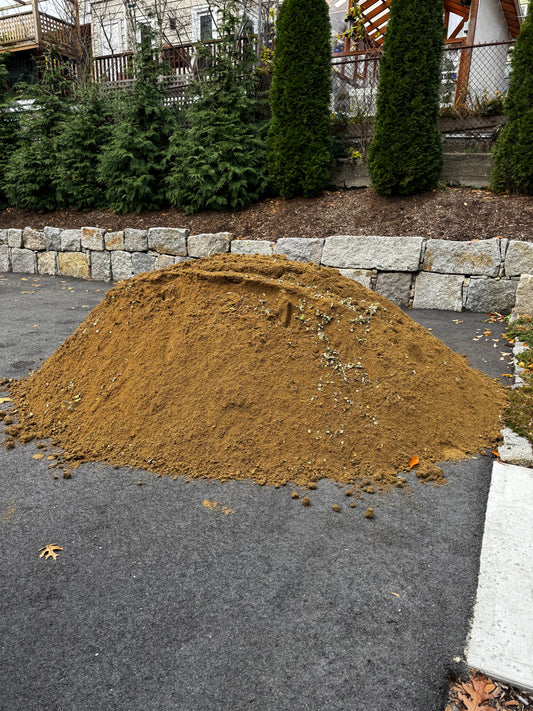
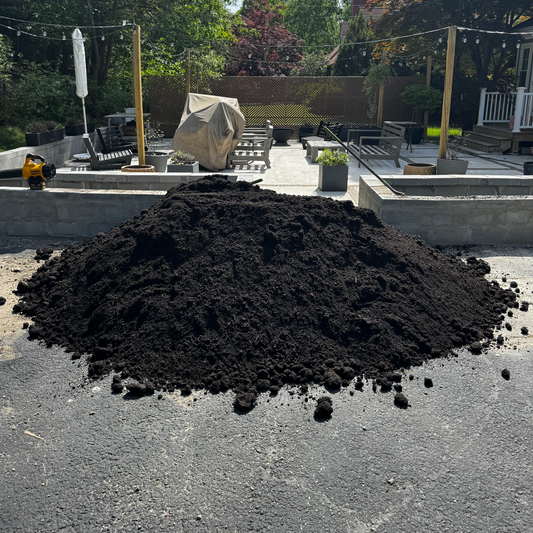
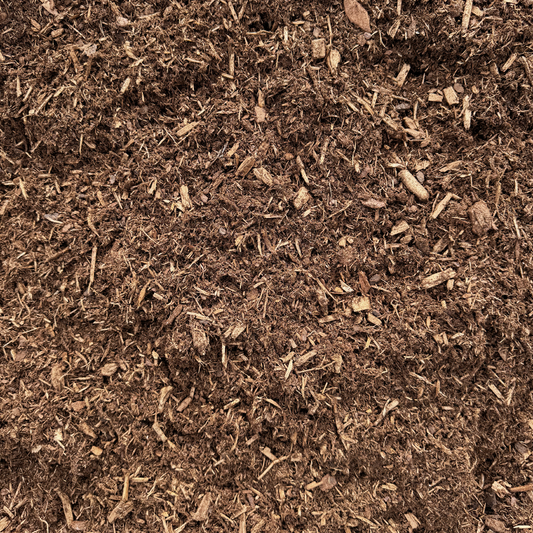
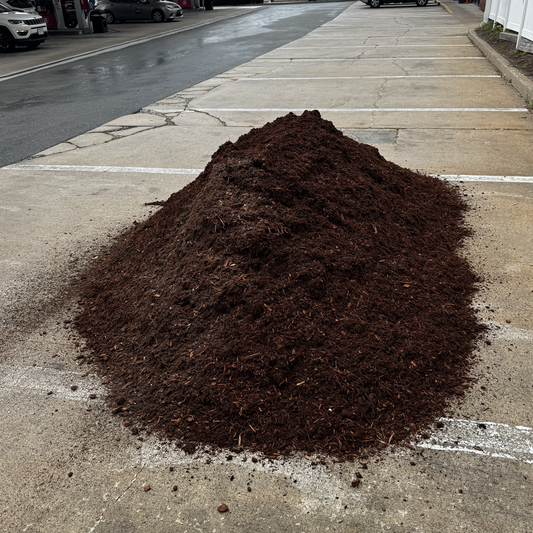
- ½ cubic yard of compost or Topsoil Loam ½" Screened for top-dressing — covers about three mature hydrangeas at 1-inch depth
Step 1 — Identify the Hydrangea Type
Three types grow in Plymouth yards. Pruning rules differ by type:
- Smooth (Annabelle, Incrediball): white round flowers, soft green stems. Blooms on new wood. Hard-prune.
- Panicle (Limelight, Bobo, Pinky Winky): cone-shaped flowers, woody stems. Blooms on new wood. Hard-prune.
- Bigleaf (mopheads, lacecaps, Endless Summer): pink/blue ball flowers, brown woody stems with visible buds. Blooms primarily on old wood. Do not hard-prune now.
If you can't tell, look at the stems. Smooth hydrangeas die back near the base every winter. Panicle types have woody, branched stems. Bigleaf types have plump round buds visible along last year's wood.
Step 2 — Remove Dead Wood First (All Types)
On every hydrangea regardless of type, cut out:
- Canes that are completely brown, brittle, and snap with no green inside
- Crossing canes that rub each other
- Anything broken from snow load over the winter
- Last year's spent flower heads if still attached
Cut back to live wood or to the base. This step alone is what bigleaf hydrangeas need — stop here on those.
Step 3 — Shape and Shorten (Smooth and Panicle Only)
On smooth and panicle types:
- Smooth hydrangeas can be cut to 12–18 inches from the ground for big new flowers, or to 24 inches if you want a fuller, smaller-flowered shrub.
- Panicle hydrangeas cut back by one-third to one-half, always to an outward-facing bud. Keep a balanced framework — don't reduce a 6-foot panicle to 1 foot in a single season.
Make every cut at a 45-degree angle, ¼ inch above an outward-facing bud. That direction sets where the new branch grows.
Step 4 — Top-Dress with Compost
After pruning, spread 1 inch of compost or screened loam in a 24-inch ring around each plant. Keep the material 2 inches off the main stems to prevent rot. Half a cubic yard covers roughly three mature shrubs. Browse the Plant Establishment & Tree Planting collection for compost and loam sized to small bulk orders, and check Plymouth landscape supply for delivery scheduling. The 2026 follow-up on driveway base math sits at Build a Gravel Driveway in Plymouth County for unrelated late-winter prep work.
Step 5 — Clean Up and Watch
Bag the cuttings — don't compost diseased material. Mark the date on your calendar; next year's pruning is easiest if you remember what you did this time. For neighbor-spec timing on bidding spring repair, see Bidding Middlesex County Spring Repair Jobs in Late January. For raised-bed prep that pairs with hydrangea care, see Top 5 Raised Bed Soil Layers for Watertown.
For type identification and bloom-wood guidance, the UMass Extension Landscape, Nursery & Urban Forestry program is the most authoritative source for New England.