Quick Answer
Five pre-winter lawn prep tips that pay off across Suffolk County yards: (1) take the last mow at 2.5–3 inches with bagged clippings, (2) apply winterizer fertilizer within a week of the last mow, (3) topdress thin spots with ¼ inch of compost, (4) flag damaged zones for spring overseeding, and (5) stage low-chloride salt-sand for the lawn-edge. A 5,000 sq ft Suffolk County lawn (typical Boston / Brookline / Chelsea backyard) wraps these tasks in 2–3 hours of November work and saves 6–8 hours of April repair.
Why Pre-Winter Prep Matters in Suffolk County
Suffolk County lawns face three winter pressures the rest of MA doesn't: heavy salt application from streets and sidewalks, dense shade from mature trees, and compacted clay soils from old urban fill. November prep is when you set up the lawn to survive those pressures and start strong in March.
For the broader pre-winter task list, see Top 5 November Cleanup Tasks for Cambridge Front Yards and Top 5 November Yard Tasks for Plymouth County Homeowners.
1. Take the Last Mow at 2.5–3 Inches
The right cut height for the final mow is 2.5–3 inches — one notch lower than summer's 3.5–4 inches. Lower than 2 inches strips cold protection. Higher than 3 inches mats and breeds snow mold under January snowpack.
Bag the clippings on the final mow. Mulching clippings is right all season — except this last cut, where you want to remove leaf-tip disease material and any matted leaf litter.
For full final-mow logic, see How to Time the Last Mow in a Bridgewater Lawn and How to Set Mower Height for a Quincy Final Mow.
2. Apply Winterizer Fertilizer Within a Week of the Last Mow
The single most important Suffolk County lawn task in November: late-season fertilizer. The grass is no longer growing visible blades, but the roots are still active until soil temp hits 40°F. A November fertilizer application gets stored as starches in the crowns — fueling explosive spring green-up before weeds germinate.
The right product: a 1-0-2 or 5-0-15 winterizer (low N, low/no P, higher K). Apply at the bag rate within 5–7 days of the last mow while soil temp is still above 40°F.
The UMass Extension Turf Program has the authoritative cool-season fertilizer schedule for MA.
3. Topdress Thin Spots with ¼ Inch of Compost
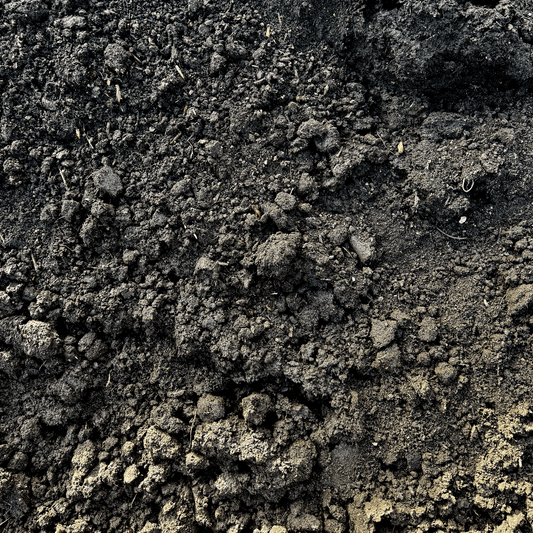
Before the ground freezes, topdress thin or compacted lawn zones with ¼ inch of finished compost. Through freeze-thaw cycles, the compost works down into the top inch of soil, improving structure and microbial activity. By April, those topdressed zones germinate seed twice as fast as untreated compacted clay.
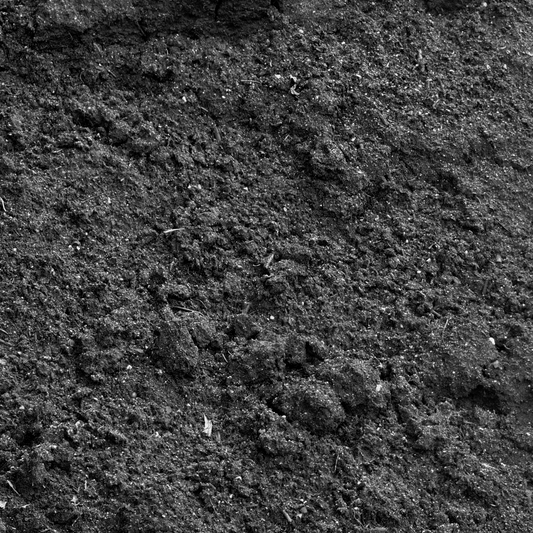
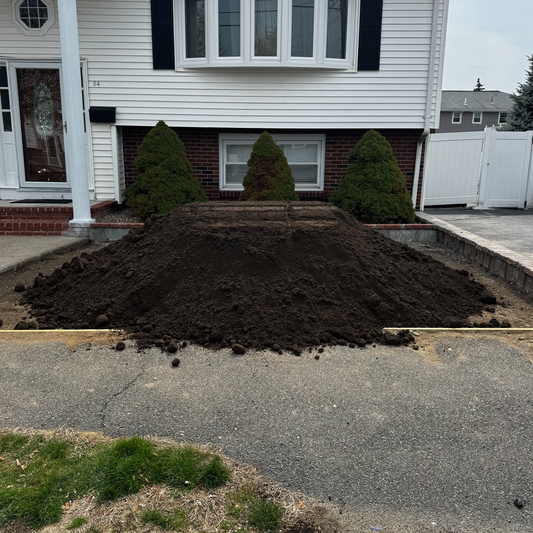
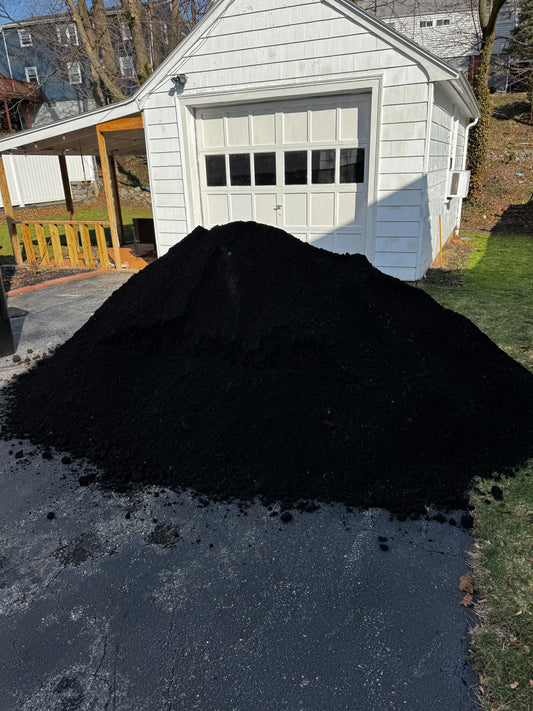
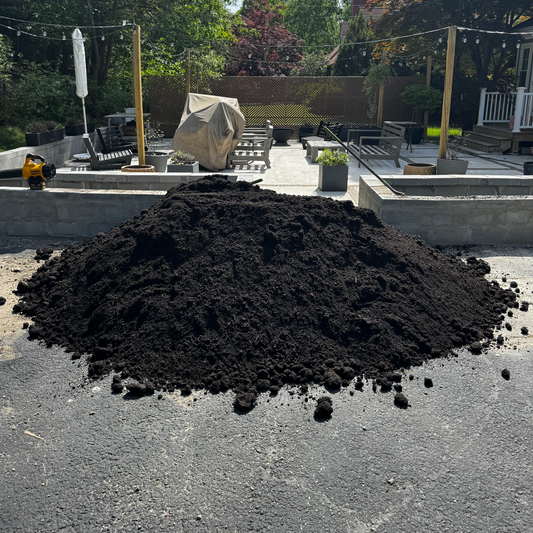
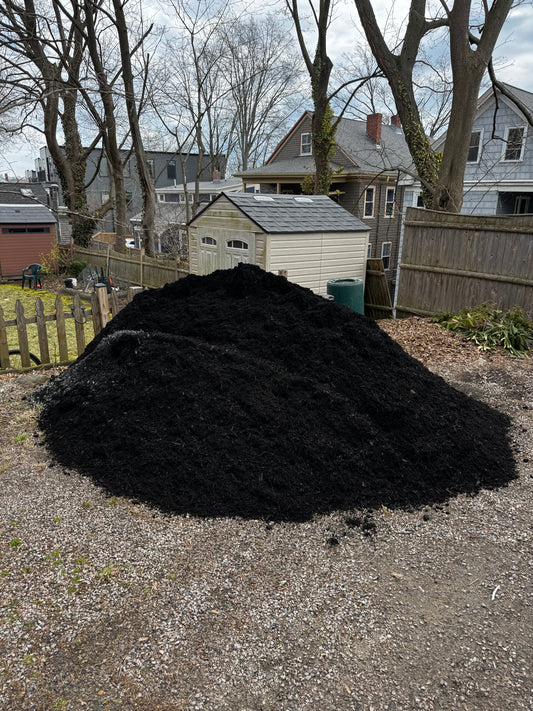
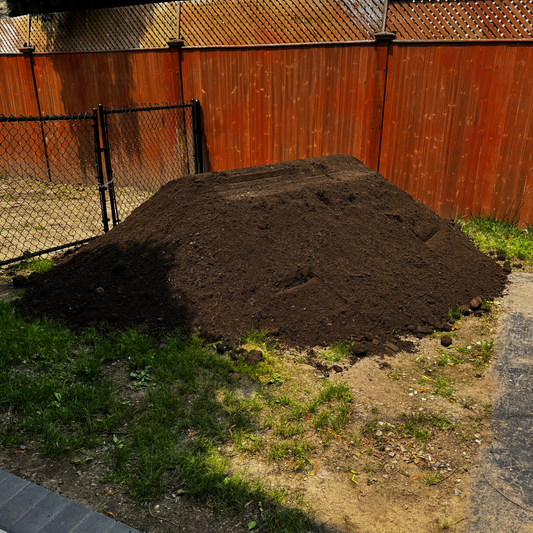
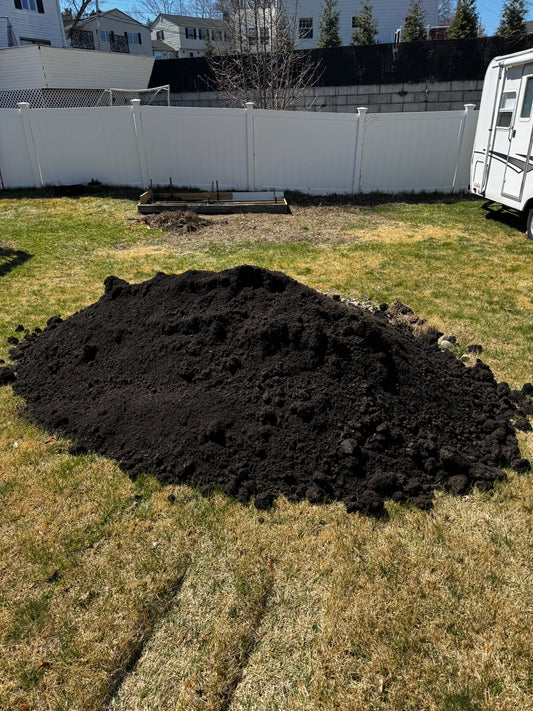
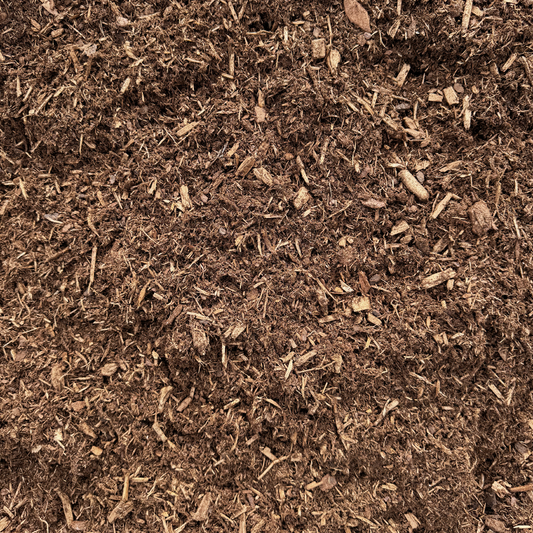
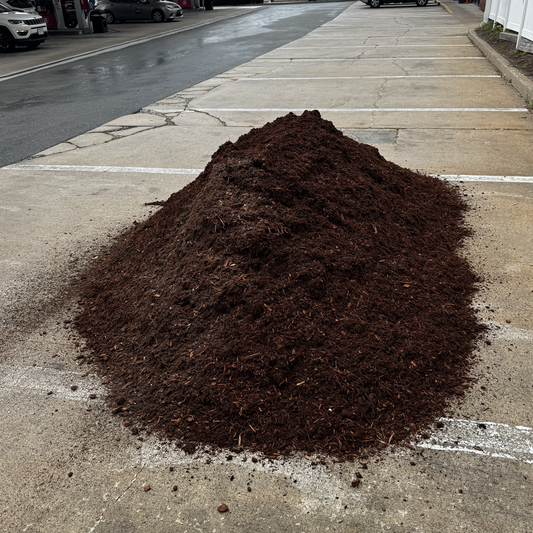
A 5,000 sq ft Suffolk County lawn needs about 4 cubic feet of compost for spot-topdressing the worst 200–300 sq ft. Browse Ottr's lawn leveling & repair collection for compost and screened loam by the cubic yard.
4. Flag Damaged Zones for Spring Overseed
Walk the lawn with garden flags or stakes and mark every patch that needs spring repair: bare spots, plow-edge damage, mole tunnels, dog-pee spots, salt-burn stripe along the curb. Photograph the layout if you've got more than five flags.
Come March, you'll find the flags before the green-up hides the damage. This single 15-minute task saves an hour of spring detective work and prevents missing repair zones.
For the spring repair playbook, see Top 5 Cool-Season Grass Picks for Brookline Spring Repair and the lawn leveling & repair collection.
5. Stage Low-Chloride Salt-Sand for the Lawn Edge
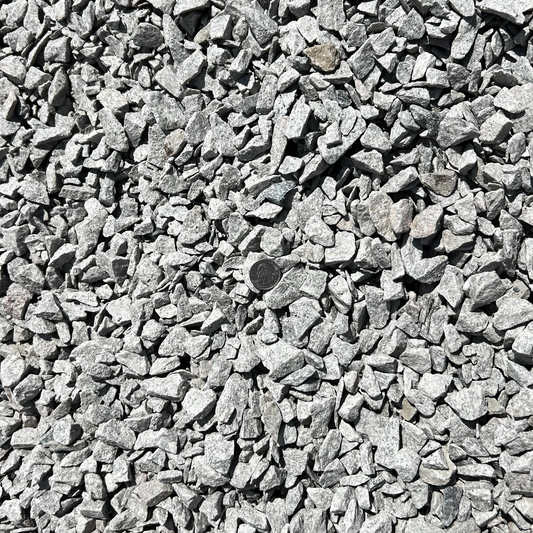
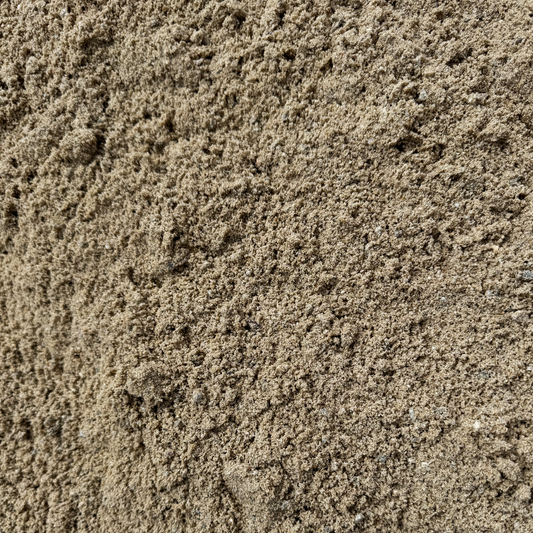
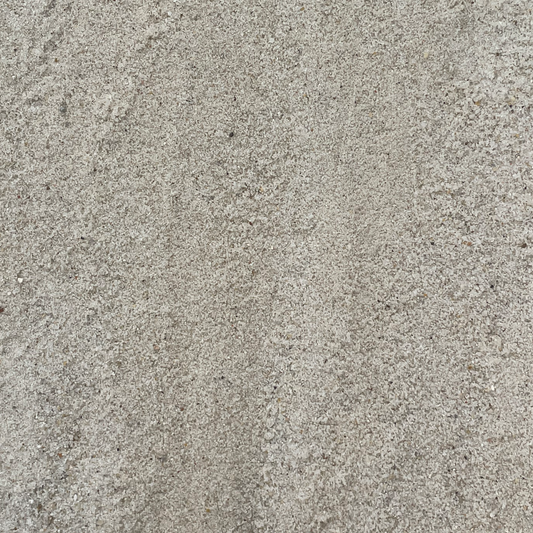
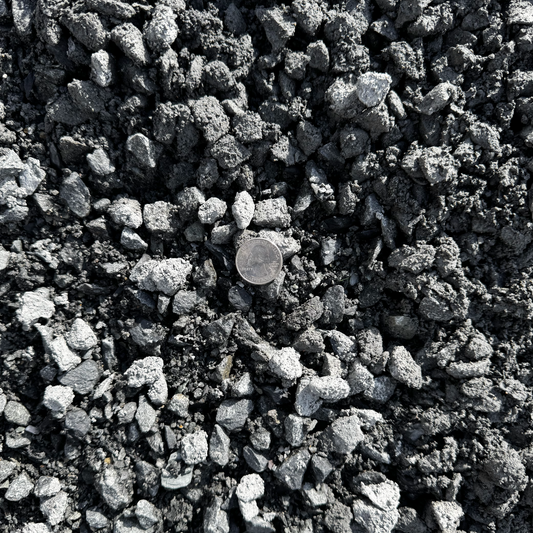
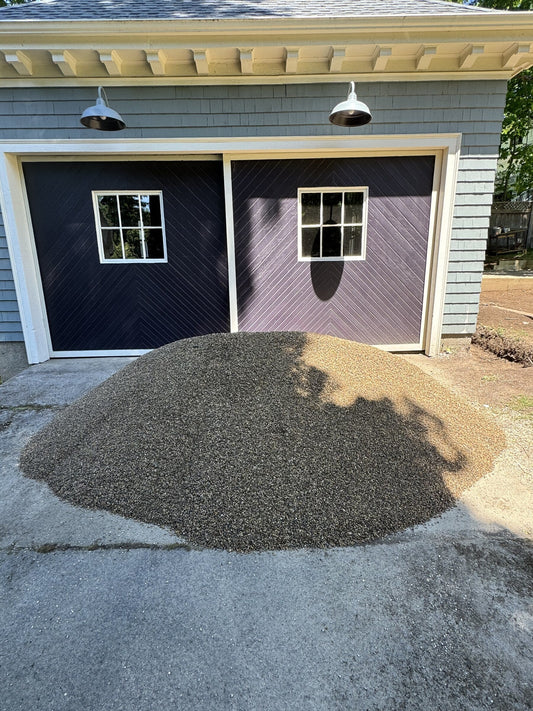
Suffolk County's curb-edge salt damage is real. The fix is staging the right product before the first storm: Salt & Sand 20/80 (20% salt, 80% sand) for the lawn-adjacent strip and mason sand alone for the last 2 feet against any planting bed.
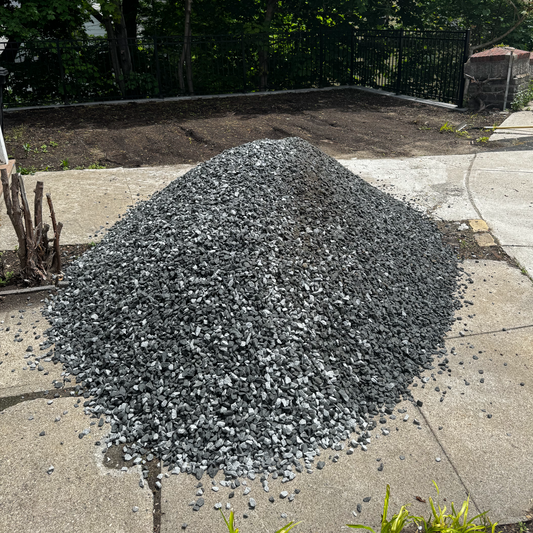
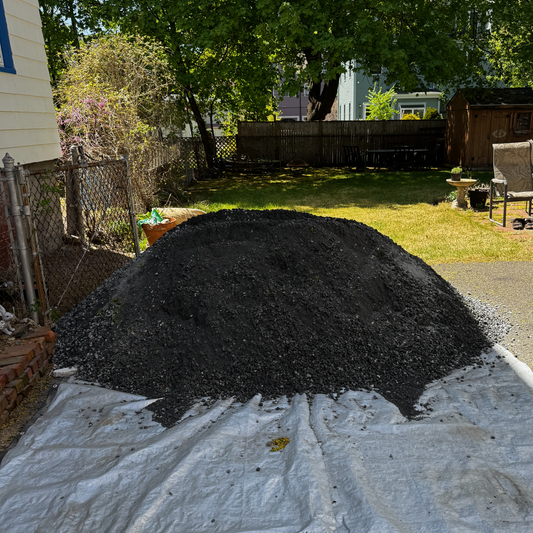
A 50-foot Suffolk County frontage uses about ¾ cubic yard across the season. Browse the Snow & Ice Management collection for current per-yard rates. For application strategy, see How Much Rock Salt Do I Need for a Roslindale Driveway This Winter? — same logic for Suffolk County.
Suffolk County November Lawn Prep Timeline
- November 1–10: Last mow, bag clippings
- November 5–15: Winterizer fertilizer application
- November 8–20: Topdress thin spots with compost
- November 15–25: Flag damaged zones, stage salt-sand
- Anytime in November: Order spring overseed materials so they're locked in by March
What Suffolk County Lawns Don't Need in November
- Heavy aeration. The window closed October 15. Some Suffolk County yards on warmer microclimates (south-facing slopes near Jamaica Pond, sheltered Roxbury yards) can squeeze in a light aeration through November 5 — most can't.
- New seeding. Germination temps are gone. Plan spring seeding instead.
- Liming. Wait for spring soil test results before liming. Random November lime applications often do more harm than good.
For Suffolk County-specific delivery and bulk material rates, see the Suffolk County landscape supply collection (or your specific city: Boston, Chelsea, Revere, Winthrop).